


Why a Greece Trip That Includes Athens Needs a Different Plan is not a marketing line; it is the reality of building an itinerary that actually works. Athens is not a quick stop to “do the Acropolis” before the islands. It changes your pace, your hotel choices, and the order in which the rest of Greece makes sense.
Most travelers treat Athens as a box to tick, then wonder why the trip feels rushed or fragmented. The city needs to be planned as a serious part of the journey, not a side note, or you end up paying for convenience in time, energy, and missed context.
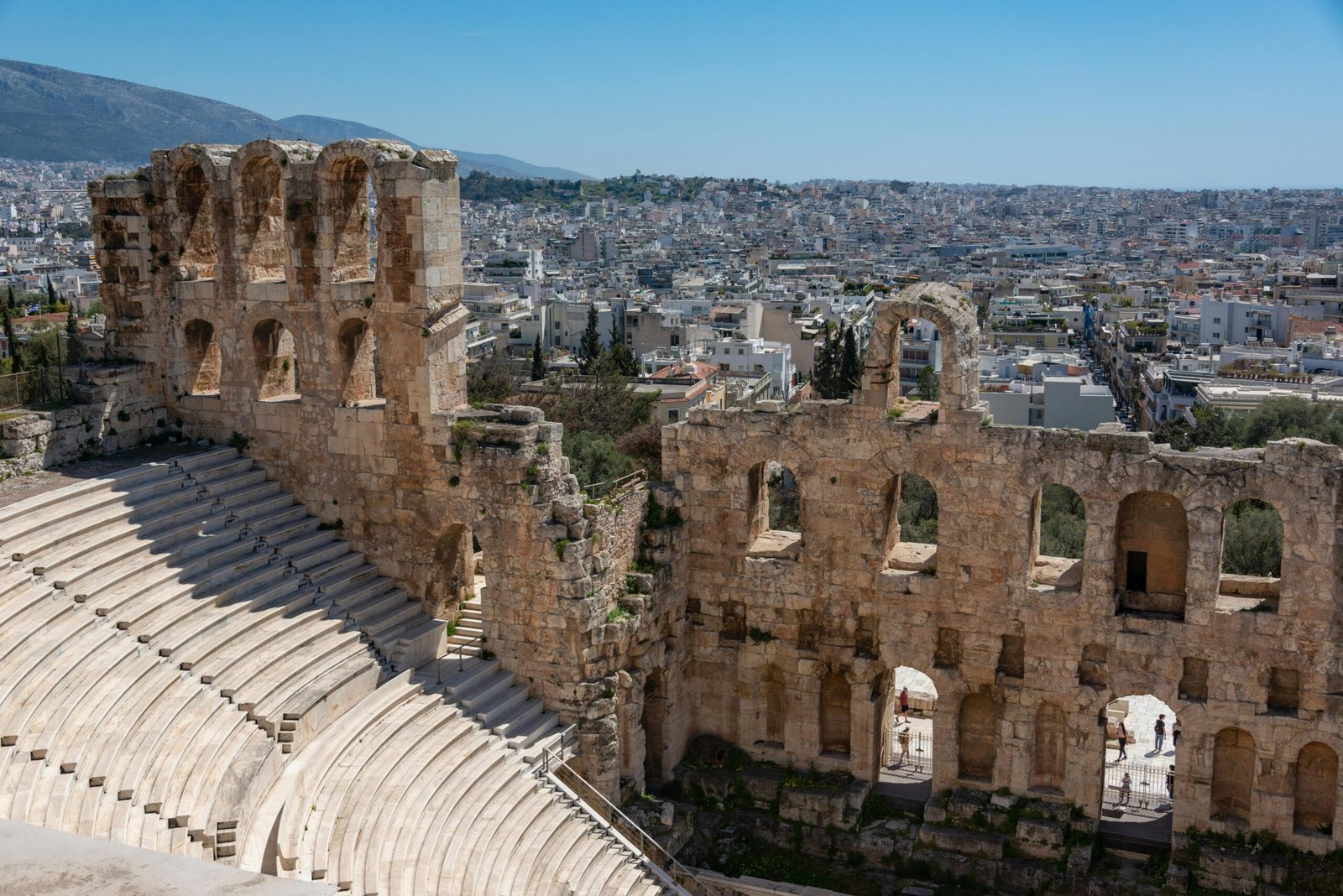

Why a Greece Trip That Includes Athens Needs a Different Plan
Athens is the place where weak planning shows immediately. If you treat it like a beach stop or a simple overnight, you will waste one of the few parts of Greece that actually benefits from slower attention. This is why I tell clients that Why a Greece Trip That Includes Athens Needs a Different Plan is not a theory — it is basic itinerary discipline.
The city is not difficult because it is complicated in the abstract. It is difficult because it forces decisions: central versus polished, history versus lifestyle, museum time versus neighborhood time, and whether you want a city break that feels urban or merely efficient. Those are not small choices when you are also trying to fit in islands.
Why a Greece Trip That Includes Athens Needs a Different Plan if you want the trip to feel coherent
The biggest mistake is assuming Athens can be inserted anywhere without affecting the rest of the trip. It cannot. Athens has a different rhythm from the islands, and if you place it badly in the sequence, the whole itinerary starts to feel like a series of resets instead of one trip.
Another common error is underestimating how much the city rewards staying in the right area. Syntagma, Plaka, Monastiraki, Koukaki, Kolonaki, and Psyrri all serve different traveler types, and those differences matter more than people expect. A traveler who books the wrong neighborhood often ends up spending energy on basic movement, noise, or convenience compromises that should never have been necessary.
There is also a planning consequence people ignore: Athens changes how much “free time” you really have. A short stay can look fine on paper and still feel compressed once you account for the city’s density, museum time, and the fact that you will not want to rush every meal. That is why Why a Greece Trip That Includes Athens Needs a Different Plan is about structure, not just preference.
What travelers consistently get wrong in Athens
The first mistake is choosing accommodation based only on proximity to the Acropolis. That sounds sensible and often produces a mediocre result. Some of the most convenient-looking streets are either too tourist-heavy, too noisy, or too thin on the kind of restaurants and bars that make an evening feel worth staying in the city for.
The second mistake is overloading Athens with “must-see” pressure. The city is not best experienced as a checklist. If you cram every major site into a short window, you get the mechanics of Athens without the actual appeal: the neighborhoods, the food culture, the museum quality, and the sense that this is a living capital rather than a staging point.
A third mistake is assuming the islands will feel easier after Athens if you do not plan the transition properly. They often do not. Athens can expose sloppy sequencing, especially when travelers leave the city too late and then try to recover the trip with an island that has a completely different pace. That is where a lot of itineraries start to fray.
The neighborhoods that actually shape the experience
Plaka is the obvious choice, and that is exactly why it divides opinion. It works for first-time visitors who want the historic core and do not mind a busy, tourist-facing atmosphere. It is not the place for travelers seeking local texture or quiet evenings.
Koukaki is often the better answer for people who want to stay close to the main sights without feeling trapped in a museum district. It has a more lived-in feel and better day-to-night continuity. For many travelers, this is the most balanced base in Athens.
Kolonaki suits travelers who want a more polished city experience with stronger dining, better shopping, and a less chaotic street scene. It is not ideal if your priority is being in the thick of the historic center. It is ideal if you value comfort and a more adult version of Athens.
Monastiraki is useful, but only for travelers who accept noise and constant movement as part of the deal. Syntagma is practical for access and centrality, yet often feels too businesslike for leisure-focused stays. Psyrri can work for energetic travelers, but it is not a quiet choice and should not be sold as one.
If you want a deeper sense of what Athens is trying to preserve, the city’s cultural institutions matter more than most travelers realize. Check the current programs and official information through the Greek Ministry of Culture rather than relying on generic summaries that flatten the city into a few monuments.
A counterintuitive truth about Athens
The counterintuitive part is that Athens often improves a Greece trip when it is not treated as the “big city problem” to be minimized. Many travelers assume the city will drain energy from the islands. In practice, a well-planned Athens stay can sharpen the whole trip because it gives context, variety, and a cleaner contrast to island life.
What surprises people most is that a properly handled Athens segment can make the islands feel more satisfying, not less. You understand the country differently when you have seen its capital beyond the postcard version. That is one reason Why a Greece Trip That Includes Athens Needs a Different Plan is a serious planning question, not a stylistic one.
Who this suits — and who it does not
This suits: travelers who like cities, architecture, museums, and a bit of real-life pace before or after the islands; first-timers who want context; couples who enjoy good dining and neighborhood wandering; and repeat visitors who are ready to stop treating Athens like a transit point.
This does not suit: travelers who want a pure island escape with no urban energy; people who dislike noise, traffic, and density; and anyone who wants a trip built around one postcard moment after another. Athens will not flatter that style of travel, and forcing it into that frame usually disappoints.
- Best fit: travelers who want culture, food, and a city that adds depth to the island part of the trip.
- Poor fit: travelers who want every night to feel like a resort stay.
- Best fit: people willing to choose neighborhoods carefully.
- Poor fit: people who book blindly and expect the city to sort itself out.
What you gain, and what you give up
You gain context, better dining, stronger museums, and a more complete sense of Greece. You also gain a city that can absorb a day or two in a way few island stops can. For many travelers, that makes the overall trip feel more intelligent and less repetitive.
What you give up is simplicity. Athens asks for more judgment, more neighborhood awareness, and more realism about pace. If you are trying to create a seamless Greece itinerary, the city can absolutely do that — but only when you stop treating it like a filler stop and start treating it like the structural center it often becomes.
For official visitor information and current cultural programming, start with
Visit Greece, then build around the kind of trip you actually want, not the one that looks easiest on a booking page.
Why a Greece Trip That Includes Athens Needs a Different Plan is simple in the end: Athens changes the logic of the whole itinerary. Get the city right, and the rest of Greece feels better organized, less rushed, and more coherent. Get it wrong, and even a beautiful island sequence can feel oddly strained. Greece rewards travelers who arrive with a plan built around how they actually travel — not a generic template. The difference between a frustrating trip and a remarkable one often comes down to sequence, timing, and knowing which trade-offs matter for your situation.
Recommended experiences
Some experiences mentioned here are curated and managed by Elite Greece Travels.
- Greece 7 Day Itinerary Athens Delphi Meteora Santorini — Itinerary (managed by Elite Greece Travels).
- Best Of Greece Athens Paros Crete 7 Day Itinerary 6 Nights — Itinerary (managed by Elite Greece Travels).
- Athens Mykonos Itinerary 5 Days Luxury Greece Tour — Itinerary (managed by Elite Greece Travels).
Frequently asked questions
Why does Athens need a different plan than the Greek islands?
Because Athens is a dense, urban capital with different pacing, neighborhood choices, and sightseeing logic. If you treat it like an island stop, you usually waste time and reduce the quality of the rest of the trip.
How many nights should travelers usually spend in Athens?
Enough to see the city without rushing it. One night is often too thin for first-timers; two is usually the minimum if you want the trip to feel intentional rather than rushed.
Which Athens neighborhoods are best for a first visit?
Koukaki is often the most balanced choice, while Plaka suits travelers who want the historic center. Kolonaki works well for a more polished stay, and Syntagma is practical but less atmospheric.
What is the biggest mistake people make when combining Athens with the islands?
They place Athens at the wrong point in the trip or choose the wrong neighborhood, then wonder why the itinerary feels fragmented. Athens should be planned as a key part of the sequence, not a leftover stop.
Is Athens worth including if I mainly want islands?
Yes, if you are willing to treat it as a real city experience rather than a quick obligation. If you want a pure beach-focused trip, Athens may feel like a detour rather than an advantage.
What kind of traveler gets the most out of Athens?
Travelers who like culture, food, museums, and a city that adds depth to a Greece itinerary. It is less satisfying for people who want a quiet, resort-style experience throughout.