

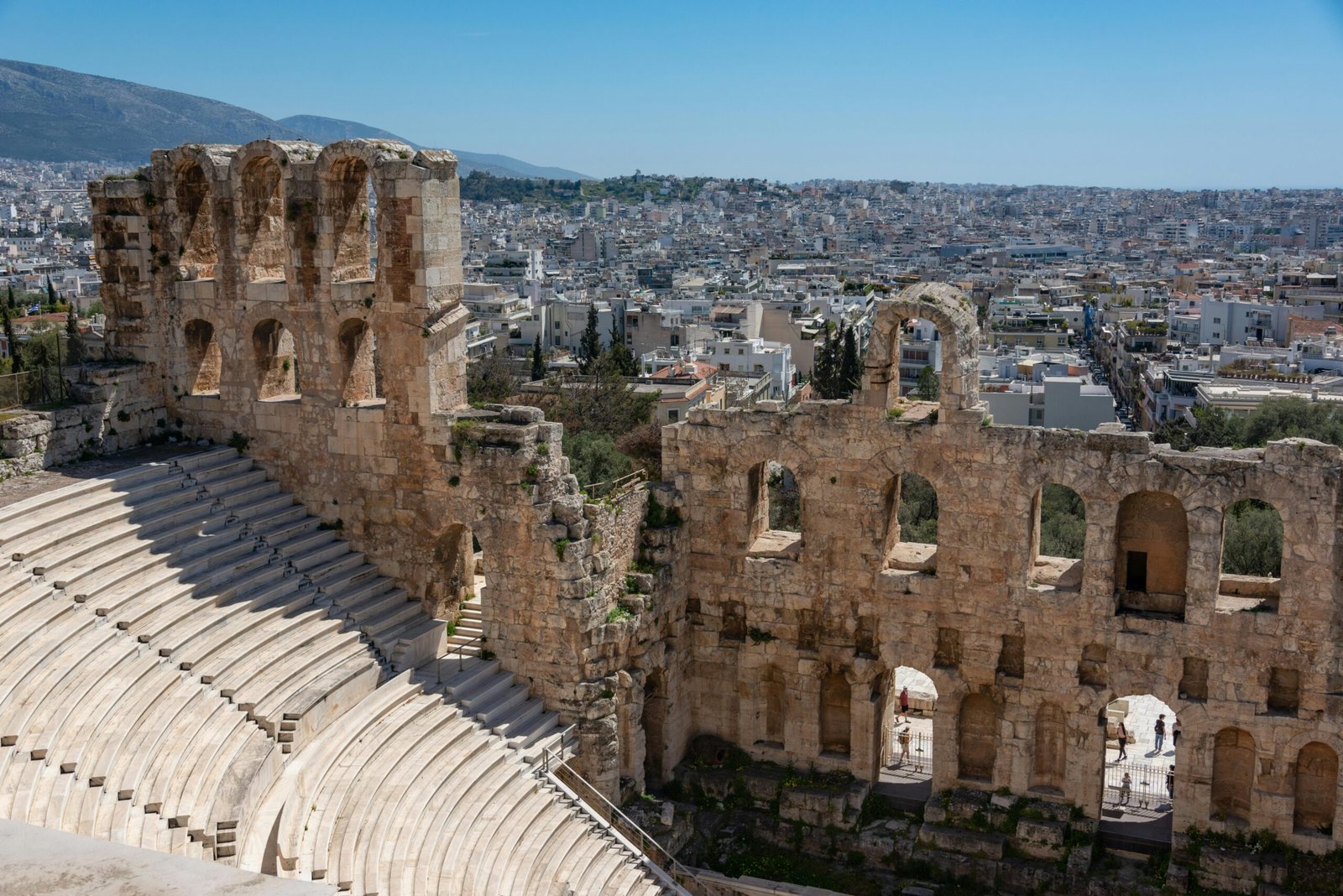
Athens Is Not a Stopover: Why It Should Shape the Whole Journey is the right way to think about Greece if you want the trip to feel coherent instead of stitched together. Athens is not a city you skim past and “fit in” at the end; it sets the tone for the rest of the itinerary, for better or worse.
Most travelers underestimate how much the city asks of them in return for what it gives. If you treat it as a quick box to tick, you usually leave with a rushed impression and a weaker overall trip.


Athens Is Not a Stopover: Why It Should Shape the Whole Journey
I’ll be blunt: Athens Is Not a Stopover: Why It Should Shape the Whole Journey is not just a catchy line, it is the planning rule that separates a decent Greece trip from a generic one. Athens works when it is treated as a deliberate urban stay with its own rhythm, not as a transit inconvenience before the islands.
The city is not trying to be a resort, and that is exactly why it matters. It gives context, scale, and contrast to the rest of Greece, but only if you stop asking it to behave like a beach destination.
Athens Is Not a Stopover: Why It Should Shape the Whole Journey
The first mistake travelers make is assuming Athens is only about the Acropolis and a meal in Plaka. That approach produces the worst version of the city: crowded, compressed, and oddly forgettable. Athens has real depth, but you only see it when you choose neighborhoods with a point of view, not just a postcard address.
The second mistake is sequencing. People often put Athens at the very end, already tired, already mentally checked out, and then blame the city for feeling chaotic. Athens Is Not a Stopover: Why It Should Shape the Whole Journey because it needs your attention early enough to influence the rest of the trip.
What travelers consistently get wrong
They also underestimate how different central Athens feels from one district to the next. Syntagma is practical and formal, Monastiraki is busy and commercial, Psyrri is more nightlife-driven, and Koukaki is calmer and more livable. If you choose the wrong area for your travel style, the city can feel noisy and inefficient even when the sights are close together.
Another common error is expecting Athens to deliver a relaxed pace in the same way the islands do. It won’t. The city is dense, layered, and often intense, which is exactly why it can be valuable in a Greece itinerary that otherwise leans too heavily on beaches and whitewashed scenery.
Neighborhoods that change the trip
Plaka is useful for first-time visitors who want immediate access to the historic core, but it is also the most obviously tourist-shaped part of central Athens. Koukaki is a better choice for travelers who want a more grounded base with a local feel and less performance. Kolonaki suits people who care about design, shopping, and a more polished city experience.
Psyrri is for travelers who want energy and late evenings, while Pangrati is one of the better options for people who want Athens to feel like a lived-in city rather than a sightseeing set. If you want a serious museum day, the area around the Acropolis Museum matters more than many travelers realize, because the surrounding context makes the visit feel connected rather than isolated.
For a broader sense of the city’s cultural weight, the official resources at the Ministry of Culture are worth checking before you finalize your priorities. That is not glamorous advice, but it is the kind that prevents wasted time and shallow planning.
Who this suits
Athens suits travelers who like cities, history, food, and a bit of friction in exchange for substance. It is a strong fit for first-time Greece visitors who want context before heading to the islands, for repeat visitors who are ready to go beyond the obvious monuments, and for couples who prefer a layered urban stay over a resort-style start.
- Best for: culture-focused travelers, food-led travelers, architecture fans, and people who enjoy walking neighborhoods.
- Not ideal for: travelers who want a soft landing, families looking for a purely easygoing base, or anyone who gets impatient with traffic, density, and urban noise.
That last point matters. If your idea of a good trip is minimal decision-making and maximum scenery, Athens can feel demanding rather than rewarding. If you want your Greece trip to have shape, though, the city earns its place quickly.
The counterintuitive truth about Athens
Here is the part most people miss: Athens often works better when you do less, not more. The travelers who try to “cover” the city usually leave exhausted and underwhelmed, while the ones who pick a few serious anchors and leave room for the city’s daily life tend to understand it much better.
That is counterintuitive because Athens looks like a place you should conquer efficiently. In practice, it is a city that punishes overplanning and rewards selective attention. Athens Is Not a Stopover: Why It Should Shape the Whole Journey because it changes the pace of the entire trip, and that change is often the real value.
What you gain, and what you give up
If you build Athens into the trip properly, you gain historical context, better food choices, a stronger sense of place, and a more balanced Greece itinerary. You also gain a city that can absorb bad weather, fill a gap between island stays, and give the trip a real beginning instead of a generic arrival day.
What you give up is simplicity. Athens is not the easiest place to treat casually, and it is not the best choice for travelers who want every day to feel effortless. Ignore that trade-off and the practical consequence is predictable: you end up with poor neighborhood choices, tired sightseeing, and a trip that feels more fragmented than intentional.
Plan Athens as a core part of the journey and the rest of Greece makes more sense. Treat it as a stopover and you usually get the worst of both worlds: too rushed to understand, too important to ignore.
Greece rewards travelers who arrive with a plan built around how they actually travel — not a generic template. The difference between a frustrating trip and a remarkable one often comes down to sequence, timing, and knowing which trade-offs matter for your situation.
FAQ
Recommended experiences
Some experiences mentioned here are curated and managed by Elite Greece Travels.
- Athens Milos Itinerary — Itinerary (managed by Elite Greece Travels).
- Athens Milos Santorini Itinerary 9 Days — Itinerary (managed by Elite Greece Travels).
- Greece 7 Day Itinerary Athens Delphi Meteora Santorini — Itinerary (managed by Elite Greece Travels).
Frequently asked questions
Is Athens worth more than one night?
For most travelers, yes. One night usually produces a rushed impression. Two to three nights is the range where Athens starts to feel like part of the trip rather than an interruption.
Which Athens neighborhoods are best for first-time visitors?
Plaka is the easiest starting point, but Koukaki is often the smarter choice for travelers who want a less tourist-shaped stay. Kolonaki works well for a more polished city experience.
Why do some travelers dislike Athens?
They usually arrive expecting an island-style atmosphere or they stay in the wrong area. Athens is dense, busy, and urban, so it punishes lazy planning more than most Greek destinations.
Should Athens come at the start or end of a Greece trip?
For many travelers, the start is stronger because it gives context and helps set expectations. Ending there can work too, but only if you still have energy for a city stay after the islands.
What is the biggest mistake people make with Athens?
They reduce it to the Acropolis and one meal nearby. That turns a serious city into a checklist stop and usually leads to disappointment.
Who should skip Athens?
Travelers who want a very soft, low-effort holiday and dislike urban density may be better served by a different structure. Athens is valuable, but it is not designed to feel like a resort.