

Athens vs. Santorini: Why Starting Your Trip in the Island Can Backfire is a question many travelers face, often without grasping the deeper consequences of their choice. Jumping straight to Santorini might seem like a dream, but it frequently results in a superficial encounter with Greece’s layered history and culture. To truly appreciate what Santorini offers, one must understand the foundation Athens lays.
Athens vs. Santorini: Why Starting Your Trip in the Island Can Backfire
The Cultural Context You Miss When You Skip Athens
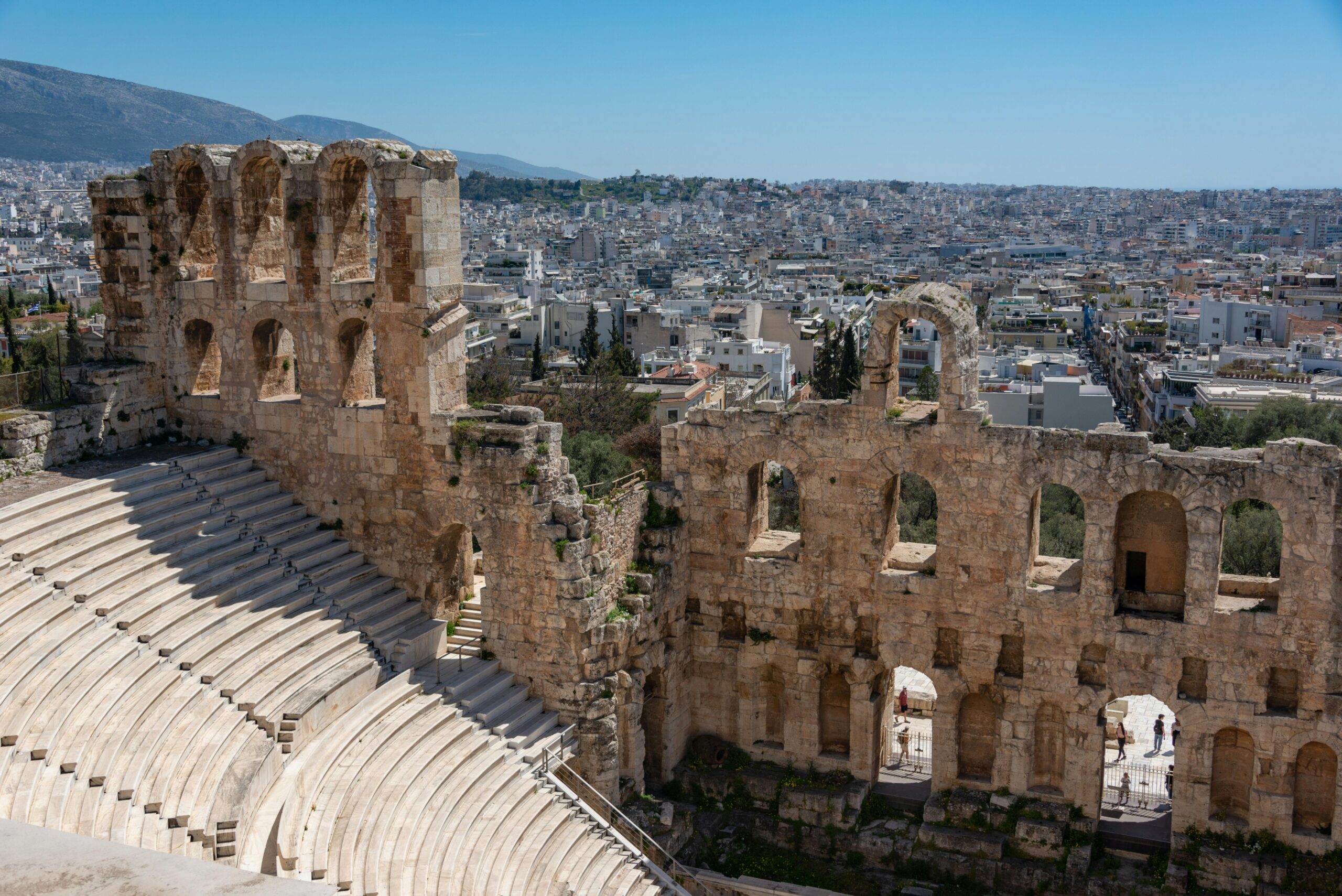
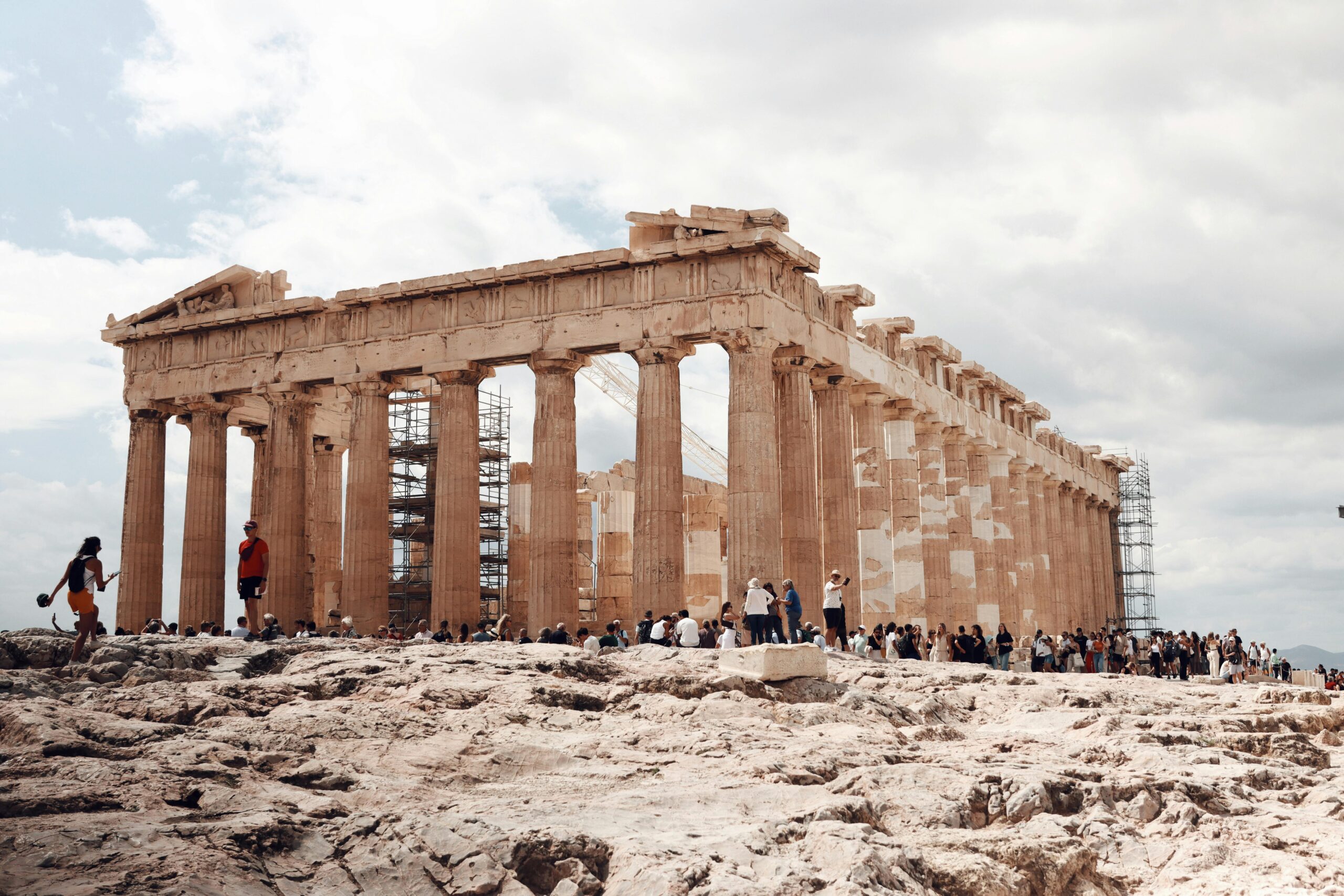
Arriving first in Santorini often means missing the immersive cultural narrative Athens provides. This city isn’t just about ancient ruins; neighborhoods like Plaka and Monastiraki pulse with a living history that informs the entire Greek experience. Without Athens’ context—from the Acropolis to the contemporary art scenes—you risk viewing Santorini as merely a picturesque postcard rather than a chapter in a much richer story.
Emotional Reality: The Feel of Athens vs. Santorini
Many expect Santorini to be endlessly tranquil and picture-perfect, but the reality is a mix of intense crowds, tourist-driven commerce, and a relentless pace during peak seasons. Athens, by contrast, feels chaotic but authentic—its streets vibrate with daily Athenian life, political debate, and genuine local interactions. Starting in Athens grounds you emotionally, preparing you for Santorini’s tourist-heavy atmosphere rather than the other way around.
Athens vs. Santorini: Why Starting Your Trip in the Island Can Backfire — The Trade-offs
Choosing Santorini first grants immediate access to iconic views and luxury stays, but you sacrifice a foundational understanding of Greece’s layered history. Conversely, starting in Athens means confronting a gritty urban environment that can feel overwhelming but rewards you with depth and perspective. Most travelers underestimate how much richer Santorini becomes when you’ve first absorbed Athens’ complexity.
Common Misconceptions Travelers Have About This Choice
Travelers consistently assume Santorini is the ultimate Greek experience and that Athens is a mere transit point. They underestimate how Athens’ museums—like the Acropolis Museum—and neighborhoods like Kolonaki shape understanding of Greek identity. Another mistake is expecting Santorini’s sunsets to offer serenity; they often trigger crowds and commercialism that dilute the moment.
Who This Suits: Traveler Profiles for Starting Points
Starting in Athens suits those craving historical depth, urban culture, and a rawer slice of Greek life. It’s vital for travelers willing to embrace some discomfort for a more meaningful journey. Santorini-first appeals to honeymooners or those prioritizing relaxation and iconic scenery, but such travelers must accept a more surface-level experience of Greece’s complexity. Families with limited time may find Santorini tempting but should weigh the cultural cost.
Seasonal and Timing Considerations
Athens in spring or fall offers mild weather and less tourist congestion, ideal for cultural immersion. Santorini’s peak summer months amplify its beauty but also its crowds and commercial pressures. A minimum of three days in Athens allows you to digest its layers before moving on. Conversely, two days in Santorini suffice for the highlights, but without Athens first, the experience risks feeling like a scenic but shallow finale.
Less Obvious Insights: The Island’s Complexity Demands More Than Just Scenery
Most travelers fail to realize Santorini’s archaeological sites—Akrotiri, for example—carry enormous significance that only resonates after Athens’ context. The island’s volcanic history and local culture are entwined with national narratives that unfold fully only after exposure to Athens’ museums and political heart. Skipping Athens is not just missing a city; it’s missing the key to unlocking Santorini’s deeper stories.
Conclusion
Greece rewards travelers who arrive with a plan built around how they actually travel—not a generic template. The difference between a frustrating trip and a remarkable one often comes down to sequence, timing, and knowing which trade-offs matter for your situation. Starting in Athens before Santorini lays a foundation that enriches every moment on the island, making the entire journey more coherent and impactful. Expert planning can help you navigate these choices, ensuring your trip reflects the true complexity and emotion of Greece.
For further cultural insights, resources like the Greek Ministry of Culture provide valuable context that enhances your appreciation beyond the typical tourist lens.
Recommended experiences
Some experiences mentioned here are curated and managed by Elite Greece Travels.
- Athens Milos Itinerary — Itinerary (managed by Elite Greece Travels).
- Athens Milos Santorini Itinerary 9 Days — Itinerary (managed by Elite Greece Travels).
- Greece 7 Day Itinerary Athens Delphi Meteora Santorini — Itinerary (managed by Elite Greece Travels).
Frequently asked questions
Is it better to start my Greece trip in Athens or Santorini?
Starting in Athens is generally better for understanding Greece’s culture and history, which enhances your experience when you later visit Santorini.
What do travelers often misunderstand about Santorini?
Many assume Santorini is a peaceful escape, but during peak season it can be crowded and commercialized, which may contrast with expectations.
How much time should I spend in Athens before heading to the islands?
A minimum of three days in Athens allows you to absorb essential cultural and historical context before moving on.
Can I appreciate Santorini without visiting Athens first?
You can enjoy Santorini’s beauty, but without Athens’ background, you miss much of the island’s deeper historical and cultural significance.
Which neighborhoods in Athens provide the best cultural immersion?
Plaka, Monastiraki, and Kolonaki offer rich experiences of Athens’ history, local life, and contemporary culture.
When is the best time to visit Athens and Santorini for fewer crowds?
Spring and fall are ideal for Athens, while Santorini is less crowded outside the summer peak but offers milder weather then.
Are there important museums in Athens I should not miss?
Yes, the Acropolis Museum is essential for understanding Greece’s ancient heritage and connecting it to the broader narrative.