

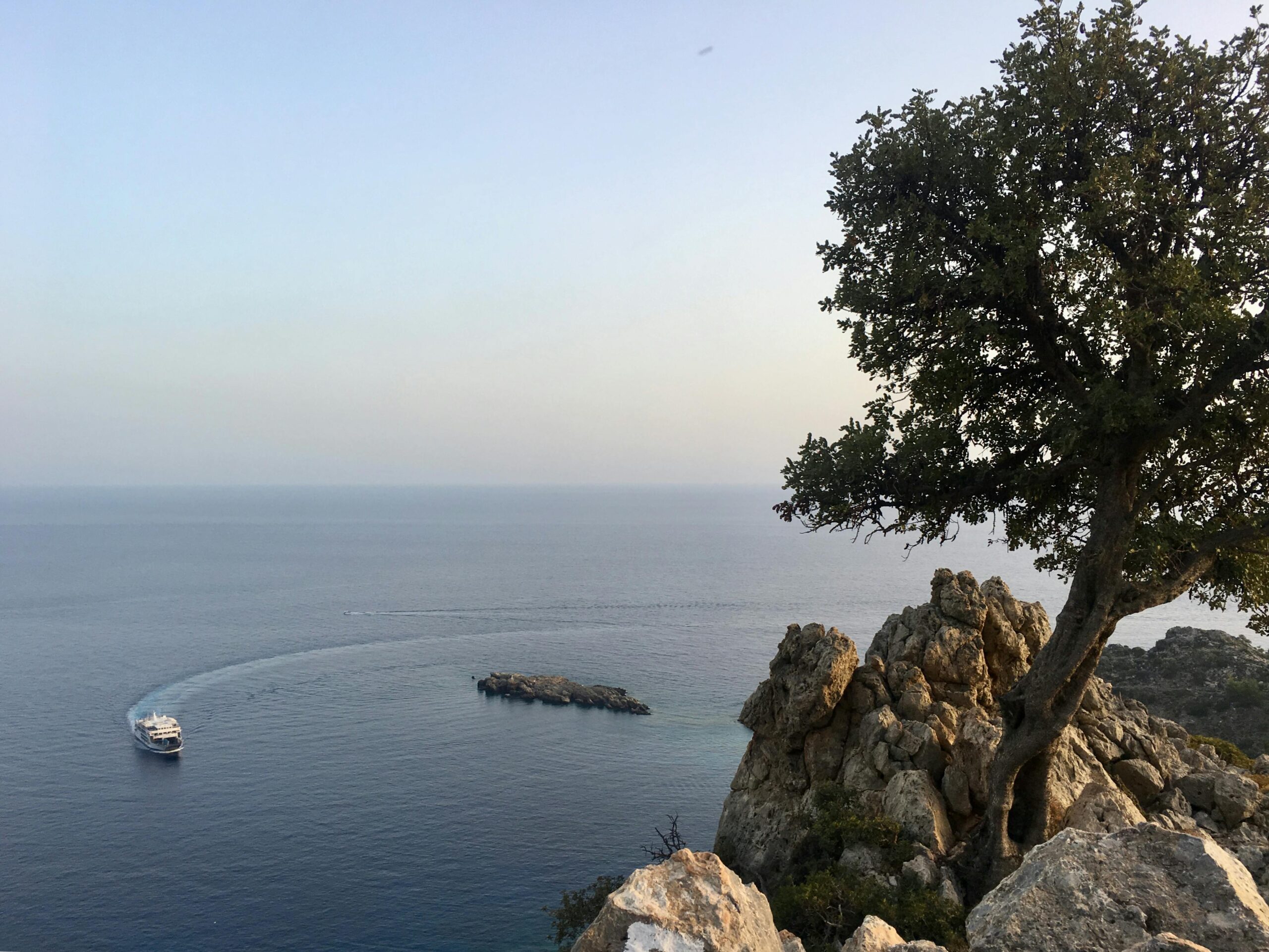
Choosing Between Crete and Rhodes: Why Your Island Choice Shapes Your Greek Story is a question that reveals far more than just geography. These two islands are often lumped together as Mediterranean escapes, but their histories, atmospheres, and rhythms could not be more distinct. Making the right call requires understanding what each island expects from you and, equally, what you must be willing to leave behind.

Choosing Between Crete and Rhodes: Why Your Island Choice Shapes Your Greek Story
Understanding the Historical Weight: Crete’s Minoan Legacy vs. Rhodes’ Medieval Grandeur
Crete and Rhodes are not interchangeable backdrops for a Greek vacation; their histories command different emotional engagements. Crete’s landscape is deeply imprinted by the Minoan civilization, with sites like Knossos offering a raw, almost primeval connection to Europe’s earliest advanced culture. Rhodes, in contrast, thrives on its medieval heritage, where the Palace of the Grand Master and the fortified old town echo Crusader tales and Ottoman sieges. Travelers often underestimate how these layers affect the island’s identity and what it means to be there.
Atmosphere and Pace: Crete’s Rugged Diversity vs. Rhodes’ Touristic Polish
Crete is not a single mood but a collage of atmospheres—from the windswept beaches of Elafonisi to the wild, mountainous interior around Chania. It demands time and a tolerance for less polished infrastructure, rewarding those who want to immerse themselves in a rougher, more authentic pace. Rhodes, especially the old town and nearby Faliraki, presents a more curated, pedestrian-friendly environment, often favored by travelers seeking convenience alongside their history. The trade-off here is between raw authenticity and accessible comfort.
Choosing Between Crete and Rhodes: Why Your Island Choice Shapes Your Greek Story through Seasonal Rhythms
Many visitors overlook how the seasons redefine each island. Crete’s size means its microclimates vary: spring in Lassithi can be late compared to the early bloom in Rhodes. Rhodes boasts a longer, hotter summer, but that also means intense crowds, particularly from July to August. Crete’s shoulder seasons—May-June and September-October—offer a more forgiving climate and quieter experience, which suits travelers willing to trade peak beach weather for fewer tourists.
What Travelers Consistently Get Wrong: The Myth of Similarity
One persistent mistake is assuming Crete and Rhodes can be swapped without altering the trip’s character. Tourists often expect Rhodes to have the wild landscapes of Crete or believe Crete’s nightlife rivals that of Rhodes’ more commercialized scenes. This misunderstanding leads to disappointment or a feeling of missing out. Accepting that each island defines a different story is essential.
Who This Suits: Matching Island to Traveler Temperament
Crete suits travelers who are curious, patient, and eager to explore complex cultural layers and natural variety. It’s best for those willing to allocate a minimum of a week to appreciate its scale and diversity. Rhodes is a better fit for those who want a condensed historical experience, easy urban access, and a more polished tourist infrastructure. Families or travelers with limited time often find Rhodes more manageable. Neither island is ideal for those expecting seamless luxury at every turn without compromise.
Specific Places That Embody Each Island’s Essence
On Crete, the old town of Chania offers Venetian architecture and a lively market atmosphere, while the Lasithi Plateau reveals rural traditions and pastoral landscapes. Matala’s caves speak to a countercultural legacy, contrasting sharply with the ancient ruins at Phaistos. Rhodes’ old town is a UNESCO World Heritage site where knights’ alleys invite slow discovery, and Lindos presents a dramatic acropolis above azure waters. The Valley of the Butterflies introduces a seasonal, natural spectacle that embodies Rhodes’ softer side.
Emotional Realities: What You Actually Feel on Each Island
Crete can feel like a land that lives on its own terms, sometimes indifferent to the visitor’s timetable or desires. It invites immersion but tests patience, often rewarding with unexpected moments of connection and discovery. Rhodes, by contrast, is more sociable and immediately accessible but risks feeling like a stage set—beautiful but curated. Recognizing these emotional tones helps avoid frustration and deepens appreciation.
Conclusion: Why Professional Planning Elevates Your Experience
Choosing Between Crete and Rhodes: Why Your Island Choice Shapes Your Greek Story is more than a question of preference; it’s about aligning an island’s soul with your own travel style. Greece rewards travelers who arrive with a plan built around how they actually travel—not a generic template. The difference between a frustrating trip and a remarkable one often comes down to sequence, timing, and knowing which trade-offs matter for your situation.
For those ready to immerse in Greece’s diverse island cultures, expert guidance transforms what could be an overwhelming choice into a confident, rewarding journey. After all, some of the island’s most profound experiences are less about where you go than how you arrive prepared to engage.
For deeper insights into Greece’s cultural heritage, consider resources like the
Ministry of Culture or the official tourism portal, which provide authoritative context to complement your plans.
Recommended experiences
Some experiences mentioned here are curated and managed by Elite Greece Travels.
- Best Of Greece Athens Paros Crete 7 Day Itinerary 6 Nights — Itinerary (managed by Elite Greece Travels).
- Athens Mykonos Santorini Crete Itinerary 9 Days — Itinerary (managed by Elite Greece Travels).
- Athens Santorini Crete Itinerary 7 Days — Itinerary (managed by Elite Greece Travels).
Frequently asked questions
Is one island better for history lovers, Crete or Rhodes?
Both islands offer rich history but in different eras: Crete is anchored in ancient Minoan civilization, while Rhodes highlights medieval and Crusader history. Your preference for these periods will guide which island resonates more deeply.
Can I experience authentic local culture on Rhodes as well as on Crete?
Crete generally offers a more diverse and less commercialized cultural experience, especially off the beaten path. Rhodes tends to be more tourist-oriented, particularly in its main towns, which can dilute local authenticity.
What is the best time of year to visit Crete and Rhodes?
Late spring and early autumn are ideal for both islands to avoid the peak summer crowds and intense heat. Crete’s size means microclimates vary, so planning around specific regions matters for the best conditions.
Are Crete and Rhodes suitable for families with children?
Rhodes’ compact and accessible infrastructure makes it more convenient for families, especially those with younger children. Crete’s rugged terrain and spread-out attractions require more effort and flexibility.
Will I miss out on beaches if I choose one island over the other?
Both islands have excellent beaches but with different characters: Crete’s range includes remote, wild shores like Elafonisi, whereas Rhodes offers more organized, accessible beaches. Your beach experience depends on your willingness to explore versus seeking convenience.
Is nightlife comparable between Crete and Rhodes?
Rhodes is known for its more developed nightlife scenes, especially in Faliraki, while Crete’s nightlife is more localized and varied by town, often quieter and less commercial.
Do I need a lot of time to appreciate either island?
Crete’s scale and variety demand at least a week to grasp its complexity properly. Rhodes can be appreciated in a shorter visit, but rushing either island risks missing their unique qualities.