

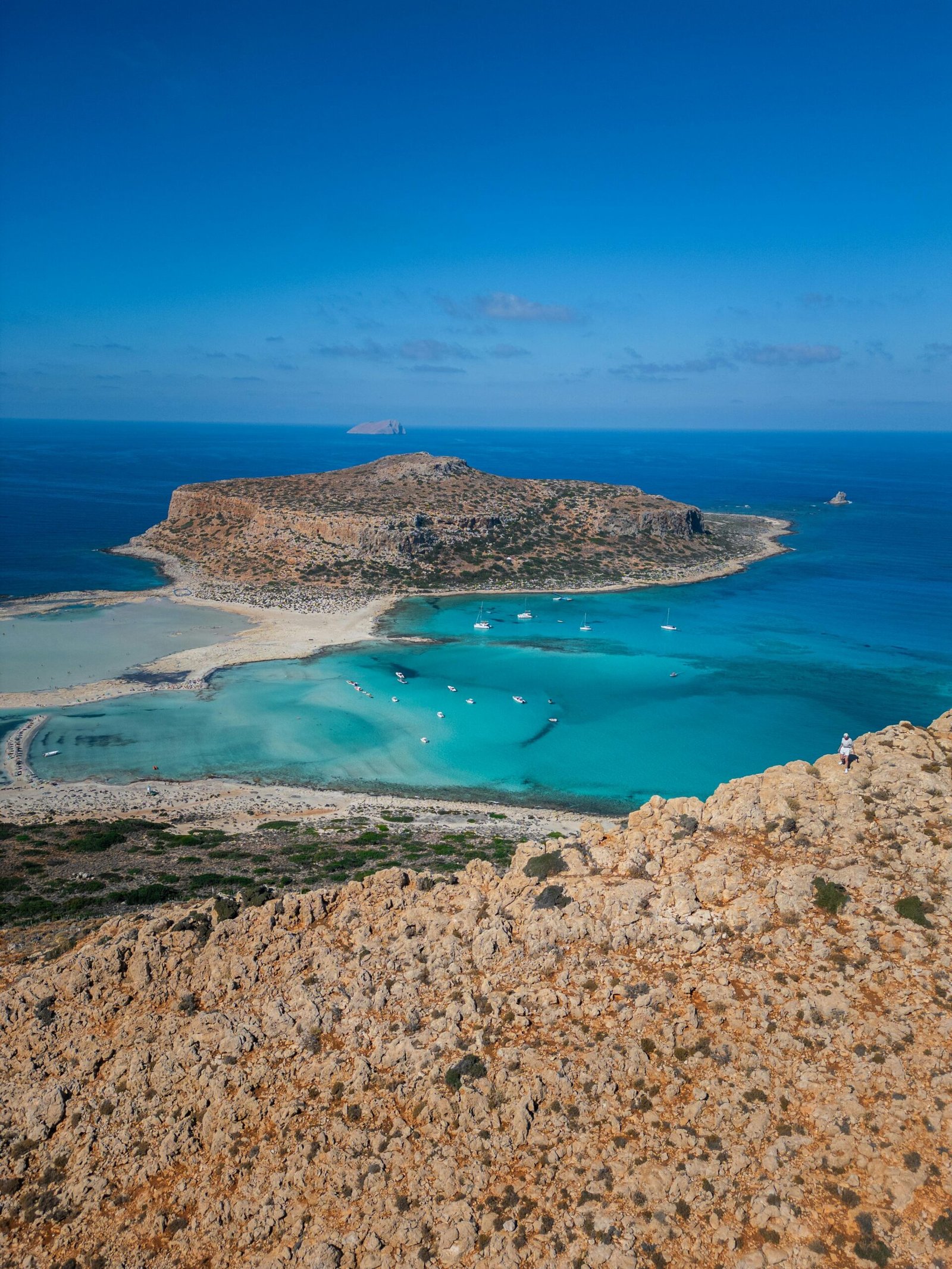
Crete Is Not One Destination, and Planning It Like One Is a Mistake. That is the first thing I tell people who assume they can treat the island like a neat, single-base holiday. Crete is too large, too varied, and too uneven for that kind of lazy planning.
The mistake is not wanting variety. The mistake is thinking the island will behave like a compact resort destination. It won’t, and if you ignore that, you end up wasting time, picking the wrong base, and missing the part of Crete that would have suited you best.
Crete Is Not One Destination, and Planning It Like One Is a Mistake
Crete Is Not One Destination, and Planning It Like One Is a Mistake, and the sooner travelers accept that, the better their trip gets. The island has distinct personalities, and they do not blend neatly into one generic holiday plan. If you try to flatten it into one experience, you usually get a diluted version of all of them.
What travelers consistently get wrong about Crete
The first mistake is choosing accommodation by price or photos instead of by the kind of Crete they actually want. A base in Chania gives a very different trip from a base in Heraklion, and a coastal stay near Elounda is not the same thing as being near Rethymno. People think they are buying convenience, then discover they have bought the wrong atmosphere.
The second mistake is underestimating scale. Crete Is Not One Destination, and Planning It Like One Is a Mistake because the island punishes vague assumptions. Travelers who build a trip around “seeing the whole island” in a short stay usually end up seeing too little of anything properly.
Crete behaves like several trips folded into one island
Chania is the polished, highly requested side of Crete, but even there the old town and the western coast pull in different directions. Rethymno sits in a useful middle ground for travelers who want a town with enough life but not the full pressure of Chania. Heraklion is more urban, more practical, and often dismissed too quickly by people who only want postcard streets.
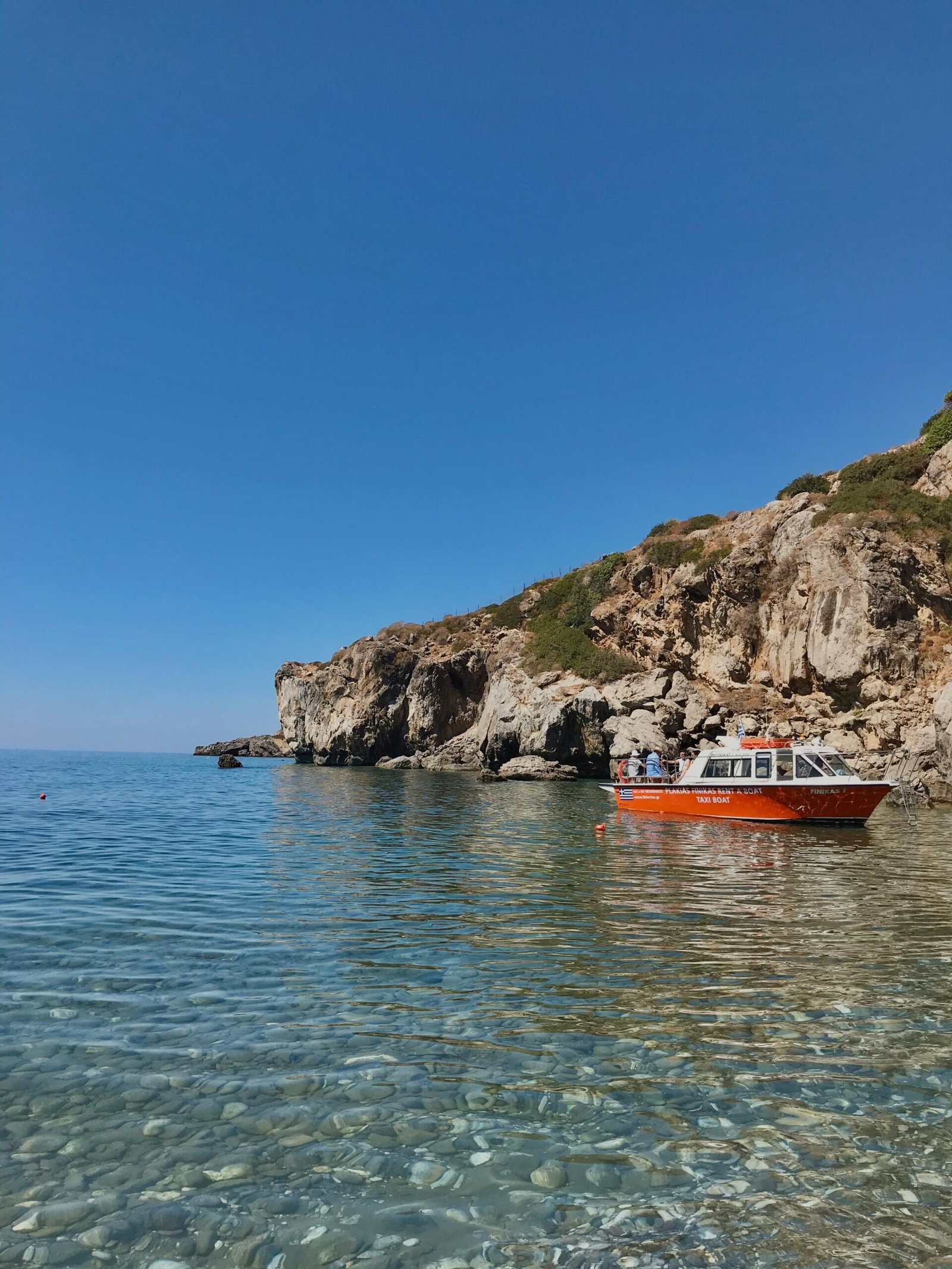
Then you have Elounda, which is a different category altogether: more resort-led, more controlled, and better for travelers who want comfort without much improvisation. In contrast, the south coast around Plakias feels looser and less packaged, which suits some travelers and bores others. This is why Crete Is Not One Destination, and Planning It Like One Is a Mistake is not a slogan; it is the basic planning reality.
Where each area actually fits
Chania works for travelers who want a strong first impression, better dining, and a base that feels easy to understand. Rethymno suits people who want a less aggressive version of that, with a more manageable scale and fewer decisions every day. Heraklion is the right choice for travelers who care more about access to culture and practical positioning than about a picture-perfect harbor.
Elounda is for travelers who want a high-comfort stay and are willing to accept that the area can feel curated rather than spontaneous. Plakias and the wider south coast appeal to travelers who dislike polished resort energy and want a quieter, less scripted experience. If you are planning a first-time Crete trip, these differences matter more than almost any hotel category.
For travelers who want to understand the island’s deeper cultural layer, official institutions matter more than random blog lists, and the Ministry of Culture is a useful reference point for what is actually protected, maintained, and worth building around.
The counterintuitive truth: the “best” base is often not the most famous one
Here is the part most people miss: the most famous base is often the worst fit for a short stay. Chania gets recommended so often that people assume it is automatically the answer, but for some travelers it becomes a traffic jam of dinner reservations, busy streets, and pressure to “do” the west. That is not a problem if you want energy; it is a problem if you want calm or flexibility.
Crete Is Not One Destination, and Planning It Like One Is a Mistake because the island’s value comes from matching the right base to the right style of trip. A quieter location can produce a better holiday than a famous one if it reduces friction and narrows your choices to what you actually care about. People call that compromise; experienced planners call it good judgment.
Who this suits, and who it does not
This suits: travelers who like variety, couples who want a strong base with a distinct mood, repeat visitors to Greece, food-focused travelers, and people who are comfortable choosing quality over “seeing everything.” It also suits travelers who want a trip with a clearer point of view rather than a generic island stay.
This does not suit: travelers who want one hotel to solve the entire trip, families who need every day to feel identical, and people who get frustrated when a destination does not behave like a compact resort zone. It also disappoints travelers who want the island to be simple in the way smaller Greek islands can be simple. Crete asks for better planning, and it exposes weak planning fast.
What you gain, and what you give up
You gain depth, range, and the chance to choose a trip that actually fits your travel style. You can have a city-leaning stay, a resort-leaning stay, or a quieter coastal stay, and each one changes the shape of the holiday in a meaningful way. That flexibility is the island’s real strength.
You give up ease, especially if you want to cover too much ground. You also give up the comfort of a one-size-fits-all recommendation. Crete Is Not One Destination, and Planning It Like One Is a Mistake because the trade-off is real: the better the fit, the more specific the planning has to be.
For travelers who want a broader sense of what Greece destinations are meant to do, the national tourism overview at
Visit Greece is a better starting point than generic listicles, because it frames destinations by character rather than by cliché.
Why expert help matters here
Most bad Crete plans are not dramatic failures. They are softer mistakes: the wrong area, the wrong pace, the wrong expectations, and a stay that feels slightly off from the start. That is exactly the kind of problem that experienced planning solves before it becomes expensive or annoying.
Crete Is Not One Destination, and Planning It Like One Is a Mistake is the sort of insight that saves travelers from building a trip around the wrong assumptions. If you want Crete to feel coherent, someone has to understand which version of the island you are actually trying to buy. That is where generic advice stops and real planning begins.
Most Greece trips follow the same tired script. The ones that don’t — the ones travelers still talk about years later — were built around a real understanding of how this country works. That kind of understanding takes time, or it takes someone who already has it.
Recommended experiences
Some experiences mentioned here are curated and managed by Elite Greece Travels.
- Best Of Greece Athens Paros Crete 7 Day Itinerary 6 Nights — Itinerary (managed by Elite Greece Travels).
- Athens Mykonos Santorini Crete Itinerary 9 Days — Itinerary (managed by Elite Greece Travels).
- Athens Santorini Crete Itinerary 7 Days — Itinerary (managed by Elite Greece Travels).
Frequently asked questions
Is Crete better as one base or multiple bases?
For most travelers, one base works only if the trip is short and the goal is a single style of stay. Crete is large enough that a single base can easily flatten the experience, so the right answer depends on whether you want depth or variety.
What is the biggest mistake first-time visitors make in Crete?
Choosing a base because it is famous rather than because it fits the trip. That usually leads to the wrong atmosphere, longer days than expected, and a holiday that feels less coherent than it should.
Which part of Crete is best for a first visit?
Chania is the most common first choice, but not always the best one. Rethymno, Heraklion, or Elounda can be better depending on whether you want culture, comfort, or a more balanced base.
Why do people underestimate Crete so often?
Because they treat it like a compact island with one personality. In reality, Crete changes a lot from west to east and from coast to coast, so generic advice breaks down quickly.
Is Crete good for travelers who want a quiet holiday?
Yes, but not everywhere. Some areas are busy and highly structured, while others feel much looser and less pressured, so the base choice matters more than most people expect.
What kind of traveler gets the most out of Crete?
Travelers who like making deliberate choices and do not need every day to look the same. Crete works best for people who value character, range, and a trip with some edge rather than a bland all-purpose holiday.