

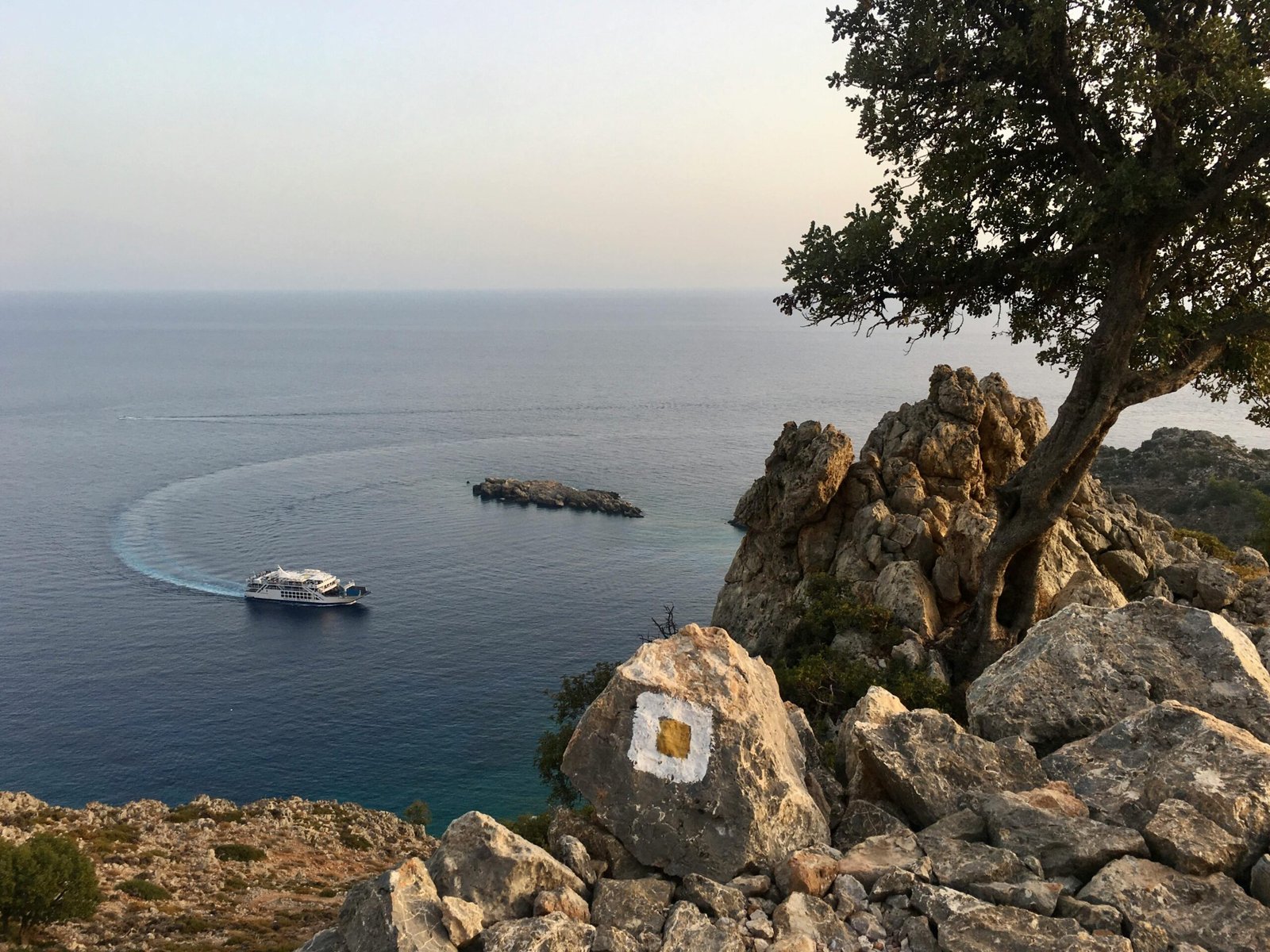
Crete Is Not One Trip: Why It Needs a Real Plan is not a slogan; it is the basic truth of traveling here. Crete is large enough to behave like several different destinations, and people who treat it like a simple beach island usually end up spending too much time moving around and not enough time enjoying the island itself.
The mistake is usually the same: travelers pick one base, assume everything is close, and then discover that Crete punishes vague planning. If you want a trip that feels coherent, you need to decide what kind of Crete you actually want before you book anything.
Crete Is Not One Trip: Why It Needs a Real Plan
Crete is not a compact island where you can improvise and still come out fine. It is a serious destination with real regional differences, and that means the wrong plan costs you time, energy, and often the kind of stay you thought you were buying. Crete Is Not One Trip: Why It Needs a Real Plan because the island only works when your expectations match the geography.
Why Crete punishes generic planning
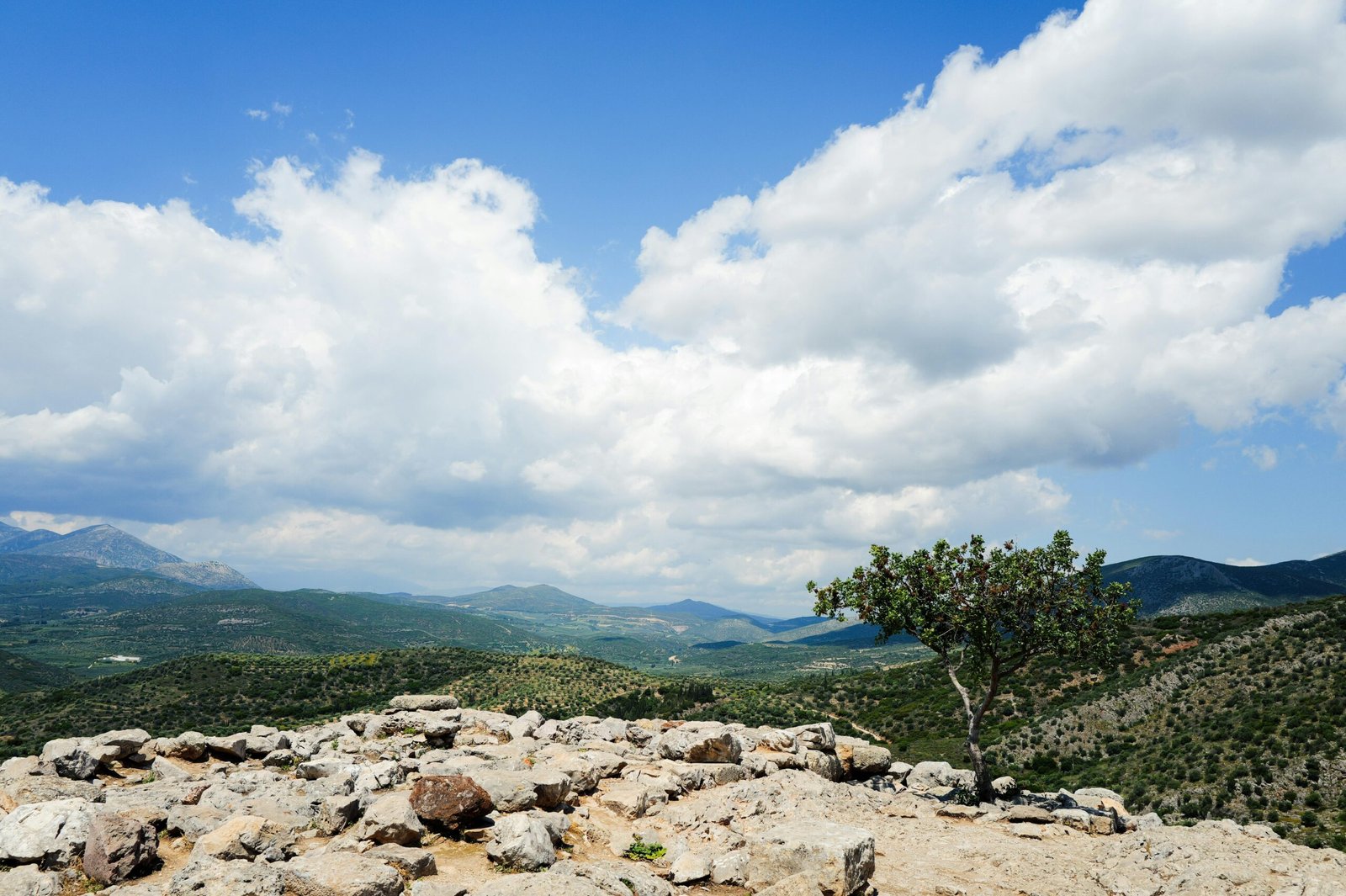
Most travelers get one thing wrong immediately: they assume Crete is mainly about beaches. That is a narrow view, and it leads to poor choices in both location and pace. The island has mountain villages, old towns, archaeological sites, long-distance coastal landscapes, and resort zones that attract completely different types of travelers.
The second mistake is trying to “see Crete” from one base without accepting the trade-off. Stay in Chania Old Town and you get atmosphere, dining, and a better overall feel for first-timers. Stay in Elounda and you get polished resorts and a more controlled luxury experience, but you lose the rougher, more local texture that makes western and central Crete interesting.
Crete Is Not One Trip: Why It Needs A Real Plan is especially true for families and couples who want a mix of beach time and cultural stops. If you do not define your priorities early, you end up with a trip that is neither restful nor particularly memorable.
Crete Is Not One Trip: Why It Needs A Real Plan in practice
Crete rewards travelers who choose a region with a clear purpose. Chania works for people who want a walkable base with strong dining and an easy sense of place. Rethymno suits travelers who want a smaller historic center without the intensity of a bigger city.
Heraklion is often underestimated because people see it as a transit point, which is lazy thinking. If you care about Knossos, museums, and a more urban rhythm, Heraklion makes sense. Agios Nikolaos is better for travelers who want a polished eastern Crete base, while Matala appeals to a narrower crowd that values vibe over convenience.
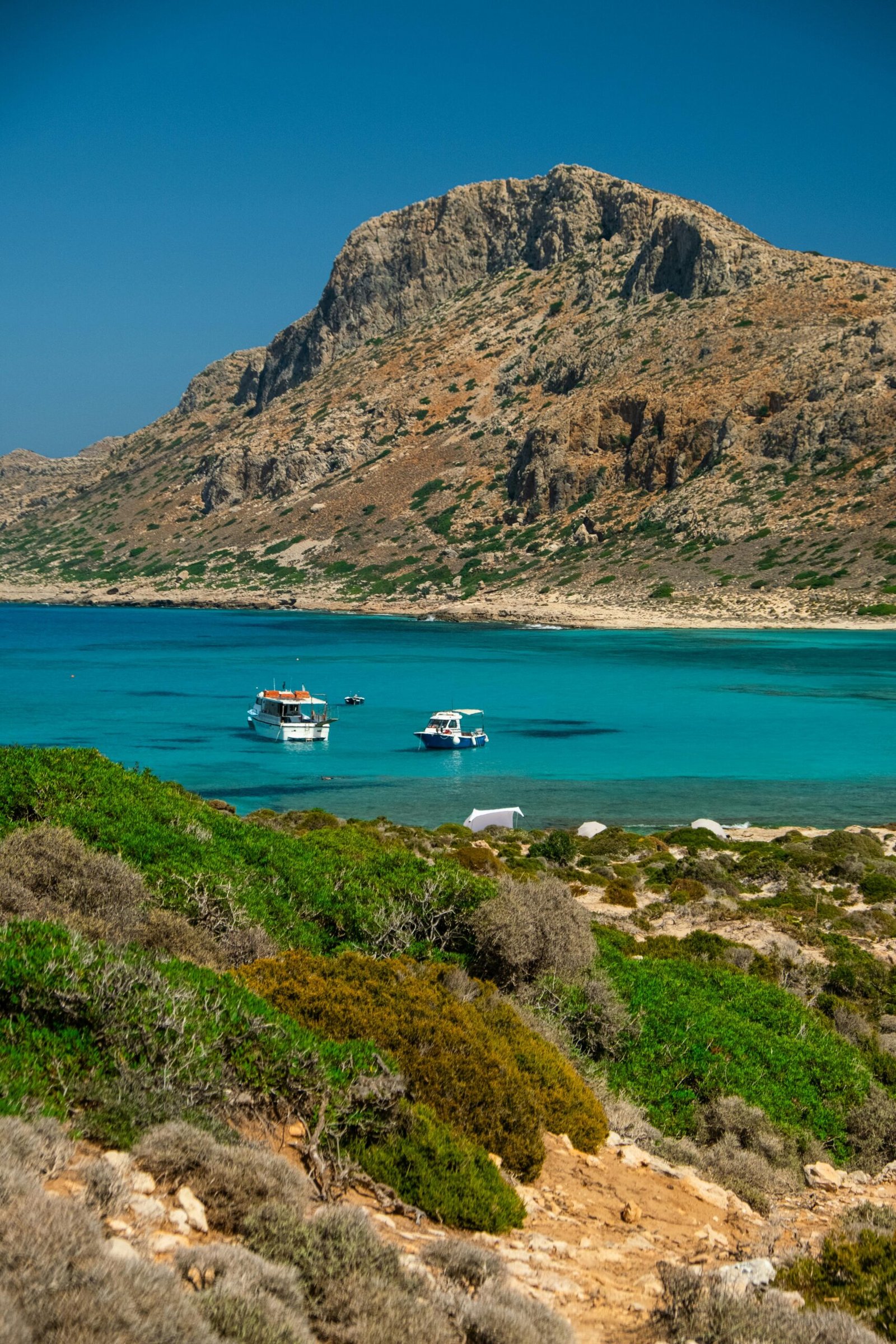
Then there is Elafonissi, which is where many people make a planning error. They treat it like a base area when it is better understood as a place to visit for a specific kind of day, not a whole-trip solution. That distinction matters because accommodation choice in Crete shapes the entire experience more than it does on smaller islands.
What travelers consistently underestimate
They underestimate scale. They also underestimate how much the island changes from west to east, and how different the south coast feels from the north coast. Crete Is Not One Trip: Why It Needs A Real Plan because the island does not behave like a single destination with one atmosphere.
They also underestimate seasonal pressure. July and August are not just busy; they change the quality of the trip. In those months, popular places can feel crowded in ways that make “relaxing” a weak assumption unless your plan is very deliberate.
A practical consequence of ignoring this is simple: travelers book a beautiful hotel in the wrong part of the island and then spend the trip chasing the version of Crete they should have stayed closer to in the first place. That is how a seven-night stay turns into a lot of driving and a surprisingly thin experience.
Who this suits
Crete suits travelers who want variety and are willing to make decisions. It works well for couples who care about food, design-forward stays, and a sense of place. It also suits repeat Greece visitors who are ready to move beyond the standard island formula.
It is a weaker fit for travelers who want one beach, one promenade, and no further thinking. If your ideal holiday is minimal movement and a very small footprint, Crete can feel oversized and inefficient. First-time Greece visitors who want easy island shorthand may be better served elsewhere.
- Best for: food-focused travelers, couples, culture-minded visitors, and people who like to split their time between different kinds of places.
- Not ideal for: travelers who want a tiny island, a single base with everything close, or a trip that can be improvised day by day.
A counterintuitive truth about Crete
The most “relaxing” Crete trip is often the one that includes less movement, not more. That sounds obvious, but most people do the opposite: they chase three regions, several beaches, and a list of famous stops, then wonder why the island feels tiring. Crete Is Not One Trip: Why It Needs A Real Plan because restraint usually produces a better trip than ambition.
Another surprise: some of the best stays are not near the most famous beaches at all. A good base in the right town can beat a dramatic location that looks better in photos but leaves you isolated from the parts of Crete that actually give the island depth. For travelers who want context, that matters more than having a sea view for the sake of it.
Where the real decisions get made
Chania Old Town, Rethymno Old Town, Heraklion, Elounda, Agios Nikolaos, and Matala are not interchangeable names on a map. Each one implies a different style of travel, a different level of convenience, and a different kind of compromise. That is why generic Crete advice fails so often.
If you want cultural depth, the island is stronger than most visitors expect, and official resources can help separate serious sites from filler. For a broader sense of what is actually worth your time, start with
Visit Greece and then filter aggressively based on your own pace and interests.
Crete Is Not One Trip: Why It Needs A Real Plan because the best version of the island is not the one with the longest checklist. It is the one where your base, season, and priorities all line up cleanly.
What you gain, and what you give up
A tailored Crete plan gives you better pacing, better location choices, and fewer wasted hours. You get more of the island you actually came for: food, culture, sea, or resort comfort, depending on your brief. You also reduce the common mistake of paying premium rates in a place that does not match your travel style.
The trade-off is that you cannot have everything in one stay. If you want both deep culture and easy beach time, you need to choose which matters more or accept a split focus. That is the real cost of Crete: not money, but indecision.
For travelers who want to go deeper into the island’s history and heritage, the Hellenic Ministry of Culture is a useful reference point, especially when you are deciding which sites deserve time and which ones are just names on a list.
Conclusion
Crete is one of the few Greek destinations where a generic plan actively works against you. If you treat it like a simple beach week, you will miss the point and probably overpay for the privilege. Crete Is Not One Trip: Why It Needs A Real Plan, and the travelers who accept that early are the ones who usually leave feeling they made the right choices.
Greece rewards travelers who arrive with a plan built around how they actually travel — not a generic template. The difference between a frustrating trip and a remarkable one often comes down to sequence, timing, and knowing which trade-offs matter for your situation.
Recommended experiences
Some experiences mentioned here are curated and managed by Elite Greece Travels.
- Best Of Greece Athens Paros Crete 7 Day Itinerary 6 Nights — Itinerary (managed by Elite Greece Travels).
- Athens Mykonos Santorini Crete Itinerary 9 Days — Itinerary (managed by Elite Greece Travels).
- Athens Santorini Crete Itinerary 7 Days — Itinerary (managed by Elite Greece Travels).
Frequently asked questions
Is Crete too big for a first trip to Greece?
Not too big, but it is too big for vague planning. First-time visitors do well in Crete when they choose one region and build the trip around that region’s strengths instead of trying to cover the whole island.
What is the biggest mistake people make when planning Crete?
They assume one base can handle everything. That usually leads to long days, too much movement, and a trip that feels fragmented instead of focused.
Which part of Crete is best for first-time visitors?
Chania is the most forgiving choice for many first-timers because it combines atmosphere, dining, and access to a range of experiences. It is not the only good choice, but it is the easiest one to get right.
Is Crete better for beaches or culture?
It is genuinely strong at both, but not in the same place. The mistake is expecting every base to deliver both equally well.
What kind of traveler gets the most out of Crete?
Travelers who like variety, food, history, and choosing a base with intention. Crete suits people who are comfortable making a few smart decisions instead of relying on luck.
When is Crete hardest to plan?
July and August. Availability tightens, popular areas feel busier, and poor location choices become much more expensive in practical terms.