


Crete Is Not One Destination — And That Is the Problem. It is the most common planning mistake I see: travelers treat Crete like a neat island weekend, then wonder why the trip feels rushed, segmented, and more tiring than expected.
This is not a small-island decision. Crete has real distance, distinct regions, and very different travel experiences from west to east and coast to interior. If you do not account for that early, you will waste time moving instead of actually seeing the island.
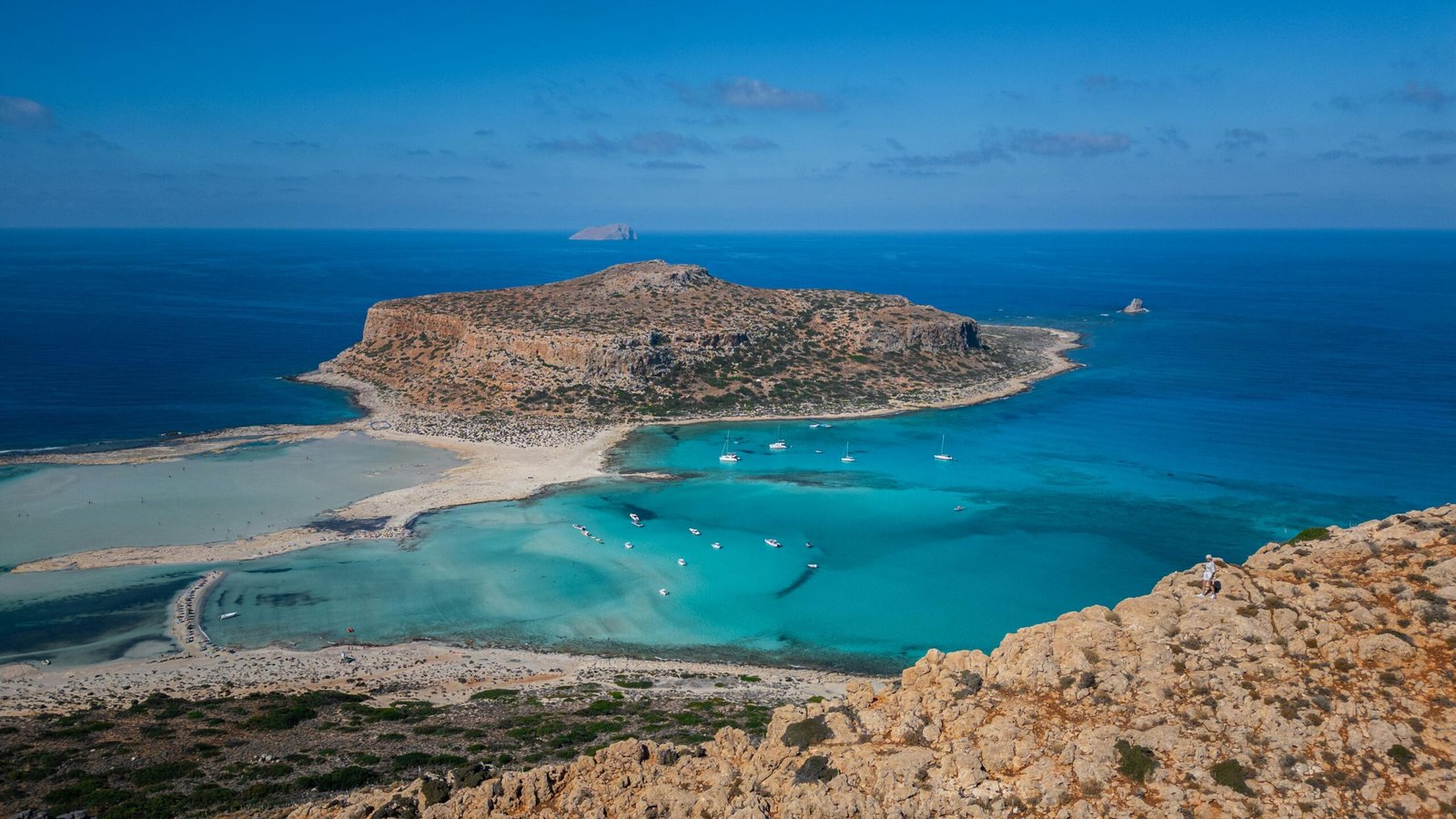

Crete Is Not One Destination — And That Is the Problem
Crete Is Not One Destination — And That Is the Problem because the island works against the way many travelers naturally plan. People want one base, one rhythm, and one clean list of sights. Crete rarely cooperates with that idea.
The island is large enough that a “Crete trip” can mean very different things: Chania and the west, Rethymno and the central corridor, Heraklion and the archaeological core, the south coast, or the far east around Agios Nikolaos and beyond. Those are not interchangeable choices. When travelers blur them together, they end up with long transfer days, too many check-ins, and a trip that feels like a series of obligations.
When Crete Is the Right Choice — and When It Is Not
Choose Crete if you want range. It is one of the few Greek islands where you can combine serious archaeology, proper beaches, mountain villages, urban energy, and food that is worth planning around. If you like variety and you are comfortable making trade-offs, Crete can be a very strong choice.
Do not choose Crete if your idea of a good trip is simple movement and low-friction logistics. First-time visitors who want a compact island with easy day trips often misread Crete completely. Crete Is Not One Destination — And That Is the Problem when your trip length is short and your expectations are built around a smaller island like Naxos or Paros.
I will be direct: if you only have a few nights and you want a relaxed, coherent holiday, Crete is usually the wrong island. You will spend too much of the trip orienting yourself, especially if you try to “see the whole island.” That phrase is a warning sign, not a strategy.
What Travelers Consistently Underestimate
Most travelers assume Crete is a beach island with a few ruins attached. Actually, it is a full region with different micro-destinations that behave like separate trips. That is why one traveler leaves talking about food and old towns, while another leaves annoyed by driving, distances, and missed reservations.
The biggest surprise is not size alone. It is the way the island forces decisions. If you stay in the west, you are making a different trip than someone based in Heraklion. If you chase famous beaches, you may sacrifice the cultural parts that make Crete worth the effort in the first place.
Crete Is Not One Destination — And That Is the Problem for travelers who book first and think later. They often discover too late that “central location” is a weak answer on a large island. Central on a map does not mean convenient in practice.
If you want a broader sense of how Greek destinations are categorized and promoted,
Visit Greece is useful as a starting point, but it will not tell you where the friction really is. That part comes from understanding how people actually move, stay, and overreach once they arrive.
The Trade-Off Matrix: Traveler Type, Season, and Style
Crete changes depending on who is traveling and when. A couple traveling in May with flexible goals can absorb more distance than a family in August. A food-focused traveler can tolerate more movement than someone who wants one beach base and minimal decision-making.
- Short stays: One region only. Anything else becomes a compressed sampler, not a proper trip.
- Long stays: Crete starts to make sense because you can divide the island without turning the holiday into a relay race.
- Peak summer: Crowds and heat magnify every planning mistake. Bad base choices feel worse.
- Shoulder season: Better for culture, driving, and slower travel. Still not a small island.
Travel style matters more here than on many Greek islands. If you like structure and moving around, Crete can work well. If you hate repacking, repeated check-ins, and long days built around transit, you need to be selective. Crete Is Not One Destination — And That Is the Problem, but it is also what makes it compelling for the right traveler.
Where the Trip Usually Breaks Down
The most common failure is trying to combine too many regions in too few nights. Travelers tell themselves they are being efficient, then lose entire days to movement and transitions. The result is not a rich island experience. It is a checklist with hotel keys.
Another mistake is assuming every part of Crete offers the same kind of holiday. It does not. Chania can feel polished and easy to settle into, Heraklion is more practical and culture-heavy, and the south coast is often more remote and less forgiving. Those differences matter when you are choosing where to sleep, eat, and spend your energy.
Crete Is Not One Destination — And That Is the Problem when travelers want a single base that magically solves everything. It rarely does. The right base depends on what you are prioritizing, and choosing the wrong one creates a chain reaction: longer drives, weaker evenings, and less time in the places you actually came to see.
For travelers who want to understand the island’s historical weight, official cultural context is worth a look through the Hellenic Ministry of Culture. That matters because Crete is not just scenery; it is one of the most layered cultural landscapes in Greece, and reducing it to beaches is a planning error.
Clear Guidance for the Most Common Scenarios
If you have 3 to 4 nights, pick one region and stay with it. Do not try to “do Crete.” That phrase usually means you will see too little of too much.
If you have 5 to 7 nights, you can pair two regions at most, but only if the trip has a clear purpose. Culture plus food, or beach plus town, is workable. Beach plus archaeology plus mountain villages plus multiple coastal bases is how people end up exhausted.
If you are traveling as a family, simplify aggressively. Crete can be excellent for families, but only when the daily movement is controlled. If you are traveling as a couple and you like variety, the island can be excellent as long as you accept that not every day will feel relaxed.
If you are a repeat visitor to Greece, Crete becomes more attractive because you already understand that Greek islands are not all built the same. First-timers often want a cleaner, easier introduction. Crete is a strong choice only when the traveler is ready for a bigger, more segmented island experience.
Bottom Line: Should You Choose Crete?
Choose Crete if you want a destination with substance, range, and enough depth to justify a longer stay. Skip it if you want a simple island holiday with minimal planning and easy geography. That is the honest answer, and it saves people from one of the most common Greek island disappointments.
Crete Is Not One Destination — And That Is the Problem, but once you accept that, the island becomes much easier to plan well. The mistake is not the island. The mistake is pretending it behaves like a smaller one.
Greece has a way of rewarding travelers who ask the right questions before they arrive. The travelers who leave disappointed usually asked the wrong ones — or didn’t ask at all.
Recommended experiences
Some experiences mentioned here are curated and managed by Elite Greece Travels.
- Best Of Greece Athens Paros Crete 7 Day Itinerary 6 Nights — Itinerary (managed by Elite Greece Travels).
- Athens Mykonos Santorini Crete Itinerary 9 Days — Itinerary (managed by Elite Greece Travels).
- Athens Santorini Crete Itinerary 7 Days — Itinerary (managed by Elite Greece Travels).
Frequently asked questions
Is Crete one destination or several different areas?
Several different areas. In practical terms, Crete behaves like multiple destinations with different logistics, atmospheres, and trip styles. Treating it like one compact island is the fastest way to overpack your itinerary.
How many nights do you need in Crete to make it worthwhile?
A short stay can work, but only if you focus on one region. Once you start trying to cover the island broadly, you need more time or the trip becomes fragmented and tiring.
What is the biggest mistake travelers make in Crete?
They try to see too much from one base. That usually creates long movement days, weak evenings, and a trip that feels more like transfer management than travel.
Is Crete good for a first trip to Greece?
Yes, but not for every first trip. It suits travelers who want range and are comfortable making choices. If you want an easy, compact Greek island introduction, Crete is usually too large and too varied.
Should I split my stay between different parts of Crete?
Only if your trip is long enough to justify it. Splitting stays can improve the experience, but for short trips it often creates more friction than value.
Which type of traveler is most likely to be disappointed by Crete?
Travelers who want a simple beach break with minimal planning. Crete can absolutely deliver beaches, but it is not efficient if that is the only thing you want.