

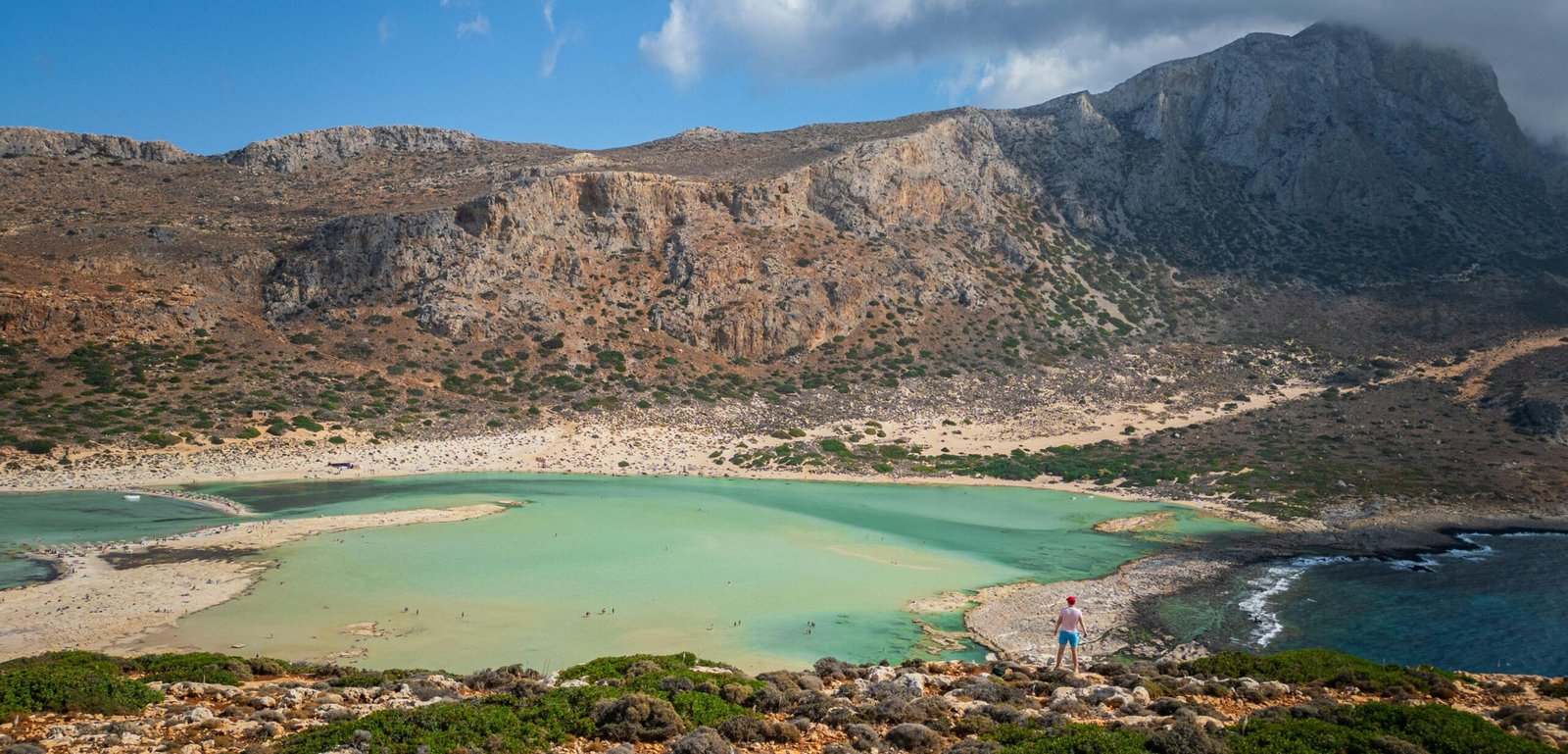
Crete Is Not One Vacation — It’s Three Different Greece Trips, and most travelers only realize that after they have already made the wrong booking choices. The island is large enough that a beach-focused stay, a culture-heavy stay, and a base for serious food and landscape travel can feel like separate trips.
The mistake is treating Crete like a compact island where everything fits into one neat plan. It doesn’t. If you want Crete to feel coherent instead of tiring, you need to choose which version of Crete you are actually coming for.
Crete Is Not One Vacation — It’s Three Different Greece Trips
Crete Is Not One Vacation — It’s Three Different Greece Trips, and that is not a marketing line. It is the practical reality of planning an island that can function as a resort break, a city-and-culture trip, or a slow, landscape-driven escape. Travelers who ignore that usually end up spending too much time moving around and too little time enjoying the island itself.
What most travelers get wrong about Crete Is Not One Vacation — It’s Three Different Greece Trips
The first mistake is assuming one base can “cover” Crete. That works badly here because the island’s character changes sharply from west to east and from coastal resort zones to inland towns. A couple staying in one place and trying to sample everything often comes home feeling they saw a lot of roads and very little of Crete.
The second mistake is underestimating how different the travel experience is between a polished resort area and a working city or old town. Chania, Rethymno, Heraklion, and places like Agios Nikolaos are not interchangeable. Each one attracts a different type of traveler, and each one creates a different pace.
The three Cretes most people actually experience
The first Crete is the western, easy-to-like version centered around Chania and its surrounding coast. This is where many first-timers go because the mix of Venetian-era streets, decent dining, and access to recognizable beaches makes planning feel straightforward. It suits travelers who want a comfortable, polished trip without needing to work hard for it.
The second Crete is the Heraklion side, which is more urban, more practical, and more culturally serious. This is the side that makes sense for travelers who care about museums, archaeology, and a less curated feel. It is also the side that most honeymoon-style visitors underestimate, because they assume “city” means “skip it,” which is a mistake.
The third Crete is the southern and eastern interior, where the island becomes slower, rougher, and more demanding in a good way. Places like Paleochora, Matala, and Agios Nikolaos each pull in different traveler types, but the common thread is that you are no longer buying a simple beach holiday. You are buying space, character, and a trip that asks for patience.
Places that change the whole plan
Chania is the obvious crowd-pleaser, but it is also where people make the mistake of staying too long in the old center and assuming the rest of the island will feel the same. Rethymno is more balanced and often a better fit for travelers who want a less hectic base without losing access to atmosphere. Heraklion is not glamorous, and that is exactly why it matters: it gives you access to the island’s cultural weight rather than just its postcard side.
Paleochora suits travelers who value a lower-key coastal rhythm and do not need constant entertainment. Matala is still pulled by its reputation, so it works best for people who already know what they want and are not expecting refinement. Agios Nikolaos is the most polished of the east-side bases, but it rewards travelers who are comfortable with a more contained, less sprawling experience.
If you are building a serious Crete trip, look at the island the way you would look at a mainland region, not a small island. That is the mindset that keeps expectations realistic and the trip coherent. For a useful official overview of the island’s cultural and regional context, start with
Visit Greece rather than relying on generic beach summaries.
Who this suits
This trip suits travelers who like choosing a base carefully, staying put long enough to understand it, and accepting that not every day needs to be a big excursion. It works well for couples, food-focused travelers, repeat Greece visitors, and families who prefer a predictable rhythm over constant movement. It also suits people who care about local character more than checking off famous names.
- Good fit: travelers who want one polished base, culture-first visitors, slow travelers, and people who enjoy decisive planning.
- Poor fit: first-time Greece visitors who want a tiny-island feel, travelers who hate driving or long transfers, and anyone who wants to “see all of Crete” in a short stay.
My clear position: if you are trying to combine beach time, archaeology, mountain scenery, and food travel in one short visit, Crete can easily become too much. You will spend more energy coordinating than enjoying. Crete works best when you choose one dominant purpose and let the other layers support it.
A counterintuitive truth about Crete
The surprising part is that the best Crete trips are often the least ambitious ones. Travelers who try to do the whole island usually remember the distances, not the experience. Travelers who commit to one region and understand what it does well usually come back saying Crete felt richer than expected.
That is because Crete is not impressive in a single dramatic way; it is impressive in how much variation it contains. You gain depth, better food choices, and a trip with real identity. What you give up is the illusion that one itinerary can cover everything without compromise.
Planning trade-offs that matter in real life
If you choose the wrong base, the whole trip gets softer around the edges. A traveler who wants culture but stays in a resort pocket near the coast will feel disconnected. A traveler who wants easy beach days but books a dense old-town stay may end up with too much noise, limited parking, and a daily routine that feels more like logistics than vacation.
This is also where people underestimate seasonality. Early summer and late summer can be excellent for Crete, but the island does not behave like a tiny Aegean stop where everything feels compact and simple. In peak months, the difference between a well-chosen base and a poorly chosen one becomes very obvious, especially for families and couples who need calm evenings.
For travelers who want the island’s cultural side done properly, the official heritage resources from the Hellenic Ministry of Culture are worth checking before you finalize your priorities. That matters because Crete’s value is not just in beaches; it is in how much history and regional identity it carries, and that should shape where you stay.
Crete Is Not One Vacation — It’s Three Different Greece Trips, and that is exactly why it frustrates travelers who want a simple template. The island is generous, but it is not forgiving of vague planning. If you match the base and the pace to the kind of trip you actually want, Crete becomes one of the strongest Greece decisions you can make.
Greece rewards travelers who arrive with a plan built around how they actually travel — not a generic template. The difference between a frustrating trip and a remarkable one often comes down to sequence, timing, and knowing which trade-offs matter for your situation.
Recommended experiences
Some experiences mentioned here are curated and managed by Elite Greece Travels.
- Best Of Greece Athens Paros Crete 7 Day Itinerary 6 Nights — Itinerary (managed by Elite Greece Travels).
- Athens Mykonos Santorini Crete Itinerary 9 Days — Itinerary (managed by Elite Greece Travels).
- Athens Santorini Crete Itinerary 7 Days — Itinerary (managed by Elite Greece Travels).
Frequently asked questions
Is Crete better for one base or multiple stops?
For most travelers, one strong base is better unless the trip is long enough to justify changing regions. Crete is large enough that weak bases create fatigue fast. If you do split time, keep the purpose clear: culture, beach, or slower southern travel.
Which part of Crete is best for first-time visitors?
Chania works best for many first-timers because it gives an easy mix of atmosphere, dining, and access to the west side. But it is not the best choice for every traveler. If culture matters more than scenery, Heraklion may be the smarter base.
What do travelers underestimate most about Crete?
They underestimate scale, especially how much the island changes from one region to another. They also underestimate how much the choice of base affects the entire mood of the trip. Crete is not a place where you can improvise everything and still get a coherent result.
Is Crete good for a beach holiday?
Yes, but only if you choose the right part of the island and accept that some of the best beach areas are not the same as the most convenient bases. Travelers who want a pure beach break should plan around that priority instead of expecting the whole island to behave like a resort zone.
Who should avoid Crete?
Travelers who want a tiny-island feel, minimal planning, and very short distances may find Crete more work than they want. It is also not ideal for people who dislike being decisive about where to stay. Crete punishes vague expectations.
What is the biggest planning mistake on Crete?
Picking a base for the wrong reason. People often choose a place because it looks famous or easy online, then discover it does not match their actual travel style. That is how a trip becomes tiring instead of satisfying.