

Crete Is Not One Island Experience — That’s the Planning Problem, and it is the main reason so many first-time visitors leave feeling they only half-used the island. Crete is not a neat, compact destination where one base solves everything. It is a large island with distinct west, central, and east personalities, and the wrong plan wastes time fast.
The common mistake is treating Crete like a single beach holiday with a few ruins attached. That approach misses the point, and it also creates bad sequencing, weak hotel choices, and too much time spent compensating for distance instead of actually enjoying the place.
Crete Is Not One Island Experience — That’s the Planning Problem
Crete Is Not One Island Experience — That’s the Planning Problem, and anyone selling it as a simple one-base island stay is oversimplifying it. The island is too large, too varied, and too regionally different for a generic plan to work well. You need to think in terms of travel style, not just destination name.
My clear position: if you are coming to Crete for one week or less, you should stop pretending you can “see Crete” in a broad, balanced way. You can see a side of Crete, maybe two if you are disciplined, but trying to do all of it usually produces a rushed, shallow trip. That is not a Crete problem; that is a planning problem.
Crete Is Not One Island Experience — That’s the Planning Problem in practice
West Crete and east Crete feel like different islands in daily life. Chania has a more polished visitor setup, stronger restaurant scene, and easier appeal for travelers who want a softer landing. Rethymno sits in the middle with a more balanced, less aggressively packaged feel, while Heraklion is the practical center, not the romantic one.
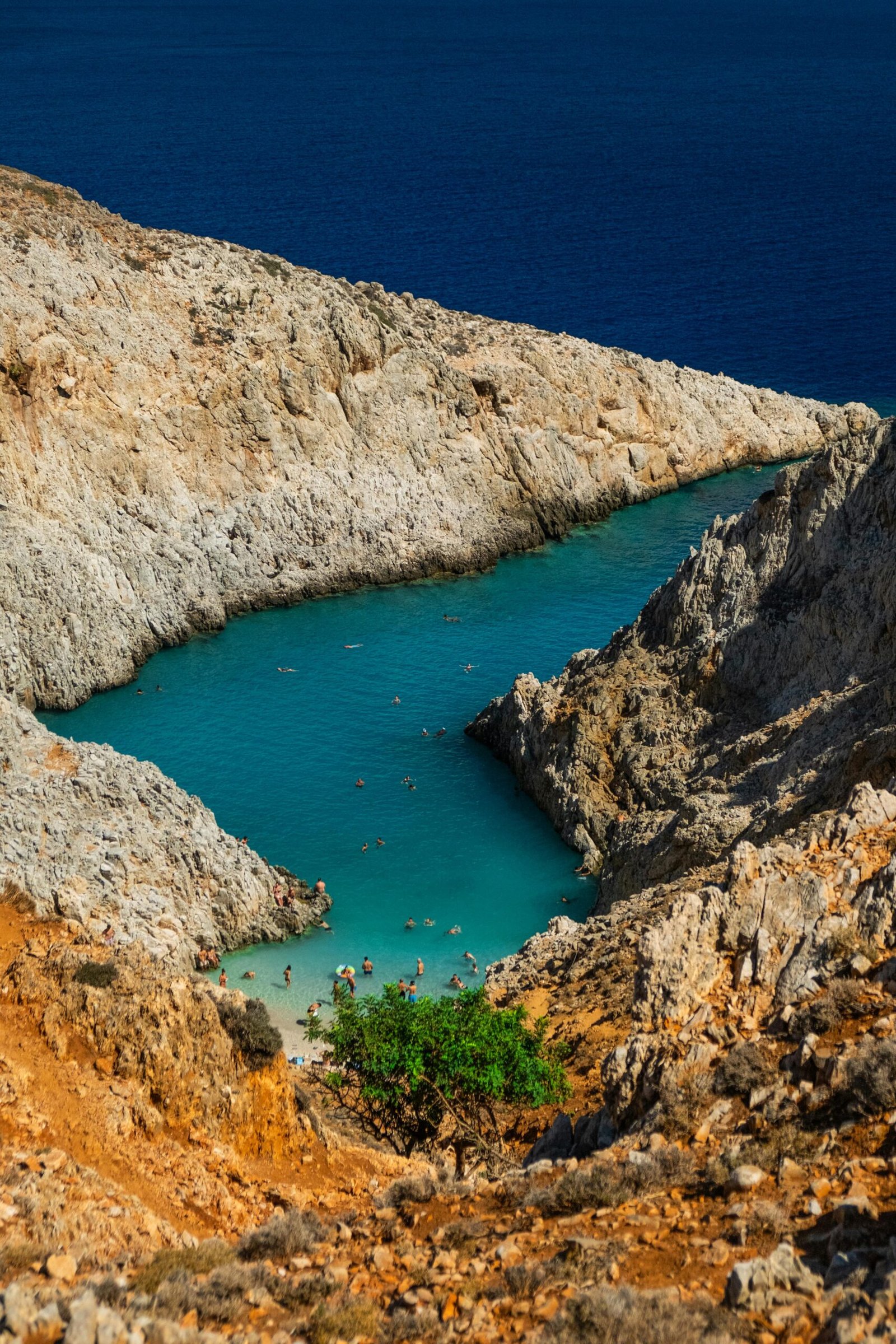
Then there is the south coast, which attracts travelers who want space, stronger weather exposure, and a more self-directed pace. Elounda and Agios Nikolaos in the east pull in a different crowd again: more upscale, more resort-oriented, and often better for travelers who care about comfort over wandering around aimlessly. Crete Is Not One Island Experience — That’s the Planning Problem because each of these areas answers a different travel question.
What travelers consistently get wrong
The first mistake is assuming one base can cover the island in a meaningful way. That is how people end up spending too much of their trip in transit-style movement and too little time in the places they actually wanted to experience. Crete is large enough that “just stay somewhere central” is not smart advice unless you have a very narrow plan.
The second mistake is underestimating how different the island feels by season. A beach-focused plan in the shoulder season can be fine in the north, while the south can feel more exposed and less forgiving. Travelers who ignore that often book for a coastline mood that does not match the month they are visiting, then wonder why the trip feels off.
Another frequent error is choosing accommodation by price alone and ignoring the actual neighborhood. In Chania, staying too far from the core adds friction. In Heraklion, some travelers expect a relaxed resort feel and get a city stay instead. In Elounda, people sometimes overpay for a polished base when they really wanted more local variety.
Places that change the trip completely
Chania is the easiest sell, but it is not automatically the best choice for everyone. It suits travelers who want attractive old-town energy, good dining, and a base that feels immediately usable. It is weaker for people who want a rawer, less curated version of Crete.
Rethymno is often overlooked because it sits between two stronger brands, which is exactly why it works for some travelers. It gives you a more measured pace and a less crowded feel than Chania at peak times. For travelers who dislike overhyped destinations, that matters more than glossy marketing.
Heraklion is the most misunderstood city on the island. It is not where you go for atmosphere first; you go because it is the island’s working center and because serious travelers sometimes need that practicality. If you want to understand Minoan history properly, the
official Greece tourism site is a better starting point than random blog summaries, because too many people reduce the island’s history to one museum stop and move on.
Elounda is for travelers who want a more controlled, upscale stay and are happy to trade spontaneity for comfort. Agios Nikolaos has more everyday life around it and feels less sealed off. The south coast, including places like Plakias and Paleochora, suits travelers who value space and a looser rhythm, but they need to accept that convenience is not the main attraction there.
For culture-heavy travelers, Knossos is not the whole story, and treating it that way is lazy planning. Crete’s archaeological value is broader than one headline site, and the Greek Ministry of Culture is the right place to start if you want the official framework instead of recycled tourist shorthand.
The counterintuitive truth about Crete
Here is the part most travelers do not expect: the people who enjoy Crete most are often the ones who do less. They choose one region that fits their style and let the island be selective. That sounds limiting, but it usually produces a better trip than a frantic attempt to “cover” the island.
Crete Is Not One Island Experience — That’s the Planning Problem because breadth is not the same as value. A traveler who stays in the right part of Chania or the right part of the south coast can have a stronger trip than someone who moves around constantly and keeps resetting their energy. The island rewards focus more than ambition.
Who this suits
This suits travelers who like to choose a lane and commit to it: food-led couples, beach travelers who care about setting, culture-focused visitors, and repeat Greece travelers who already know they do not need to “do everything.” It also suits people who are comfortable making trade-offs and do not need every trip to be a checklist.
- Best for: couples, independent travelers, repeat visitors, food-focused trips, and people who want one strong base.
- Not ideal for: first-timers who want a fast sampler of the whole island, highly mobile travelers, or anyone who hates making regional choices.
It does not suit travelers who want a single resort formula and expect the island to do the rest. Crete will give you a lot, but it will not organize itself around vague expectations.
Honest trade-offs you need to accept
If you choose Chania, you gain easier appeal, a stronger dining scene, and a more immediately satisfying base. You give up some of the rawness and variety that comes from moving deeper into the island’s less packaged regions.
If you choose the south coast, you gain space, breathing room, and a less polished feel that many experienced travelers prefer. You give up convenience, density, and the kind of easy strolling that some visitors assume every Greek island should provide.
If you choose the east, especially Elounda or Agios Nikolaos, you gain comfort and a more controlled environment. You give up some spontaneity and, in some cases, the stronger sense of discovery that travelers want but rarely plan for correctly. Crete Is Not One Island Experience — That’s the Planning Problem, and the trade-off is always the same: better fit or broader coverage, rarely both.
What a generic plan gets wrong
A generic Crete plan usually tries to be fair to every region and ends up being good for none of them. That is how travelers wind up in the wrong base, with too much driving or too much compromise, then blame the island for a trip that was misdesigned from the start. The island did not fail them; the planning logic did.
Crete works best when the base matches the traveler type and the season matches the region. That sounds obvious, but most mistakes happen because people copy a broad template and assume the island will fill in the gaps. It will not.
Conclusion
Crete is one of Greece’s most rewarding places for travelers who understand that scale matters. The island gives you real choice, but choice only helps when you know what kind of trip you actually want. Crete Is Not One Island Experience — That’s the Planning Problem, and once you accept that, the island becomes much easier to plan well.
Greece rewards travelers who arrive with a plan built around how they actually travel — not a generic template. The difference between a frustrating trip and a remarkable one often comes down to sequence, timing, and knowing which trade-offs matter for your situation.
Recommended experiences
Some experiences mentioned here are curated and managed by Elite Greece Travels.
- Best Of Greece Athens Paros Crete 7 Day Itinerary 6 Nights — Itinerary (managed by Elite Greece Travels).
- Athens Mykonos Santorini Crete Itinerary 9 Days — Itinerary (managed by Elite Greece Travels).
- Athens Santorini Crete Itinerary 7 Days — Itinerary (managed by Elite Greece Travels).
Frequently asked questions
Why is Crete harder to plan than other Greek islands?
Because it is much larger and more regionally varied than most islands travelers compare it to. A plan that works in Chania may be a poor fit for the south coast or the east.
What do most first-time visitors get wrong about Crete?
They try to treat it like one unified island experience and choose accommodation without enough attention to region. That usually leads to wasted time and a trip that feels less coherent than it should.
Which part of Crete is best for a first visit?
For many travelers, Chania is the easiest first-time base because it is straightforward and has broad appeal. That said, it is not the best choice for every traveler type, especially those who want a quieter or more local feel.
Is Crete better for one base or multiple bases?
For short trips, one well-chosen base usually works better than trying to cover too much. Multiple bases can make sense for longer stays, but only if the traveler understands the island’s regional differences.
What kind of traveler may be disappointed by Crete?
Travelers who want a small-island feel everywhere, or who dislike making regional trade-offs, often struggle with Crete. It is too large and varied to behave like a simple beach destination.
What is the biggest planning mistake with Crete in peak season?
Booking a base that looks convenient on paper but is badly matched to the region’s actual pace and crowd patterns. That often creates congestion, long transfer times, and a weaker overall trip.