

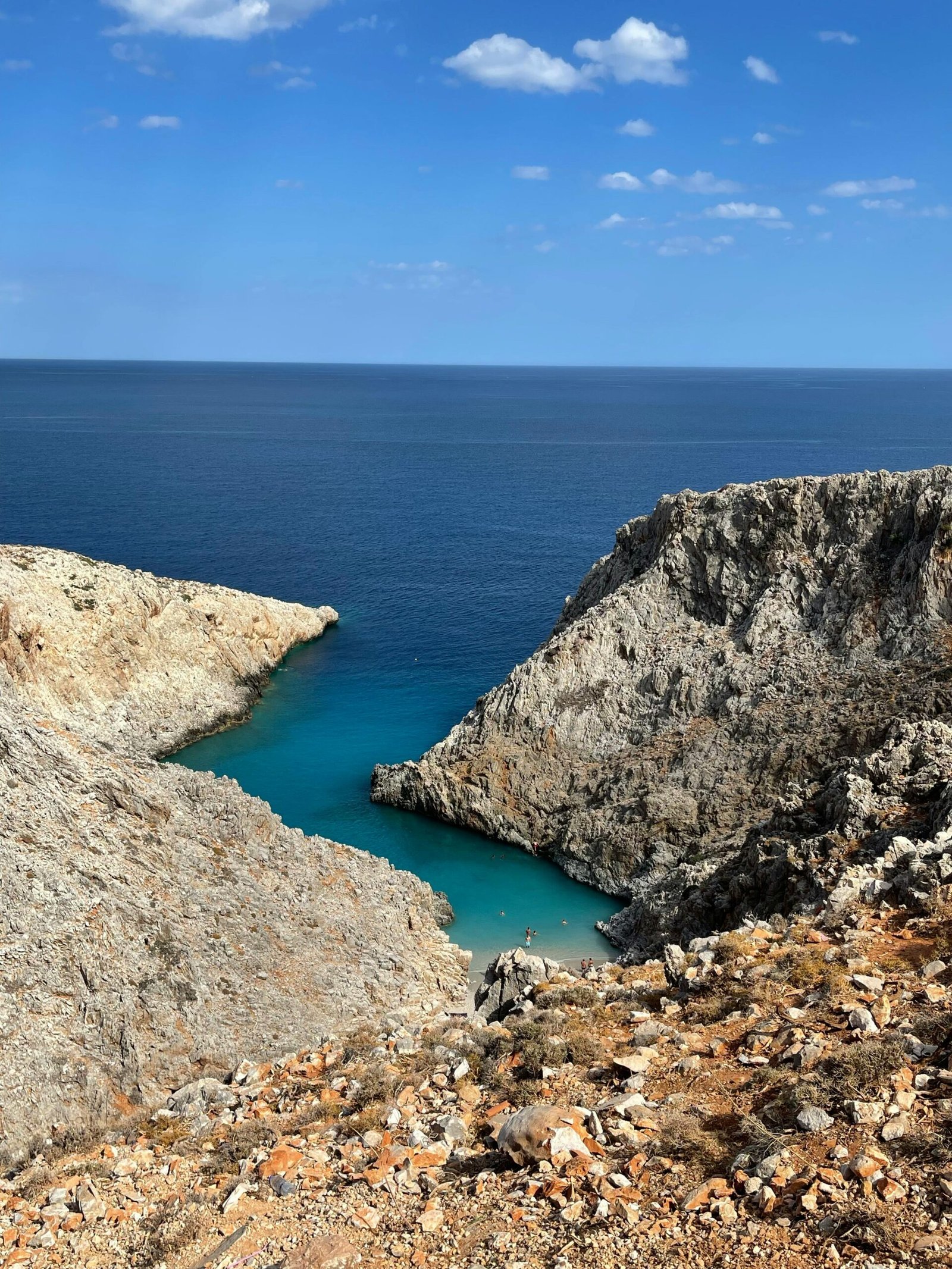
Crete Is Not One Island Experience: That’s Exactly the Problem, and the sooner travelers accept it, the better their trip gets. Crete is not a compact island you can “cover” in a few neat days; it is a large, varied place where the west, center, and east can feel like different vacations.
The mistake I see constantly is people choosing Crete for the wrong reason: they want one simple Greek island and assume the island will organize itself around that idea. It won’t. If you plan it like a single-destination beach break, you can end up spending too much time in the wrong base and too little time in the part of Crete that actually fits your style.
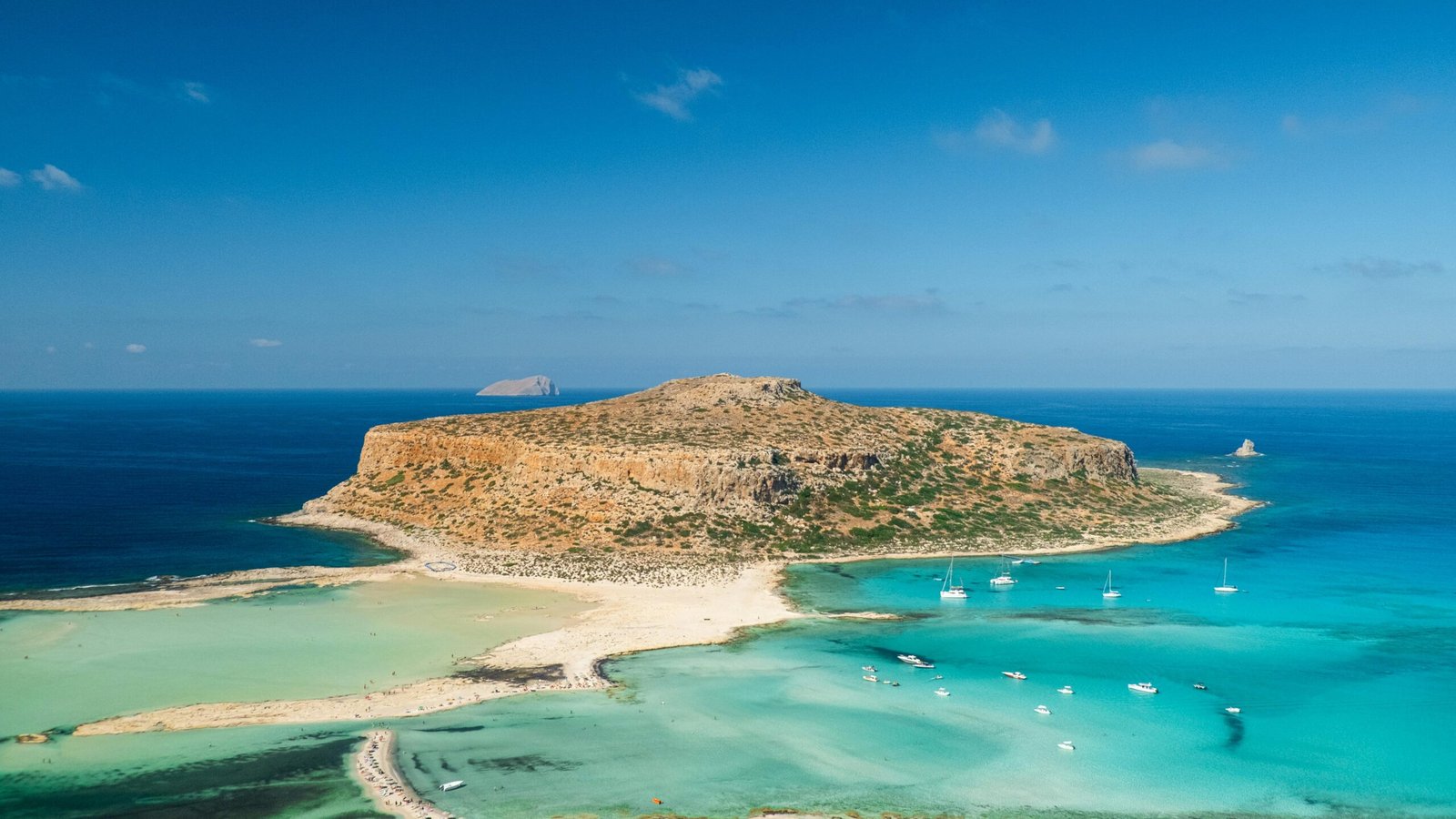
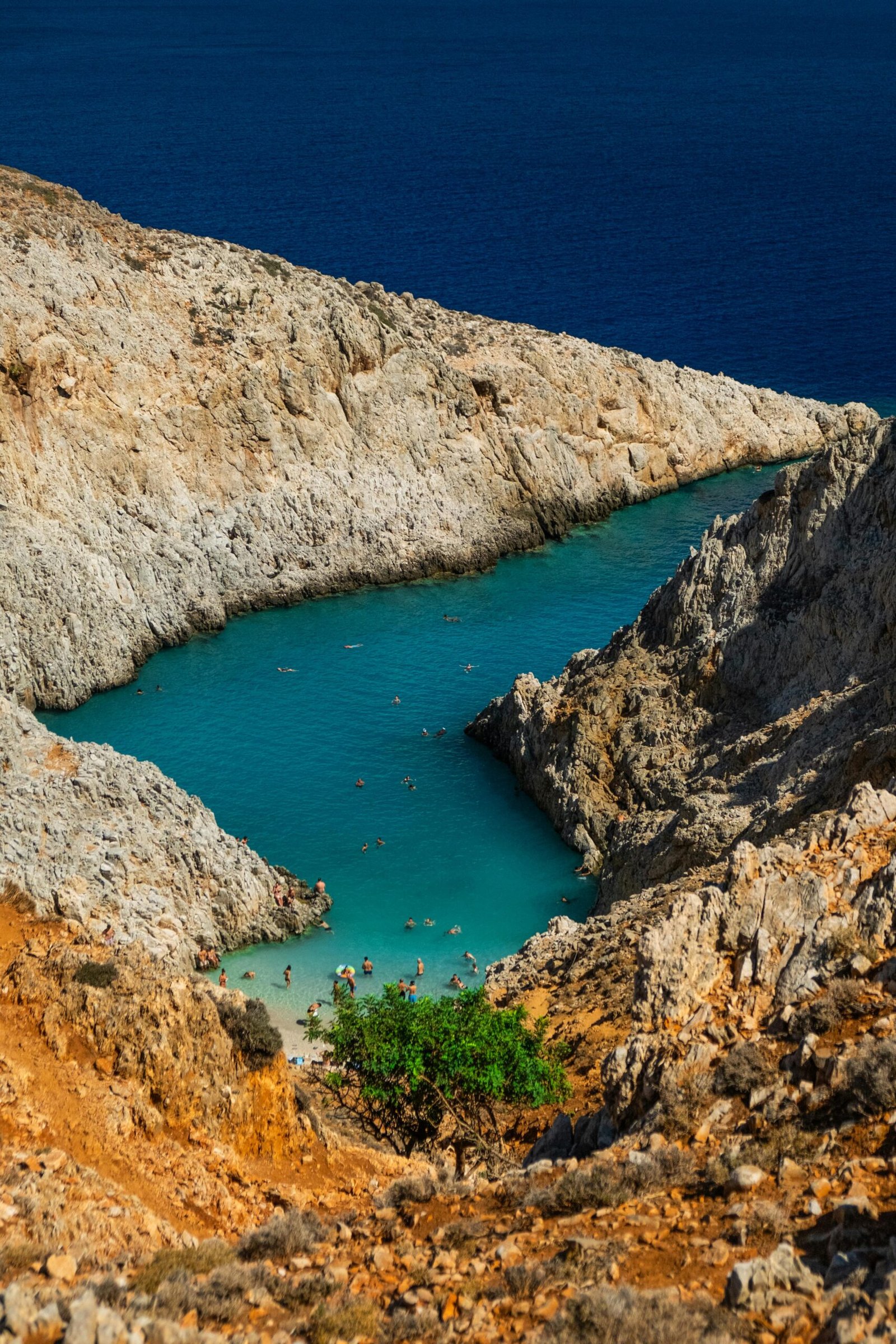
Crete Is Not One Island Experience: That’s Exactly the Problem
Crete Is Not One Island Experience: That’s Exactly the Problem, and that is not a marketing slogan — it is the central planning issue. Crete can deliver a polished resort holiday, a food-focused trip, a beach trip, a walking-heavy escape, or a culture-first stay, but trying to force all of that into one short visit usually produces a diluted version of each.
My position is simple: if you do not choose Crete with a clear regional focus, you are likely to waste the island’s biggest advantage. Greece rewards travelers who arrive with a plan, and Crete punishes vague planning more than most places in the country.
Crete Is Not One Island Experience: That’s Exactly the Problem for first-time planners
Most travelers get the scale wrong. They look at a map, see one island, and assume the distances are manageable in the same way they are on smaller islands like Naxos or Paros. Crete does not work that way, and the cost of that misunderstanding is usually a trip that feels rushed, fragmented, or oddly shallow.
The second mistake is treating “Crete” as one interchangeable beach destination. The west around Chania draws a very different traveler from the east around Agios Nikolaos, and the interior has its own rhythm entirely. If you want a polished, easygoing base, you need to think regionally, not generically.
What the island actually feels like in different places
Chania Old Town is the classic entry point for travelers who want atmosphere, dining, and a base that feels intuitive. It is popular for a reason, but popularity changes the experience: in peak months it can feel busy, expensive, and less relaxed than first-time visitors expect.
Rethymno is often the smarter compromise for travelers who want a smaller-city feel without giving up access to a proper town center. Elounda is more controlled and upscale, which suits visitors who care more about comfort and service than wandering around late into the evening. Agios Nikolaos works for people who want a neat, contained base and are fine with a more resort-adjacent rhythm.
Heraklion is the least romantic choice and, in many cases, the most practical one for culture-oriented travelers. It is also the base most people underestimate because they compare it to island towns instead of to a functioning city with museums, traffic, and a different energy. In the south, Paleochora appeals to travelers who want a more low-key, less polished coast; it is not for people who need a lot of evening variety.
Two things travelers consistently get wrong
First, they overpack their wish list. They want beaches, ruins, food, mountain villages, and “a bit of everything,” then they choose one base and expect the island to behave like a small city with easy access to all of it. That is how people end up spending more time in transit than in the places they actually came to see.
Second, they choose accommodation by price instead of by location logic. In Crete, the wrong base can quietly ruin a trip: a cheap hotel outside the center may save money, but it often creates friction every single day. That friction matters more here because the island is large enough that small planning errors compound fast.
Who this suits
Crete suits travelers who are comfortable making a choice and living with it. It works well for couples, food-focused visitors, repeat Greece travelers, families who want a stable base, and anyone who cares more about depth than ticking off a list of sights.
It does not suit travelers who want one easy, all-purpose island with no trade-offs. If you need short distances, low decision-making, and a simple “wander out of the hotel and see what happens” structure, Crete can feel like work. It also frustrates people who want to move around constantly but dislike the consequences of long internal distances.
A surprising truth about Crete
Crete Is Not One Island Experience: That’s Exactly the Problem, but it is also the reason the island is so often misunderstood. The counterintuitive part is that a shorter, more focused Crete trip is usually better than a longer one that tries to “see the whole island.”
That sounds backwards to travelers who equate value with coverage. In Crete, more movement does not automatically mean more experience; very often it means less time enjoying the places that actually suit you. A traveler who chooses Chania and the surrounding west coast deliberately will often come home with a better trip than someone who tries to stitch together too many regions.
Trade-offs you need to accept before you book
If you choose Crete for variety, you gain range, depth, and the ability to build a trip around your priorities. You can have serious food, real towns, strong cultural sites, and beaches that are not all cut from the same cloth. That is a real advantage, and it is why Crete is one of Greece’s most complete destinations.
What you give up is simplicity. Crete asks for judgment calls: west or east, town or resort, culture or coast, slower pace or broader coverage. If you ignore those decisions, the island will still give you a trip, but not necessarily the one you thought you were buying.
How to think about planning Crete properly
Start by deciding what kind of trip you actually want, then choose the region that supports it. If your priority is a lively but manageable base with strong dining, Chania is usually the safest bet. If you want a more balanced town experience, Rethymno deserves serious consideration. If you want polished comfort, Elounda is the more controlled option.
For travelers who care about culture, Crete’s museums and archaeological sites matter more than they first realize, and the island’s historical weight is not a side note. If you want a useful official reference point while planning, the Ministry of Culture is a better starting place than random listicles that flatten everything into “best beaches.”
Crete Is Not One Island Experience: That’s Exactly the Problem, and that is exactly why generic planning fails here. The island rewards people who make a clear choice and stop trying to make one base do every job at once.
Conclusion
Crete is one of the easiest places in Greece to get wrong and one of the most rewarding places to get right. The difference is rarely budget; it is almost always structure, sequencing, and whether the traveler understood that Crete is a region-sized destination, not a neat little island escape.
If you want a broader official overview of Greece while you narrow your focus,
Visit Greece is useful for context, but the real work is deciding what kind of Crete trip you actually want. Most Greece trips follow the same tired script. The ones that don’t — the ones travelers still talk about years later — were built around a real understanding of how this country works. That kind of understanding takes time, or it takes someone who already has it.
Recommended experiences
Some experiences mentioned here are curated and managed by Elite Greece Travels.
- Best Of Greece Athens Paros Crete 7 Day Itinerary 6 Nights — Itinerary (managed by Elite Greece Travels).
- Athens Mykonos Santorini Crete Itinerary 9 Days — Itinerary (managed by Elite Greece Travels).
- Athens Santorini Crete Itinerary 7 Days — Itinerary (managed by Elite Greece Travels).
Frequently asked questions
Is Crete too big for a first trip to Greece?
No, but it is too big to treat casually. First-time travelers do well in Crete when they choose one region and stop trying to turn the island into a sampler platter.
Which part of Crete is best for a first-time visitor?
For most first-timers, Chania is the easiest sell because it gives you a strong base with good dining and a recognizable old town. Rethymno is a strong alternative if you want something a little less obvious.
What do travelers underestimate most about Crete?
They underestimate the scale and the way regional differences change the whole trip. A bad base choice in Crete is not a minor inconvenience; it changes the daily experience.
Is Crete better for beaches or culture?
It is genuinely strong for both, which is part of the problem for planners. If you try to do both equally, you often end up doing neither well.
Which travelers should avoid trying to cover all of Crete?
Travelers who dislike long days, frequent changes of base, or making hard choices should not try to cover the island broadly. They will usually enjoy Crete more by narrowing the focus.
What is the biggest planning mistake with Crete?
Choosing accommodation or a base before deciding what kind of trip you want. In Crete, that mistake creates avoidable friction and often leads to a trip that feels busier than it should.