

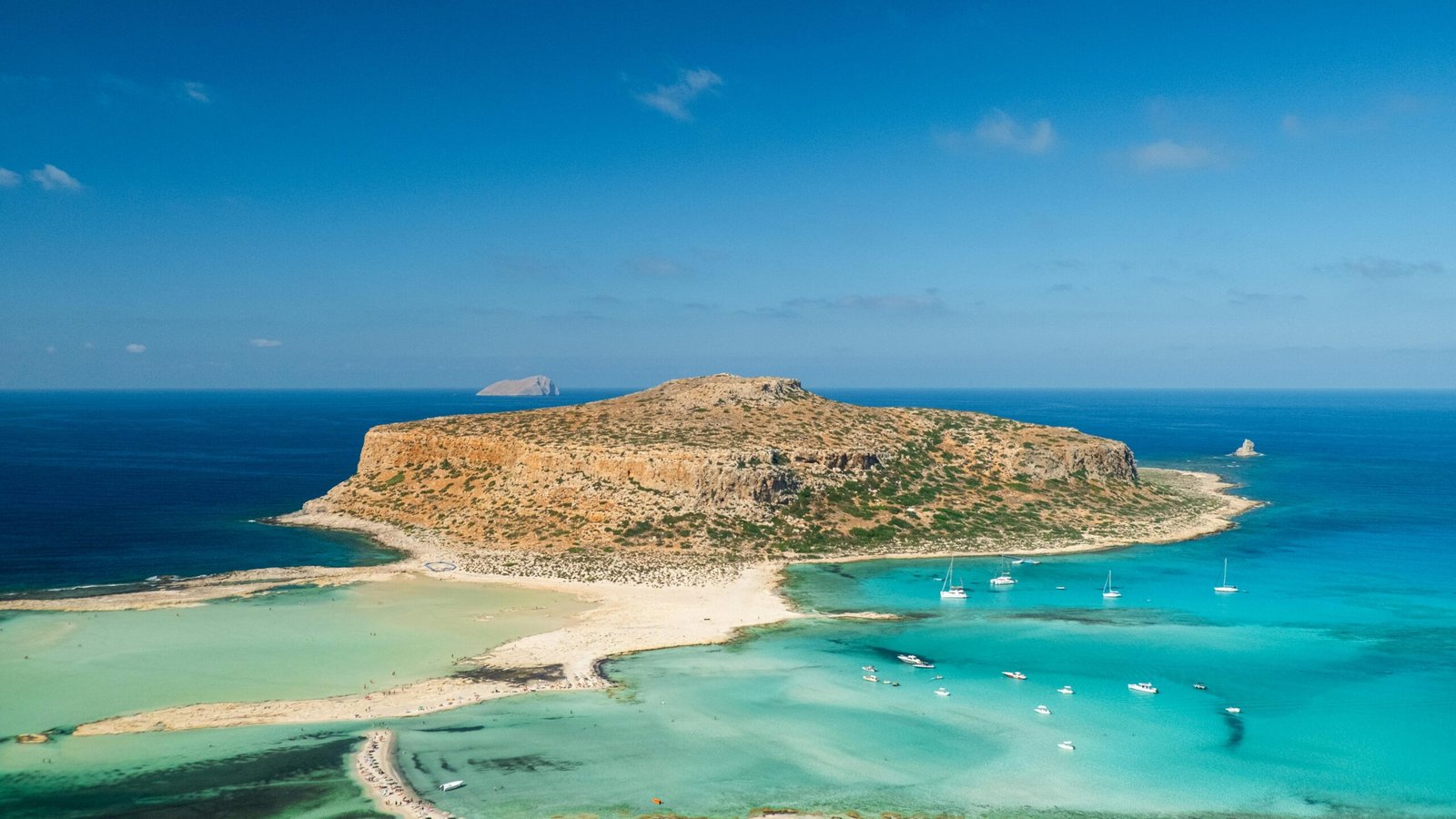
Crete Is Not One Trip — It’s Three Very Different Greece Trips, and treating it like a single island experience is where most planning goes wrong. Crete is big enough to behave like separate destinations, with different rhythms, different coastlines, and very different expectations for comfort, pace, and scenery.
The mistake is not loving Crete. The mistake is assuming one base or one style of trip can cover it all without compromise. If you want the island to work for you, you need to decide which version of Crete you actually want.
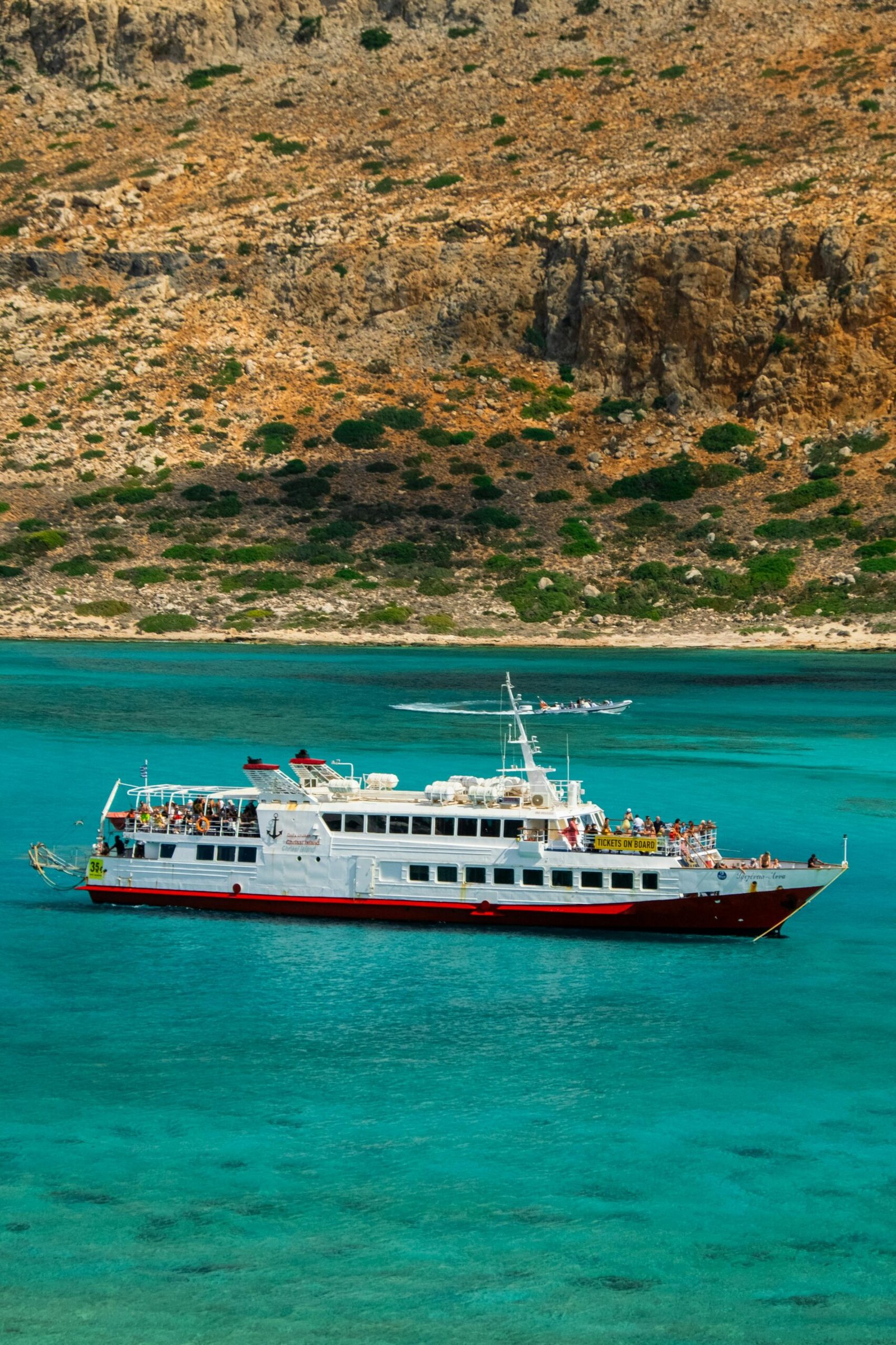
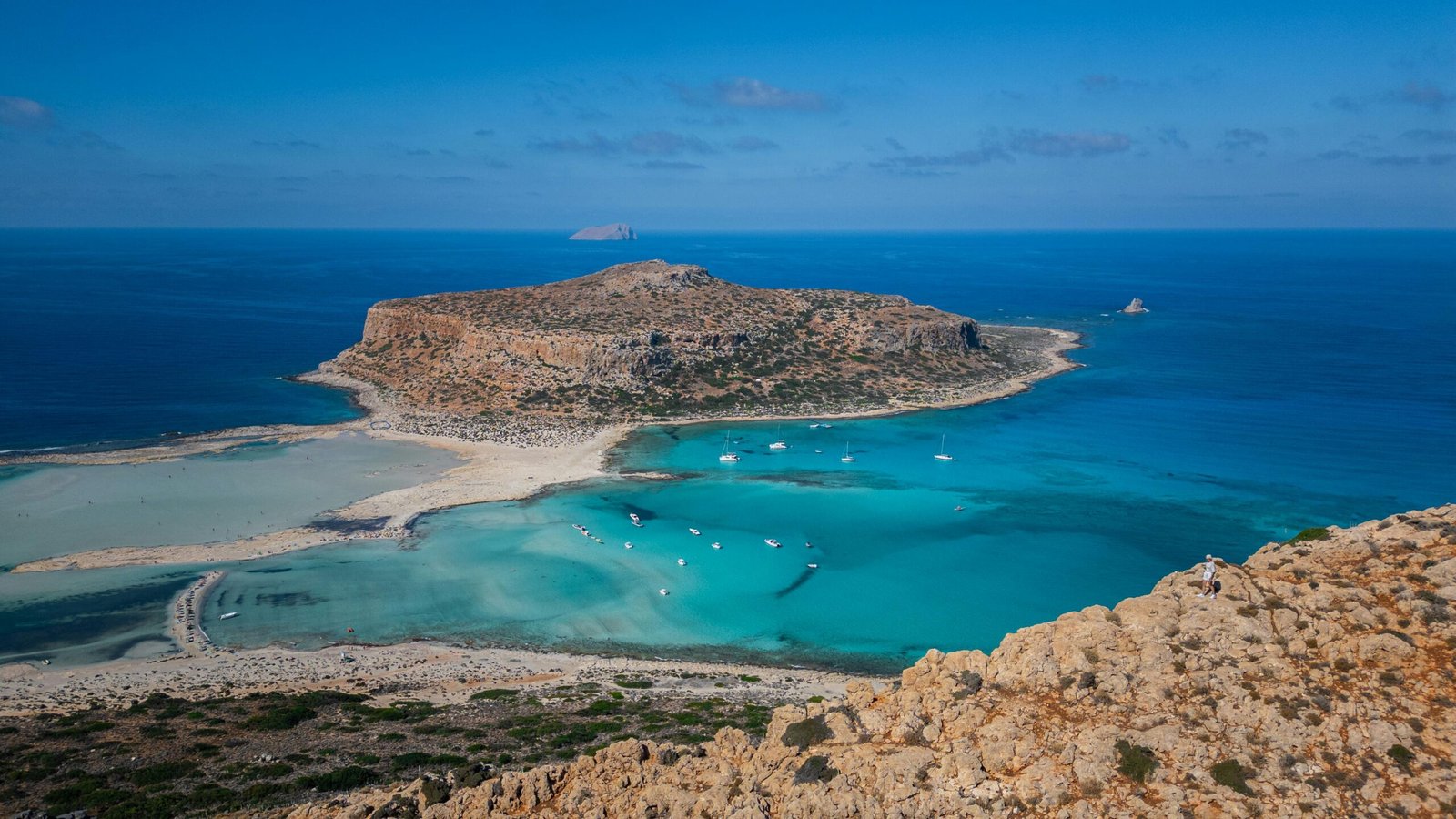
Crete Is Not One Trip — It’s Three Very Different Greece Trips
Crete Is Not One Trip — It’s Three Very Different Greece Trips, and that is exactly why so many first-time visitors misread it. People arrive with a generic “island vacation” idea and end up frustrated when the island refuses to behave like one neat, compact destination. Crete is not compact, and it is not uniform.
My position is simple: if you do not define the kind of trip you want before you book, you will waste time, money, or both. Crete can deliver a polished beach break, a food-and-town trip, or a more rugged, landscape-driven escape. Trying to force all three into one short stay usually makes the whole thing feel thinner than it should.
Crete Is Not One Trip — It’s Three Very Different Greece Trips, and each one has a different logic
The first Crete is the polished west, where places like Chania Old Town, Elounda, and parts of Rethymno work well for travelers who want easier access to good hotels, better dining, and a more familiar level of visitor infrastructure. This is the version most luxury travelers actually mean when they say they want Crete. It is also the version that can feel crowded and a little over-managed in peak season.
The second Crete is the south and interior, where the pace slows and the island feels more demanding. Areas around Matala, Sfakia, and the Psiloritis region attract travelers who care more about landscape, local character, and fewer polished edges. You gain space and authenticity, but you give up convenience, variety, and the easy, resort-style pacing many people secretly want.
The third Crete is the east, especially around Agios Nikolaos, Sitia, and the quieter stretches beyond them. This side often suits repeat Greece travelers who are done with obvious hotspots and want a less crowded, more local-feeling stay. It is not the obvious choice for a first Crete trip, and that is precisely why some travelers like it.
What travelers consistently get wrong about Crete
The first mistake is underestimating scale. Crete is large enough that choosing the wrong base can distort the whole trip, especially if you assume you can “just see the island” from one place. That is how travelers end up with long, tiring days and a lot less actual enjoyment than they expected.
The second mistake is booking for the beach and forgetting the island’s geography. Crete is not just sunbeds and waterfront hotels; it has mountains, inland villages, and coastlines that behave differently by region. If you want a relaxed, low-friction trip, location matters far more here than it does on smaller Greek islands.
A third mistake is assuming the best-known names are automatically the best fit. Chania is excellent for many travelers, but not for everyone. Some people want a calmer base, fewer people, and less restaurant pressure; for them, Chania can feel like the wrong kind of busy.
Where the island actually makes sense: the places that define the trip
Chania Old Town is the most obvious choice for travelers who want atmosphere, walkability, and strong dining. It works well if you like being in the middle of things and are willing to accept that this comes with more activity and more noise. Elounda is the opposite in a useful way: more resort-driven, more controlled, and better for travelers who want comfort without having to think too much about the rest of the island.
Rethymno sits in the middle in a way that matters. It gives you a real town feel without the full intensity of Chania, and that balance is why it appeals to families and couples who want structure without feeling boxed in. Matala, by contrast, suits travelers who care more about a looser, less polished coastal atmosphere and are fine with fewer upscale options.
Agios Nikolaos is often underestimated because people treat it as a stop rather than a base. That is a mistake if you want the east side of the island to feel coherent and easy. Sitia is even more specific: it rewards travelers who want a quieter, less commercial Crete, and it will disappoint anyone looking for a conventional resort scene.
Who this suits
This island suits travelers who are comfortable making a choice and living with it. If you like boutique hotels, strong local food, and a base with character, Crete can be excellent. If you want one place to cover beaches, culture, and easy evenings without much compromise, Crete can still work, but only if you accept that you will need to be selective.
- Best fit: couples, food-focused travelers, repeat Greece visitors, and families who want a strong base with good services.
- Less suited: travelers who want a tiny-island feel, people who hate driving long distances, and anyone expecting a simple “beach town only” trip.
- Risky fit: short stays where travelers try to see too much from one base.
Crete Is Not One Trip — It’s Three Very Different Greece Trips, and that is why it suits planners more than improvisers. Greece rewards travelers who arrive with a plan, but Crete punishes vague planning faster than most places.
The counterintuitive truth: the best Crete trip is often the most limited one
Here is the part most people do not expect: trying to “do more” on Crete often makes the trip feel smaller. A narrow, well-chosen base with the right kind of stay usually gives you a better experience than a broad, overstuffed island checklist. The island is large enough that movement creates fatigue faster than travelers expect.
This is especially true for first-timers who think a central location automatically solves everything. It does not. A central base can still leave you stuck between competing priorities, and that usually means you end up spending more time deciding what to drop than actually enjoying the trip.
If you want a more useful reference point for broader trip context, the official tourism information at
visitgreece.gr is a better starting place than random lists that flatten Crete into one generic experience. The island needs context, not hype.
What you gain, and what you give up
If you choose the right version of Crete, you gain a trip with real depth. You get better food, stronger local identity, and a destination that feels more substantial than a simple beach escape. For travelers who like Greece with more texture, that is the advantage.
What you give up is simplicity. Crete asks for decisions: west, east, or south; town, resort, or quieter base; polished, local, or rugged. Ignore those choices and the island will still deliver a vacation, but not necessarily the one you thought you were buying.
That is why the planning conversation matters here more than on smaller islands. Crete Is Not One Trip — It’s Three Very Different Greece Trips, and the real job is matching the island’s version to the traveler’s actual habits, not their fantasy version of themselves. For travelers interested in the cultural layer behind the island, the Ministry of Culture’s resources at culture.gov.gr/en/ are worth checking before you lock in a broad idea of what Crete can offer.
Conclusion
Crete is one of Greece’s most satisfying islands when it is matched properly to the traveler. It is also one of the easiest places to get wrong if you treat it like a single, uniform destination. The people who come back happiest are usually the ones who chose one version of Crete and accepted its trade-offs instead of trying to force the whole island into one trip.
Most Greece trips follow the same tired script. The ones that don’t — the ones travelers still talk about years later — were built around a real understanding of how this country works. That kind of understanding takes time, or it takes someone who already has it.
Recommended experiences
Some experiences mentioned here are curated and managed by Elite Greece Travels.
- 5 Days Trip From Athens To Crete — Itinerary (managed by Elite Greece Travels).
- Best Of Greece Athens Paros Crete 7 Day Itinerary 6 Nights — Itinerary (managed by Elite Greece Travels).
- Athens Mykonos Santorini Crete Itinerary 9 Days — Itinerary (managed by Elite Greece Travels).
Frequently asked questions
Is Crete better for one base or multiple bases?
For most travelers, one well-chosen base is better than trying to cover the whole island. Crete is large enough that moving around too much usually creates fatigue and weakens the trip.
Which part of Crete is best for first-time visitors?
The west side is usually the safest first choice, especially Chania or Rethymno, because the infrastructure is stronger and the trip feels easier to manage. First-timers who want a calmer, more resort-style stay often do better in Elounda.
What is the biggest mistake people make when planning Crete?
They underestimate the island’s scale and choose accommodation without thinking about the kind of trip they actually want. That leads to long days, awkward pacing, and a stay that feels less coherent than it should.
Is Crete good for luxury travelers?
Yes, but only if you choose the right area. Elounda and parts of Chania work well for higher-comfort stays, while more remote or rugged areas are better for travelers who care more about character than polish.
Which area of Crete is best for couples?
Couples who want dining, walkability, and a lively base usually prefer Chania or Rethymno. Couples who want privacy and a more contained resort feel often prefer Elounda.
Can Crete work for a short trip?
Yes, but short trips need restraint. If you try to treat a few days on Crete like a full island survey, you will spend too much time in transit and not enough time enjoying the place.