

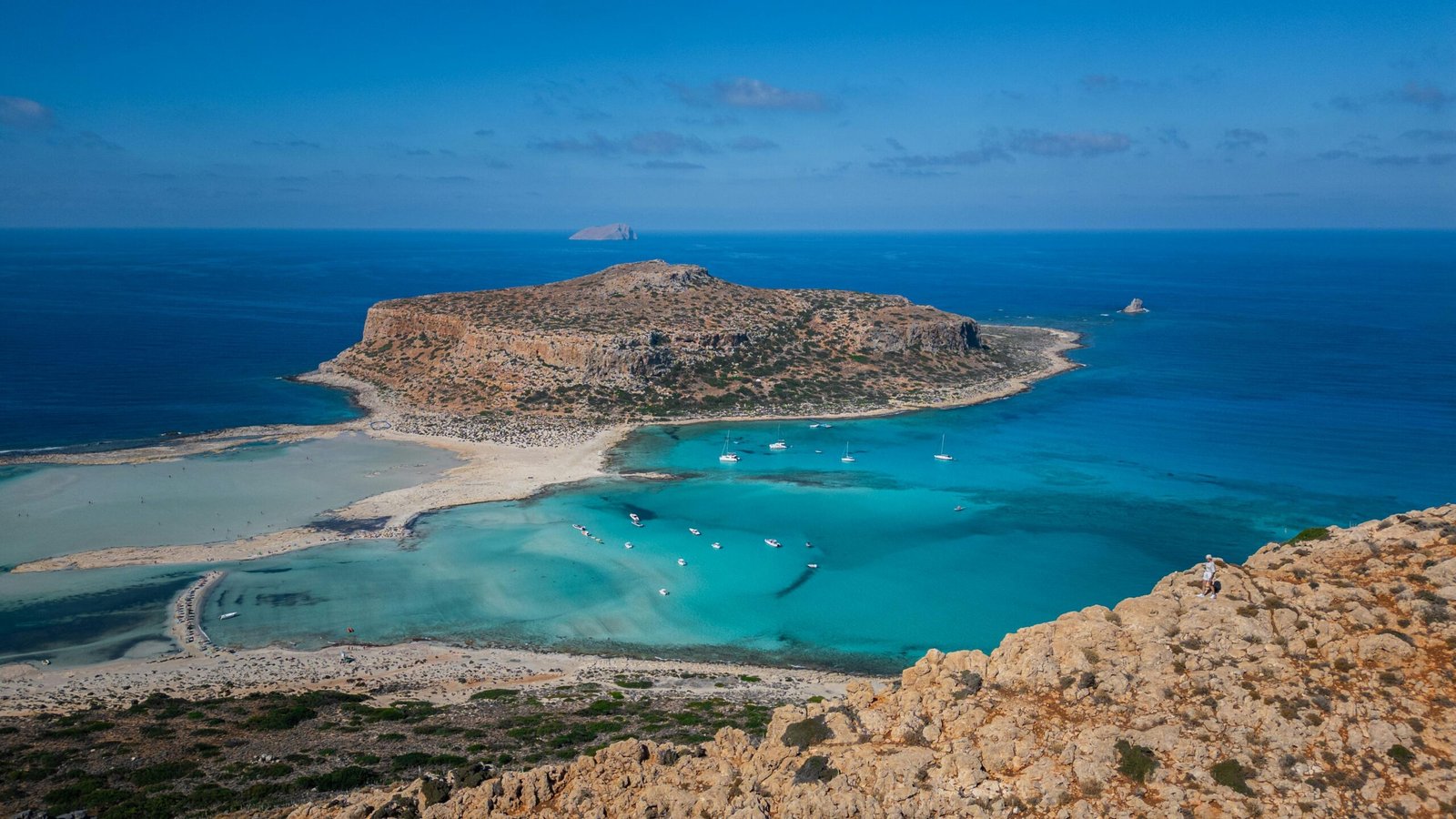
Why Crete Is the Hardest Easy Island to Plan Properly is simple: it looks like one island, but it behaves like several different trips stitched together. That is why so many first-time visitors overestimate what they can comfortably fit into one stay and underestimate how different Chania, Rethymno, Heraklion, and the south coast really are.
Crete is not difficult because it is inaccessible. It is difficult because it is large, varied, and unforgiving of lazy planning. If you treat it like a compact island break, you will waste time, miss the point, and end up staying in the wrong place for the kind of trip you actually wanted.
Why Crete Is the Hardest Easy Island to Plan Properly
Crete is the Greek island most travelers think they already understand. That confidence is usually the problem. Why Crete Is the Hardest Easy Island to Plan Properly is the right question because the island is easy to reach, easy to like, and surprisingly hard to design well.
My position is blunt: Crete punishes vague planning more than almost anywhere else in Greece. If you choose the wrong base, chase too many regions, or assume the island works like a smaller Cycladic island, you will spend a lot of your trip compensating for decisions that should have been made before you booked.
Why Crete Is the Hardest Easy Island to Plan Properly: size is the real issue
Crete is not a single-behavior destination. West Crete, central Crete, and the south coast each serve different traveler types, and the distances between them matter in a way many people only realize after arrival. Chania and Elafonissi are not a casual pairing for a short stay, and Heraklion is not simply a transit point if you actually care about culture and food.
The practical consequence is simple: travelers who try to “see the whole island” in one go often end up seeing very little properly. They move too much, settle too late, and spend the best hours of the day in recovery mode instead of enjoying the place they came for.
Two mistakes travelers make again and again
The first mistake is choosing accommodation by price instead of geography. In Crete, where you stay defines what kind of trip you have, and this is especially true around Chania Old Town, Platanias, Rethymno Old Town, Heraklion, and Agios Nikolaos. A cheap room in the wrong part of the island is not a bargain if it turns every outing into a long, tiring commitment.
The second mistake is assuming all beaches and coastal towns serve the same purpose. They do not. Falassarna suits travelers who want open space and a more stripped-back feel, while Elounda attracts a more polished, resort-leaning crowd. Paleochora and Matala draw people who want a looser, less packaged atmosphere, and that is a very different mood from staying near Chania’s Venetian harbor.
Crete’s regions are not interchangeable
Chania is the safest bet for first-time visitors who want strong food, walkable evenings, and a polished but not sterile base. Rethymno is often the best compromise for travelers who want a historic center without Chania’s higher demand. Heraklion is the most underrated city base for people who care about museums, archaeology, and a more local pace, but it is not the best choice for travelers chasing a pretty harbor scene.
Agios Nikolaos works well for travelers who want a calmer eastern-Crete base with easy access to the Mirabello area. Elounda is for a specific luxury audience, not for everyone who says they want “something nicer.” If you place yourself in the wrong region, you do not just lose convenience; you change the entire character of the trip.
The counterintuitive truth most people miss
Here is the surprising part: the travelers who often enjoy Crete most are not the ones who try to maximize it. They are the ones who narrow it down. A shorter stay focused on one region usually produces a better trip than a longer stay with too much movement, because Crete’s value is in depth, not in collecting locations.
That is why Why Crete Is the Hardest Easy Island to Plan Properly is not a gimmicky phrase. It reflects a real planning problem: the island looks straightforward, but the best version of it is built around restraint, not ambition.
Who this suits
Crete suits travelers who like variety, food, culture, and a sense that one base should not define the whole experience. It is very good for couples, mature travelers, self-directed families, and repeat Greece visitors who already know they do not want a one-note beach holiday. It also suits people who value genuine regional differences rather than the polished sameness of a resort-only trip.
- Best fit: food-focused travelers
- Best fit: couples who want a base with character
- Best fit: families who can tolerate a bit of planning
- Best fit: travelers who care about archaeology and local life
- Poor fit: people who want a tiny-island feel
- Poor fit: travelers who dislike choosing between regions
If you want a simple, compact, no-thought-needed island break, Crete is probably too much island for you. If you want a place that can handle culture, beaches, food, and strong regional identity in one trip, it is one of the best choices in Greece.
What you gain, and what you give up
You gain range, seriousness, and flexibility. Crete can deliver proper city energy, old-town atmosphere, serious archaeology, good dining, and coastlines that feel different from one another rather than repetitive. That is rare in a single Greek destination.
You give up simplicity. Crete asks you to make decisions early, and bad decisions are expensive in time, energy, and mood. Travelers who ignore this usually end up with a trip that feels busier than it should and less satisfying than it could have been.
Planning consequences people underestimate
One common failure is booking a base that looks central but behaves badly for the itinerary they actually want. Another is arriving in shoulder season and assuming every area will feel equally active and easy; some places do, some do not. Crete is not a destination where you can improvise everything and expect the island to smooth it over for you.
If you are trying to combine culture and coast, you need to think about sequence and regional fit before anything else. That is where many travelers lose the plot: they choose a beautiful place, then discover it is the wrong beautiful place for the rest of the trip.
For official context on Greek cultural sites and current information, start with the Hellenic Ministry of Culture and then judge the rest of your plan against reality, not assumptions. Crete is generous, but it is not forgiving of weak structure.
Crete for first-timers: where people usually get it wrong
First-timers often try to make Crete do the job of several islands at once. That is the wrong brief. If you want a first visit that feels coherent, choose one region seriously instead of treating the island like a menu of day-trip ideas.
Another mistake is confusing “popular” with “best.” Chania is popular for good reasons, but it is not automatically the best base for every traveler. Heraklion is often dismissed too quickly, and that is a mistake for anyone who wants substance over postcard behavior.
For a broader sense of how Crete fits into the country’s overall travel picture,
Visit Greece is useful as a starting point, but the real work is matching the island to your actual travel style. That is the difference between a decent trip and a well-built one.
Conclusion
Crete is one of the easiest Greek islands to enjoy and one of the hardest to plan properly. The island rewards travelers who choose a region with intention, respect its scale, and stop pretending every part of it serves the same purpose. Get that right, and Crete becomes one of the strongest trips in Greece; get it wrong, and it becomes a lot of movement with too little payoff.
Most Greece trips follow the same tired script. The ones that don’t — the ones travelers still talk about years later — were built around a real understanding of how this country works. That kind of understanding takes time, or it takes someone who already has it.
Recommended experiences
Some experiences mentioned here are curated and managed by Elite Greece Travels.
- Best Of Greece Athens Paros Crete 7 Day Itinerary 6 Nights — Itinerary (managed by Elite Greece Travels).
- Athens Mykonos Santorini Crete Itinerary 9 Days — Itinerary (managed by Elite Greece Travels).
- Athens Santorini Crete Itinerary 7 Days — Itinerary (managed by Elite Greece Travels).
Frequently asked questions
Why is Crete harder to plan than other Greek islands?
Because it is large, regionally diverse, and not interchangeable from one coast to another. A base that works for beaches may be poor for culture, and a city base may be weak for the kind of coastal trip many travelers imagined.
What do travelers get wrong most often about Crete?
They underestimate distance, choose the wrong area to stay in, and try to cover too much in one trip. They also assume one famous beach or town will represent the whole island, which is not how Crete works.
Which part of Crete is best for a first visit?
For many first-timers, Chania is the easiest all-around base, but Rethymno and Heraklion can be better depending on priorities. The right choice depends on whether the trip is more about walking, food, archaeology, or a quieter pace.
Is Crete a good island for a short trip?
Yes, but only if you keep the scope tight. A short stay works best when you focus on one region instead of trying to sample the entire island.
What kind of traveler does Crete suit best?
Crete suits travelers who want variety, local character, food, and cultural substance. It is especially good for couples, families who plan well, and repeat Greece visitors who want more than a simple beach break.
What is the biggest planning mistake that affects the whole trip?
Choosing the wrong base. In Crete, where you stay shapes almost everything else, and a poor location choice creates avoidable friction for the rest of the trip.