

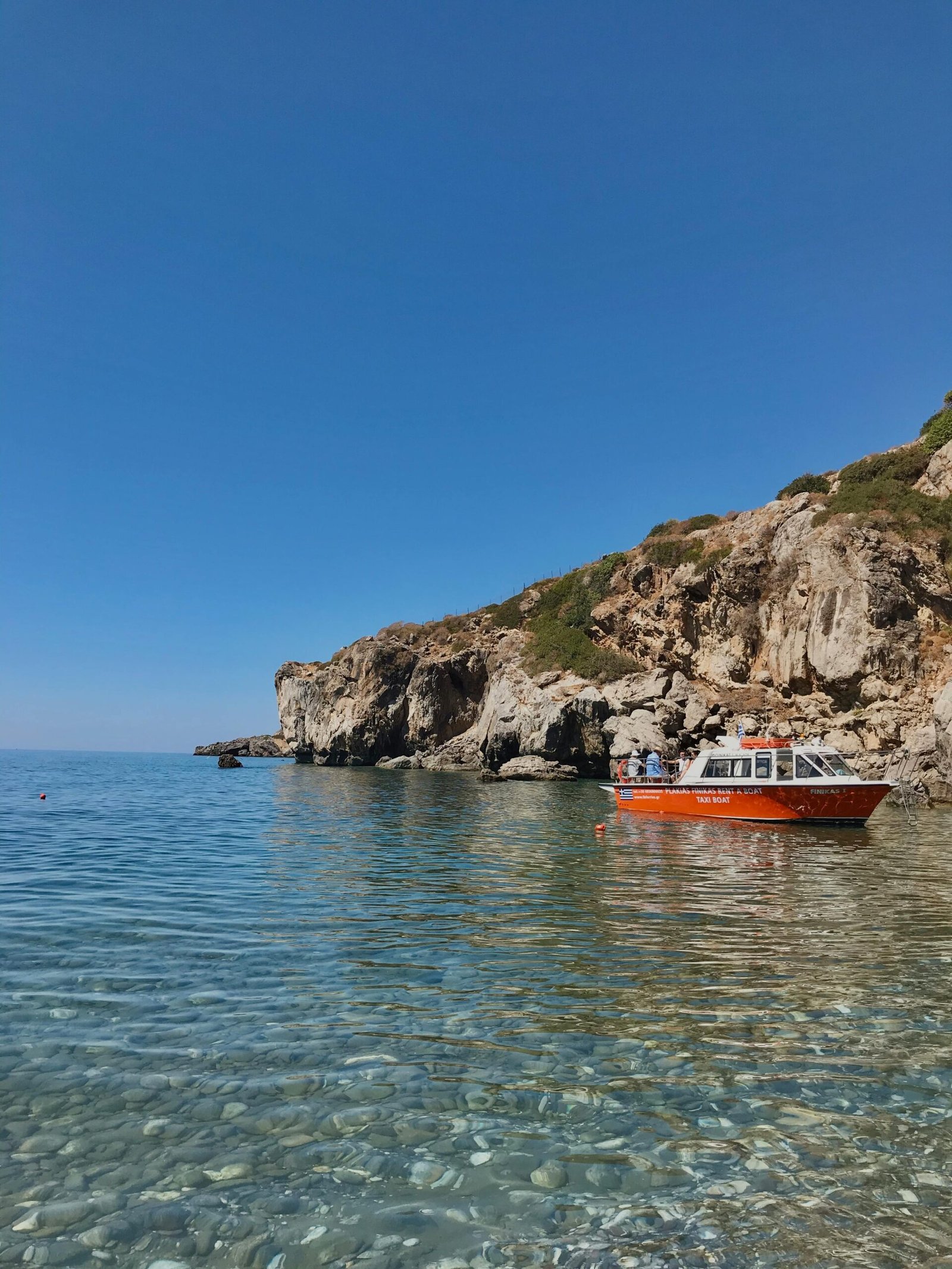
Crete Is Too Big to Plan Like an Island Holiday, and that is the first thing most travelers get wrong. They treat it like a single-base beach trip, then wonder why the island feels fragmented, tiring, or oddly rushed.
The reality is simpler: Crete behaves like several different destinations stitched together by distance, terrain, and regional identity. If you plan it like Naxos or Paros, you will make avoidable mistakes that cost you time, energy, and in some cases the best part of the trip.
Crete Is Too Big to Plan Like an Island Holiday
Crete Is Too Big to Plan Like an Island Holiday, and I mean that literally, not as a marketing line. This is not a place where you pick one base and assume the island will unfold neatly around it. Crete works best when travelers accept that Chania, Rethymno, Heraklion, the south coast, and the mountain interior each create a different trip.
The biggest mistake is assuming proximity on a map means easy movement in real life. It does not. Crete has long internal distances, mountain crossings, and regions that feel closer in mood than they do in actual travel time. That matters because a bad base choice can turn a relaxed holiday into a series of compromises.
Crete Is Too Big to Plan Like an Island Holiday: what that really means
If you want a simple island beach break, Crete is usually the wrong mental model. The island is large enough that the western end and eastern end can feel like separate trips, especially once you factor in how much time people actually want to spend moving around versus staying put. This is why travelers who overplan often end up seeing more road than place.
Crete Is Too Big to Plan Like an Island Holiday also means that “seeing Crete” is not one experience. A stay centered on Chania gives you a very different rhythm from Heraklion, Agios Nikolaos, or the south coast near Plakias. The island is broad enough that your accommodation choice shapes the entire character of the trip.
Two mistakes travelers keep making
The first mistake is trying to cover the whole island in one stay. That usually produces a checklist trip: a bit of west, a bit of center, a bit of east, and not nearly enough time in any of them. Crete is not a place to skim. If you want depth, you need to narrow your scope.
The second mistake is choosing a base for the beach and expecting it to work for culture, food, and scenery too. Some areas are excellent for one thing and merely adequate for the others. For example, Elounda is polished and easy for upscale waterfront stays, while Chania Old Town gives you stronger atmosphere and dining, but neither is a perfect launch point for every part of the island.
People also underestimate how different the island feels by region. Western Crete is often greener and more visitor-friendly for first-timers, while central and eastern Crete can feel more spread out and less instantly legible. That is not a flaw. It is a planning reality.
Where Crete actually behaves like separate destinations
Chania is the obvious starting point for many travelers, and for good reason. It has the best-known old town, a strong dining scene, and easy access to a wide range of western Crete experiences. But it is not the right answer for everyone, especially if your priorities are archaeology or the east side of the island.
Rethymno is often underestimated. It sits in a useful middle position, but more importantly it appeals to travelers who want a mix of town life, history, and less pressure than Chania. Heraklion is the most practical base for serious cultural sightseeing, yet many visitors dismiss it too quickly because they want a prettier postcard version of Crete. That is a mistake if museums and ruins matter to you.
Agios Nikolaos and Elounda suit a different traveler entirely: people who want a more polished, resort-oriented stay with access to the east. Then there is the south coast, with places like Plakias and Paleochora, where the mood is slower, less packaged, and more dependent on self-awareness from the traveler. These are not interchangeable areas.
What you gain by planning Crete properly
When you accept that Crete Is Too Big to Plan Like an Island Holiday, you stop wasting the island’s strengths. You can choose a region that matches your priorities instead of forcing one base to do everything badly. That usually leads to better food decisions, less time lost, and a trip that feels coherent rather than improvised.
You also gain a more honest relationship with the island’s scale. Crete is one of the few Greek destinations where a traveler can be in a place that feels intimate and local, then move a relatively short distance and land in a completely different environment. That variety is the point. The island is strongest when you stop pretending it is small.
For travelers who want a broader Greece context, official resources like
visitgreece.gr are useful for the basics, but they will not tell you how the island actually behaves once you start matching region to travel style. That part still needs judgment.
The counterintuitive truth about Crete
Here is the part most people do not expect: a shorter, more focused Crete trip is often better than a longer, overreaching one. Travelers assume more days automatically solve the island’s size problem. In practice, extra days can just create more low-value movement if the plan is too broad.
Crete Is Too Big to Plan Like an Island Holiday, so the smartest move is often to do less, not more. One strong region plus one secondary area can feel richer than trying to sample the whole island. That is counterintuitive only if you think the goal is coverage. The real goal is quality of experience.
Who this suits
Crete suits travelers who like substance over convenience. If you enjoy history, regional food, distinct local identities, and are comfortable making choices instead of trying to see everything, this island is excellent. It also suits repeat visitors to Greece who are ready for a destination that behaves more like a mainland region than a compact island escape.
It does not suit travelers who want a single base with easy, low-effort access to everything. It is also a poor fit for people who get anxious when a destination requires trade-offs, or for first-timers who want the Greek-island experience to feel simple and uniform. Crete is rewarding, but it is not tidy.
- Best for: culture-focused travelers, food travelers, couples who like regional variety, and repeat Greece visitors.
- Less suitable for: one-base beach holiday seekers, travelers who dislike driving, and anyone who wants a compact island with minimal planning.
What most travelers underestimate before booking
The most common underestimation is accommodation location. A hotel that looks central on a map can be a poor match if the surrounding area does not fit your pace, dining habits, or daily movement. In Crete, where you stay often matters more than the category of the property.
Season is the other major blind spot. Early summer and early autumn are usually the most forgiving windows, while peak summer can make the island feel more demanding than people expect. That is especially true if your plan already stretches the island’s geography. Crete Is Too Big to Plan Like an Island Holiday, and peak-season congestion only makes that more obvious.
If your trip includes serious cultural priorities, the Hellenic Ministry of Culture is the right place to verify what is open and what is worth building around. Crete is not short on things to see, but the order in which you see them matters more here than on smaller islands.
Conclusion
Crete is one of the best places in Greece for travelers who understand that scale changes the trip. Treat it like a multi-destination island, choose your region with intent, and stop expecting one base to solve everything. That is the difference between a trip that feels scattered and one that feels well judged.
Most Greece trips follow the same tired script. The ones that don’t — the ones travelers still talk about years later — were built around a real understanding of how this country works. That kind of understanding takes time, or it takes someone who already has it.
Recommended experiences
Some experiences mentioned here are curated and managed by Elite Greece Travels.
- Best Of Greece Athens Paros Crete 7 Day Itinerary 6 Nights — Itinerary (managed by Elite Greece Travels).
- Athens Mykonos Santorini Crete Itinerary 9 Days — Itinerary (managed by Elite Greece Travels).
- Athens Santorini Crete Itinerary 7 Days — Itinerary (managed by Elite Greece Travels).
Frequently asked questions
Is Crete better as one base or split between regions?
For most travelers, a split stay makes more sense if the trip is long enough to justify it. One base can work, but only if you are realistic about what that base can actually cover. Trying to make one location do everything usually leads to wasted time.
What is the biggest mistake people make when planning Crete?
They assume the island is compact enough for casual movement between regions. It is not. The biggest mistake is building a plan around map distance instead of real travel behavior and regional differences.
Which part of Crete is best for first-time visitors?
Western Crete is often the easiest first impression, especially Chania and nearby areas. It is more immediately legible for newcomers. But first-time visitors focused on archaeology may be better served by Heraklion.
Is Crete good for a beach holiday?
Yes, but not in the simple, single-base sense many travelers imagine. The island has excellent beaches, yet the best experience usually comes from choosing a region that matches the kind of beach trip you want, not from trying to sample everything.
What kind of traveler gets frustrated in Crete?
People who want a compact, low-decision island holiday often get frustrated. Crete asks you to choose, to prioritize, and to accept that different regions serve different purposes.
When is the best time to visit Crete for easier planning?
Late spring and early autumn are usually the most practical windows. The weather is more manageable, the island feels less pressured, and the planning mistakes people make in peak summer are less punishing.