


Crete Isn’t One Island Trip — It’s Several Trips in One, and that is exactly why so many first-timers misread it. They treat it like a single base-and-explore destination, then wonder why the trip feels fragmented or rushed. Crete is large, regional, and opinionated; if you want a coherent luxury experience, you need to choose what kind of Crete you are actually coming for.
Most travelers underestimate two things: how different the west, center, and east feel, and how much time gets wasted when they try to “see everything.” Crete rewards travelers who arrive with a plan, but only if that plan is built around its geography, not around a generic island fantasy.
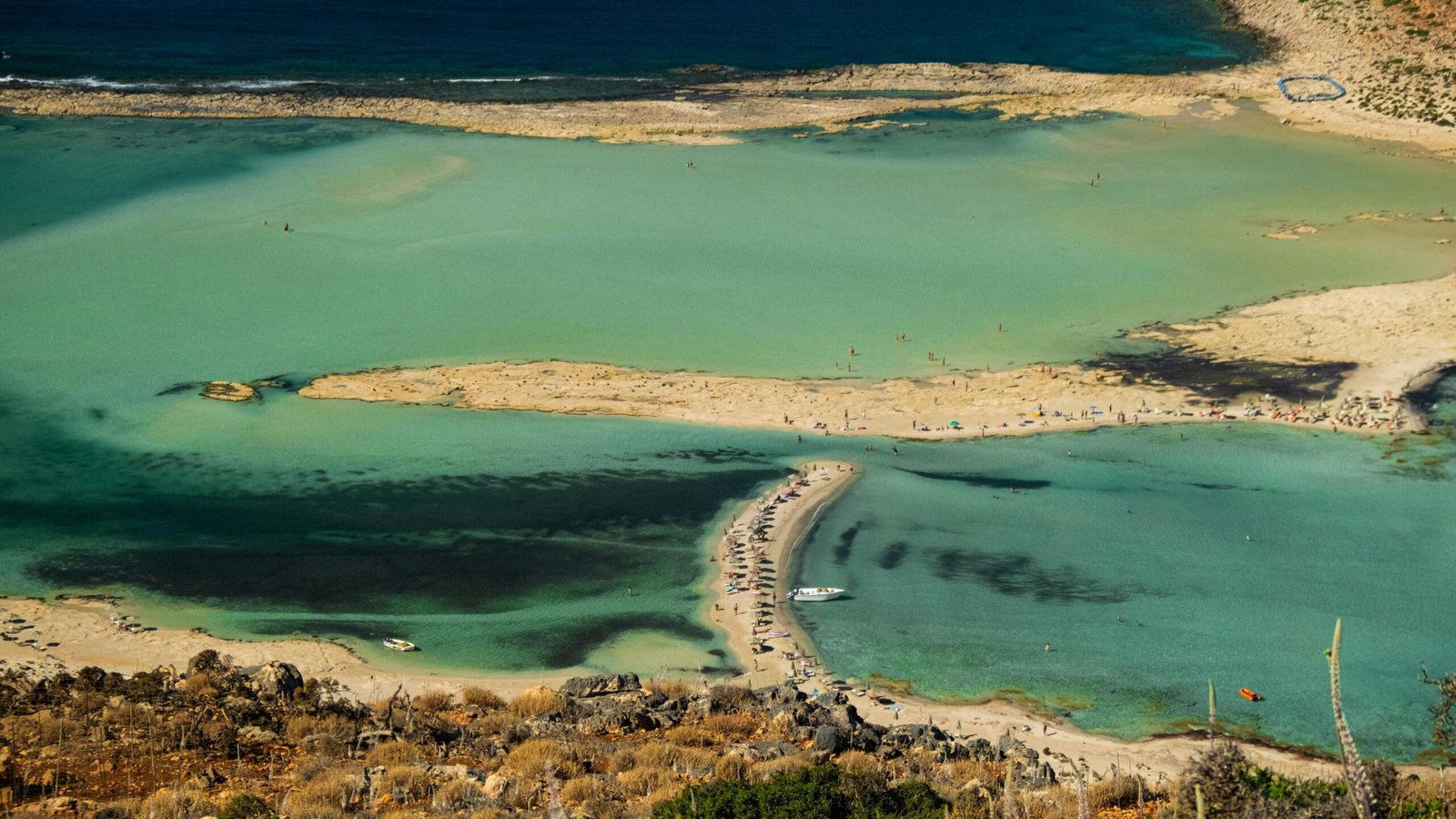
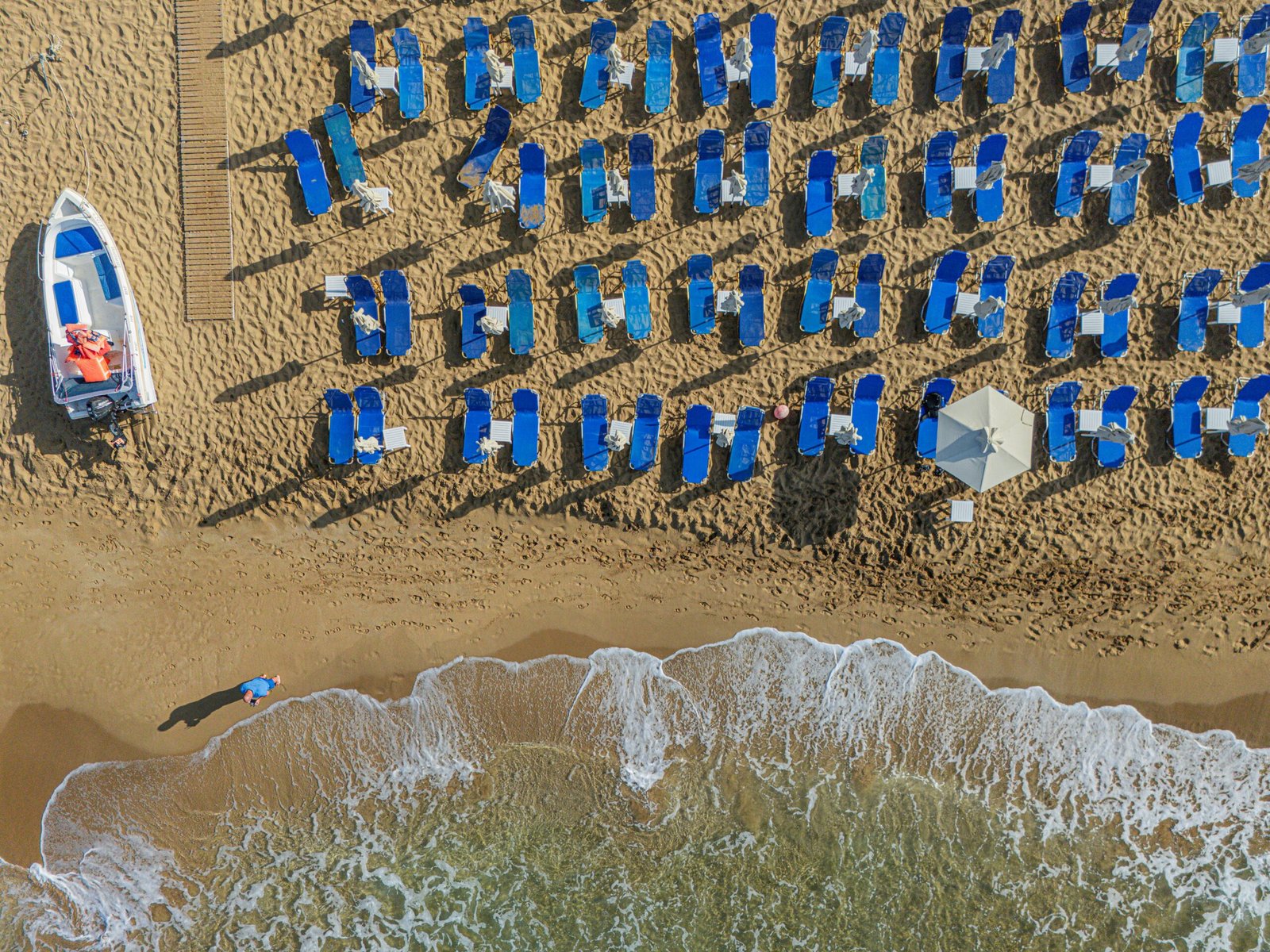
Crete Isn’t One Island Trip — It’s Several Trips in One
I say this plainly: Crete is not a single destination with a few nice add-ons. It is a collection of distinct travel experiences that happen to share one island name. If you try to force it into one neat luxury template, you will end up with too much movement, too many compromises, and not enough time in the places that actually matter.
That is why Crete isn’t a destination for lazy planning. The island can deliver serious food, strong beach time, mountain character, and proper high-end stays, but not all in the same way, and not all in the same area. Crete Isn’t One Island Trip — It’s Several Trips in One, and the best trips are built by deciding which version you want to prioritize.
Crete Isn’t One Island Trip — It’s Several Trips in One: the planning mistake most people make
The first mistake is trying to combine too many regions into a single short stay. People see names like Chania, Rethymno, Heraklion, and Elounda and assume they can sample them all without consequence. In reality, every extra region you add changes the tone of the trip, and not always for the better.
The second mistake is assuming “luxury” means the same thing everywhere. In Crete, luxury can mean a polished beach resort, a refined old-town base, a private villa above the water, or a quieter inland retreat with better food and fewer distractions. Those are not interchangeable, and pretending they are is how travelers end up paying premium rates for a location that does not suit the trip they wanted.
A third problem is underestimating the island’s internal variety. Western Crete feels different from the east, and the central corridor is not just a connector; it has its own character, pace, and practical strengths. Crete Isn’t One Island Trip — It’s Several Trips in One, and the sooner you accept that, the better your trip will be.
Where the island actually splits into different trips
Chania is the most obvious choice for travelers who want atmosphere, strong dining, and an easy sense of place. It is also the area most likely to disappoint people who want quiet exclusivity without any seasonal buzz, because the better-known parts of Chania can be busy and heavily booked.
Rethymno is often overlooked, which is a mistake for certain travelers and a relief for others. It gives you a more balanced feel than Chania, with a town center that is easier to live in day-to-day, but it does not have the same headline appeal for travelers chasing a very polished “special occasion” feel.
Heraklion is not the pretty answer, and that is the point. It is the practical center of the island, useful for travelers who care more about access to culture, history, and serious dining than about postcard aesthetics. The city is often dismissed too quickly, which is a shame because it makes sense for a very specific kind of trip.
Elounda is where many luxury travelers end up, and for good reason. It is the strongest fit for resort-focused stays, but it is not where you go if you want a lively town atmosphere or a broad range of evening options. The trade-off is simple: you get polish and calm, and you give up variety.
South Crete, including places like Plakias and the less polished southern coast, is for travelers who want space and less commercial pressure. It is not the right choice for everyone, because the south is more stripped back and less convenient in the conventional sense. That said, for the right client, it can be the smartest part of the island to build around.
Lasithi in the east has a different rhythm again, especially around more refined coastal pockets and inland villages. It suits travelers who want a quieter, more controlled experience and are less interested in being near the island’s busiest names. This is where many people finally understand that Crete Isn’t One Island Trip — It’s Several Trips in One.
What travelers consistently get wrong about Crete
They confuse distance with simplicity. Crete looks manageable on a map, but the real issue is not mileage alone; it is the amount of decision-making each region demands once you are there. If you choose the wrong base, your days start to feel like recovery from logistics instead of a holiday.
They also misread seasonality. Early summer and early autumn are excellent for many travelers, but the island behaves differently depending on where you are staying and what you want to do. A beach-led trip, a food-led trip, and a culture-led trip do not all peak at the same time, and that matters more in Crete than in smaller islands.
Another common mistake is expecting every luxury property to solve the planning problem. A good hotel helps, but it cannot turn a weak location into a strong trip. If your base is wrong, your experience is shaped by that error every single day.
Who this suits
This suits travelers who want a layered trip and are willing to choose a point of view. Crete is excellent for couples, food-focused travelers, multigenerational families with enough patience to slow down, and repeat visitors to Greece who want something more substantial than a single beach resort stay. It also suits people who like the idea of one destination with multiple personalities.
It does not suit travelers who want to “cover” an island quickly, or those who get anxious when a destination asks for decisions. If you want one tidy base with everything on the doorstep, Crete can feel frustrating. If you want easy, compact, and low-maintenance, there are better Greek islands for that brief.
It also does not suit people who think luxury means constant stimulation. In parts of Crete, the best experience is quiet, spacious, and deliberately unhurried. That can feel underwhelming to travelers who need nightlife, shopping, and a dense social scene every night.
The counterintuitive truth about Crete
Here is the surprising part: the most satisfying luxury trips to Crete are often the least ambitious on paper. Travelers who try to “make the most of it” by adding too many regions usually end up with a less memorable trip than those who choose one or two strong bases and stay put. In Crete, restraint is not a compromise; it is usually the smarter luxury decision.
That runs against the usual instinct to maximize variety, but Crete punishes overplanning. The island is best when you let each region do the work it is actually good at. Crete Isn’t One Island Trip — It’s Several Trips in One, which means the real skill is not squeezing everything in, but knowing what to leave out.
What you gain, and what you give up
If you plan Crete well, you gain depth. You get a more serious food scene than most islands, more regional character, and enough scale to build a trip around a specific mood instead of a generic beach template. For many luxury travelers, that makes Crete one of the most rewarding places in Greece.
You do give up convenience. You are not getting a one-note island where every good thing is clustered into a single tiny area. You need sharper choices, more discipline, and a willingness to accept that some famous names are not right for your version of the trip.
For travelers who want the island done properly, that trade-off is worth it. For travelers who want a simple, low-decision escape, Crete can be too much island. The difference is not subtle, and ignoring it is where trips go wrong.
If you want a broader sense of how the country is structured and what is worth prioritizing, the official tourism overview at
Visit Greece is useful as a starting point, but it will not tell you how to shape Crete into a coherent luxury stay. That is the part most travelers underestimate.
For the same reason, it helps to understand the cultural context behind what you are seeing rather than treating every old town and museum stop as interchangeable. A destination like Crete makes more sense when you understand the wider Greek framework around heritage and preservation, which is why resources such as the Hellenic Ministry of Culture can be useful in planning a more informed trip.
Most Greece trips follow the same tired script. The ones that don’t — the ones travelers still talk about years later — were built around a real understanding of how this country works. That kind of understanding takes time, or it takes someone who already has it.
Recommended experiences
Some experiences mentioned here are curated and managed by Elite Greece Travels.
- 5 Days Trip From Athens To Crete — Itinerary (managed by Elite Greece Travels).
- Best Of Greece Athens Paros Crete 7 Day Itinerary 6 Nights — Itinerary (managed by Elite Greece Travels).
- Athens Mykonos Santorini Crete Itinerary 9 Days — Itinerary (managed by Elite Greece Travels).
Frequently asked questions
Is Crete too big for a first trip to Greece?
Not if you accept that it is not a single-base island in the usual sense. For first-timers, Crete works best when the trip is built around one clear region or one strong pairing, not a long list of stops.
Which part of Crete is best for a luxury holiday?
There is no single best part. Chania suits travelers who want atmosphere and dining, Elounda suits resort-focused luxury, and the eastern side suits quieter, more controlled stays.
What do travelers underestimate most about Crete?
How different the island feels from west to east, and how much the choice of base affects the whole trip. A poor location choice in Crete is expensive in time and experience.
Is Crete better for couples or families?
Both, but for different reasons. Couples usually do best in carefully chosen coastal or design-led stays, while families benefit from the island’s space and range, provided the trip is not overcomplicated.
Can I see all of Crete in one holiday?
You can see a lot, but you should not try to experience the whole island as if it were one compact destination. That approach usually produces a rushed, diluted trip.
When is the best time to visit Crete?
Late spring and early autumn are usually the most reliable for a balanced luxury trip. The best timing still depends on whether your priority is beach time, culture, or a quieter, more relaxed stay.