

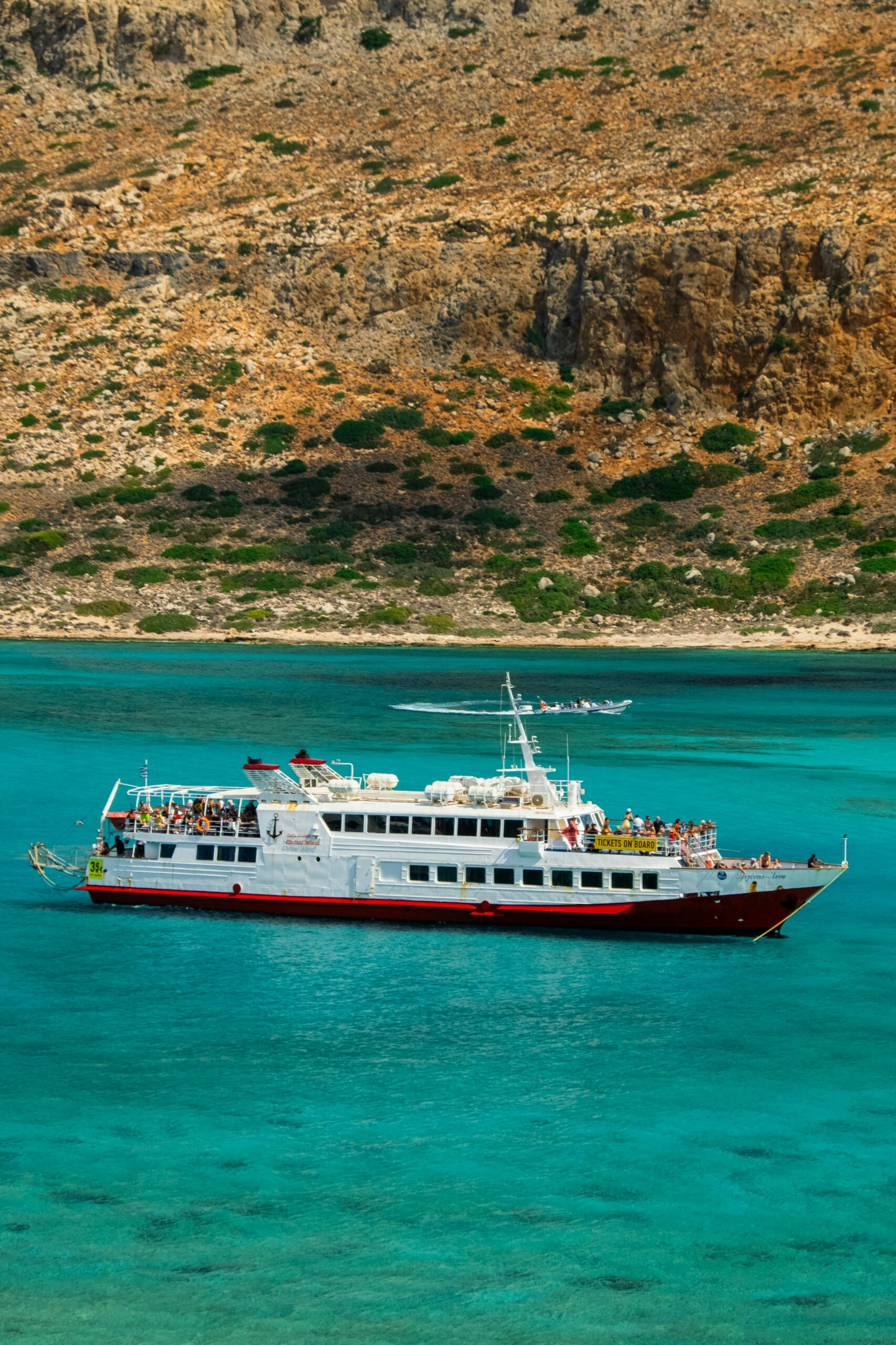
Crete vs Rhodes: Why Choosing the Wrong Island Can Make Your Trip Feel Chaotic is a question too many travelers face without clear guidance. Despite their shared Greek heritage, these islands deliver fundamentally different travel rhythms and logistical challenges that can unravel your plans fast.
This isn’t about picking a pretty picture but understanding how your choice sets the tone for the whole trip.
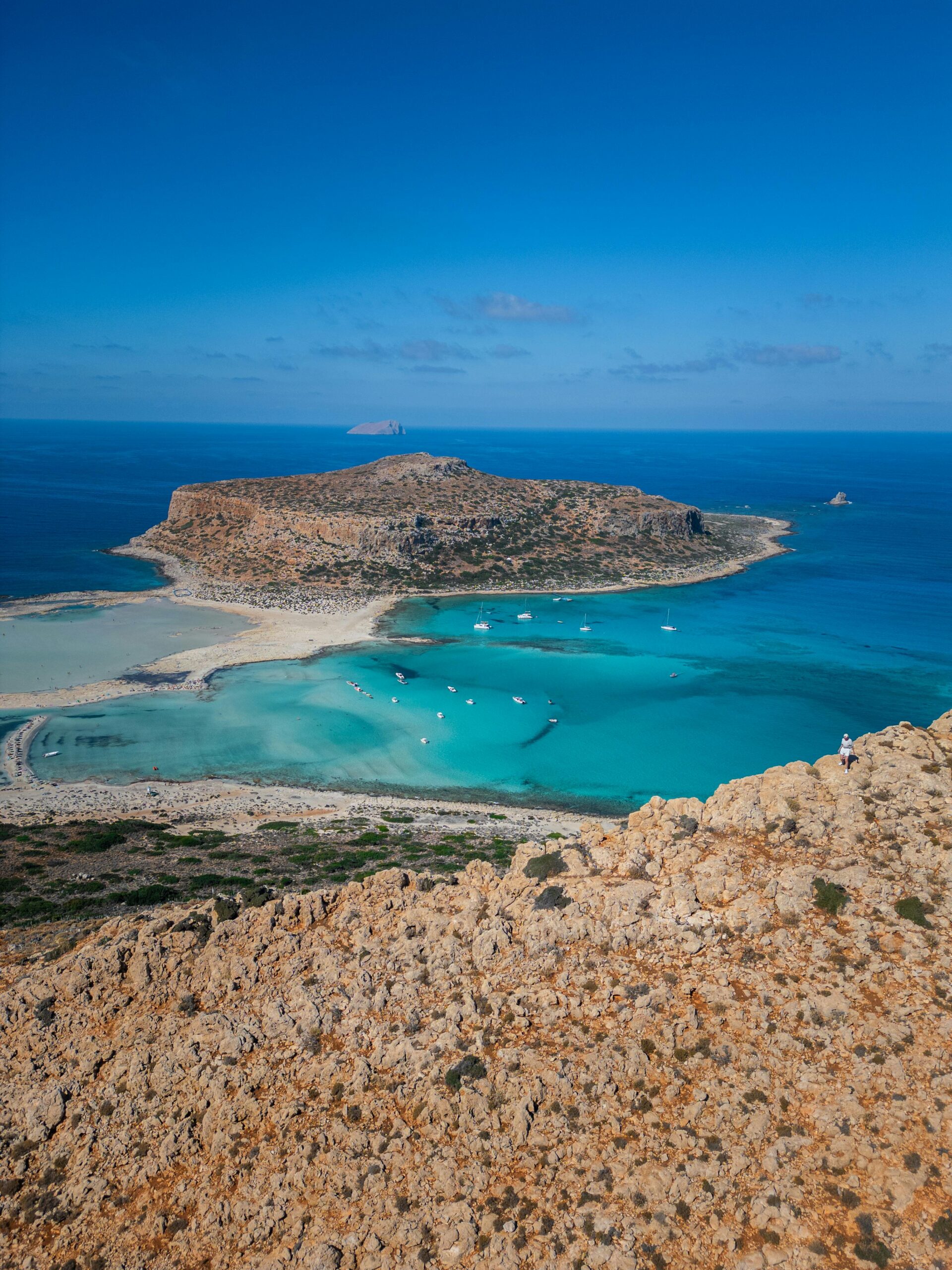

Crete vs Rhodes: Why Choosing the Wrong Island Can Make Your Trip Feel Chaotic
Not Just Geography: The Core Differences That Shape Your Experience
Crete is Greece’s largest island, sprawling with diverse landscapes, multiple cities, and a sprawling ancient history. Rhodes, smaller but historically significant, offers a more contained experience focused on medieval architecture and tourist infrastructure. The chaos arises when travelers underestimate Crete’s scale or Rhodes’ crowd density and try to fit incompatible expectations into their trip.
Who Wins on Logistics? The Island That Fits Your Pace
Crete demands a slower pace or multiple bases because the distance between Chania, Heraklion, and Agios Nikolaos involves hours on often winding roads. Travelers aiming for a compact itinerary or short trip find Rhodes less taxing: distances are shorter, and the main attractions cluster around Rhodes Town and Lindos. If your trip is under a week, Rhodes is the pragmatic choice. Crete only works if you’re prepared to sacrifice either time on the road or the depth of exploration.
Crete vs Rhodes: Why Choosing the Wrong Island Can Make Your Trip Feel Chaotic in History and Atmosphere
Crete’s historical sites like Knossos Palace require time and context to appreciate; rushing turns visits into checklist stops. Rhodes’s Old Town, by contrast, is walkable and immersive but packed with tourists during peak season, which can frustrate those expecting quiet authenticity. If you want history without sacrificing atmosphere, Rhodes delivers visibly but demands patience for crowds. Crete offers depth but only with the right pacing and less predictable daily rhythm.
The Crowd Factor: When Timing Can Make or Break Your Stay
Rhodes suffers crowd peaks that concentrate heavily in July and August, especially around the medieval town and beaches like Tsambika. Crete’s crowds are more dispersed, but the southern coast remains less visited. Travelers who want to avoid mass tourism but also don’t want a dead island after sunset will find Crete’s varied geography a better fit. Those who book Rhodes for a high-season honeymoon without factoring in crowds and hotel prices risk disappointment.
Island Pairings and Ferry Sequencing: Avoid Wasting Days on Transfers
Choosing Crete first then Rhodes can wreck your ferry schedule due to limited direct connections and long transfer times through Piraeus or Santorini. Rhodes pairs better with nearby Dodecanese islands like Symi or Halki, while Crete fits logically into a southern Aegean loop with Santorini and smaller Cyclades islands. Travelers who ignore these sequencing realities often spend half their vacation stuck in ports or on buses, killing the trip’s momentum.
Emotional Reality: What Each Island Actually Feels Like
Crete feels expansive, often overwhelming, with moments of quiet in remote villages like Archanes or the southern beaches around Matala. Rhodes is more compact and tourist-driven, buzzing with energy but lacking the off-the-beaten-path solitude. Couples on honeymoon who choose Rhodes expecting intimate seclusion often face noisy nightlife and crowded streets. Crete’s scale offers genuine retreat but can feel isolating without a clear route.
When to Pick Which: A Clear Operator’s Position
Pick Rhodes if your trip is under a week, you want a historically rich but geographically manageable island, and you can tolerate or even enjoy busy tourist hubs. It’s your island if you want a straightforward itinerary with minimal internal transport headaches.
Pick Crete if your trip runs longer than a week, you seek diverse landscapes and deeper historical engagement, and you’re comfortable with longer transfers and a more complex itinerary. Crete rewards those who accept travel as part of the experience, not just a means to an end.
Decision Framework: Questions to Ask Before Booking
- How many days do I have, and can I commit to slower travel or multiple stays?
- Do I prefer a compact, walkable island or a sprawling landscape with varied regions?
- Am I prepared to handle more complex ferry and transport logistics?
- How important is avoiding crowds versus access to rich historical sites?
For more detailed cultural context, the
Hellenic Ministry of Culture offers insights on heritage sites, while the official tourism portal provides updated information on travel conditions and events.
The island you choose sets the sequence for everything that follows — what ferry connections work, what pace is realistic, what the trip actually feels like on day four. Getting that first choice right isn’t about preferences. It’s about how the logistics and the atmosphere compound across the whole itinerary.
Recommended experiences
Some experiences mentioned here are curated and managed by Elite Greece Travels.
- Best Of Greece Athens Paros Crete 7 Day Itinerary 6 Nights — Itinerary (managed by Elite Greece Travels).
- Athens Mykonos Santorini Crete Itinerary 9 Days — Itinerary (managed by Elite Greece Travels).
- Athens Santorini Crete Itinerary 7 Days — Itinerary (managed by Elite Greece Travels).
Frequently asked questions
Is Crete better for first-time visitors to Greece than Rhodes?
Crete is better suited for travelers who have more than a week and want to explore diverse landscapes and ancient sites in depth. Rhodes offers a more contained experience suitable for shorter trips or those prioritizing ease of navigation.
Can I visit both Crete and Rhodes in one trip without losing time?
Combining Crete and Rhodes in one itinerary often leads to wasted days due to limited direct ferry connections and long transfer times. It’s more efficient to pair Rhodes with nearby Dodecanese islands and Crete with Cyclades islands like Santorini.
Which island is less crowded during peak season?
Crete’s crowds are spread out across a larger area, making it easier to find quiet spots even in high season. Rhodes tends to concentrate tourists in Rhodes Town and Lindos, leading to intense crowding, especially in July and August.
Is Rhodes a good honeymoon destination?
Rhodes can disappoint honeymooners seeking quiet intimacy due to its busy tourist centers and nightlife. Crete offers remote villages and beaches better suited for couples wanting seclusion, provided they accept a more complex travel pace.
How challenging is internal transport on Crete compared to Rhodes?
Crete requires longer drives between key sites, often on winding roads, making internal transport more challenging and time-consuming. Rhodes is more compact with shorter distances and more straightforward transit options.
Are historical sites easier to access in Rhodes or Crete?
Rhodes’s main historical area, the medieval Old Town, is walkable and concentrated. Crete’s archaeological sites like Knossos are dispersed and require planned travel time, making them harder to visit efficiently without a clear itinerary.
Does season affect the choice between Crete and Rhodes?
Yes, Rhodes becomes overwhelmingly crowded in summer months, which can overwhelm budgets and patience. Crete offers more off-season options and dispersed tourism, making it preferable for travel outside peak summer.