

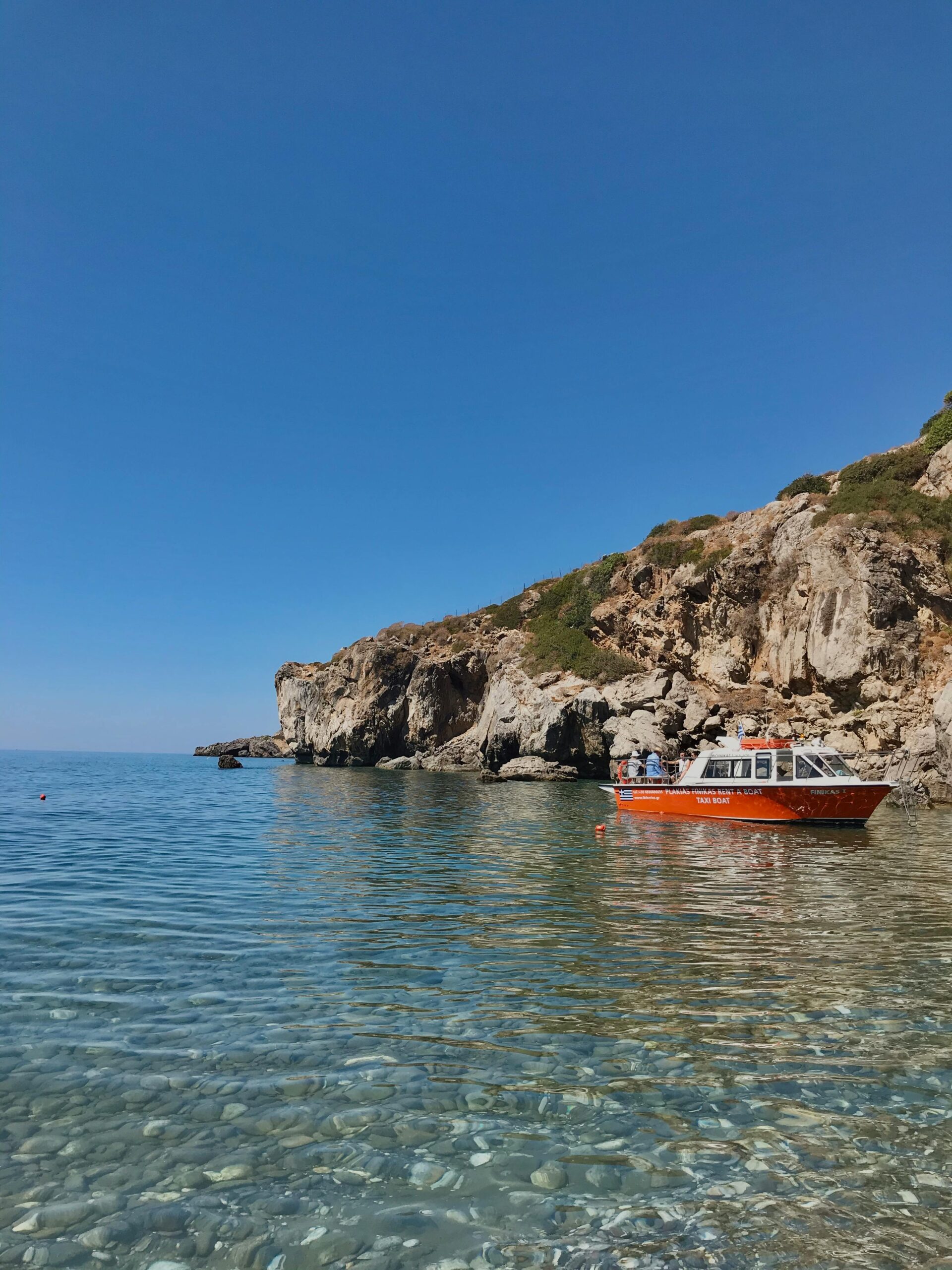
Crete’s Untamed Interior: Why You Can’t Just Stick to the Coast is a crucial insight for anyone planning a trip to Greece’s largest island. Many visitors assume the coast offers the full Crete experience, but this mindset often leads to a shallow and frustrating visit. Understanding the psychological reasons behind this choice reveals why the island’s true character lies inland.
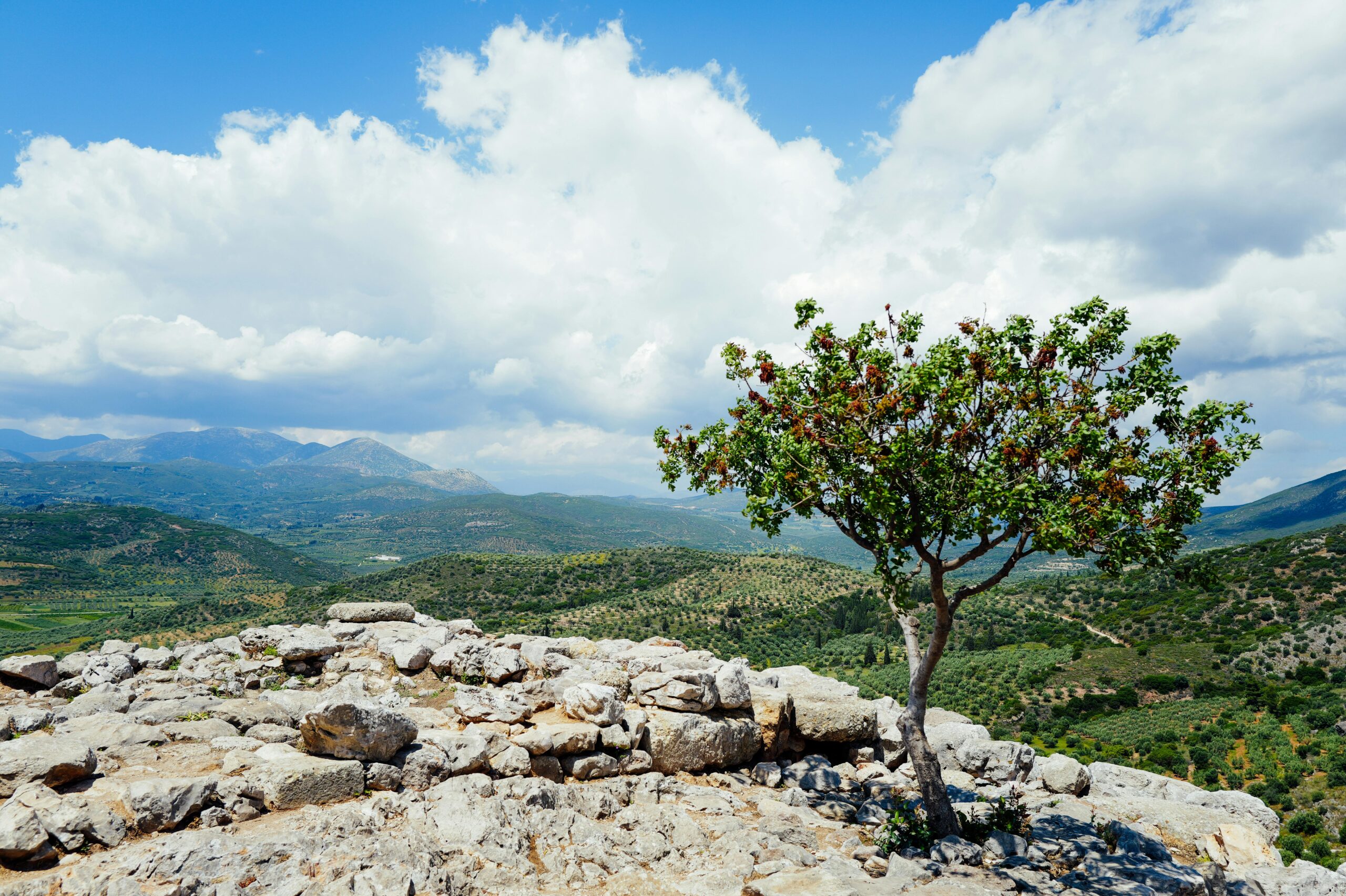
Crete’s Untamed Interior: Why You Can’t Just Stick to the Coast
The Psychological Pattern Behind Coastal-Only Trips
Most travelers default to Crete’s coastline because it feels safer and more familiar. Beaches, resorts, and tourist infrastructure are easy to access and promise relaxation. This choice is driven by a desire to minimize uncertainty and maximize comfort, especially after a long journey. The interior, with its rugged terrain and less polished villages, triggers hesitation and a fear of missing out on convenience.
Why Travelers Choose the Coast: The Comfort Trap
The coast offers a predictable environment: well-marked paths, English-speaking staff, and a steady stream of fellow tourists. This predictability creates an emotional comfort zone. Travelers often underestimate how much this choice limits their exposure to Crete’s authentic culture and history. The assumption is that the coast represents the island’s essence, but it’s actually a curated version designed for mass tourism.
The Emotional Gap: Expectation vs Reality
Visitors expect a seamless blend of natural beauty and cultural depth along the coast. Instead, many find crowded beaches, repetitive menus, and a lack of genuine local interaction. The disappointment usually hits when the initial novelty fades and the visitor senses something is missing — the rawness, the complexity, the stories that only the interior villages hold.
The Moment Disappointment Strikes
Disillusionment often occurs mid-trip, when travelers realize their coastal base doesn’t offer the immersive experience they imagined. They may try to take a day trip inland but find it rushed and superficial. This moment exposes the flaw in their planning: the interior’s scale and character require time and commitment, not a quick detour.
Traveler Types Most Prone to This Pattern
Urban comfort seekers and first-time visitors are most vulnerable to sticking to the coast. They prioritize ease over depth and often travel on tight schedules. Families with young children also lean toward coastal resorts for convenience. These groups underestimate how much the island’s interior demands in terms of mobility and patience but rewards with unmatched authenticity.
Crete’s Untamed Interior: Why You Can’t Just Stick to the Coast — A Clear Position
Ignoring Crete’s interior is a mistake that reduces the island to a postcard. The interior is not an optional side trip but the core of Crete’s identity. It’s where history, landscape, and culture collide in ways the coast can’t replicate. If you want to understand Crete beyond sunbathing and tourist menus, you must commit to exploring its rugged villages and wild landscapes.
A Counterintuitive Observation: The Interior Is More Accessible Than You Think
Many travelers assume the interior is inaccessible or too difficult to navigate. In reality, with a bit of planning and a willingness to forgo some coastal comforts, the interior’s roads and villages are reachable. The challenge is psychological, not logistical. The interior demands slower travel and openness to unpredictability, which many avoid but which actually enriches the visit.
Reframing Your Approach to Crete
Instead of viewing the interior as a risky detour, approach it as the heart of Crete’s experience. Accept that comfort will be different — less polished, more authentic. Plan your trip to include multiple days inland, allowing the island’s complexity to unfold naturally. This shift in mindset transforms frustration into discovery and turns a standard holiday into a meaningful encounter.
For travelers interested in cultural context beyond the coast, the
Greek Ministry of Culture offers valuable resources on Crete’s heritage. To deepen your understanding of Greece’s broader historical narrative, the Acropolis Museum provides insights that complement what you’ll find inland on Crete.
Conclusion
Recognizing the pattern is the first step. The second is building a trip around how you actually travel — not the traveler you imagine yourself to be. Most great Greece experiences start with that honesty.
Frequently asked questions
Why do many travelers avoid Crete’s interior?
They often perceive the interior as difficult to access or less comfortable compared to the coast, leading them to prioritize convenience and familiarity.
What is the main disappointment when sticking only to Crete’s coast?
Travelers usually find the coastal experience repetitive and lacking in authentic cultural engagement, missing the island’s deeper historical and social layers.
Are Crete’s interior villages safe and visitor-friendly?
Yes, most villages are safe and welcoming, though they require a willingness to adapt to slower travel and fewer tourist amenities.
What type of traveler benefits most from exploring Crete’s interior?
Those who seek cultural depth, historical context, and authentic local interactions benefit most from spending time inland.
Can you visit Crete’s interior without a car?
While possible, visiting the interior without a car is challenging and limits your ability to explore remote villages and landscapes fully.
How does visiting Crete’s interior change the overall trip experience?
It adds complexity, authenticity, and a richer understanding of the island’s identity beyond the tourist-focused coast.
Is it better to stay inland or on the coast when visiting Crete?
For a well-rounded experience, splitting your time between coast and interior is ideal. Staying only on the coast limits your exposure to the island’s true character.