

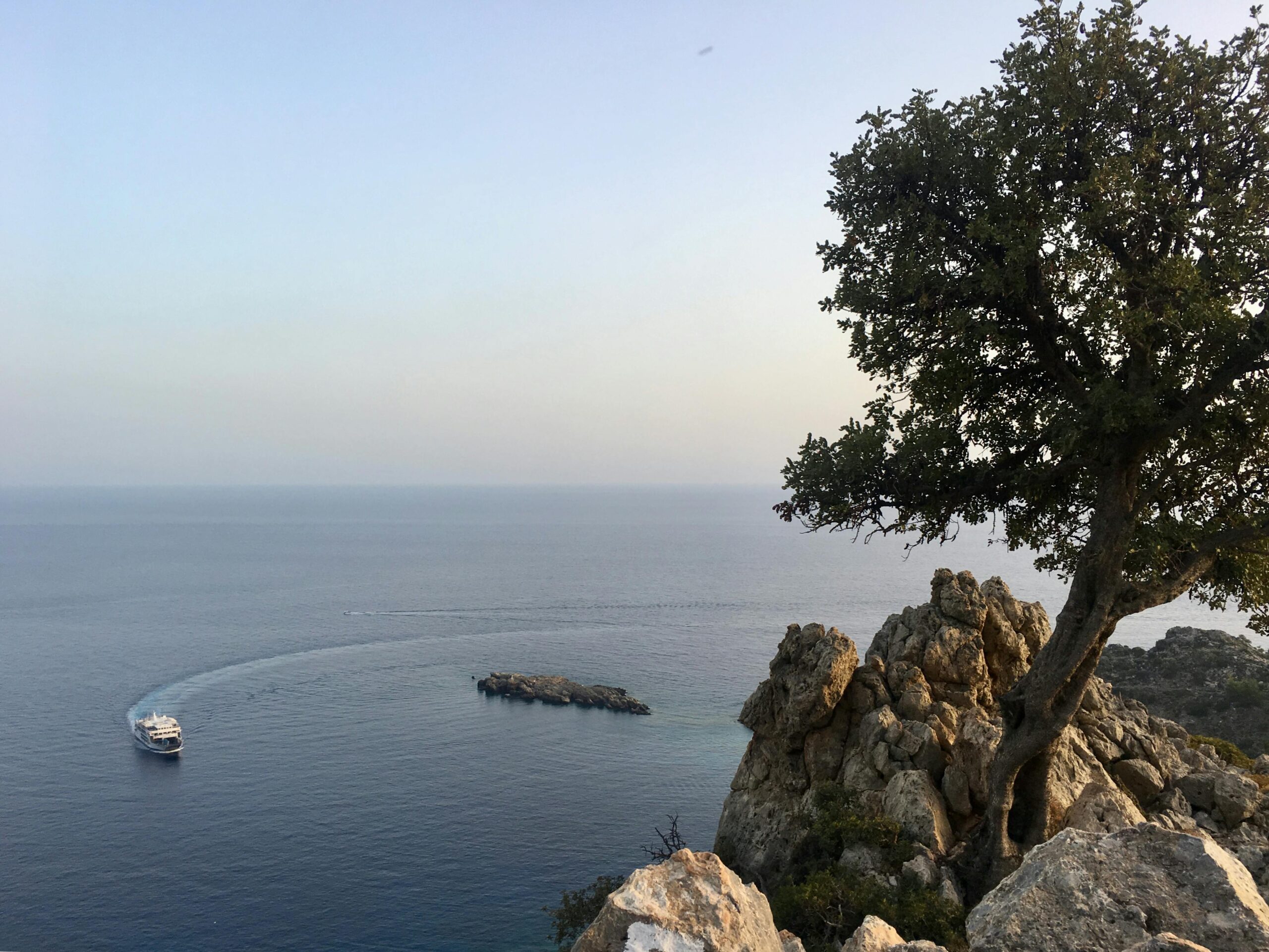
Crete’s Wild Interior: The Unpolished Side That Demands More Than Casual Planning is not a tagline; it’s a necessary warning. The island’s rugged heartland offers authentic experiences that most travelers misunderstand or underestimate. Without local insight, visitors often find themselves unprepared for the terrain, culture, and logistics.
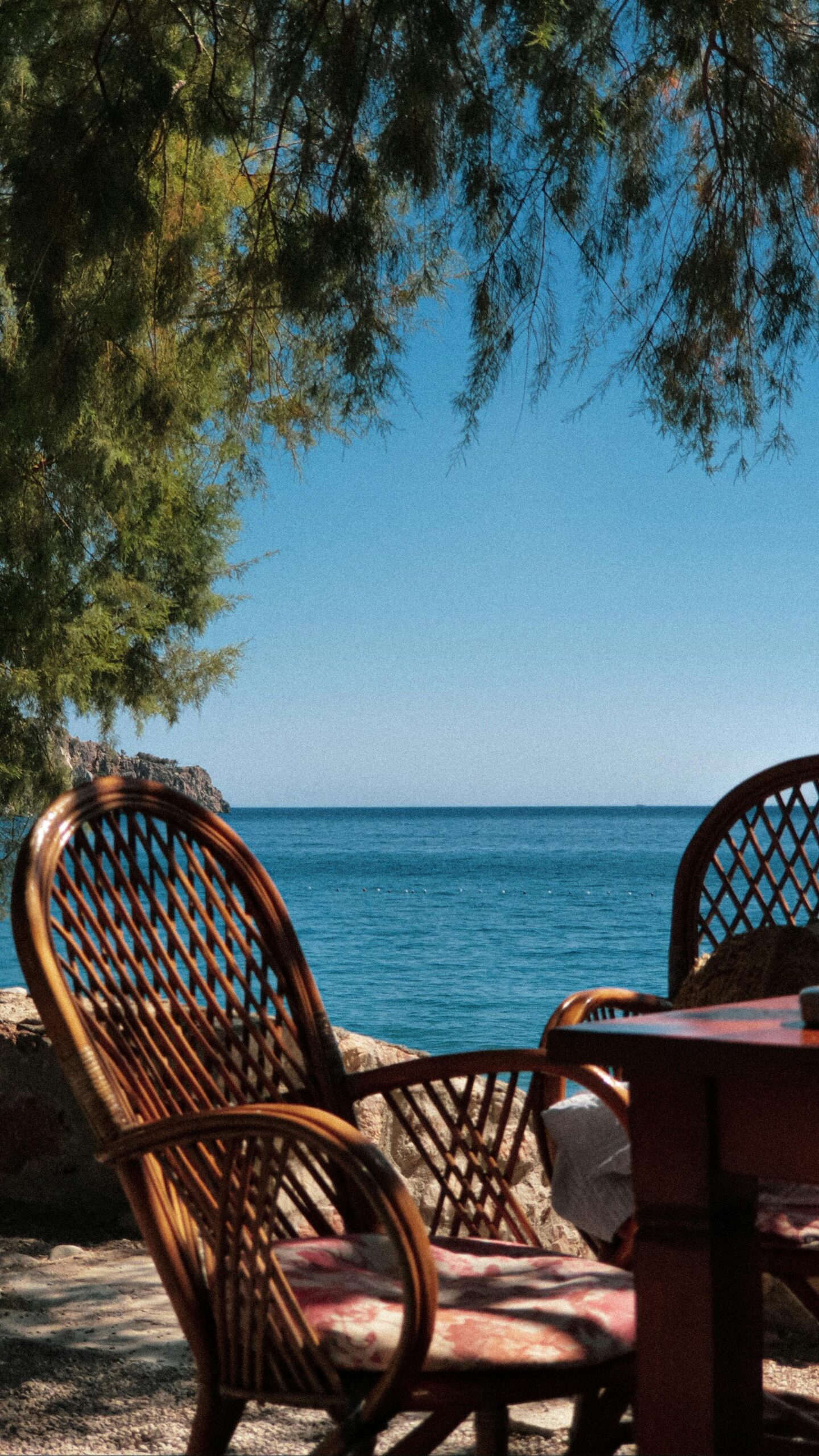
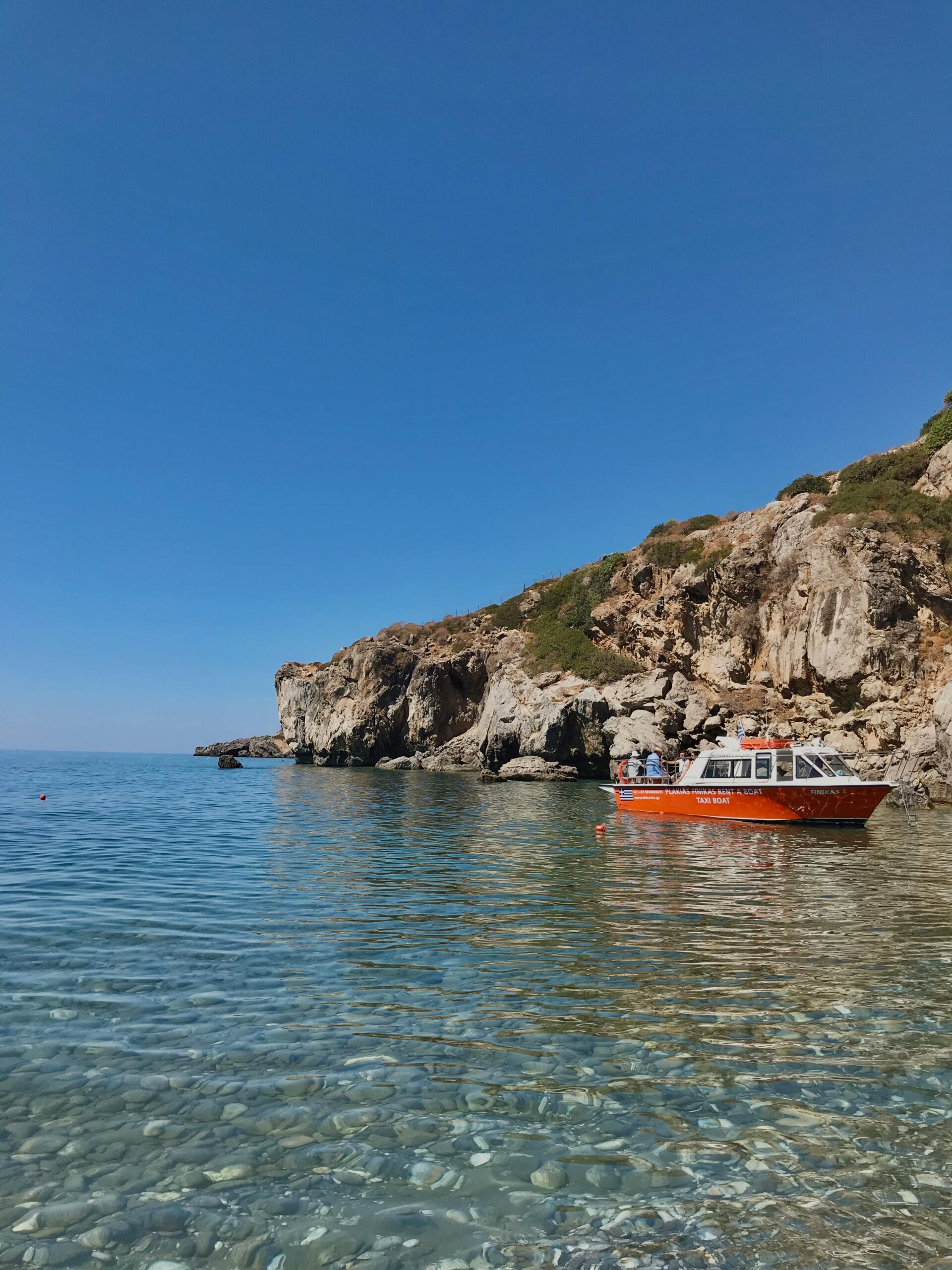
Crete’s Wild Interior: The Unpolished Side That Demands More Than Casual Planning
Common Misjudgments About Crete’s Wild Interior
Travelers frequently assume Crete’s interior is an easy extension of the coastal resorts, expecting straightforward access and tourist-ready infrastructure. This leads to two major errors: underestimating the physical demands of the terrain and overlooking the seasonal accessibility issues. Roads can be narrow, unpaved, and challenging for standard vehicles. Attempting to visit remote villages or gorges without local guidance often results in wasted time or safety risks.
Key Areas to Understand Before Heading Inland
The region around Selakano Forest is a prime example of Crete’s raw nature—dense pine woods with limited amenities. Near Lasithi Plateau, visitors face sudden weather changes and sparse services, requiring careful planning. The White Mountains (Lefka Ori) absorb most of the island’s harsh winter weather, making winter visits risky without proper equipment. Villages like Anogeia and Zaros offer authentic cultural exposure but have limited connectivity and basic accommodations. Finally, the dramatic Samaria Gorge may be well-known, but exploring beyond it into less trodden gorges exposes travelers to serious navigation challenges.
Crete’s Wild Interior: The Unpolished Side That Demands More Than Casual Planning – Why Expert Guidance Matters
Local knowledge is critical to avoid costly mistakes. For example, attempting to sequence visits to the interior without accounting for daylight hours or road conditions leads to rushed experiences or missed stops. Experts know when to advise against certain routes or seasons. Booking accommodations in central villages rather than isolated spots prevents logistical headaches. Experienced operators can also arrange trustworthy local guides, ensuring safety and meaningful engagement with the communities.
Who This Suits — And Who It Doesn’t
Crete’s interior suits travelers who prioritize cultural authenticity over comfort and who have moderate to high physical stamina. Those interested in history, traditional crafts, and nature preservation will find value here. It is not recommended for travelers seeking luxury, easy access, or guaranteed mobile connectivity. Families with young children or those with mobility issues will find the terrain and infrastructure too demanding.
A Counterintuitive Reality: The Interior Is Less Hospitable in Summer
Contrary to popular belief, the interior is often less hospitable in summer than the coast. Temperatures can soar above 35°C, and shade is limited outside forested areas. Many small villages close down as locals escape to the coast. Spring and autumn offer more moderate weather and open services. This seasonal factor is overlooked by many travelers who arrive in July or August expecting a cooler, quieter retreat.
Trade-Offs: What You Gain and What You Lose
Visiting Crete’s wild interior rewards visitors with unfiltered cultural encounters, untouched landscapes, and a break from Greece’s busier tourist corridors. You gain a deeper understanding of Cretan identity and a sense of solitude rare on the island. The trade-off is sacrificing convenience, luxury, and a predictable itinerary. If you prioritize ease and standard amenities, this interior region will feel frustrating and underwhelming.
For those interested in the broader historical context, a visit to the
Hellenic Ministry of Culture website provides valuable background on Cretan heritage. Meanwhile, those curious about archaeological findings related to Crete’s interior might find insights at the Acropolis Museum, which offers exhibits contextualizing the island’s ancient past.
Conclusion
Greece rewards travelers who arrive with a plan built around how they actually travel — not a generic template. The difference between a frustrating trip and a remarkable one often comes down to sequence, timing, and knowing which trade-offs matter for your situation.
Frequently asked questions
Is Crete’s wild interior accessible year-round?
No. Some areas, especially mountainous ones like the White Mountains, have limited accessibility in winter due to snow and road conditions. Spring and autumn are the most reliable seasons for visiting.
What kind of accommodation can I expect in Crete’s interior?
Expect basic, family-run guesthouses or small inns rather than luxury hotels. Many villages have limited options, so booking in advance and choosing a central location is essential.
Do I need special equipment to explore the interior?
For hiking or visiting remote areas, sturdy footwear and some physical fitness are required. Standard vehicles may struggle on unpaved or narrow roads, so a 4×4 or local guidance is recommended.
Can I rely on mobile phone coverage in the interior?
Coverage is patchy at best. Many remote villages and gorges have limited or no signal, so plan accordingly and avoid depending solely on mobile navigation.
Are guided tours necessary in Crete’s wild interior?
While not mandatory, local guides significantly enhance safety and cultural understanding. They also help navigate challenging routes and ensure you don’t miss key sites.
Which villages in the interior provide authentic cultural experiences?
Anogeia and Zaros are notable for their traditional crafts, music, and local cuisine. These villages maintain a lifestyle closer to historical Cretan roots compared to coastal resorts.
Why is summer not the best time to visit Crete’s interior?
High temperatures, closed local businesses, and scarce shade make summer less hospitable. Spring and autumn offer milder weather and a livelier local atmosphere.