

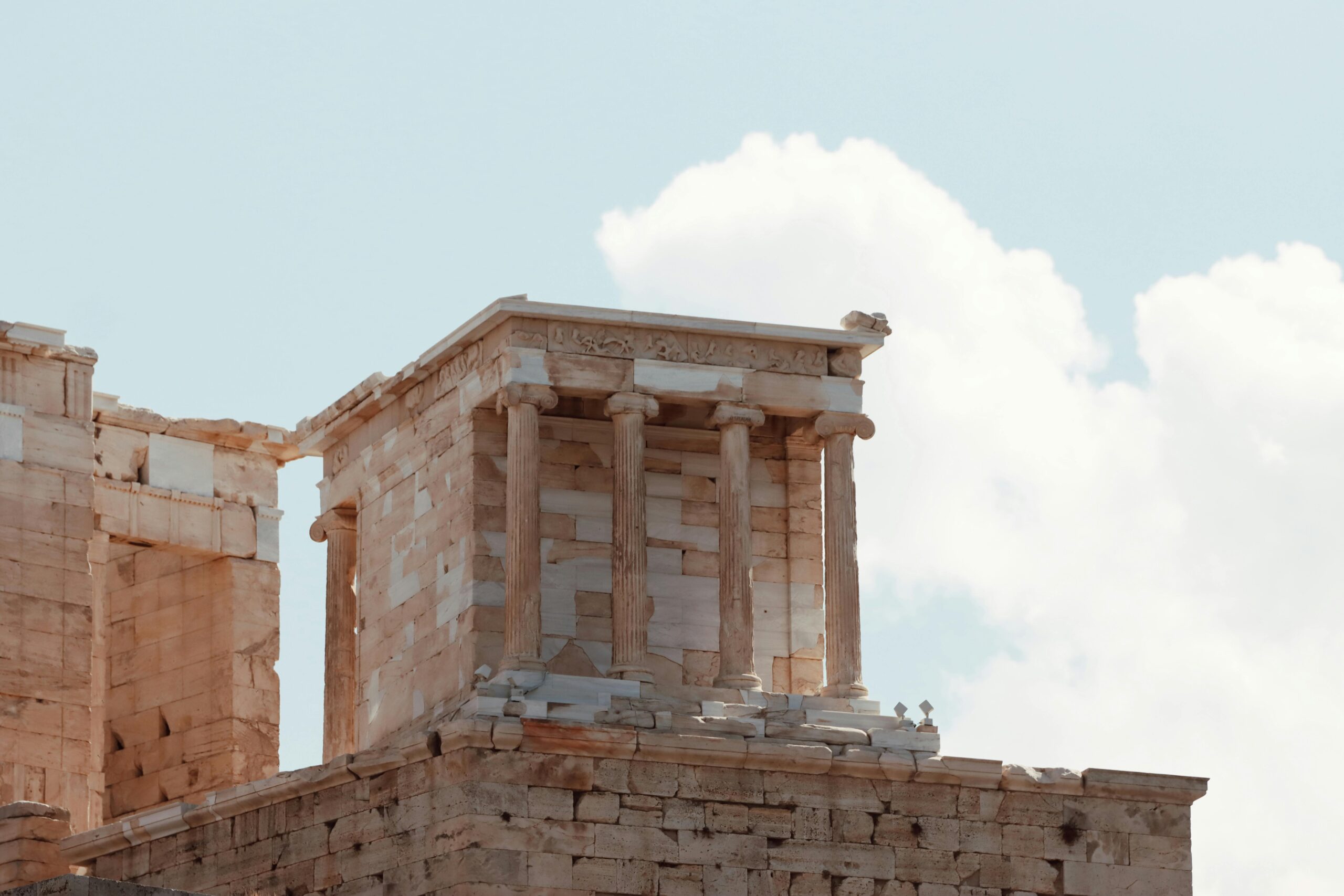
Greek Cultural Heritage Tours: What Most Travelers Miss is a topic worth serious attention, especially in Athens where the layers of history are dense and often oversimplified. Many visitors believe ticking off famous sites is enough, but the reality of Athens’ cultural heritage demands more than a checklist.
Understanding what most travelers miss can transform your experience from surface-level sightseeing to meaningful engagement with the city’s complex past.
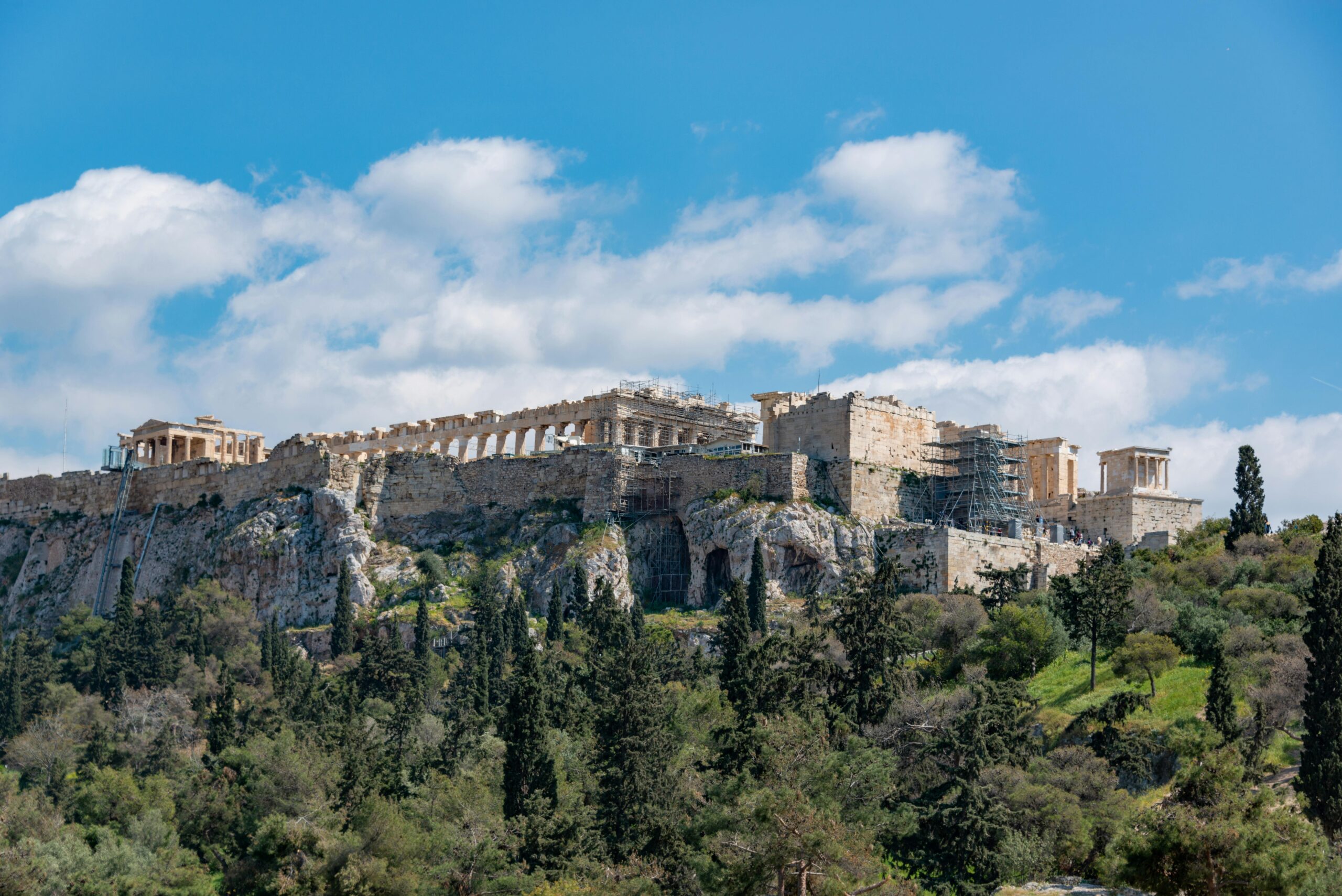

Greek Cultural Heritage Tours: What Most Travelers Miss
Most Travelers Mistake Quantity for Quality
A common error is trying to see every major ancient site in Athens in a single day, believing more stops equals more value. This leads to rushed visits where context is lost, and the significance of places like the Acropolis or the Ancient Agora is reduced to photo ops. Deep understanding requires selective focus rather than volume.
The Overlooked Neighborhoods That Define Athens’ Heritage
Beyond the obvious archaeological sites, neighborhoods like Plaka, Anafiotika, Psiri, and Metaxourgeio hold authentic stories of Athens’ social and cultural evolution. These areas reveal layers of Byzantine and Ottoman influences, working-class history, and modern artistic movements that typical tours skip.
Greek Cultural Heritage Tours: What Most Travelers Miss in Depth
Most organized tours concentrate on classical antiquity, neglecting Byzantine and Ottoman periods which are crucial to understanding Athens’ identity. For example, the Byzantine Museum and hidden Ottoman-era mosques in the city center expose narratives that contradict the classical-only focus. This gap leaves travelers with a skewed impression of Greek culture as purely ancient Greek.
Who This Suits—and Who Should Look Elsewhere
Travelers committed to history beyond the surface will appreciate a tour that balances archaeological sites with neighborhood exploration and museum visits. Those interested only in quick snapshots of famous landmarks or who dislike walking in urban settings will find deeper heritage tours frustrating. If your goal is Instagram-ready moments rather than substance, skip the deeper dives.
A Counterintuitive Observation: The Acropolis Museum Isn’t Always the Best Starting Point
Contrary to popular advice, beginning your cultural heritage tour at the Acropolis Museum can overwhelm you with artifacts detached from their real-world context. Sometimes, it’s better to start in neighborhoods like Plaka or the Ancient Agora to physically situate yourself within the city’s evolving narrative before viewing curated displays. This approach improves comprehension and appreciation.
Trade-Offs: Depth Requires Sacrificing Convenience and Speed
Choosing a deeper cultural heritage experience means fewer sites per day, more walking, and sometimes less comfort. You give up the convenience of packaged tours that shuttle you quickly between highlights. In return, you gain nuanced understanding, richer stories, and encounters with Athens’ living culture, not just its relics.
Conclusion
Greece rewards travelers who arrive with a plan built around how they actually travel — not a generic template. The difference between a frustrating trip and a remarkable one often comes down to sequence, timing, and knowing which trade-offs matter for your situation.
For official cultural sites and updated heritage information, consult resources like the
Ministry of Culture. To deepen your experience, the Acropolis Museum offers more than just displays—it provides context when visited with preparation.
Frequently asked questions
What do most travelers miss on Greek cultural heritage tours in Athens?
They often miss the Byzantine and Ottoman layers of Athens’ history, focusing only on classical antiquity and major archaeological sites without exploring neighborhoods or lesser-known museums.
Are all cultural heritage tours in Athens the same?
No, many tours prioritize quantity over depth, rushing through sites. Deeper tours emphasize context, neighborhood history, and a balanced representation of Athens’ diverse past.
Which neighborhoods in Athens are important for cultural heritage beyond the typical sites?
Plaka, Anafiotika, Psiri, and Metaxourgeio are key neighborhoods that reveal Athens’ social and cultural layers often ignored by standard tours.
Who should avoid in-depth cultural heritage tours in Athens?
Travelers looking for quick landmark visits or those uncomfortable with walking and urban exploration might find deeper tours demanding and less suited to their travel style.
Is the Acropolis Museum the best place to start a cultural heritage tour in Athens?
Surprisingly, starting in neighborhoods or archaeological sites before visiting the museum can enhance understanding by situating artifacts within their physical and historical context.
What are the trade-offs of choosing a deeper cultural heritage tour in Athens?
You sacrifice speed and convenience, covering fewer sites per day and walking more, but gain a richer, more accurate understanding of Athens’ multi-layered history.
Where can I find official information about cultural heritage sites in Greece?
The Greek Ministry of Culture website (https://culture.gov.gr/en/) provides authoritative information and updates on sites and museums.