

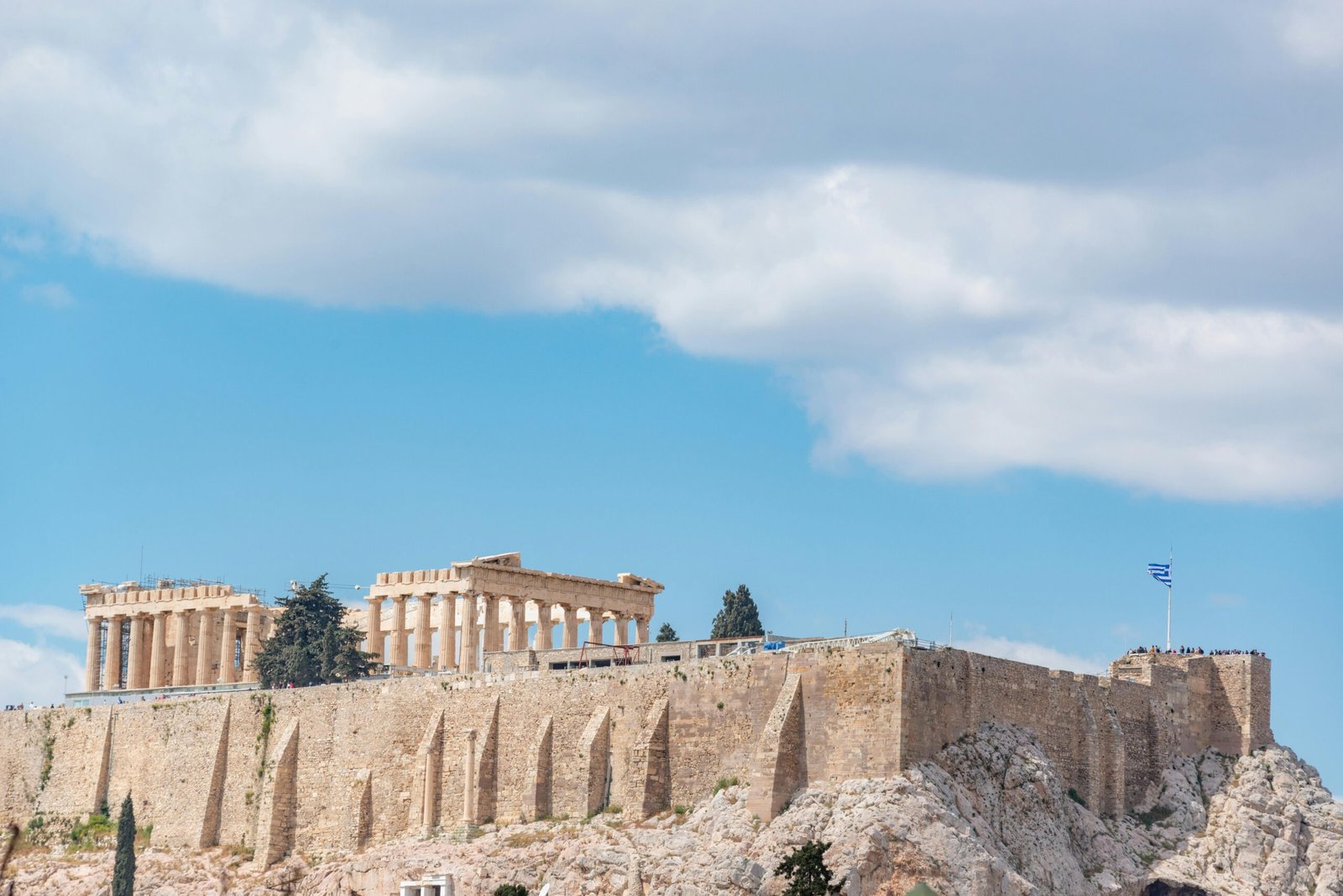
Why Planning the Peloponnese Without Help Is Easier to Get Wrong Than Right is not a dramatic claim; it is the reality of a region that looks straightforward on a map and gets messy in practice. The distances are deceptive, the rhythm changes sharply from one area to the next, and the wrong base can waste an entire trip.
Most travelers underestimate how much the Peloponnese punishes vague planning. If you want ancient sites, coastal stays, mountain towns, and proper beach time in one trip, the sequencing and location choices matter more here than in most of Greece.
Why Planning the Peloponnese Without Help Is Easier to Get Wrong Than Right
The Peloponnese is one of Greece’s most misunderstood regions. It looks compact, but the practical experience is a patchwork of different travel styles: archaeological circuits, seaside resort areas, mountain villages, and long stretches that are perfectly fine to cross but not worth overbuilding into a trip.
My position is simple: if you are trying to combine culture, coastline, and relaxed pacing in the Peloponnese, generic planning usually fails. You can absolutely do it well, but not by treating Nafplio, Monemvasia, Kalamata, and the Mani as interchangeable stops on a broad loop.
Why Planning the Peloponnese Without Help Is Easier to Get Wrong Than Right
The biggest mistake is assuming the region works like a tidy circuit. It does not. Travelers often string together too many places that look close on paper, then end up spending too much of the trip in transit, checking in and out, or recovering from poor base choices.
The second mistake is choosing accommodation by name recognition instead of function. Staying in central Nafplio feels convenient for many first-timers, while using Kalamata as a base can make sense for people focused on the southwest, but putting the wrong type of traveler in the wrong place creates friction fast. A family looking for easy beach access and a couple chasing archaeological depth do not need the same setup.
There is also a seasonal error that gets repeated constantly: people arrive expecting one uniform version of the Peloponnese. In summer, some coastal areas become busy and less forgiving; in shoulder season, parts of the region feel quieter and more operationally limited. Ignoring that difference leads to accommodation disappointment, not a minor inconvenience.
The places that shape the trip
Four names come up again and again because they define very different experiences: Nafplio, Monemvasia, Kalamata, and the Mani. Add Ancient Olympia and Mystras, and you have the backbone of most serious Peloponnese trips. These are not interchangeable sightseeing dots; each one changes the tone of the journey.
Nafplio works for travelers who want a polished, easygoing base with strong food and a sense of order. Monemvasia is more specific: people go there for atmosphere and a slower pace, but it is not a place for travelers who need variety or convenience. Kalamata is practical and often underestimated, while the Mani appeals to travelers who want a more rugged, less curated landscape.
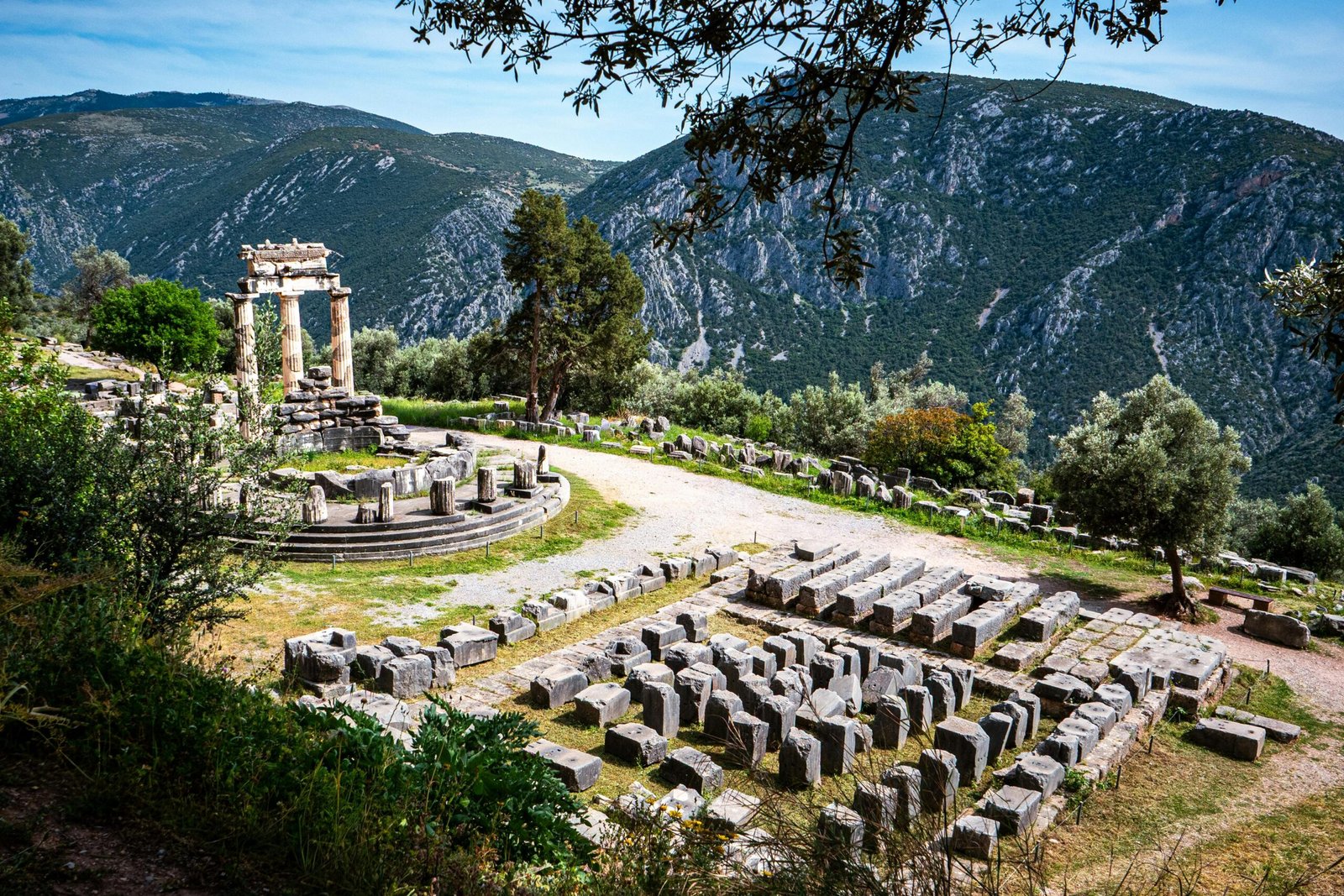
For official background on the region’s cultural weight, the Greek Ministry of Culture is worth consulting at https://culture.gov.gr/en/. That matters because the Peloponnese is not just a scenic region; it is one of the densest cultural landscapes in Greece, and that density is exactly why sloppy planning causes so many missed opportunities.
What travelers consistently get wrong here
First, they underestimate how much the Peloponnese changes by zone. The north, the central inland routes, the Argolid, the Mani, and the southwest all behave differently. A traveler who wants easy beaches, for example, may be disappointed if they choose a base that is excellent for monuments but weak for relaxed coastal time.
Second, they overpack the itinerary with famous names and underweight the in-between places that make the region work. That is how people end up doing a lot of driving, seeing a lot of signage, and feeling oddly unsatisfied. The Peloponnese is not a region that rewards box-ticking.
Here is the practical consequence: the wrong sequencing can turn a trip from balanced to exhausting. If you place the most demanding sightseeing early, then add a poor accommodation choice and long cross-region moves, you spend the second half of the trip correcting mistakes instead of enjoying Greece.
Who this suits
The Peloponnese suits travelers who like structure but do not need everything pre-digested. It works well for couples, repeat Greece visitors, culture-focused travelers, and families who are comfortable with a slower, more grounded rhythm. It also suits people who care about good food and local character more than polished resort uniformity.
It does not suit travelers who want one base to do everything, or people who dislike regional variety. If your idea of a good trip is minimal moving parts and instant access to the same kind of beach, restaurant, and evening scene every day, this is not the easiest part of Greece to make work.
- Best fit: culture-led travelers who want depth over volume.
- Best fit: couples and families comfortable with mixed pacing.
- Less suitable: first-time visitors who want a simple, resort-style holiday.
- Less suitable: travelers who hate changing bases or adapting to different local rhythms.
A counterintuitive truth about the region
The surprising part is that the most famous places are not always the hardest to handle. Nafplio, for example, is often easier to use well than lesser-known areas because it has a clear role and a predictable visitor experience. The real planning problems usually start when travelers chase “authenticity” without understanding what that actually means on the ground.
That is why Why Planning the Peloponnese Without Help Is Easier to Get Wrong Than Right comes up so often in serious trip design. The region can be deeply satisfying, but only when the plan matches the traveler’s actual pace, not the fantasy version of the destination.
What you gain, and what you give up
If you plan the Peloponnese well, you gain a trip with real variety: major archaeological sites, strong regional food, proper coastal scenery, and places that still feel like they have a working local life. You also gain flexibility in the kind of trip you are building, whether that is high-comfort, culture-heavy, or slower and more rural.
What you give up is simplicity. The region asks for sharper decisions about base location, trip length, and pace. Travelers who insist on seeing everything usually end up seeing less well.
For broader trip context and destination framing,
https://visitgreece.gr/ is useful, but it will not solve the real problem here: the Peloponnese is a region where the difference between a good trip and a frustrating one is often in the planning, not the destination itself.
Why expert help changes the outcome
Good planning here is not about luxury for its own sake. It is about matching traveler type to the right part of the region, keeping the trip coherent, and avoiding the common errors that waste time and energy. That is especially true for first-timers who want a broad Greece experience without turning the Peloponnese into a logistical exercise.
Why Planning the Peloponnese Without Help Is Easier to Get Wrong Than Right is exactly the kind of lesson travelers learn after the fact. The people who enjoy this region most are usually the ones whose trip was shaped around how it actually works, not how it looks from a distance.
Most Greece trips follow the same tired script. The ones that don’t — the ones travelers still talk about years later — were built around a real understanding of how this country works. That kind of understanding takes time, or it takes someone who already has it.
Frequently asked questions
Is the Peloponnese a good first-time Greece destination?
Yes, but only for first-time travelers who want depth and are comfortable with a less simplified trip. If you want one easy base and a very light planning load, it is not the easiest first choice.
What do travelers most often get wrong about the Peloponnese?
They underestimate distance, choose the wrong base for their travel style, and try to cover too many named places in one trip. The region looks compact until you try to make it function as a single loop.
Which places are most useful for a well-planned Peloponnese trip?
Nafplio, Monemvasia, Kalamata, the Mani, Ancient Olympia, and Mystras are the names that matter most for planning. Each serves a different purpose, and that difference matters more than most travelers realize.
How much time do you need in the Peloponnese?
Enough time to avoid turning it into a rushed checklist. Short trips can work, but only if the plan is disciplined and the number of bases is kept under control.
Is the Peloponnese better for beaches or culture?
It can do both, but the best trips usually lean one way and use the other as support. Trying to force equal weight on beaches and monuments is where many itineraries start to break down.
Do you really need help planning a Peloponnese trip?
If you want a simple beach holiday, probably not. If you want a balanced trip with multiple regions, good pacing, and fewer expensive mistakes, expert help makes a real difference.