

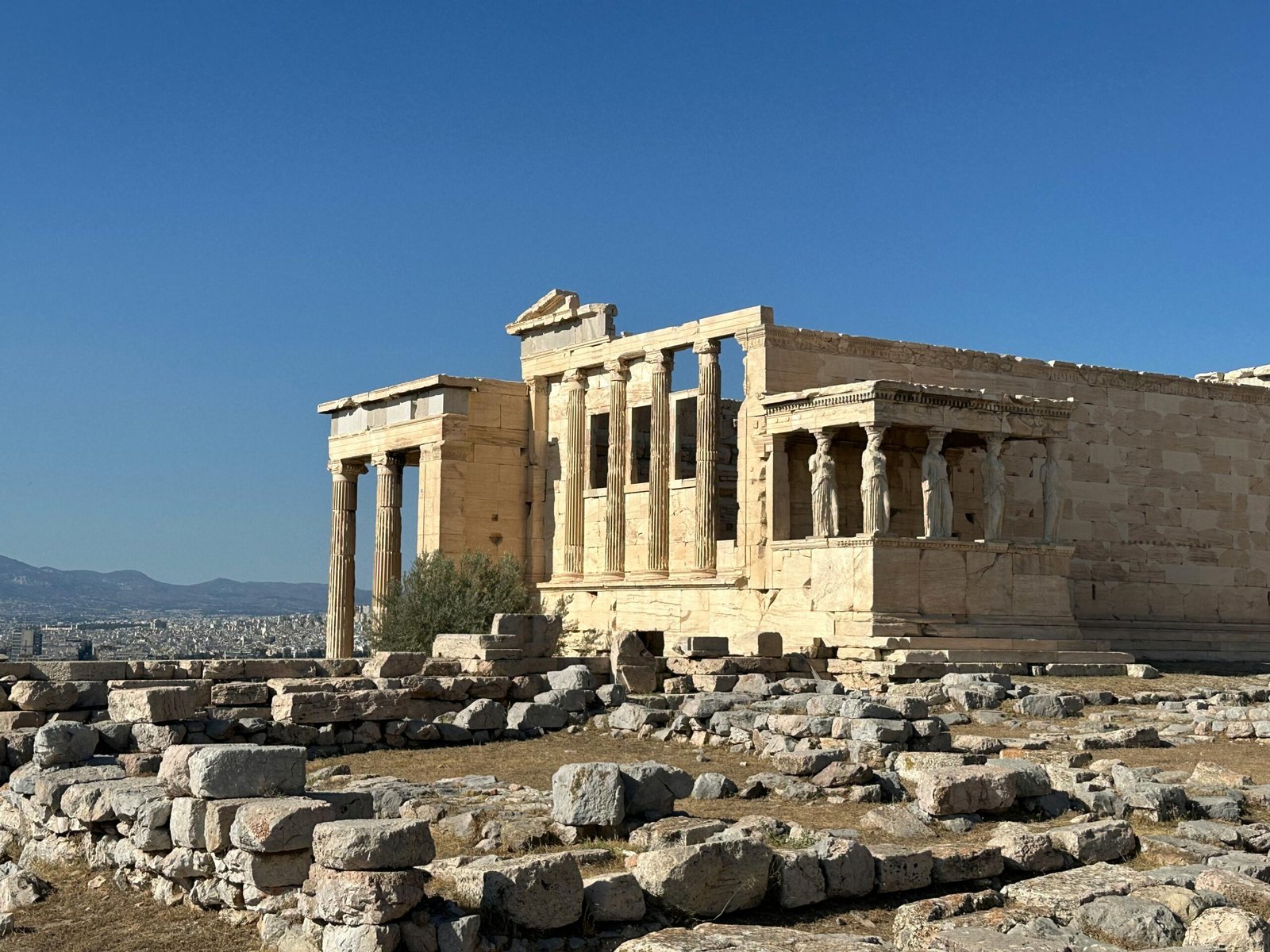
Why a Peloponnese Trip Breaks DIY Greece Planning Faster Than Islands Do is not a dramatic headline; it is a planning reality. The Peloponnese looks simple on a map because it is one landmass, but the region behaves like several different trips stitched together: ancient sites, mountain towns, coastal stretches, and long transfer days that eat time fast.
Travelers usually underestimate two things here: how much ground they are trying to cover, and how much the quality of the trip depends on sequencing. If you plan the Peloponnese the way you plan an island stay, you end up with too much driving, too many bases, and not enough actual time in the places you thought you were visiting.
Why a Peloponnese Trip Breaks DIY Greece Planning Faster Than Islands Do
I say this plainly: the Peloponnese is one of the easiest places in Greece to ruin with a confident DIY plan. It looks straightforward because there are no ferries to juggle and no island-hopping drama, so people assume the hard part is gone. In reality, the hard part is choosing what not to do, because the region punishes overreach more than almost anywhere else in mainland Greece.
Why a Peloponnese Trip Breaks DIY Greece Planning Faster Than Islands Do is exactly the kind of trip that exposes weak planning. You are not dealing with a single resort base or a neat cluster of day trips. You are dealing with places that are culturally rich but geographically spread out, and that combination catches people out all the time.
Why a Peloponnese Trip Breaks DIY Greece Planning Faster Than Islands Do: the map lies by omission
The map makes the Peloponnese look compact. It is not compact in the way travelers mean when they say they want an easy Greece trip. Nafplio, Monemvasia, Gythio, Kalamata, Olympia, and the Mani each have their own character, but they are not interchangeable and they are not all sensible to combine in one short trip.
The mistake is assuming distance is the only issue. In the Peloponnese, the real issue is that every place pulls you in a different direction: one area is about archaeology, another about coastal scenery, another about mountain roads, and another about food and local life. That is why Why a Peloponnese Trip Breaks DIY Greece Planning Faster Than Islands Do is such a useful planning lesson: the region is less about movement and more about editing.
Two mistakes travelers repeat here
First, they use Nafplio as a soft landing and then treat it like a hub for everything. It is a good base, but not a magic one. People quickly discover that adding Mycenae, Epidaurus, and then trying to push farther south in the same broad plan creates a trip that feels busy without feeling deep.
Second, they underestimate the strain of mixing archaeological sites with long scenic driving days. Ancient Corinth, Mycenae, Olympia, and the coastal towns can all be excellent, but stacking them badly produces fatigue and weakens every stop. This is where Why a Peloponnese Trip Breaks DIY Greece Planning Faster Than Islands Do becomes obvious in practice: the region does not forgive lazy sequencing.
What expert planning changes in the Peloponnese
Good planning here is not about squeezing in more. It is about choosing a clean route logic and resisting the urge to “just add one more place.” The Peloponnese rewards travelers who accept that a strong trip is usually built around a few anchors, not a long list of names.
That means understanding the difference between a history-focused trip and a coast-and-village trip before booking anything. If you want Nafplio, Mycenae, and Epidaurus, that is one kind of trip. If you want Monemvasia, the Mani, and Gythio, that is a different trip. Trying to force both into one short itinerary is where DIY planning starts to fray.
For travelers who want context before they book, the official cultural framework matters too. Sites are not just photo stops; they are part of a wider historical landscape, and the details matter. The Ministry of Culture’s site at https://culture.gov.gr/en/ is useful because it reminds you how much of the Peloponnese is tied to protected heritage, not just scenic movement.
Counterintuitive truth: the islands are often easier
This is the part most people do not expect. For a short trip, several Greek islands are simpler to plan than the Peloponnese because the geography forces clearer choices. On an island, you usually know what you are there for. In the Peloponnese, travelers feel tempted to “see everything,” and that temptation is exactly what breaks the plan.
That is why Why a Peloponnese Trip Breaks DIY Greece Planning Faster Than Islands Do is not just a slogan; it reflects how people behave once they see the region on a map. The islands can narrow your options. The Peloponnese opens them up, and that extra freedom often leads to worse decisions, not better ones.
Who this suits
This region suits travelers who like variety but are disciplined enough to accept limits. It is strong for couples, history-focused travelers, food-led travelers, and repeat visitors to Greece who already know they do not need a “best of everything” trip. It also works for people who enjoy slower mornings and do not mind basing themselves well rather than moving constantly.
- Best fit: travelers who want archaeology, local towns, and coastal scenery in one trip.
- Best fit: repeat Greece visitors who already know the island formula.
- Not a good fit: first-timers who want a simple, beach-heavy, low-decision holiday.
- Not a good fit: anyone who gets restless when a trip has fewer bases but deeper days.
If you are the kind of traveler who gets anxious when a destination does not have an obvious “main center,” the Peloponnese will frustrate you. If you like structure, local texture, and a trip that feels grounded rather than packaged, it can be excellent. The key is being honest about your pace before you book.
Places that expose bad planning fast
Nafplio is where many people start, and for good reason: it is one of the region’s most usable bases. But it also tempts travelers into thinking they have solved the trip already. Mycenae and Epidaurus are close enough to make sense from there, yet that does not mean the rest of the Peloponnese should be folded into the same plan.
Monemvasia is another place that exposes weak planning, because it asks for commitment. It is not the kind of stop you casually “fit in” at the end of a long day and still enjoy properly. The Mani, especially around Areopoli and Limeni, has the same effect: travelers either give it enough room or they miss the point entirely.
Kalamata and Olympia also create different expectations. Kalamata works better for people who want a functioning base with food and access to the western Peloponnese, while Olympia is primarily about the site and the surrounding historical context. Trying to treat either one as a universal base is where trips start to feel inefficient.
For broader trip framing and seasonal awareness, the national tourism board is still worth checking, especially if you are comparing the Peloponnese with island options.
https://visitgreece.gr/ is useful for getting a baseline, but it will not tell you which combination actually works well for your style of travel. That is the gap expert planning fills.
The trade-offs: what you gain and what you give up
You gain depth, variety, and a Greece trip that feels less generic. You also gain better value if you plan well, because the Peloponnese can deliver a lot without the premium pricing pressure of the most obvious island names. For travelers who care about substance, that matters more than a perfect sea view.
You give up convenience. You give up the easy certainty of a neat island base and the comfort of knowing every day will be simple. You also give up some spontaneity, because the region rewards forethought and punishes vague ideas. That is not a flaw; it is the price of a better trip.
Why a Peloponnese Trip Breaks DIY Greece Planning Faster Than Islands Do is ultimately about this trade-off. The region can be excellent, but only if you accept that its complexity is part of the experience, not a problem to be ignored.
Greece rewards travelers who arrive with a plan built around how they actually travel — not a generic template. The difference between a frustrating trip and a remarkable one often comes down to sequence, timing, and knowing which trade-offs matter for your situation.
Frequently asked questions
Why is the Peloponnese harder to plan than Greek islands?
Because it looks compact but functions like several different trips in one region. The challenge is not transport alone; it is choosing a realistic route, base, and pace without overfilling the schedule.
What do travelers get wrong most often in the Peloponnese?
They try to combine too many major places in one short trip. Nafplio, Monemvasia, the Mani, Olympia, and Kalamata each need different planning logic, and forcing them together usually creates fatigue.
Is the Peloponnese good for first-time visitors to Greece?
Yes, but only for first-timers who want history, local towns, and a more grounded mainland trip. It is not the best choice for travelers who want a simple beach holiday with minimal planning.
Which Peloponnese areas are easiest to base in?
Nafplio is the most flexible for the northeastern part of the region. Kalamata can work well for the west, while Areopoli and Monemvasia are better for travelers who want a more focused southern or southeastern stay.
What is the biggest planning mistake that causes problems later?
Wrong sequencing. If you place long-distance stops back-to-back or use one base for too many very different areas, the trip feels rushed and the best sites lose impact.
Does the Peloponnese suit luxury travelers?
Yes, especially travelers who value privacy, strong hotels, and a slower pace. It suits people who want substance over spectacle and are willing to plan carefully to get it.