

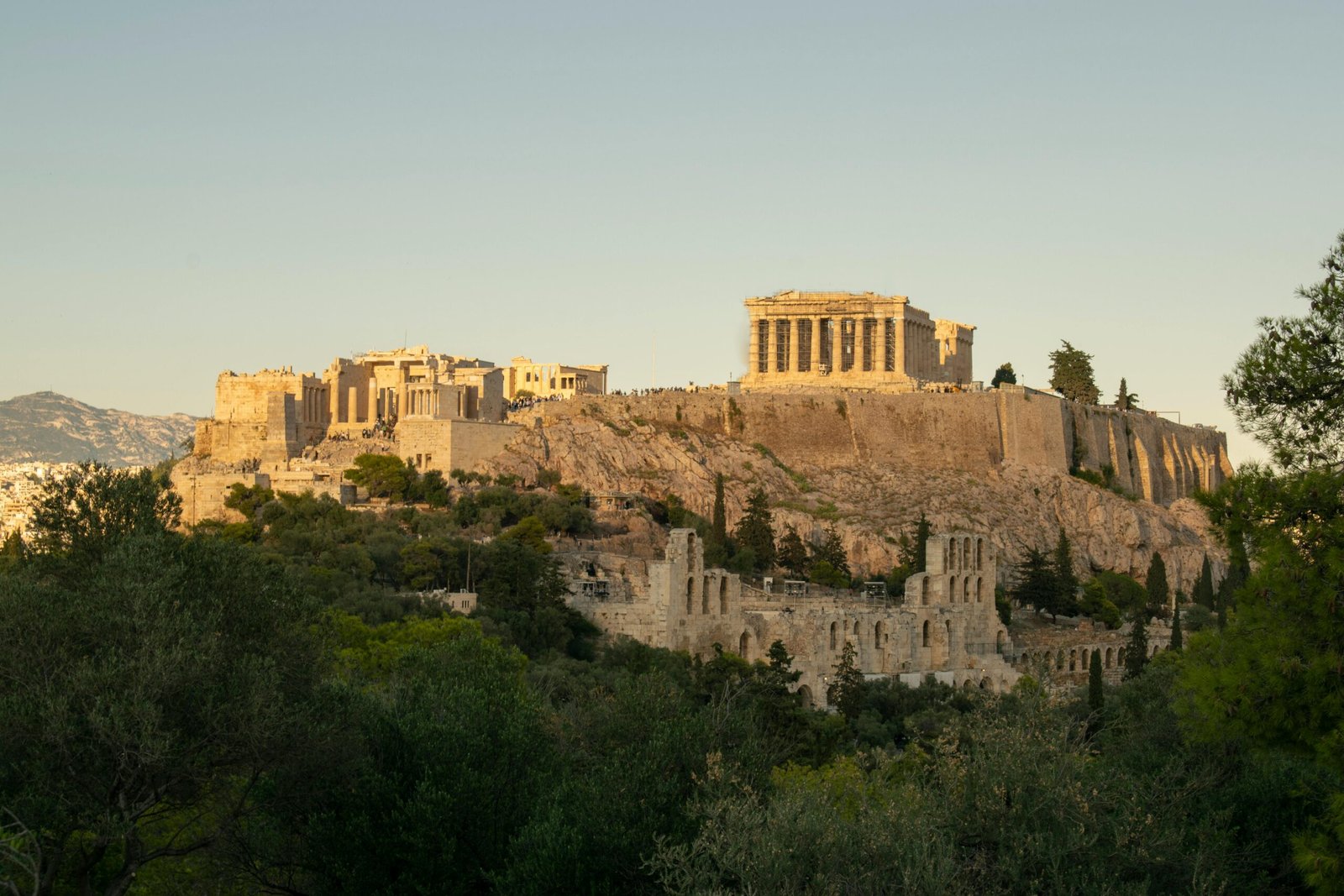
Why the Peloponnese Is Harder to Plan Than Most Travelers Expect is simple: this is not a neat, easy region you can treat like a single destination. It is a large, varied mainland area where coast, archaeology, mountain towns, and serious driving distances all compete for attention, and that mix punishes vague planning.
Travelers usually underestimate how much time gets lost to pacing, not just distance. They also assume they can combine famous ruins, beach time, and traditional inland stays in one smooth trip without making trade-offs; that is where most itineraries start to unravel.
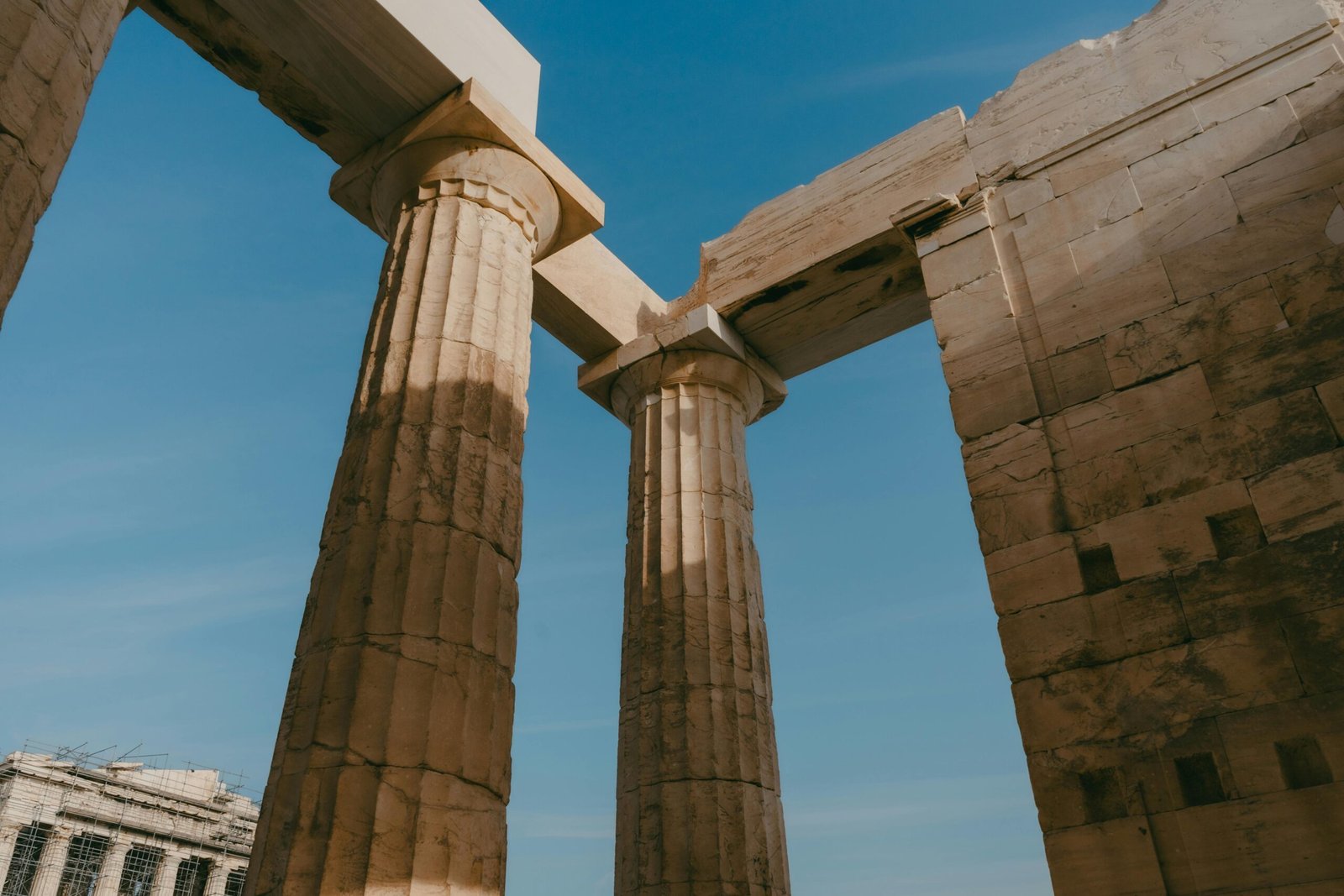
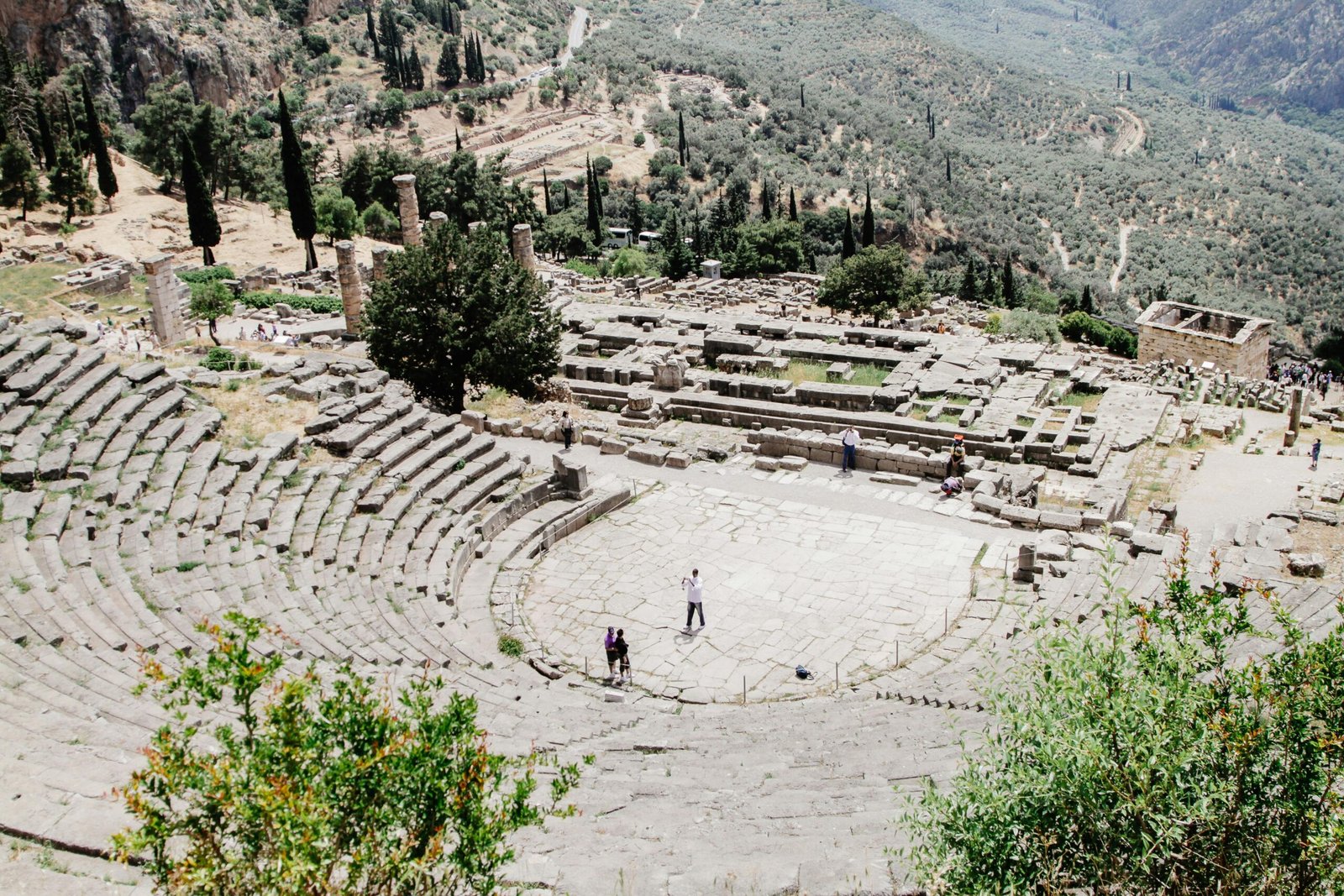
Why the Peloponnese Is Harder to Plan Than Most Travelers Expect
I am blunt about this because people waste too much energy trying to make the Peloponnese behave like a compact island. It does not. Why the Peloponnese Is Harder to Plan Than Most Travelers Expect is not a slogan; it is the basic planning reality for anyone trying to cover Nafplio, Monemvasia, Mani, Olympia, and the west coast in one clean sweep.
The region rewards travelers who know what kind of trip they actually want. If you want depth, variety, and fewer crowds than the most obvious Greek circuits, the Peloponnese delivers. If you want simple, low-decision travel, this is not the place to improvise.
Why the Peloponnese Is Harder to Plan Than Most Travelers Expect for first-time visitors
The first mistake is treating the Peloponnese as one homogenous region. It is not even close. Nafplio, the Mani, Olympia, and Monemvasia each serve a different kind of traveler, and trying to “do the Peloponnese” without choosing a primary base or theme usually produces a rushed, expensive trip.
The second mistake is underestimating how much the region asks from you in terms of energy. This is a place where a beautiful day can still feel long if your accommodation choice is wrong or your route is overstuffed. Travelers often come away saying they “saw a lot” but did not actually enjoy much of it.
That is why Why the Peloponnese Is Harder to Plan Than Most Travelers Expect matters as a planning question, not just a search phrase. The region punishes people who try to collect highlights instead of building a trip around realistic daily rhythm.
The places that matter most — and why they are not interchangeable
Nafplio is the most forgiving base for travelers who want a polished town with easy access to major sites. It suits people who want comfort, dining choice, and a more controlled atmosphere. It is also the place many travelers overstay because it feels convenient, not because it is the best fit for the whole region.
Monemvasia is a very different proposition. It is best for travelers who value atmosphere and a strong sense of place, but it can feel limiting if you want variety every day. Mani, especially around Areopoli and Limeni, suits people who want rugged landscapes and a more serious, less polished experience.
Olympia is not a place to linger for days unless archaeology is your main reason for coming. Messinia has a broader appeal because it combines coast and inland depth, while Dimitsana works for travelers who want mountain towns and cooler air. These places do not substitute for each other, and planning them as if they do is a common error.
The two planning mistakes that cause the most regret
The first bad assumption is that the Peloponnese is best as a single looping trip with many stops. That sounds efficient on paper and often feels exhausting in practice. Travelers end up spending too much of the trip in transit mood, not vacation mode.
The second mistake is choosing accommodation by price or photo rather than by geography and function. In the Peloponnese, the wrong location can make a short stay feel oddly fragmented. A pretty guesthouse in the wrong part of town, or a remote stay chosen without thinking through what you will actually do there, can create friction every day.
My clear position: if your trip is under a week, do not try to cover the whole region. Pick one coastal area and one inland or archaeological focus, or narrow it further. Why the Peloponnese Is Harder to Plan Than Most Travelers Expect is exactly why restraint beats ambition for many visitors.
A genuinely counterintuitive truth about the Peloponnese
The surprising thing is that the most “efficient” itinerary is often the least satisfying one. Travelers think they are being smart by stacking major names, but the Peloponnese works better when you slow the pace and accept fewer bases. The region is large enough that compression creates fatigue, not value.
Another counterintuitive point: the inland parts can be easier to enjoy than the coast for some travelers. Mountain towns like Dimitsana and the Arcadia interior are less crowded, more coherent, and less dependent on perfect weather than certain beach-focused plans. People who only chase the shoreline often miss the stronger sense of identity that makes the Peloponnese worth the effort.
Who this suits
This suits travelers who like variety but can handle a trip with some structure. It works well for couples, experienced Greece visitors, archaeology-focused travelers, and people who are comfortable making a few deliberate trade-offs in exchange for depth. It also suits travelers who prefer a more grounded, less resort-driven Greece.
- Best fit: independent travelers who like history, landscape, and local food without needing constant nightlife.
- Best fit: repeat visitors to Greece who want something more layered than a simple island stay.
- Not ideal: first-timers who want the easiest possible trip.
- Not ideal: families who need very short daily movement and highly predictable pacing.
- Not ideal: travelers who want a beach-only holiday with no compromise.
If you are the type who gets frustrated when a region asks you to choose, the Peloponnese will feel demanding. If you like making a few smart decisions and then letting the trip breathe, it can be one of the most rewarding parts of mainland Greece. For broader context on cultural sites and national heritage, the official resource at https://culture.gov.gr/en/ is a useful starting point.
What you gain, and what you give up
You gain range. In one region you can move between classical sites, Venetian towns, mountain villages, and serious coastline without feeling like you are repeating yourself. You also gain a Greece experience that feels less packaged and more specific, which matters to travelers who are tired of overused island circuits.
You give up simplicity. The Peloponnese asks for more judgment about where to stay, what to skip, and how much movement is realistic. If you ignore that, the trip starts to feel like a sequence of obligations instead of a holiday.
This is also where travelers make one of the most expensive mistakes: they choose an attractive base that is wrong for the rest of the plan. A place can be lovely and still be a bad fit if it forces awkward daily decisions. That is why Why the Peloponnese Is Harder to Plan Than Most Travelers Expect is not just about geography; it is about matching the region to the way you travel.
How to think about the Peloponnese like an operator, not a tourist
Start by deciding what the trip is really about. If your priority is archaeology, the Peloponnese can be excellent. If your priority is coast and relaxation, you need to be more selective, because not every appealing-looking place is practical for a restful stay.
Do not confuse famous names with good sequencing. Some places are worth seeing but not worth overnighting in, while others are better as bases than as quick stops. That distinction is where most self-planned trips go wrong.
And do not ignore seasonality. The Peloponnese can feel very different in shoulder season versus peak summer, especially once you move away from the most obvious tourist centers. For current visitor context and broader destination guidance,
https://visitgreece.gr/ is useful, but it will not replace judgment about pacing and fit.
Conclusion
The Peloponnese is not difficult because it is inaccessible. It is difficult because it offers too many good directions at once, and travelers often try to do all of them. The right plan is the one that accepts the region’s scale and chooses a clear priority instead of pretending everything can be combined cleanly.
Greece rewards travelers who arrive with a plan built around how they actually travel — not a generic template. The difference between a frustrating trip and a remarkable one often comes down to sequence, timing, and knowing which trade-offs matter for your situation.
Frequently asked questions
Why is the Peloponnese harder to plan than other parts of Greece?
Because it is large, varied, and not built around one simple travel pattern. Coast, ruins, mountain towns, and historic sites all demand different pacing, so vague planning usually fails.
What do travelers most often get wrong about the Peloponnese?
They underestimate distances and overestimate how much they can comfortably combine in one trip. They also pick bases for aesthetics instead of practicality.
Is the Peloponnese good for a first trip to Greece?
It can be, but only for first-time travelers who are comfortable with a more independent, less simplified trip. For many first-timers, another Greek region is easier to manage.
Which areas of the Peloponnese are best for a short trip?
Nafplio works well as a flexible base, while Monemvasia and Mani suit travelers who want a stronger sense of place. Olympia is best if archaeology is a priority.
What kind of traveler enjoys the Peloponnese most?
Experienced Greece travelers, archaeology-focused visitors, couples, and people who like variety without needing a resort-style setup usually get the most from it.
What is the biggest planning risk in the Peloponnese?
Trying to cover too much ground and ending up with a tiring, fragmented trip. The region is rewarding, but only when the pace is realistic.