

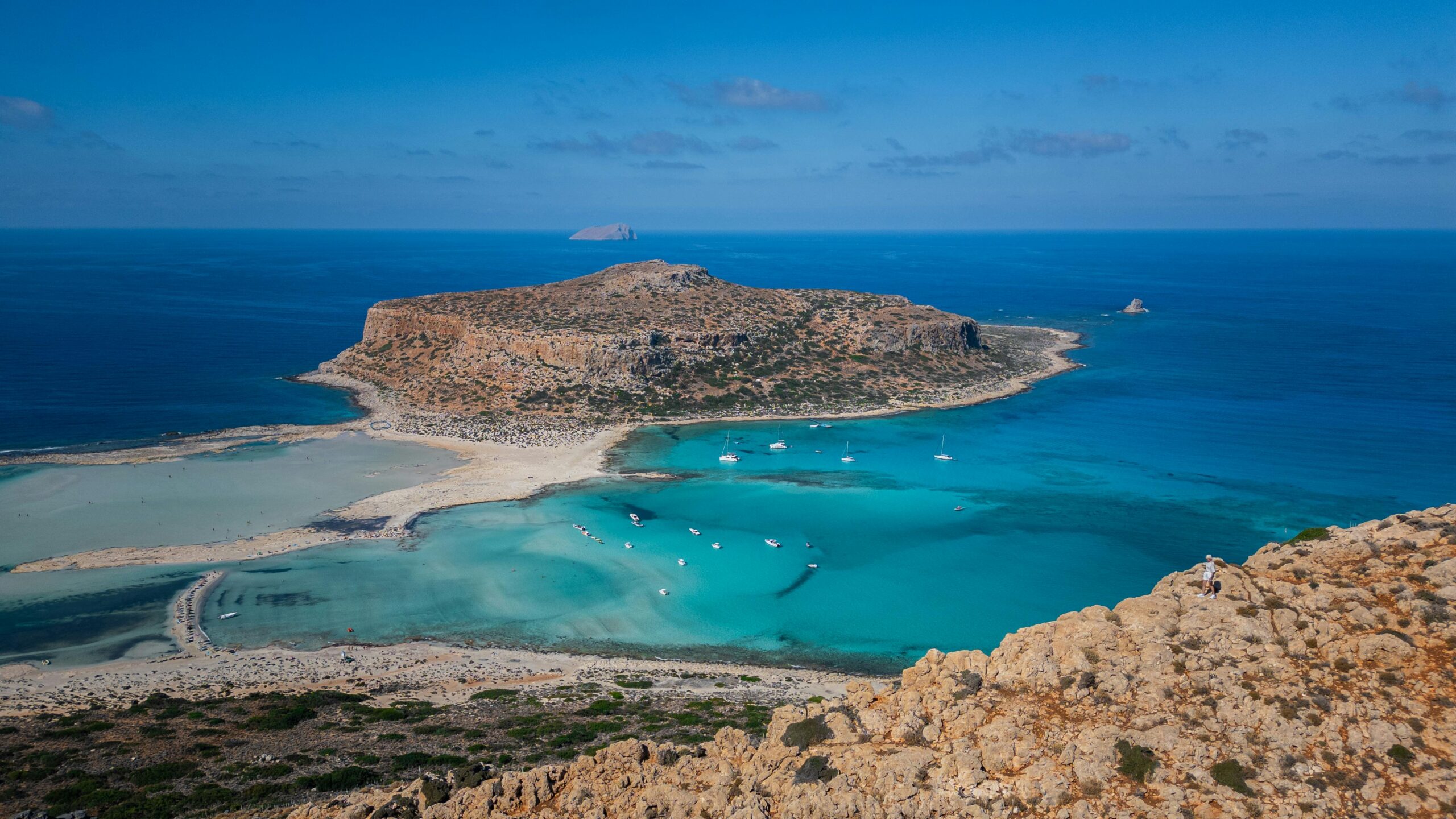
Why Crete’s South Coast Defies Your Typical Island Expectations — And Needs a Specialist’s Touch is not just a statement but a reality shaped by the region’s unique geography and cultural fabric. This area offers a raw authenticity that many travelers overlook or misinterpret without professional insight.
Misjudging the south coast’s logistical demands and underestimating its cultural particularities are common errors. These mistakes can quickly turn what should be an enriching experience into a frustrating journey.
Why Crete’s South Coast Defies Your Typical Island Expectations — And Needs a Specialist’s Touch
The Complexity of Logistics: What Most Travelers Overlook
Unlike Crete’s well-trodden north coast, the south coast does not cater to mass tourism infrastructure. Roads are narrower, public transport is sparse, and services vary widely between villages. Travelers often assume they can replicate the ease of the north coast here, which leads to missed connections and wasted days. Planning without professional advice risks locking you into inefficient routes or accommodations far from the experiences you seek.
Cultural Nuances Demand More Than Surface-Level Engagement
The south coast is a mosaic of communities with distinct traditions and dialects. Many visitors mistake the slower pace for a lack of activity or interest, missing opportunities to engage deeply with local life. Without guidance, travelers might end up in generic tourist spots or miss seasonal festivals that reveal the region’s character. This is not a place where you can wing it and still come away understanding the real Crete.
Key Destinations That Illustrate the South Coast’s Difference
Four places stand out for their contrast to typical island expectations:
- Loutro: Accessible only by boat or foot, it’s a village that demands commitment but rewards with genuine seclusion.
- Chora Sfakion: A working fishing town with minimal tourist gloss, offering unfiltered local life.
- Matala: Known for its 1960s counterculture history, it still carries an edge that separates it from other beach resorts.
- Phaistos: An archaeological site less crowded than Knossos but equally significant, requiring context to appreciate.
Also worth noting are the villages of Agia Roumeli and Paleochora, each representing different facets of south coast life, from rugged natural landscapes to small-scale local commerce.
Who This Suits—and Who Should Look Elsewhere
The south coast suits travelers who value authenticity over convenience and are prepared for a rugged, less commercialized experience. It appeals to those interested in off-the-beaten-path culture, hiking, and history. Families with young children, travelers dependent on frequent public transport, or those expecting resort-style amenities will find this coast challenging and likely frustrating.
A Counterintuitive Reality: Isolation Is the South Coast’s Strength and Challenge
Most travelers expect island isolation to mean simplicity and tranquility. On Crete’s south coast, isolation translates into logistical complexity and fewer amenities, which paradoxically demands more planning. The region’s remoteness is a double-edged sword—it protects its authenticity but requires more effort to experience fully. This contradicts the assumption that less tourist traffic automatically means an easier visit.
Trade-offs: What You Gain and What You Sacrifice
Visiting the south coast grants access to untouched landscapes, intimate cultural encounters, and a sense of discovery absent from more commercialized areas. Yet, you sacrifice convenience, predictable services, and extensive tourist infrastructure. Accommodation options are limited and often basic, and dining experiences focus on local rather than international cuisine. Recognizing these trade-offs upfront is critical to avoid disappointment.
Why Crete’s South Coast Defies Your Typical Island Expectations — And Needs a Specialist’s Touch
The south coast’s distinctiveness lies precisely in its divergence from the standard island formula. Without expert local knowledge, travelers risk missing nuanced cultural experiences and navigating inefficient routes that sap time and energy. The difference between a superficial visit and an insightful one often hinges on professional planning that accounts for seasonal rhythms, local events, and realistic travel pacing. For a deeper understanding of Greece’s cultural institutions beyond the coast, consider exploring resources like the
Greek Ministry of Culture or the Acropolis Museum.
Conclusion
Greece rewards travelers who arrive with a plan built around how they actually travel — not a generic template. The difference between a frustrating trip and a remarkable one often comes down to sequence, timing, and knowing which trade-offs matter for your situation.
Frequently asked questions
Is the south coast of Crete suitable for first-time visitors?
Not typically. The south coast requires more planning and flexibility than the north coast. First-time visitors may find the logistical challenges and limited infrastructure overwhelming without prior experience or specialist guidance.
What is the best season to visit Crete’s south coast?
Late spring and early autumn are ideal. Summer can be too hot and crowded in certain spots, while winter sees many services closed and difficult road conditions.
Are there luxury accommodation options on the south coast?
Luxury options are scarce. Most lodging is small-scale, family-run, and basic. Travelers expecting upscale resorts should adjust expectations or consider the north coast instead.
Can I rely on public transport to explore the south coast?
Public transport is limited and infrequent. Depending solely on buses can restrict what you can realistically visit each day.
What cultural experiences distinguish the south coast from the north?
The south coast retains stronger traditional customs, dialects, and seasonal festivals. It offers less commercialized interactions and a more direct connection to local life.
Is it necessary to hire a guide or local expert for the south coast?
While not mandatory, expert guidance is highly recommended to navigate the logistical complexities and to uncover authentic cultural experiences that are not obvious or accessible independently.
Are the beaches on the south coast different from the popular ones in Crete?
Yes, beaches tend to be less developed, with fewer amenities and more natural surroundings. This appeals to some but can be inconvenient for those seeking full-service beach resorts.