


Why Greece in Autumn Is Better Than Most Travelers Expect is simple: the country is easier to use, easier to enjoy, and less likely to waste your time. September and early October still feel like a proper Greece trip, but without the worst pressure of peak season. By late autumn, the trade-offs become real, and that is where most generic advice falls apart.
If you care about restaurant availability, calmer museums, better value, and a more relaxed pace, autumn is often the smartest window. If you are chasing guaranteed beach weather on every island, that is a different trip. People confuse “avoiding crowds” with “better timing,” and those are not the same thing.
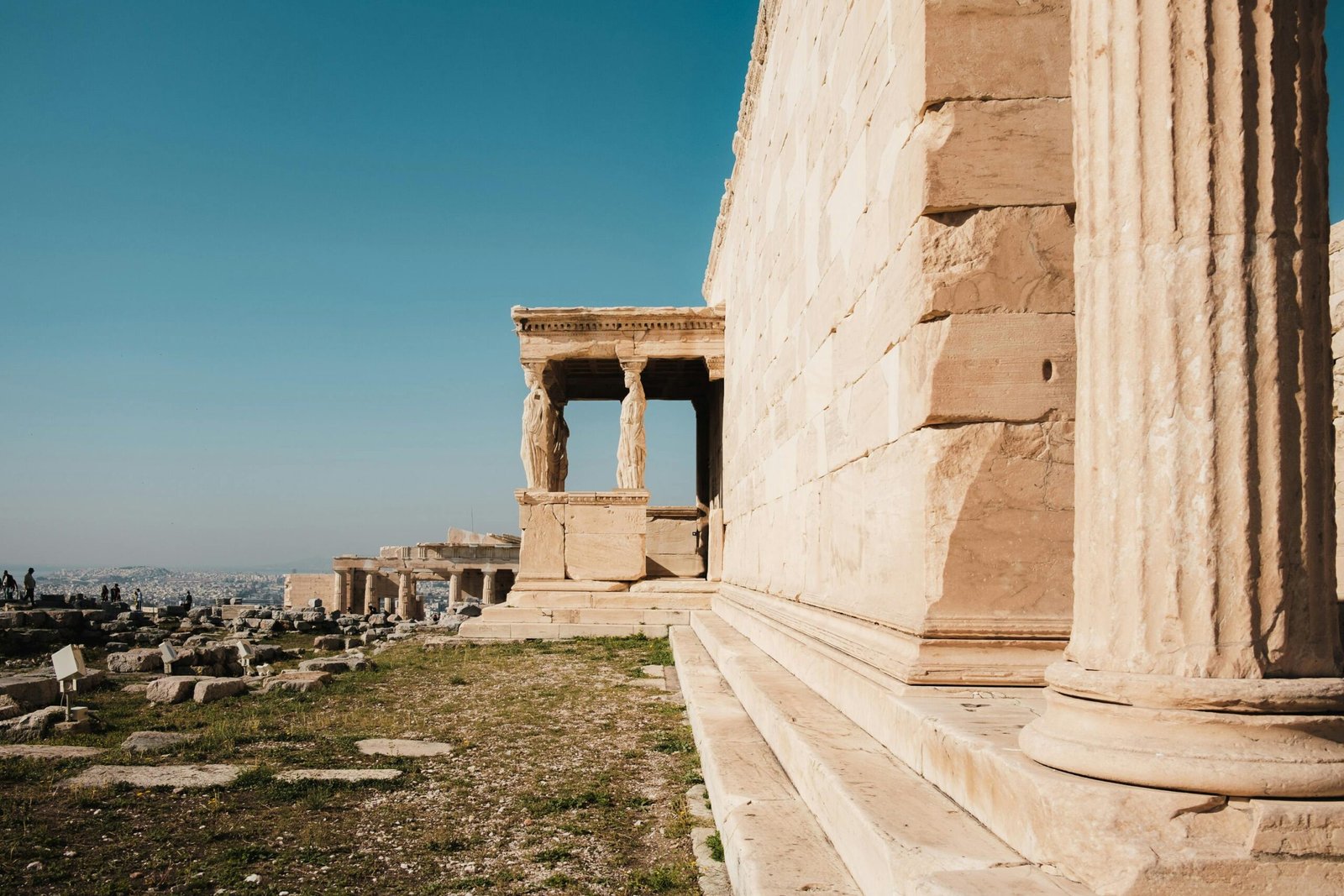
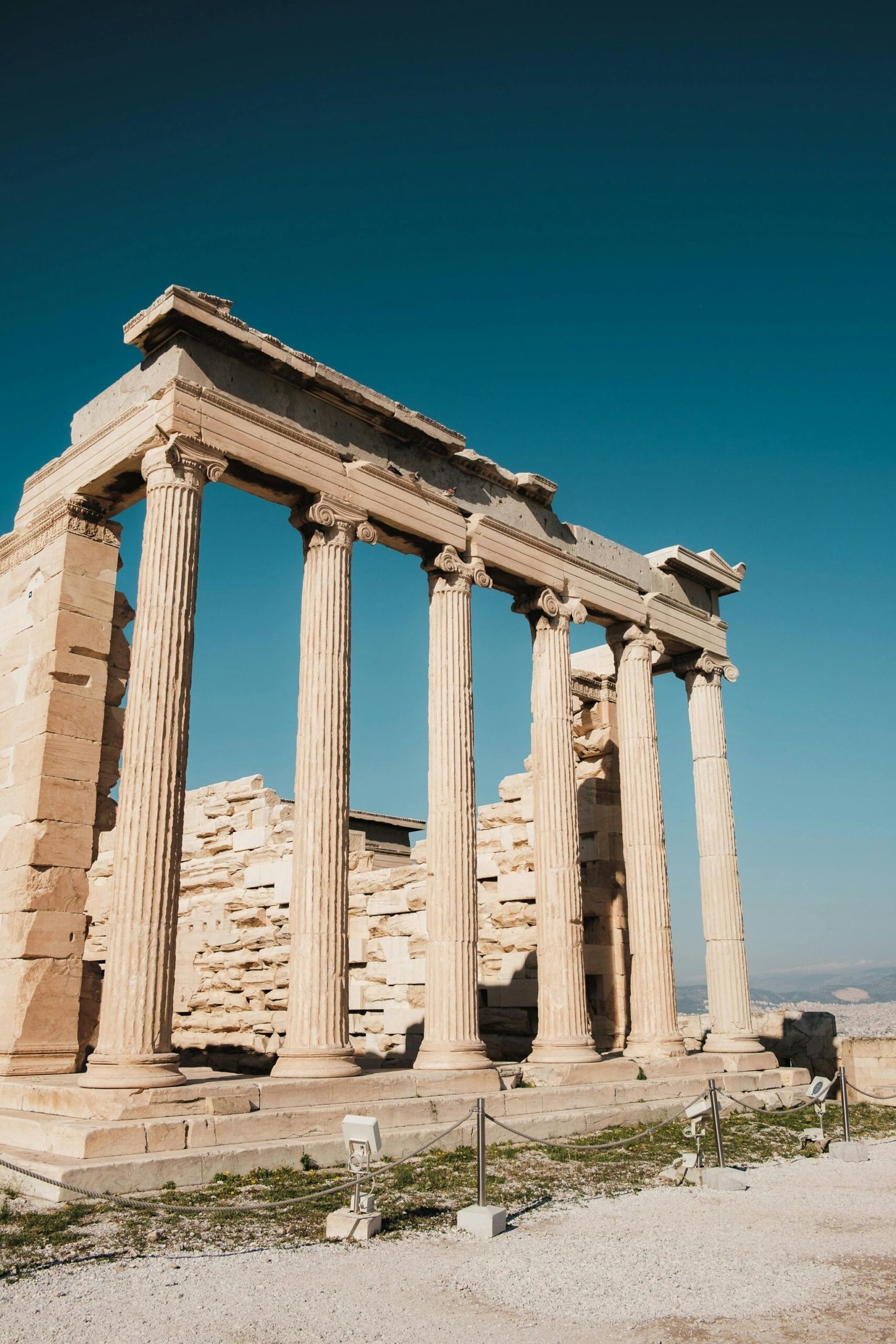
Why Greece in Autumn Is Better Than Most Travelers Expect
The real answer: autumn is the best all-around season for many Greece trips
My clear position is this: for most travelers, autumn is the strongest season to visit Greece. Not because it is quieter in some abstract way, but because the country is still functioning at full capacity while the worst friction of summer has eased. You get better table access, less heat stress, more reasonable pacing, and a version of Greece that feels less staged for mass tourism.
This is the part most articles miss. Autumn is not just “summer with fewer people.” It changes how you experience the country day to day: you linger longer at meals, move more comfortably through cities and sites, and see locals back in their normal routines instead of the peak-season service mode. That shift matters more than a lot of travelers realize.
Why Greece in Autumn Is Better Than Most Travelers Expect also comes down to what is still open and what is still worth doing. In September and early October, island life is still active, ferries are less punishing, and major cultural sites are easier to handle without the August crush. By late October and November, the country becomes more selective, and that selectivity is exactly what some travelers underestimate.
September: the smartest month for most first-time visitors
September is the sweet spot for travelers who want Greece to feel easy without sacrificing too much. The sea is still warm, the weather is usually stable, and the summer rush has started to thin out just enough to make a difference in daily logistics. This is the month when Greece feels generous rather than defensive.
It is also the month when people finally get what they wanted from peak season without the peak-season penalties. You are less likely to run into fully booked boutique hotels, overloaded island restaurants, or the kind of ferry congestion that turns a simple transfer into a bad day. For couples, especially honeymooners, September is far safer than July or August for getting the trip they pictured without having to book every detail far in advance.
Why Greece in Autumn Is Better Than Most Travelers Expect is especially true in September because the country is still operating in summer mode, just with less strain. That means better availability without the dead feeling that can creep in later in the season.
October: the month for culture, city breaks, and slower island travel
October is where autumn becomes a serious strategic choice rather than a pleasant compromise. Athens, Thessaloniki, Nafplio, Crete, Rhodes, and several larger islands still work well, but the mood changes. The pace slows, the air cools, and the trip starts to favor travelers who care more about substance than seaside perfection.
This is also the month when the “avoid crowds” advice becomes too simplistic. Fewer people do not automatically mean a better trip. In October, the real advantage is that museums, archaeological sites, and urban neighborhoods become easier to absorb without exhaustion, while the pressure to do everything in one day drops sharply.
For culture-focused travelers, October is often better than summer because you can actually tolerate a full day of sightseeing. If you want to visit the Acropolis Museum and then keep going without feeling cooked, this is the right season, and the official schedule at the Acropolis Museum is much easier to use when you are not fighting peak-season fatigue. That practical comfort is the difference between seeing Greece and merely passing through it.
November: underrated, but only for the right kind of trip
November is where honest planning matters. The weather can still be pleasant, especially in the south and on the larger islands, but the country is clearly moving out of high tourist mode. Some beach services wind down, some smaller island businesses reduce hours, and certain remote places stop making sense for casual travelers.
This is where most people get it wrong: they assume low season means a quieter version of the same trip. It does not. November is better for city stays, food-focused travel, cultural touring, and travelers who are comfortable with a less polished, more local rhythm. If your idea of Greece is a full-service island holiday, November will frustrate you.
There is one counterintuitive truth worth stating plainly: November can be better than August for travelers who hate friction more than they love heat. You may lose some beach options, but you gain a country that is easier to move through, easier to book, and less exhausting to experience.
What actually changes between summer and autumn
Crowds are only the obvious part. The bigger changes are operational: restaurant hours become more predictable in some places and less reliable in others, beach clubs lose momentum, ferry frequency starts to thin on certain routes, and some seasonal businesses close earlier than visitors expect. That affects your trip more than temperature alone ever will.
The emotional difference is just as real. Summer Greece can feel performative, especially in the most famous places, because everyone is trying to squeeze value out of the same narrow window. Autumn feels more like the country is being lived in again. You are not constantly competing with cruise groups, family vacationers, and short-stay crowds for the same few hours of daylight.
If you are the sort of traveler who likes structure, autumn is forgiving. If you prefer spontaneity, autumn can still work, but not in the same way everywhere. Greece rewards travelers who arrive with a plan, and in autumn that matters because the margin for casual improvisation starts to shrink once the season turns.
Who should visit Greece in autumn, and who should not
Autumn is ideal for couples, culture travelers, food-focused visitors, and repeat Greece travelers who want a better rhythm than summer allows. It is also strong for families with school-age children who can travel outside peak vacation weeks, because the country is calmer and the experience is less compressed. If you value comfort over bragging rights, autumn usually wins.
Travelers who should be more careful are beach purists, island hoppers who want maximum route flexibility, and anyone who needs every service to be running at full summer speed. By late October, some monasteries, small museums, and remote sites may have reduced access or limited hours, and that is not a minor detail if those places are central to your trip. The same goes for travelers who assume every taverna on every island will stay open into November.
- Best fit: couples, culture travelers, food travelers, and relaxed first-timers.
- Less ideal: pure beach travelers, highly spontaneous island hoppers, and anyone chasing full summer energy.
What most travelers underestimate about autumn timing
The biggest mistake is treating autumn as a single season. September and November are not the same trip, and anyone writing as if they are is glossing over the real trade-offs. September still gives you summer-adjacent Greece with less pressure; November gives you a more limited but often more authentic-feeling travel environment.
Another thing people miss is booking behavior. Peak-week summer travelers often learn the hard way that the best rooms, best tables, and best guides are gone months ahead. Autumn reduces that pressure, but it does not erase it, especially in popular cities and on well-known islands. Why Greece in Autumn Is Better Than Most Travelers Expect is partly because you can still make thoughtful decisions without feeling forced into leftovers.
For travelers who want a broader sense of what Greece offers across the year,
Visit Greece is a useful starting point for understanding how the seasons shape different regions. That matters, because “Greece” is not one climate, one schedule, or one travel product.
Conclusion
Autumn is not the fallback season in Greece. For many travelers, it is the best balance of weather, access, comfort, and value the country offers all year. The mistake is chasing a generic “best time” answer instead of matching the season to the trip you actually want.
There’s no universally right time to visit Greece. There’s only the right time for the trip you’re actually planning. Getting that alignment right changes everything about how the country feels.
Frequently asked questions
Is autumn really better than summer for Greece?
For many travelers, yes. Autumn usually means less heat, easier bookings, calmer sightseeing, and a more manageable pace. Summer still works if you want beach energy and do not mind crowds, but it is a harder trip to execute well.
Which autumn month is best for Greece?
September is the safest all-around choice. October is excellent for culture, city stays, and slower travel. November can work well for urban and food-focused trips, but it is not the right month for a classic island holiday.
Do Greek islands close in autumn?
Some do not fully close, but services thin out as the season goes on. By late October and November, smaller islands can feel limited, with reduced ferry frequency, shorter restaurant hours, and fewer open hotels.
Is the sea still warm in autumn?
In September, yes, often very much so. By October it is still swimmable in many places, especially in the south and on larger islands. By November, beach conditions become much less reliable.
What is the biggest mistake travelers make with autumn in Greece?
Assuming all of autumn behaves the same way. September and November are very different, and the practical consequences are significant. People also underestimate how much seasonal closures affect remote islands and smaller cultural sites.
Who should choose autumn over summer?
Couples, culture travelers, food travelers, and anyone who wants a calmer, more usable trip usually benefit most. Travelers who care mainly about peak beach energy and maximum island activity may prefer summer instead.