

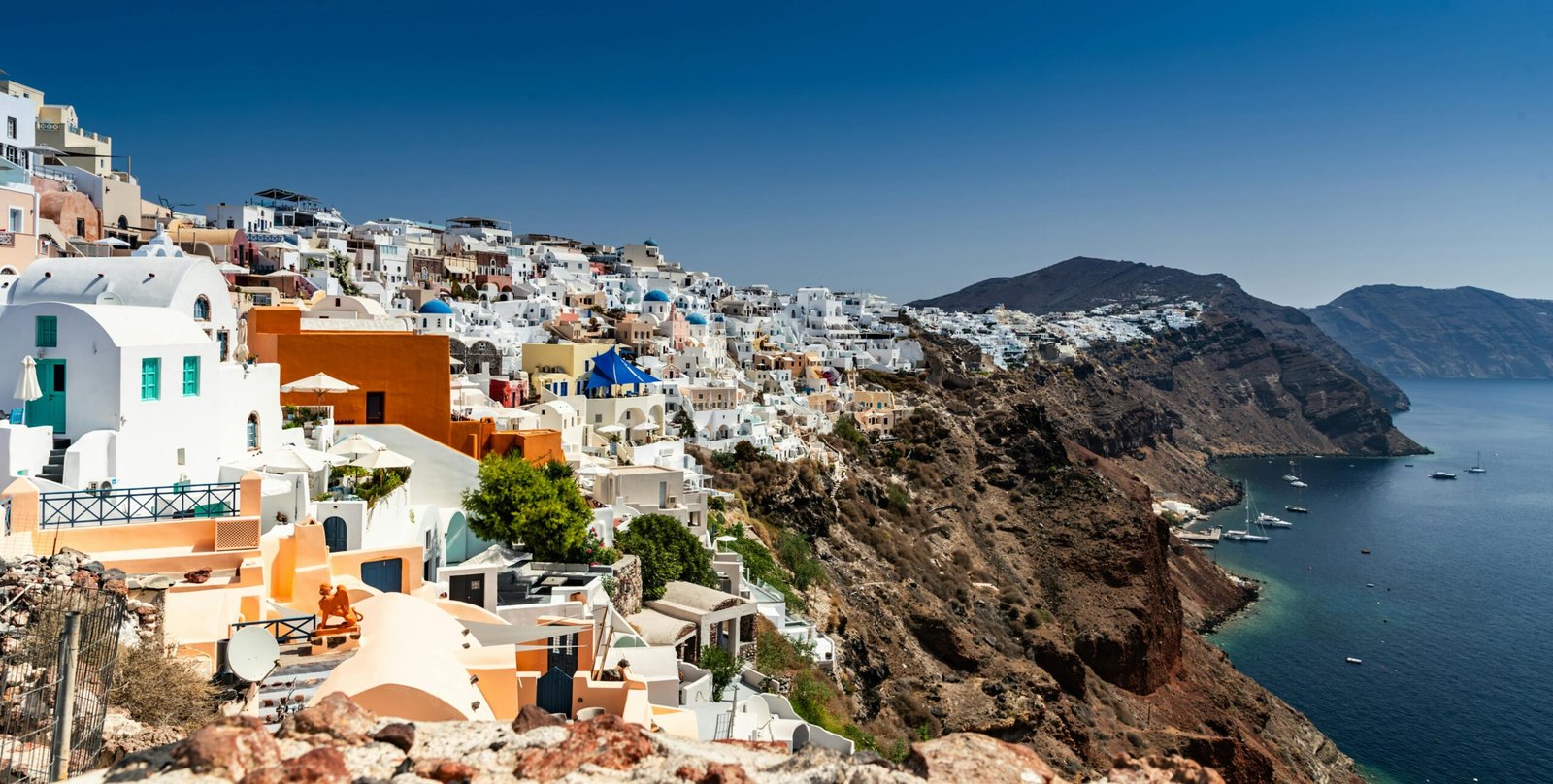
Why Most First-Timers to Santorini Leave Slightly Disappointed is usually a case of expectation overload: people arrive carrying a polished image of the island, then meet a place that is crowded, compressed, and far more structured around tourism than they expected. The disappointment is rarely about Santorini being bad. It is about the gap between the fantasy they bought and the actual experience they booked.
That gap shows up fast in peak season, when the island’s most famous views come with queues, noise, heat, and prices that make people feel they are paying for access rather than comfort. If you understand the psychology behind that choice, you can avoid the most common mistake: assuming a famous place will feel personal just because it looks personal online.
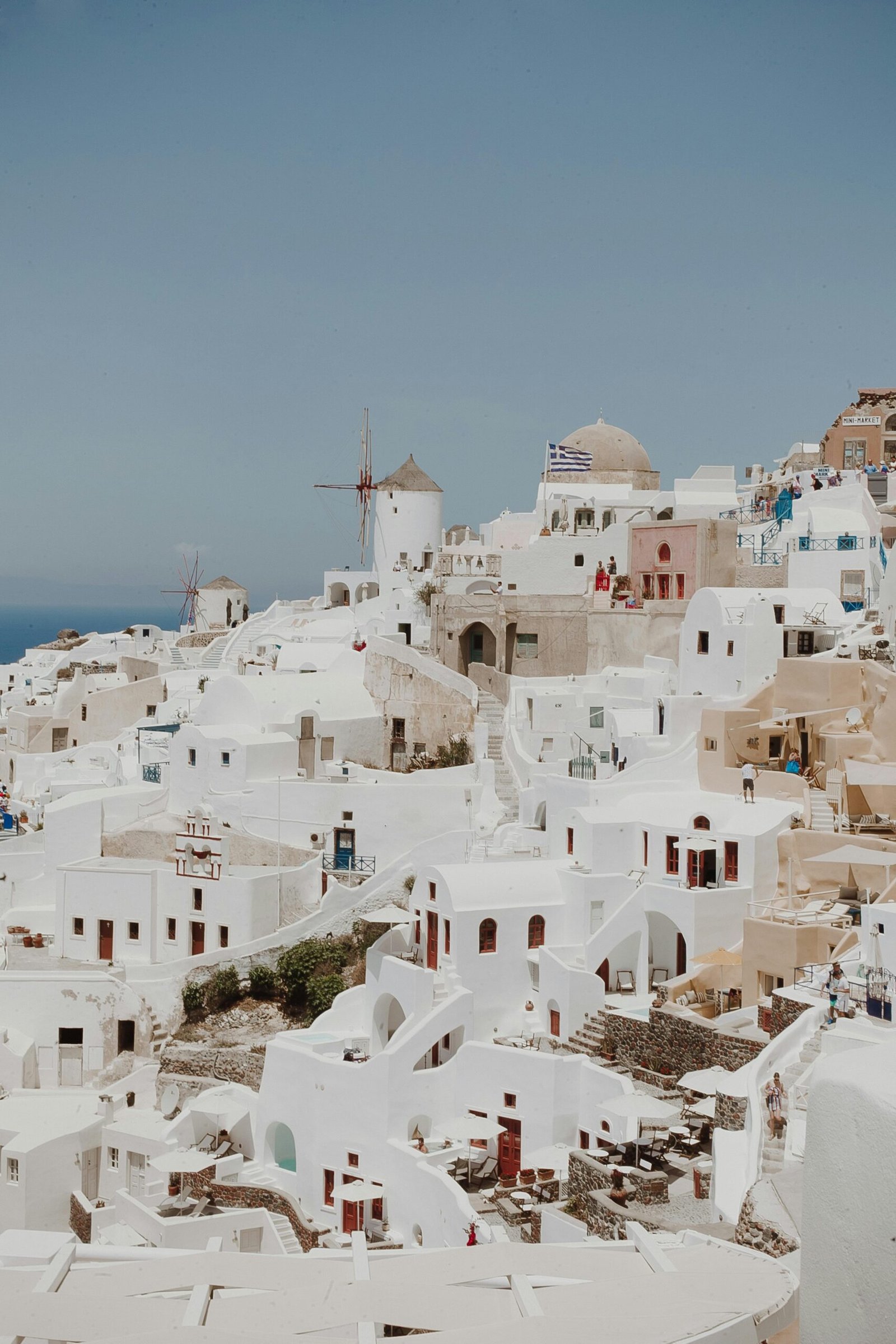
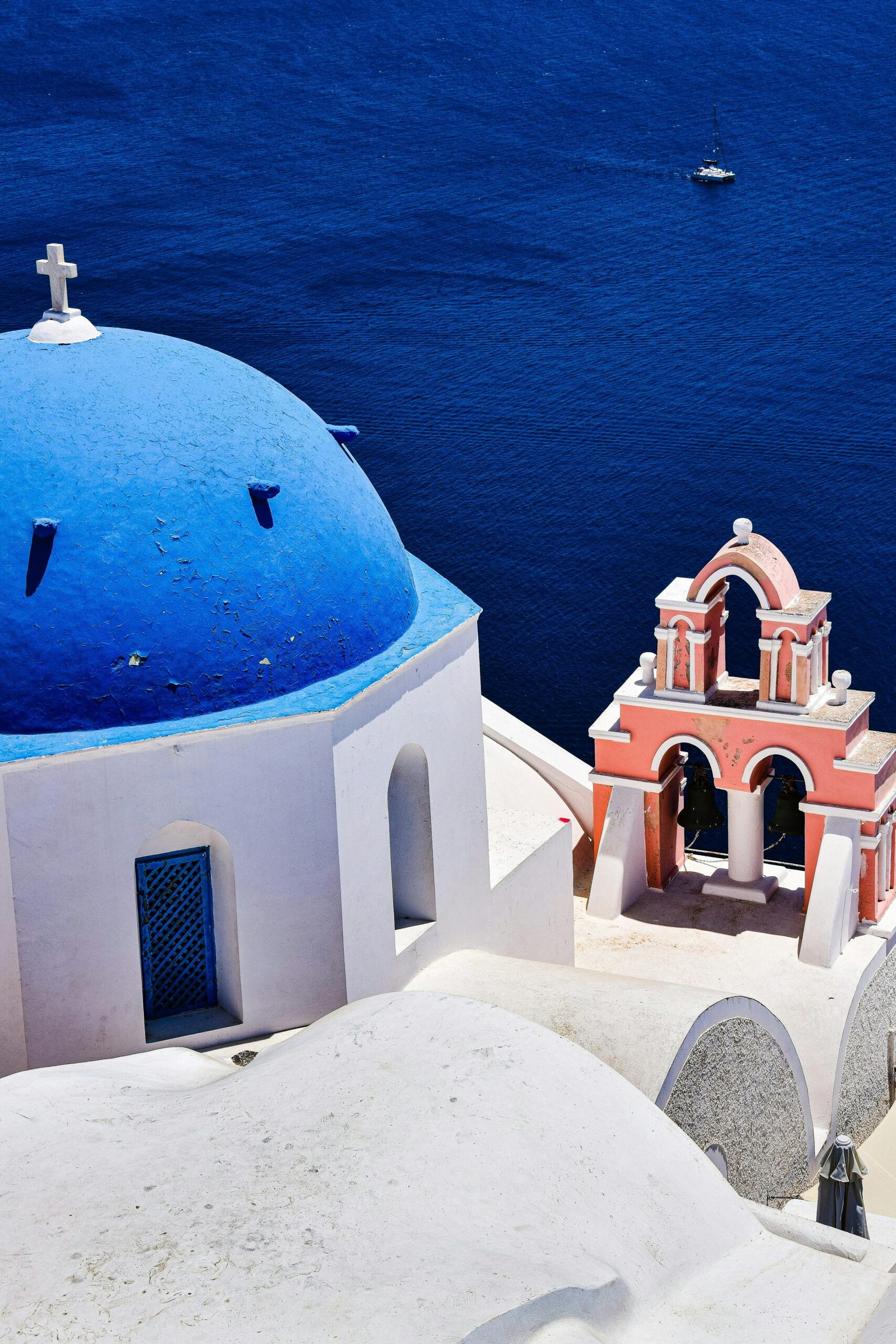
Why Most First-Timers to Santorini Leave Slightly Disappointed
People do not choose Santorini by accident. They choose it because they want a trip that feels validated before they even go: the photos are familiar, the reputation is established, and the social proof is overwhelming. That is exactly why Why Most First-Timers to Santorini Leave Slightly Disappointed keeps coming up in real conversations after the trip, not before it.
The real issue is emotional, not logistical. Travelers are not just buying a destination; they are buying a version of themselves in that destination, and Santorini is one of the easiest places in Greece to project that fantasy onto. The island then has to compete with a mental image that was never realistic in the first place.
The image is the product, and that is the problem
Santorini is one of the few places where the marketing is so strong that it becomes the trip. First-timers often arrive expecting the island to behave like the image they have seen for years: quiet, elegant, easy, and visually clean. In peak season, the reality is more crowded, more commercial, and less forgiving than that image suggests.
What travelers underestimate is not the beauty. It is the friction. Narrow spaces, heavy demand, and constant movement mean that even simple decisions can feel oddly tiring. Why Most First-Timers to Santorini Leave Slightly Disappointed is often a direct result of expecting a visual experience and getting an operational one.
Why people choose Santorini anyway
The choice is emotional. Many first-time visitors want a trip that feels unmistakably Greek but also easy to recognize, easy to explain, and easy to justify to themselves. Santorini offers instant social clarity: no one has to wonder whether they picked the right place, because the name already carries status.
That status matters more than people admit. For couples, honeymooners, and first-time Greece travelers, Santorini can feel like the safest answer to the question, “What should we do if we only go once?” That mindset is understandable, but it also creates pressure for the island to deliver a once-in-a-lifetime feeling on command, which is a bad way to set up any trip.
For official context on Greece’s broader tourism picture and cultural framing,
Visit Greece is a useful place to start. The key is reading that material as orientation, not as a promise of a private experience.
The emotional gap: what first-timers expect vs what they actually get
Most first-timers expect a sense of calm luxury, even if they are not staying in a luxury property. They imagine slow mornings, open views, and a place that feels designed around pleasure. What they often get in peak season is a high-demand island where nearly every desirable moment is shared with many other people.
That mismatch matters because disappointment is usually not triggered by one bad experience. It builds when the traveler realizes the island is asking them to wait, adjust, or compromise more than they expected. The emotional hit is not “this is ugly.” It is “this feels less special than I thought it would.”
Here is the counterintuitive part: some travelers are more disappointed when the weather is perfect. Clear skies create the exact conditions that everyone else wanted too, which means the island feels even more crowded and more performative. The prettier the day, the more obvious the competition for the same view.
The moment the disappointment usually hits
It usually hits when the traveler realizes the island is not going to give them a private version of the famous scene. That moment might be standing in a crowded viewpoint area, waiting for dinner at a premium location, or trying to move through a place that looks serene in photos but feels busy in real life. The letdown is often quiet, not dramatic.
For many first-timers, the real turning point is the second or third time they notice they are adjusting their day around crowds rather than their own pace. At that point, the trip stops feeling indulgent and starts feeling managed. Why Most First-Timers to Santorini Leave Slightly Disappointed is often less about what they saw and more about how much effort it took to see it.
If you want the broader cultural context before you lock in a Greece trip, the Ministry of Culture is worth checking for the official framing around heritage and preservation. That matters in Santorini because the island is not a theme park built for convenience.
Who is most prone to this pattern
Some traveler types are much more likely to leave underwhelmed. The first is the one-trip-per-country traveler, who feels a lot of pressure to “get it right” and therefore overweights famous places. The second is the romance traveler, who wants intimacy but books the most visible destination in the country.
The third is the social-media-led planner, who trusts image consistency more than seasonality or scale. These travelers are not shallow; they are reacting to a very normal fear of missing out. The problem is that Santorini punishes that fear by making the most photographed parts of the island the least private parts of the island.
- First-time Greece visitors trying to maximize status in one stop
- Couples expecting privacy from a globally famous destination
- Travelers who plan from photos more than from season and crowd reality
- People who equate “expensive” with “exclusive”
Peak season changes the meaning of the island
In peak season, Santorini becomes a different kind of place. The same island that feels composed in shoulder season can feel tightly packed, expensive, and highly managed when demand is at its highest. That is why timing is not a minor detail here; it changes the emotional outcome of the trip.
People often assume that peak season simply means more energy. In Santorini, it usually means more compression. The island’s famous image is built on openness and visual space, but peak season reduces both. That is the core reason Why Most First-Timers to Santorini Leave Slightly Disappointed keeps repeating as a pattern rather than a one-off complaint.
A better way to think about Santorini
My position is simple: Santorini should not be the default first choice for every first-time Greece traveler. If you want a trip that feels easy, layered, and less performative, there are better starting points. Santorini works best when you already know what kind of Greece traveler you are.
The right way to approach it is not to ask whether Santorini is worth it in the abstract. Ask what role you want it to play in the trip. If you want a place to celebrate, take in the famous view, and accept that you are sharing it with everyone else, Santorini can still work well. If you want privacy, spontaneity, or a strong sense of local life, you are setting yourself up for disappointment.
Greece rewards travelers who arrive with a plan, but Santorini punishes travelers who confuse a plan with a fantasy. The better version of this trip starts with honesty: what do you actually want from the island, and what are you willing to trade for the name on the booking?
Reframing the trip before you book
Instead of asking how to make Santorini feel perfect, ask what would make it feel appropriate for you. That shift matters because it moves the decision away from image and toward fit. A good trip is not the one that looks best online; it is the one that matches your tolerance for crowding, structure, and expense.
If you can name your real goal, the island becomes easier to judge. Santorini is not disappointing because it fails to be beautiful. It is disappointing when travelers expect it to be something it was never built to be: quiet, private, and effortless in high season.
Recognizing the pattern is the first step. The second is building a trip around how you actually travel — not the traveler you imagine yourself to be. Most great Greece experiences start with that honesty.
Frequently asked questions
Why do so many first-time visitors feel let down by Santorini?
Because they arrive with a highly polished mental image and meet a real island shaped by crowds, demand, and seasonal pressure. The disappointment usually comes from the gap between fantasy and actual conditions.
Is Santorini still worth visiting for first-timers?
Yes, if you understand what you are going for: the famous views, the status, and the experience of being in a globally recognized place. It is a weaker choice if you want privacy, calm, or a more local-feeling trip.
What is the biggest mistake people make when planning Santorini?
They treat the island like a guaranteed emotional experience instead of a high-demand destination. That leads to overexpectation, especially in peak season.
Why does peak season make Santorini feel more disappointing?
Because the island’s appeal depends on visual space and a sense of ease, and peak season reduces both. More people, higher prices, and more friction make the famous image harder to experience comfortably.
Who is most likely to be disappointed by Santorini?
First-time Greece travelers trying to make one destination carry the whole trip, couples expecting privacy from a famous island, and travelers who plan mostly from photos are the most vulnerable to disappointment.
How should I think about Santorini differently?
Think of it as a place with a very specific role in a Greece trip, not as the default answer for every traveler. The right question is whether you want the island’s particular kind of high-visibility experience.