

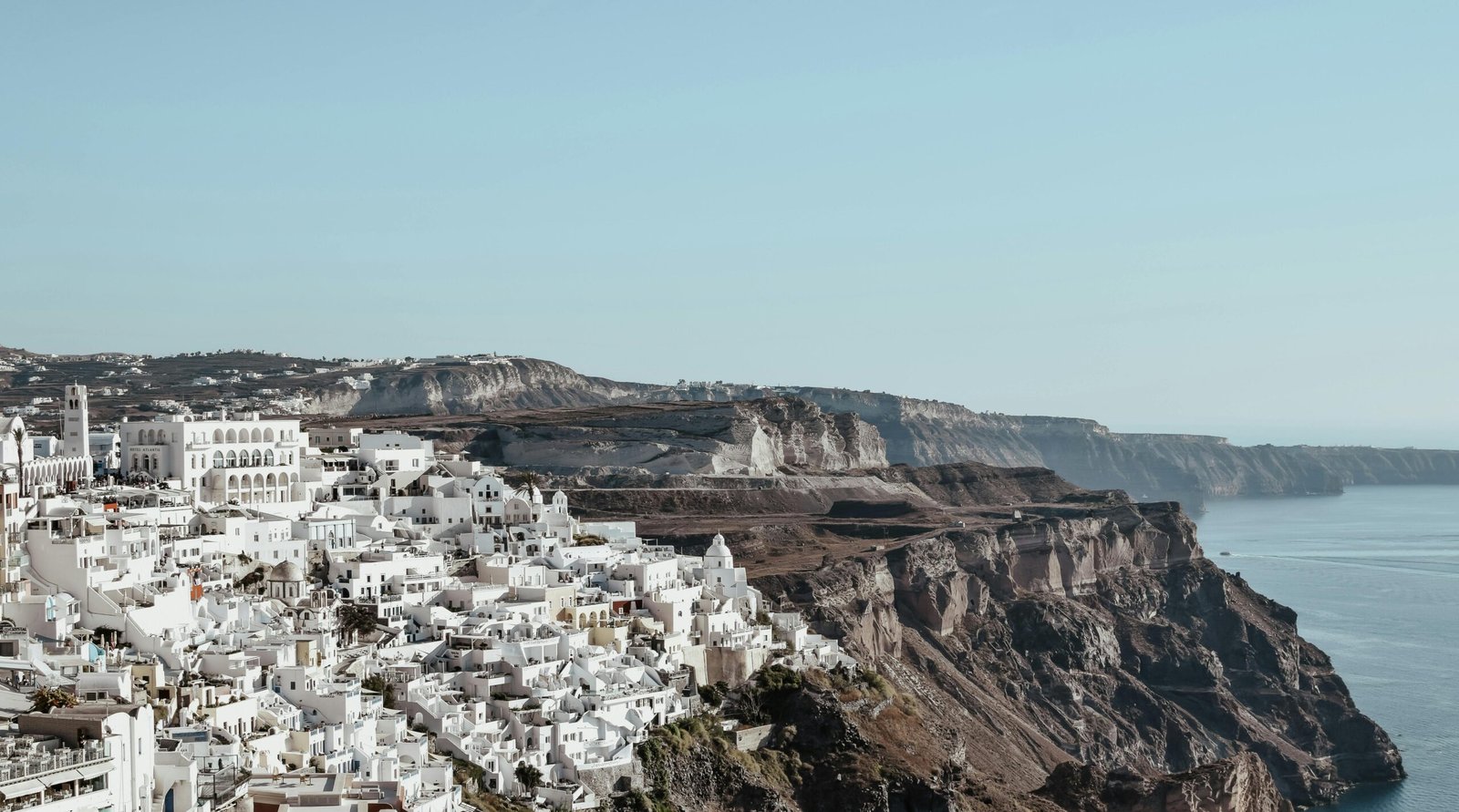
Why Most First-Timers to Santorini Leave Slightly Disappointed usually comes down to one simple psychological trap: people arrive expecting the island to perform the way it looks in photos. They are not just booking a destination; they are chasing a version of Greece they have already built in their heads.
The problem is that Santorini is one of the most image-loaded places in Europe, and peak season makes that gap worse. The island is still worth visiting, but if you arrive expecting a private, effortless, postcard-perfect experience, the emotional letdown is predictable.
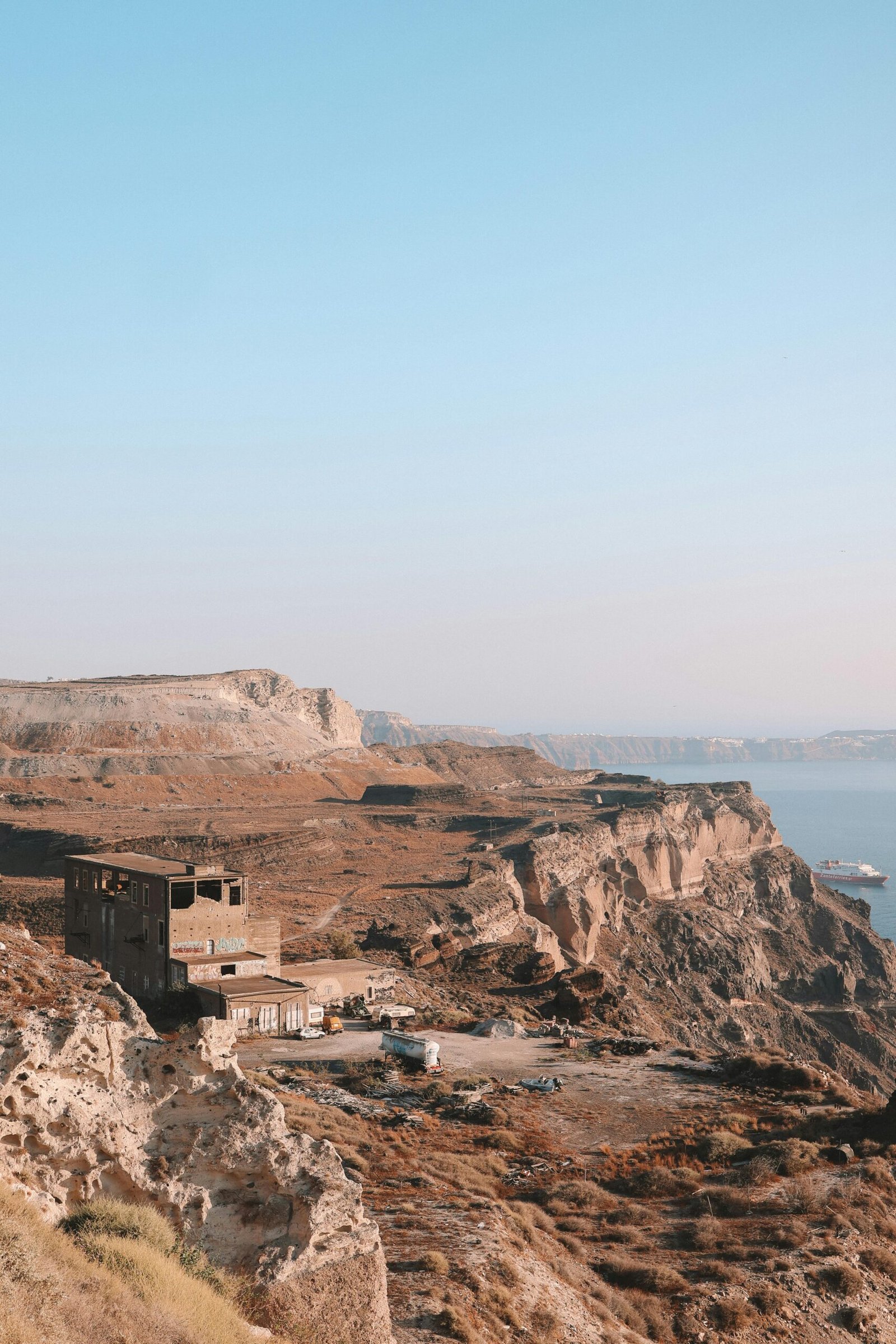
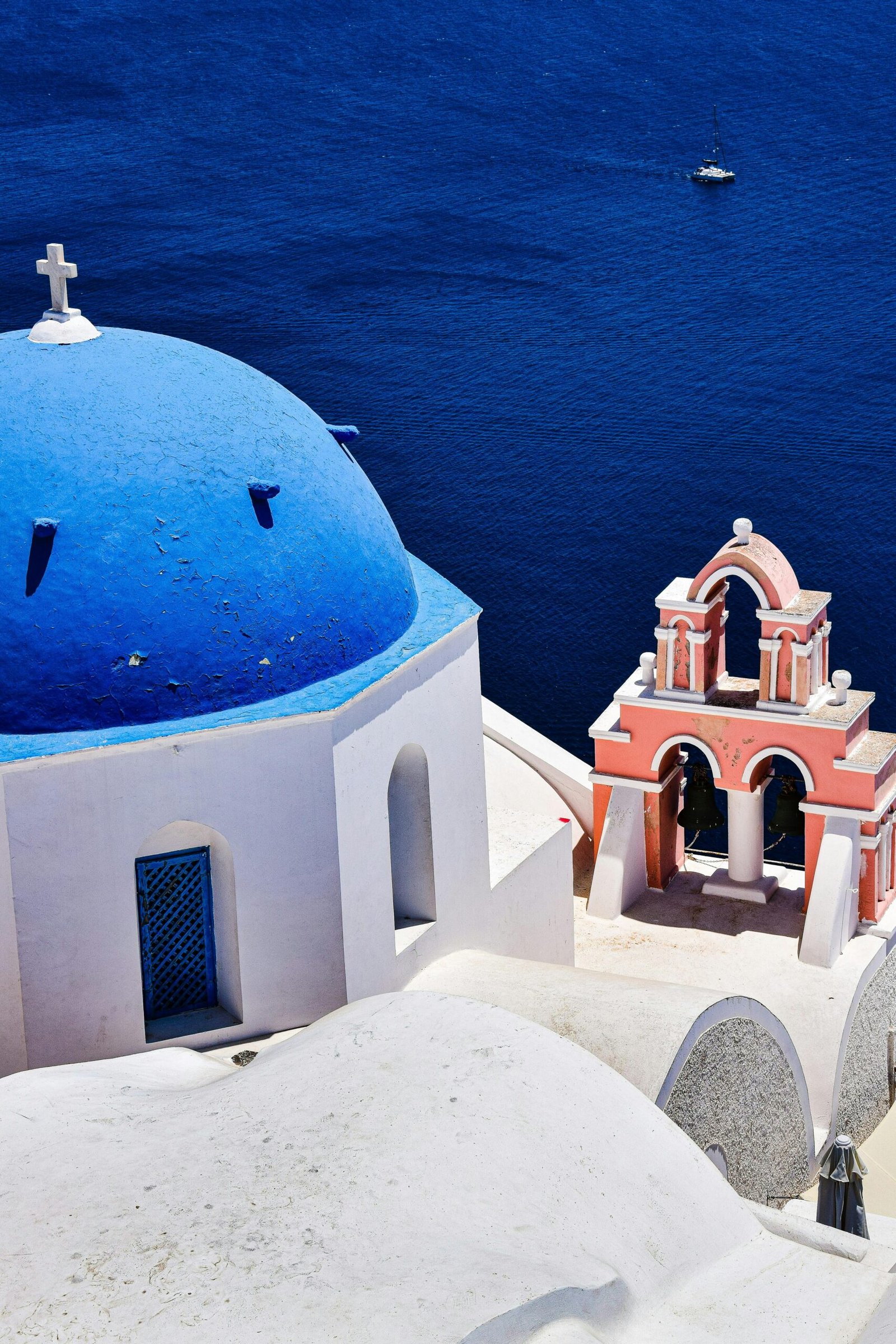
Why Most First-Timers to Santorini Leave Slightly Disappointed
Most first-timers do not choose Santorini because they studied the island carefully. They choose it because Santorini has already been sold to them emotionally: in proposals, honeymoon posts, cruise photos, and glossy travel clips that remove friction. That creates a very specific expectation — that the island will validate the fantasy they have been carrying around for years.
Why Most First-Timers to Santorini Leave Slightly Disappointed is not a statement about the island failing. It is a statement about the mismatch between image-based anticipation and the actual conditions of visiting in peak season. Santorini is still Santorini, but it is also crowded, expensive, and highly managed in ways that first-timers often do not factor in.
The assumption underneath the disappointment
The real assumption is not “this will be beautiful.” It is “this will feel easy and exclusive.” That is the emotional mistake. People think they are buying serenity, but what they are actually buying is access to one of the most heavily visited islands in Greece during the most compressed travel window of the year.
That assumption matters because it shapes everything else. If you expect calm, privacy, and spontaneous wandering, then even normal peak-season realities — crowds, queues, noise, and premium pricing — feel like a breach of trust. Why Most First-Timers to Santorini Leave Slightly Disappointed is often less about what they saw and more about what they felt they were promised.
Why travelers keep choosing Santorini anyway
People choose Santorini because they want certainty. It is one of the few Greek islands that feels instantly recognizable, which is comforting for travelers who do not want to gamble on a destination they cannot picture. That familiarity reduces anxiety before the trip, even if it raises expectations beyond what the island can reasonably deliver.
There is also a social factor that gets underestimated: Santorini is a status destination. For many first-timers, the trip is tied to a milestone, a relationship, or a long-delayed reward, which makes the stakes feel higher than a normal holiday. When the emotional stakes rise, disappointment becomes more likely because the trip is no longer just a trip.
If you want a broader sense of how Greece presents itself versus how it actually works on the ground, start with
Visit Greece. The official framing is useful, but first-timers still need to translate that into realistic expectations.
The emotional gap between the image and the visit
In the mind, Santorini is quiet, elegant, and visually clean. In reality, peak season Santorini is often busy, expensive, and socially performative. That gap creates a strange emotional effect: visitors feel they are in a place they know extremely well, yet they cannot relax into it because the lived experience does not match the mental image.
This is where Why Most First-Timers to Santorini Leave Slightly Disappointed becomes obvious. They are not disappointed by one bad meal or one crowded viewpoint. They are disappointed by the cumulative feeling that the island is asking them to compete for the experience they thought they had already bought.
Here is the counterintuitive part: the more someone has seen Santorini online, the more likely they are to feel underwhelmed in person. Familiarity creates a false sense of completion. By the time they arrive, they have already “seen” the island so many times that the real thing has less room to surprise them.
The moment disappointment usually hits
It usually hits when the visitor realizes the island is not offering a private version of the fantasy. For some, that moment comes at sunset when the famous viewpoints are packed and the atmosphere feels less like romance and more like crowd management. For others, it arrives when they notice how much of the trip is being shaped by timing, spending, and patience.
The emotional shift is sharp because the traveler was expecting release, not friction. They came to feel special, and instead they are standing in a line, adjusting to heat, or trying to enjoy a view while being aware of everyone else trying to do the same thing. That is the point where Why Most First-Timers to Santorini Leave Slightly Disappointed stops being a theory and becomes a feeling.
People often blame the island for this. I do not. Santorini is doing exactly what it has become: a high-demand, high-expectation destination with limited room for fantasy to survive contact with peak-season reality.
Who is most prone to this pattern
The travelers most likely to leave slightly disappointed are the ones who are emotionally invested in a perfect trip rather than a good one. Honeymooners are especially vulnerable because they are not just visiting Santorini; they are using it to mark a life event. That makes every inconvenience feel more personal than it should.
First-time Greece visitors are another common group. They often assume Santorini is the best introduction to the country, when in fact it can be a poor first read of Greece if what they want is ease, authenticity, or variety. People who prefer quiet over spectacle also struggle, because Santorini’s identity is built around visibility.
- Honeymooners expecting privacy and emotional perfection
- First-time Greece visitors treating Santorini as the default starting point
- Travelers who dislike crowds but still want the “classic” Greek island image
- People booking late in peak season and expecting premium calm at standard effort
What gets underestimated in peak season
Peak season does not just mean more people. It changes the emotional texture of the island. Service feels more compressed, prices feel less forgiving, and the island’s famous views start to feel like shared infrastructure rather than personal discovery. That is a hard shift for travelers who have been sold a sense of exclusivity.
The other thing people underestimate is how much decision fatigue the island creates. When every meal, view, and movement feels slightly more expensive or crowded than expected, the trip starts to feel managed instead of enjoyed. That is why Why Most First-Timers to Santorini Leave Slightly Disappointed is so often a psychological issue before it becomes a logistical one.
For travelers who care about cultural context as much as scenery, it is worth remembering that Greece is not just a backdrop. The country’s deeper identity lives in places and institutions far beyond the famous island image, including national cultural institutions like the Hellenic Ministry of Culture. Santorini is one part of Greece, not the whole argument.
A better way to approach Santorini
The right frame is not “How do I make Santorini match the fantasy?” It is “What version of Santorini can I actually enjoy without resenting it?” That means accepting that peak-season Santorini is a high-demand destination with real trade-offs, not a private reward for finally getting to Greece.
Greece rewards travelers who arrive with a plan, but more importantly, it rewards travelers who know what kind of experience they are actually buying. If you want quiet, lower pressure, and a stronger sense of place, Santorini may not be the best emotional fit for your first Greek island. If you want the classic image and can tolerate the crowds that come with it, then go in with your eyes open.
That is the real reframe: stop asking whether Santorini is worth it in the abstract. Ask whether your expectations are built for the island as it exists, or for the version that marketing taught you to want. Why Most First-Timers to Santorini Leave Slightly Disappointed is usually a story about the wrong frame, not the wrong island.
Greece doesn’t punish inexperience. It punishes unexamined assumptions. The travelers who leave disappointed rarely lacked information — they lacked a framework for using it.
Frequently asked questions
Why do first-timers expect Santorini to feel more special than it does?
Because Santorini is one of the most heavily marketed places in Greece, and most people see it first through polished images rather than real travel conditions. That creates a strong emotional expectation before they ever arrive.
Is Santorini actually disappointing?
Not inherently. It is disappointing for travelers who expect privacy, calm, and easy romance in peak season. For travelers who understand the trade-offs, it can still be a very worthwhile visit.
What is the biggest mistake first-timers make in Santorini?
They confuse familiarity with understanding. Seeing the island everywhere online makes them think they already know what it will feel like, which leads to unrealistic expectations.
Who is most likely to leave Santorini disappointed?
Honeymooners, first-time Greece visitors, and travelers who strongly dislike crowds are the most vulnerable. They tend to arrive with a stronger emotional script than the island can support in peak season.
When does the disappointment usually start?
Usually when the traveler realizes the famous experience is shared with a lot of other people. That moment often comes at the most iconic viewpoints, where the gap between fantasy and reality becomes obvious.
How should I think about Santorini if it is my first trip to Greece?
Treat it as a specific kind of destination, not a representative sample of Greece. If your goal is a balanced first impression of the country, Santorini alone is a narrow and expensive starting point.