

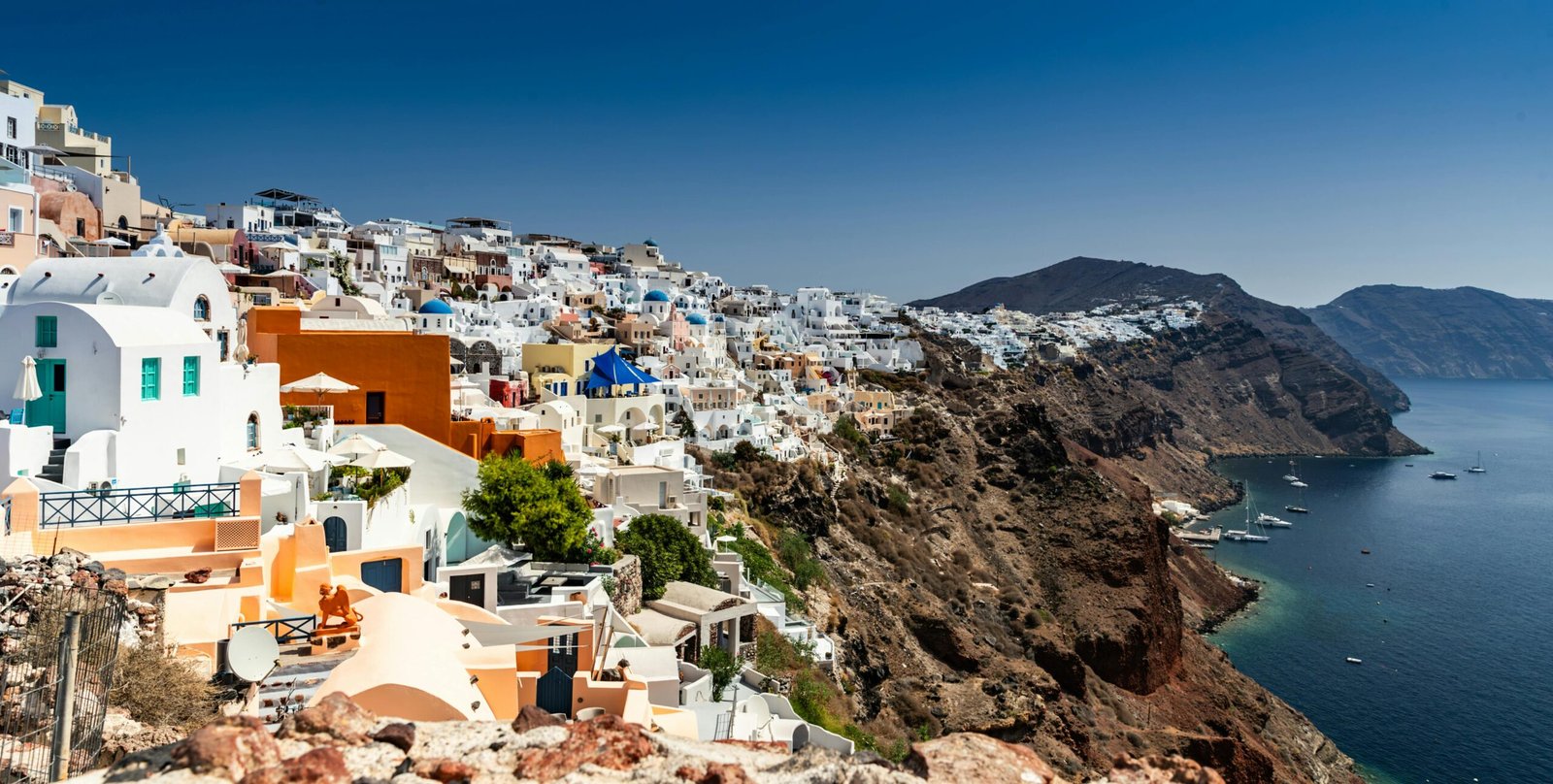
Why Most First-Timers to Santorini Leave Slightly Disappointed usually starts with a simple mistake: people arrive expecting the island to behave like its photos. They are not being naive; they are responding to years of highly edited imagery, social proof, and the idea that Santorini is the default “special” Greece trip.
The problem is that Santorini in peak season is not a private fantasy. It is a high-demand, high-pressure destination where the emotional payoff depends heavily on timing, expectations, and tolerance for crowds. That gap is where the disappointment starts.
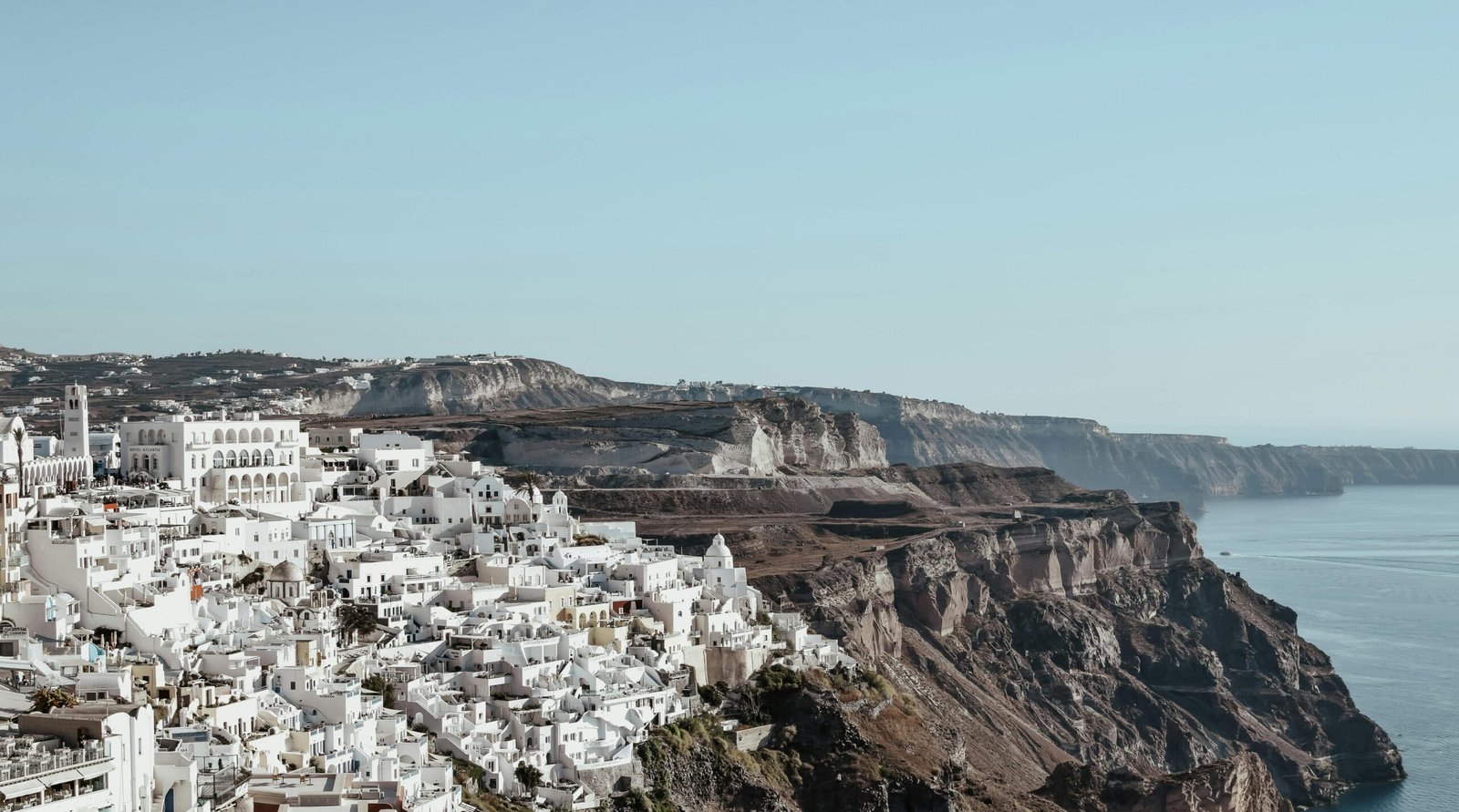
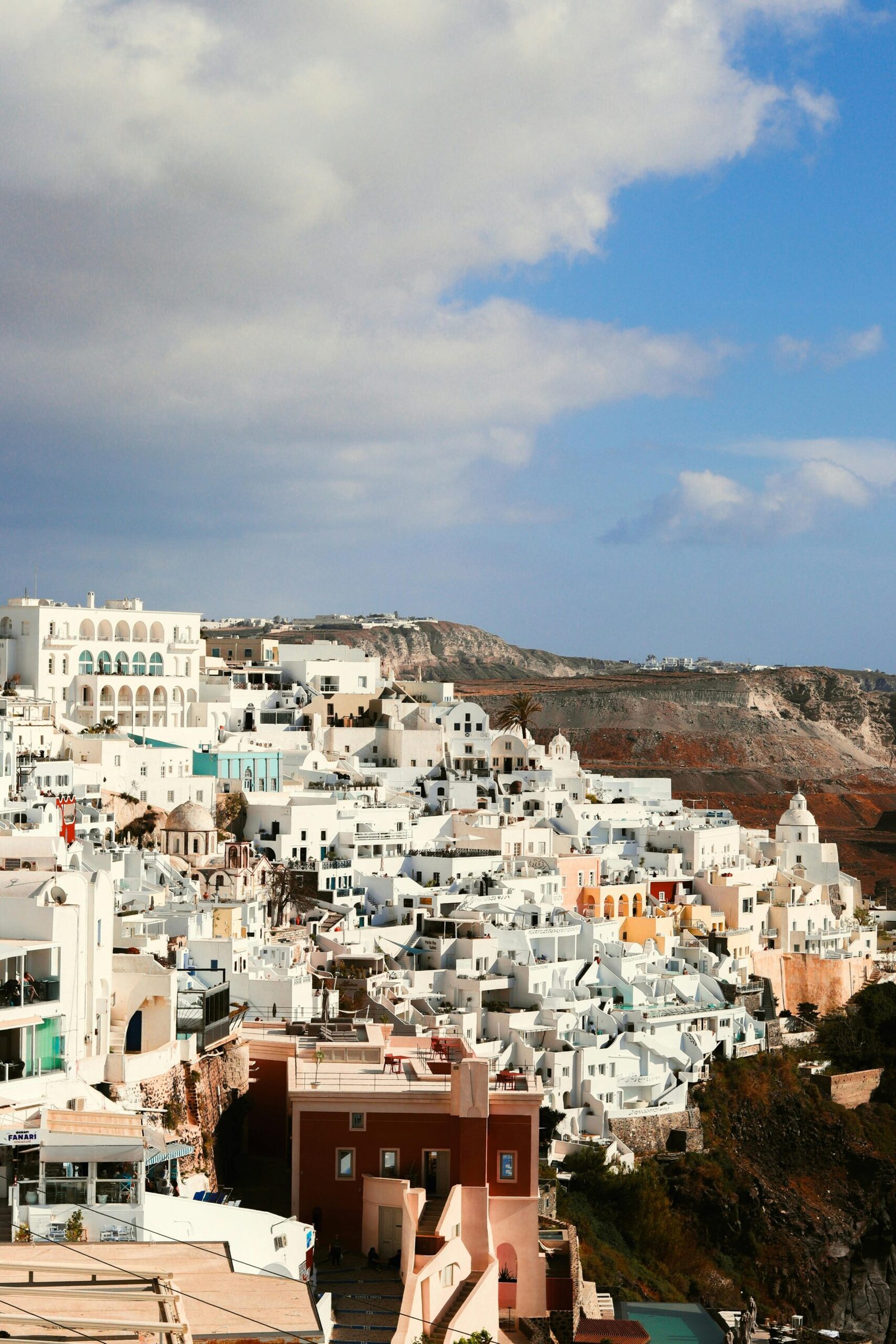
Why Most First-Timers to Santorini Leave Slightly Disappointed
The first mistake is not choosing Santorini. The first mistake is assuming Santorini will deliver the same feeling it creates in a curated feed. That assumption is so common that it has become the default script for first-time Greece travelers, and it is exactly why Why Most First-Timers to Santorini Leave Slightly Disappointed is such a persistent pattern.
The image people buy is not the experience they get
Most first-timers are not chasing a place; they are chasing a feeling of arrival. They want the clean, immediate satisfaction of seeing the famous caldera view and feeling they made the “right” choice. That is a psychological purchase, not a practical one, and it sets people up to judge the island against a fantasy instead of a real destination.
The emotional gap is simple: travelers expect calm, exclusivity, and effortless beauty. What they often get in peak season is queues, noise, inflated prices, and a constant awareness that many other people are trying to have the same moment at the same time. Why Most First-Timers to Santorini Leave Slightly Disappointed is often less about the island and more about the collision between private expectation and public reality.
Why travelers choose Santorini anyway
People choose Santorini because it feels safe in a very specific way. It is the destination they already know, the one with the strongest visual shorthand, and the one they can defend easily to friends and family. That matters more than travelers admit; many are not selecting the best island for their style, they are selecting the least socially risky choice.
There is also a fear of missing out that pushes people toward the obvious choice. When a place has been framed as the “must-see” Greek island for years, skipping it can feel like a mistake before the trip even starts. That pressure is powerful, and it explains why so many people ignore the warning signs that Santorini in peak season is not built for relaxed first-time discovery.
The moment disappointment usually hits
The disappointment rarely arrives at the airport or even on the first walk through town. It usually hits when travelers realize they are sharing the same view, the same lane, and the same sunset with a crowd that is behaving as if it all belongs to them. That is the moment the fantasy breaks.
For many, the sharper realization comes after the first expensive meal or the first long wait for a table with a view. They expected a destination that would feel premium in a clean, effortless way. Instead, they encounter a place where premium pricing and friction coexist, and that combination feels worse than either one alone.
This is the counterintuitive part: Santorini is often most disappointing to the travelers who care most about “doing it right.” They are usually the ones who researched enough to know the famous spots, but not enough to understand how peak-season density changes the emotional texture of the island. They arrive prepared for beauty and unprepared for friction.
Why Most First-Timers to Santorini Leave Slightly Disappointed in peak season
Peak season does not just make Santorini busy. It changes the entire psychological experience of being there. The island stops feeling like a place you are visiting and starts feeling like a place you are competing inside.
That competition shows up in small ways that add up fast. People notice it when they are trying to get a photo, find a quiet meal, or simply move through the most famous areas without feeling managed by the crowd. If you want a broader sense of how Greece’s most famous places are marketed versus how they actually function, the official tourism framing at
Visit Greece is useful precisely because it shows the polished version travelers arrive expecting.
My position is blunt: if your main goal is a calm, spacious, low-friction Greek island experience, Santorini in peak season is the wrong choice. Not a slightly imperfect choice. The wrong one. You can still have a good trip there, but only if you stop expecting it to behave like a private luxury escape.
Traveler types most prone to this pattern
Some travelers are much more likely to leave underwhelmed. The first group is the “once-in-a-lifetime” planner, who has built the trip around one iconic destination and expects emotional payoff to be immediate and complete. When the reality is crowded and expensive, they feel cheated because they have invested too much meaning into one stop.
The second group is the comparison traveler. This person has seen too many photos, read too many lists, and arrives with a mental checklist of what Santorini should feel like. When the island does not match the internal script, they interpret normal travel friction as failure.
- Travelers who want quiet more than scenery
- Travelers who dislike crowds but still book peak dates
- Travelers who equate “famous” with “worth the price”
- Travelers who need every stop to feel relaxing
The third group is the status-driven traveler. They want the social proof of saying they went, but they are less interested in the actual conditions on the ground. That is a bad combination in Santorini, because the destination is optimized for demand, not for emotional comfort.
What people consistently underestimate
They underestimate how much season changes mood. Santorini in a quieter period can feel composed and manageable; in peak season it can feel compressed and performative. Same island, very different emotional outcome.
They also underestimate how much the island’s reputation creates pressure to “make it worth it.” That pressure makes people overbook, overspend, and over-schedule, which leaves them tired before they have even settled in. The result is not just disappointment; it is self-inflicted fatigue.
If you want to understand why some travelers handle this better, look at how they think about the trip before they book. They are not trying to force Santorini into a fantasy. They are deciding whether the island’s actual conditions fit the kind of Greece experience they want, and they are willing to say no when the fit is poor.
What a better approach looks like
The better approach is not lower expectations in a vague, motivational sense. It is a more accurate frame. Santorini is best treated as a high-demand, high-visibility destination with a specific role in a Greece trip, not as the universal benchmark for Greek islands.
That means asking a harder question before you book: do you want the image of Santorini, or do you want the experience of being there in the season you can actually travel? Once travelers answer that honestly, the disappointment rate drops fast. Why Most First-Timers to Santorini Leave Slightly Disappointed is often a planning problem disguised as a taste problem.
For travelers who want to understand the broader context of Greek culture and destination planning, the Ministry of Culture’s site at Culture Ministry of Greece is a useful reminder that Greece is not one uniform product. It is a country of very different places, each with its own rhythm, pressure points, and trade-offs.
Greece doesn’t punish inexperience. It punishes unexamined assumptions. The travelers who leave disappointed rarely lacked information — they lacked a framework for using it.
Frequently asked questions
Why do so many first-time visitors feel underwhelmed by Santorini?
Because they arrive expecting a private, effortless version of the island they have seen online. Peak-season Santorini is crowded, expensive, and highly managed, so the emotional experience often falls short of the image.
Is Santorini actually disappointing, or are expectations the problem?
Usually the expectations are the problem. Santorini is a real destination with real strengths, but it is often judged against a fantasy version of itself rather than the conditions travelers will actually face.
What is the biggest mistake first-timers make with Santorini?
They treat it like the default Greek island choice instead of asking whether it fits their travel style. If you want quiet, space, and low friction, Santorini in peak season is a poor match.
When does disappointment usually set in?
It usually hits once travelers encounter crowd pressure, high prices, or the sense that they are sharing every famous view with everyone else. That is when the gap between expectation and reality becomes hard to ignore.
Who is most likely to enjoy Santorini?
Travelers who are comfortable with crowds, willing to pay for location, and realistic about what peak season looks like. People who want a polished, high-visibility destination usually handle it better than those seeking calm.
Can Santorini still be worth visiting for a first-timer?
Yes, but only if you understand what you are choosing. Santorini can be worthwhile as part of a broader Greece trip, but it is a poor choice if you expect it to deliver a quiet, effortless island experience.