

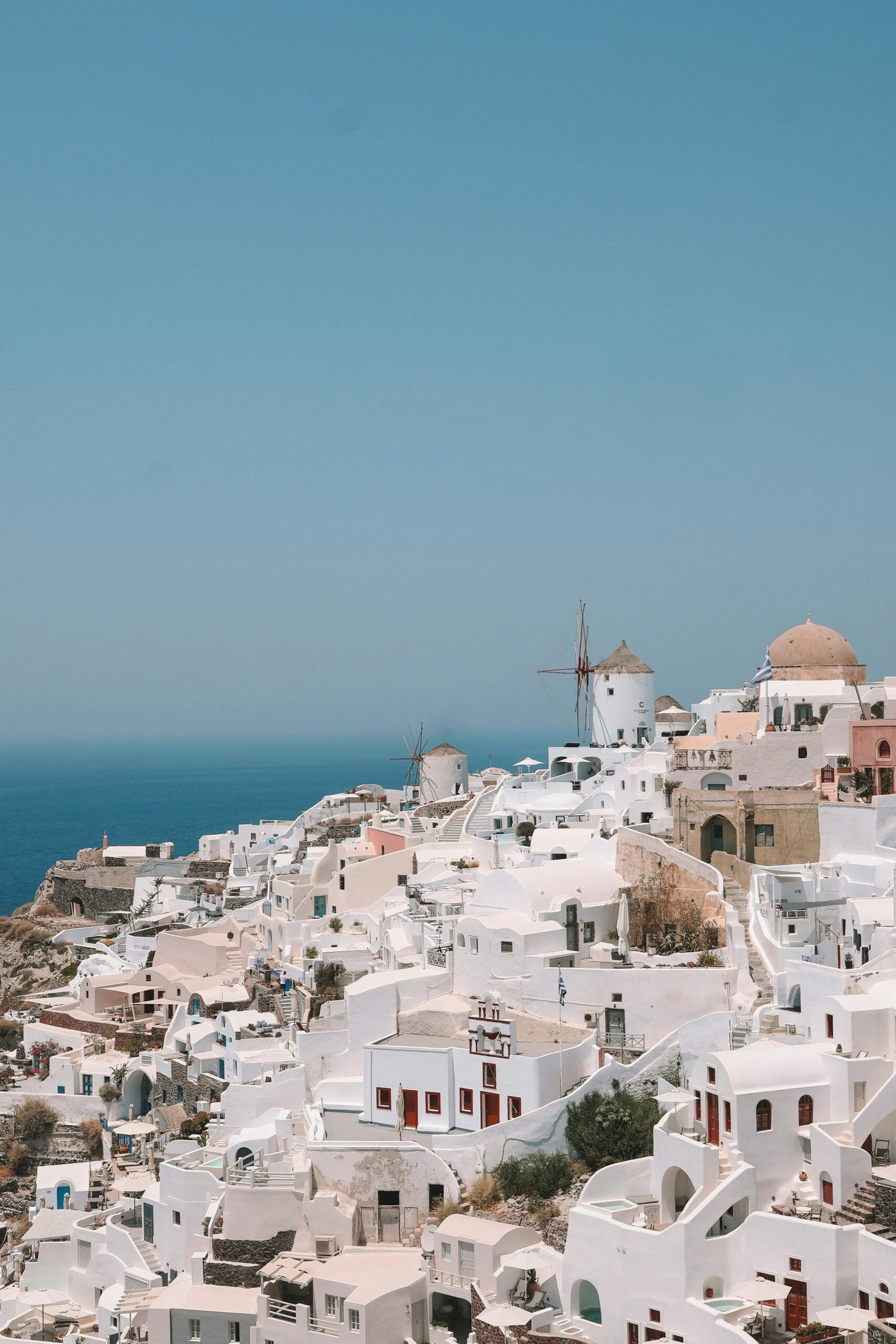
Why Most First-Timers to Santorini Leave Slightly Disappointed usually comes down to one thing: people arrive chasing an image, not a functioning travel experience. They have seen the caldera, the whitewashed villages, the blue domes, and the sunset shots, then assume the island will deliver that feeling on demand.
The problem is not that Santorini is overrated. The problem is that first-timers often want it to behave like a private version of the internet’s favorite photo and then feel irritated when it behaves like one of Greece’s most in-demand places in peak season.
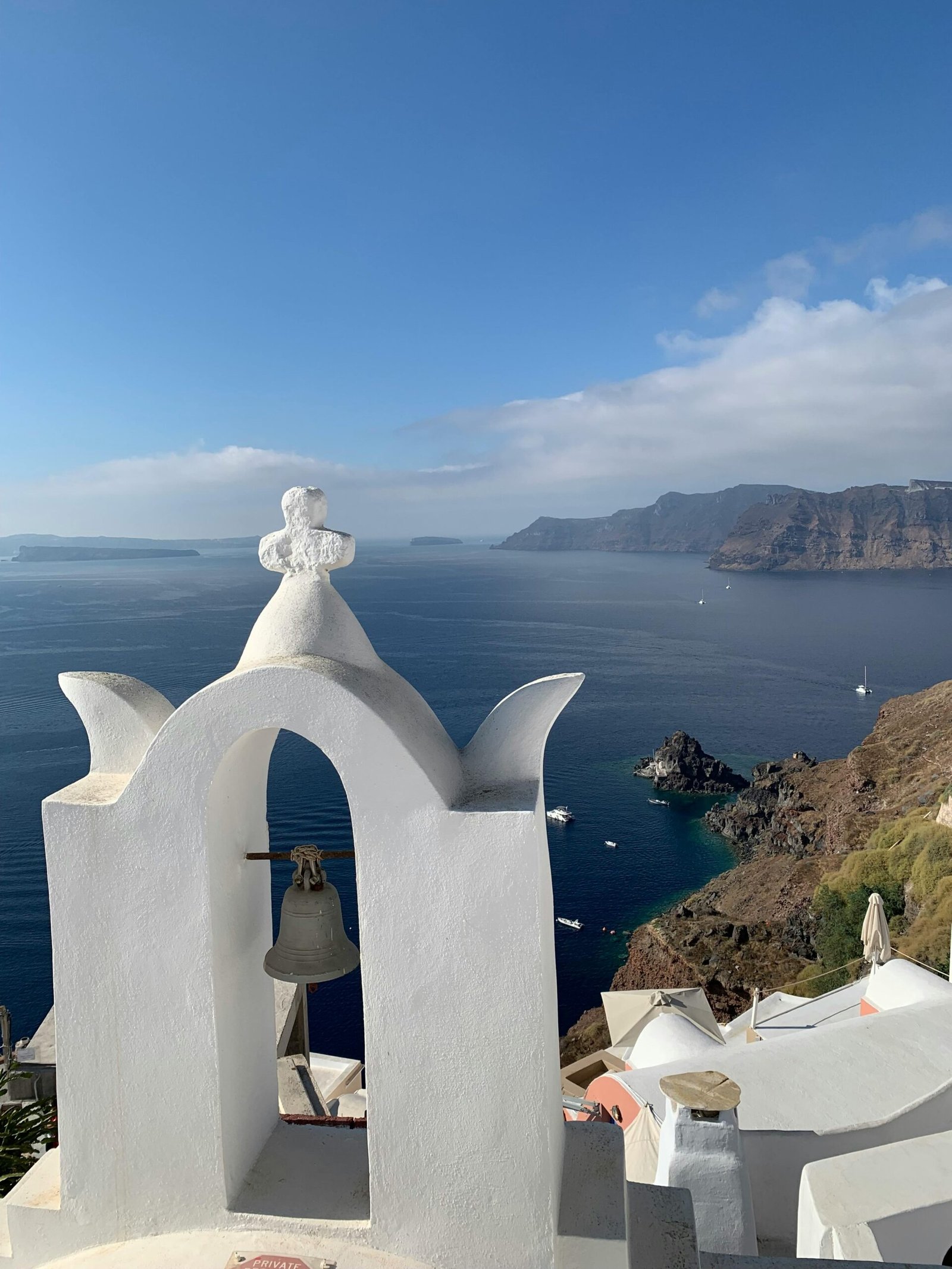
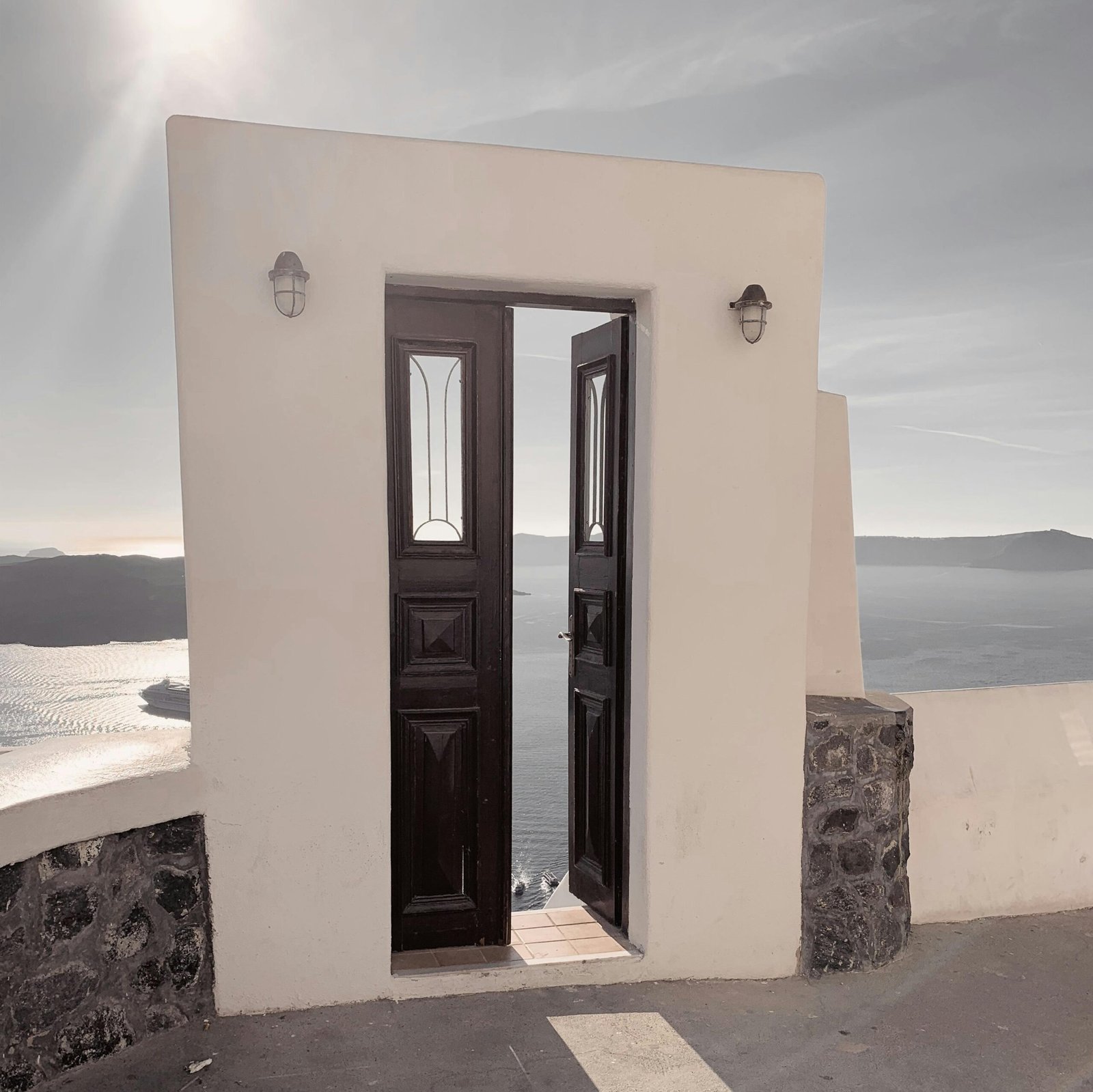
Why Most First-Timers to Santorini Leave Slightly Disappointed
The real mistake: treating Santorini like a feeling, not a place
People do this because Santorini has been sold as a mood. They are not booking a Greek island in their mind; they are booking a compressed version of romance, ease, and visual payoff. That is a dangerous setup, because actual travel is not a still image. It has queues, heat, noise, timing problems, and other people with the same expectations.
Why Most First-Timers to Santorini Leave Slightly Disappointed is often less about the island and more about the emotional contract they signed before they arrived. They expected immediate payoff. Santorini asks for patience, tolerance for crowds, and a willingness to accept that the famous parts are famous because everyone wants them at once.
Why the island attracts this kind of expectation in the first place
Santorini is one of the few places in Greece that gets consumed as a symbol before it gets understood as a destination. That matters. Travelers see it in proposals, honeymoons, luxury ads, and social feeds, so they arrive primed for a polished experience and feel cheated when the island is busy, expensive, and less intimate than they pictured.
The emotional logic is simple: people want certainty on a trip that feels important. Santorini looks like a safe bet because it is recognizable, easy to explain, and socially validated. First-timers often choose it to avoid regret, which is exactly why they are vulnerable to disappointment when the reality is more crowded and more commercial than the fantasy.
There is also a status component that people rarely admit out loud. For many travelers, Santorini is the island they feel they are supposed to do, especially on a first Greece trip. That pressure leads to weak decision-making, and weak decision-making is how you end up spending a premium for an experience that feels more performative than restorative.
Why Most First-Timers to Santorini Leave Slightly Disappointed in peak season
Peak season is where the mismatch becomes impossible to ignore. The island’s famous viewpoints, villages, and dining terraces are not private rewards for being there; they are shared spaces under heavy demand. When people realize this, the emotional tone shifts fast from anticipation to management.
The moment disappointment usually hits is not the first arrival. It is the first time they try to access the exact version of Santorini they had in their head and discover they are one of many people trying to do the same thing at the same time. That is when the island stops feeling cinematic and starts feeling controlled by crowd flow, timing, and reservations.
My position is blunt: if your main goal is a calm, spacious, easy island experience in July or August, Santorini is the wrong choice. Not a slightly imperfect choice — the wrong one. The issue is not quality; it is fit. A beautiful place can still be a poor match for a traveler who wants breathing room.
Even the planning language changes once people are in it. They stop asking what they want from the island and start asking how to avoid the worst parts of it. That is a sign the trip has already moved from pleasure to problem-solving.
The emotional gap: what first-timers expect vs what they actually experience
Expectations are usually built around three fantasies: privacy, ease, and constant visual payoff. In reality, Santorini delivers strong views in specific places, but not all day, not everywhere, and not without friction. The island is compact, but compact does not mean relaxed.
What many first-timers actually feel is a strange mix of admiration and effort. They know the island is impressive, but they are also aware of the price tag, the crowds, and the fact that much of the day is spent navigating around the famous parts rather than living inside them. That emotional split is the source of the “slightly disappointed” reaction.
This is where people misread their own reaction. They think disappointment means the island failed. More often, it means their expectation was too narrow. They wanted a private version of a globally shared destination, which is not a realistic ask in peak season.
The traveler types most prone to this pattern
Some travelers are simply more exposed to this disappointment than others. The common thread is not budget, age, or nationality. It is the need for a trip to confirm an internal story they already have about what Greece should feel like.
- Honeymooners who want intimacy but book the most visible island in Greece
- First-time Greece visitors who treat Santorini as the default starting point
- Travelers who rely heavily on social media imagery to choose destinations
- People with limited time who want the “best” island experience in one stop
- Luxury travelers who assume price will buy privacy and calm
These travelers are not naive. They are often busy, successful, and used to making efficient decisions. The mistake is psychological: they assume a famous place will deliver a personalized experience just because they are willing to pay for one. Santorini does not work that way in peak season.
What people consistently underestimate about the island
The biggest blind spot is emotional fatigue. Santorini is not difficult in the dramatic sense; it is difficult in the repetitive sense. You spend energy managing the same pressures over and over: crowds, timing, access, and the gap between what is visible and what is actually pleasant to use.
Another underestimation is how quickly novelty wears off. The first view is strong. The tenth time you are adjusting your day around the same bottlenecks, the island feels less like a dream and more like a system. That shift surprises people because they expected beauty to erase inconvenience.
For travelers who want a broader Greece context, it helps to compare Santorini with the rest of the country rather than treating it as the whole story. The official tourism material at
Visit Greece can be useful for that wider frame, but the real lesson is simpler: famous does not mean frictionless.
How to approach Santorini differently if you want less regret
The better approach is not to lower your standards. It is to stop asking Santorini to be something it is not. If you want dramatic caldera views, strong dining, and a destination with real cachet, Santorini can absolutely deliver. If you want space, ease, and a feeling of discovery, you need to be honest that this island is not built for that in peak season.
Why Most First-Timers to Santorini Leave Slightly Disappointed is a useful question because it exposes the real issue: expectation management. The travelers who enjoy the island most are the ones who understand that they are choosing a famous, high-demand place with all the trade-offs that come with fame. Greece rewards travelers who arrive with a plan, but more importantly, it rewards travelers who know what kind of experience they are actually trying to buy.
If you want the trip to feel better, ask a more precise question before you book: am I chasing a visual icon, or do I want a satisfying stay? Those are not the same thing. Once you see the difference, Santorini becomes easier to place in your Greece trip instead of becoming the whole point of it.
For travelers who want the cultural side of Greece to feel more grounded, it is worth remembering that the country is much larger than its postcard islands. A broader reference point like the Hellenic Ministry of Culture helps put Santorini in context: this is one destination in a country with depth, not the definition of the country itself.
What a realistic Santorini mindset actually looks like
A realistic mindset does not mean being cynical. It means accepting that a famous place will ask more of you than a quieter one. You may still love it, but you should love it for what it is, not for what the internet taught you to expect.
That shift changes the whole trip. You stop measuring every moment against a fantasy and start evaluating whether the island is delivering the specific things you came for. That is the difference between a controlled disappointment and a genuinely satisfying visit.
Conclusion
Why Most First-Timers to Santorini Leave Slightly Disappointed is not a warning to avoid the island. It is a warning to stop confusing fame with fit. Santorini can be worth it, but only when you understand the emotional trap: the more a traveler wants the island to validate a fantasy, the more likely they are to notice its friction first.
Greece doesn’t punish inexperience. It punishes unexamined assumptions. The travelers who leave disappointed rarely lacked information — they lacked a framework for using it.
Frequently asked questions
Why do first-time visitors to Santorini often feel disappointed?
Because they arrive expecting a private, effortless version of a very popular island. The reality in peak season is crowds, higher prices, and a lot more management than most people expect.
Is Santorini still worth visiting for first-timers?
Yes, if you want the caldera views, the famous villages, and a high-profile Greece experience. No, if your main goal is quiet, space, and a low-friction island stay.
What is the biggest mistake people make when planning Santorini?
They choose it for the image of Santorini instead of the experience they actually want. That usually leads to frustration when the island feels busy and commercial rather than intimate.
When does disappointment usually hit during a Santorini trip?
Usually when travelers try to access the exact version of the island they had imagined and realize many other people are doing the same thing at the same time.
Who is most likely to leave Santorini feeling underwhelmed?
Honeymooners chasing privacy, first-time Greece visitors using Santorini as the default choice, and travelers who rely heavily on social media imagery are the most prone to this pattern.
How should I think about Santorini differently?
Treat it as a famous, high-demand destination with real trade-offs, not as a guaranteed emotional experience. That mindset leads to better decisions and less regret.