

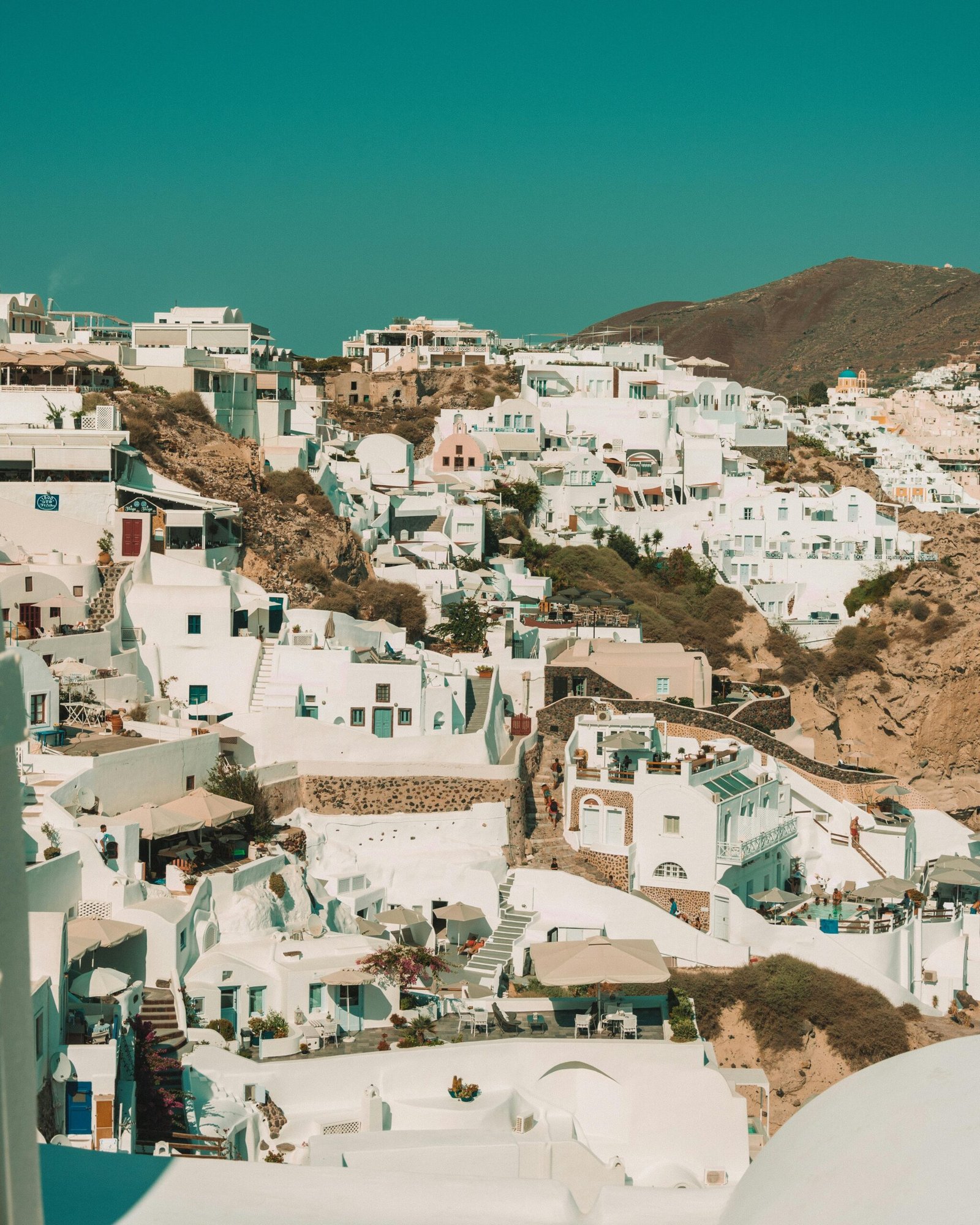
Why Santorini Is a Better 2nd Greece Trip Than a First One is simple: the island makes more sense once you already understand Greece’s rhythm, pricing, and island trade-offs. First-time visitors often treat it like a standalone bucket-list stop, then wonder why the experience feels expensive, crowded, and oddly compressed.
That is not a Santorini problem in the abstract. It is a planning problem. Santorini works best when it is placed deliberately inside a wider Greece trip, where its premium reality feels intentional instead of disappointing.
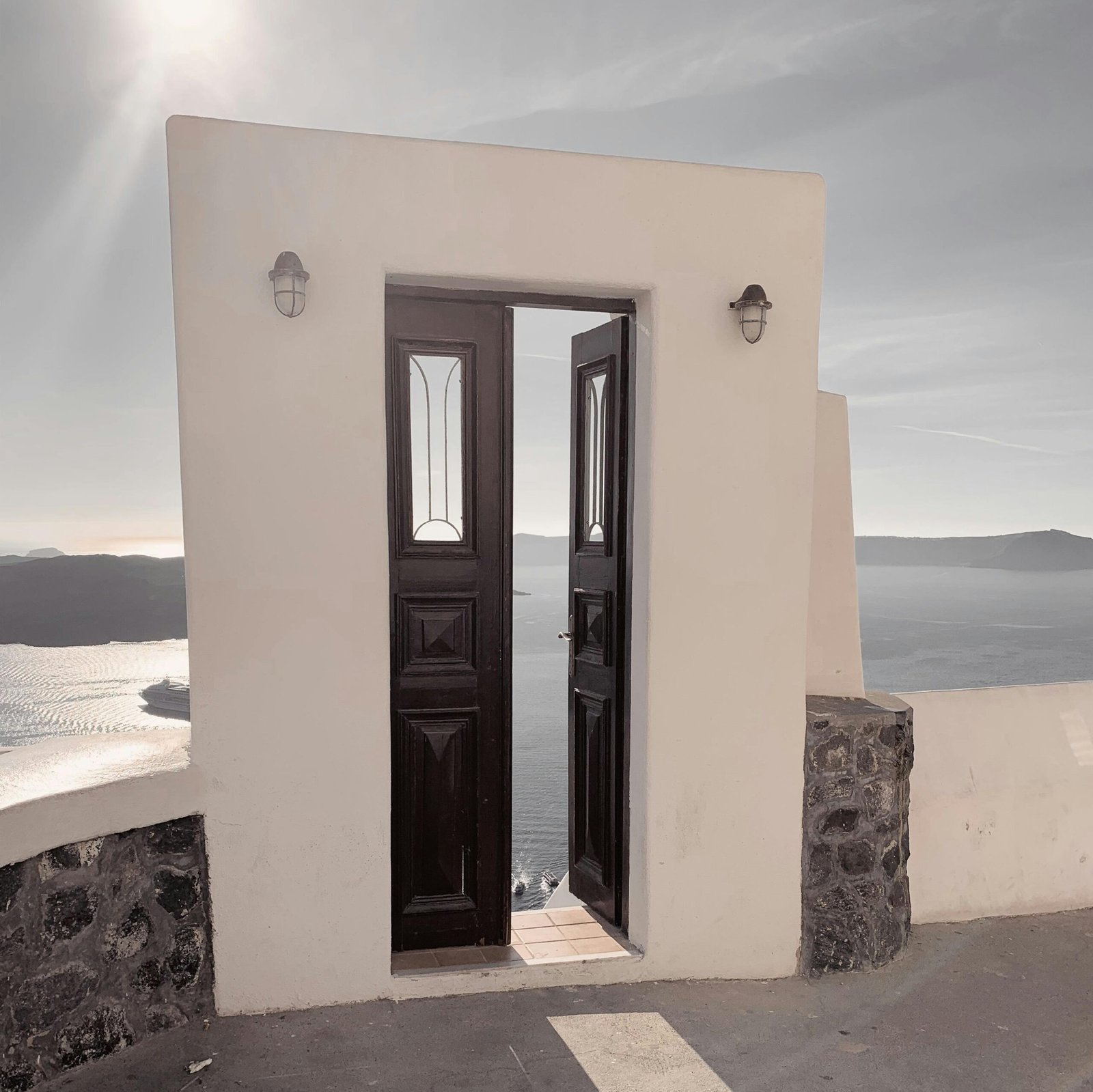
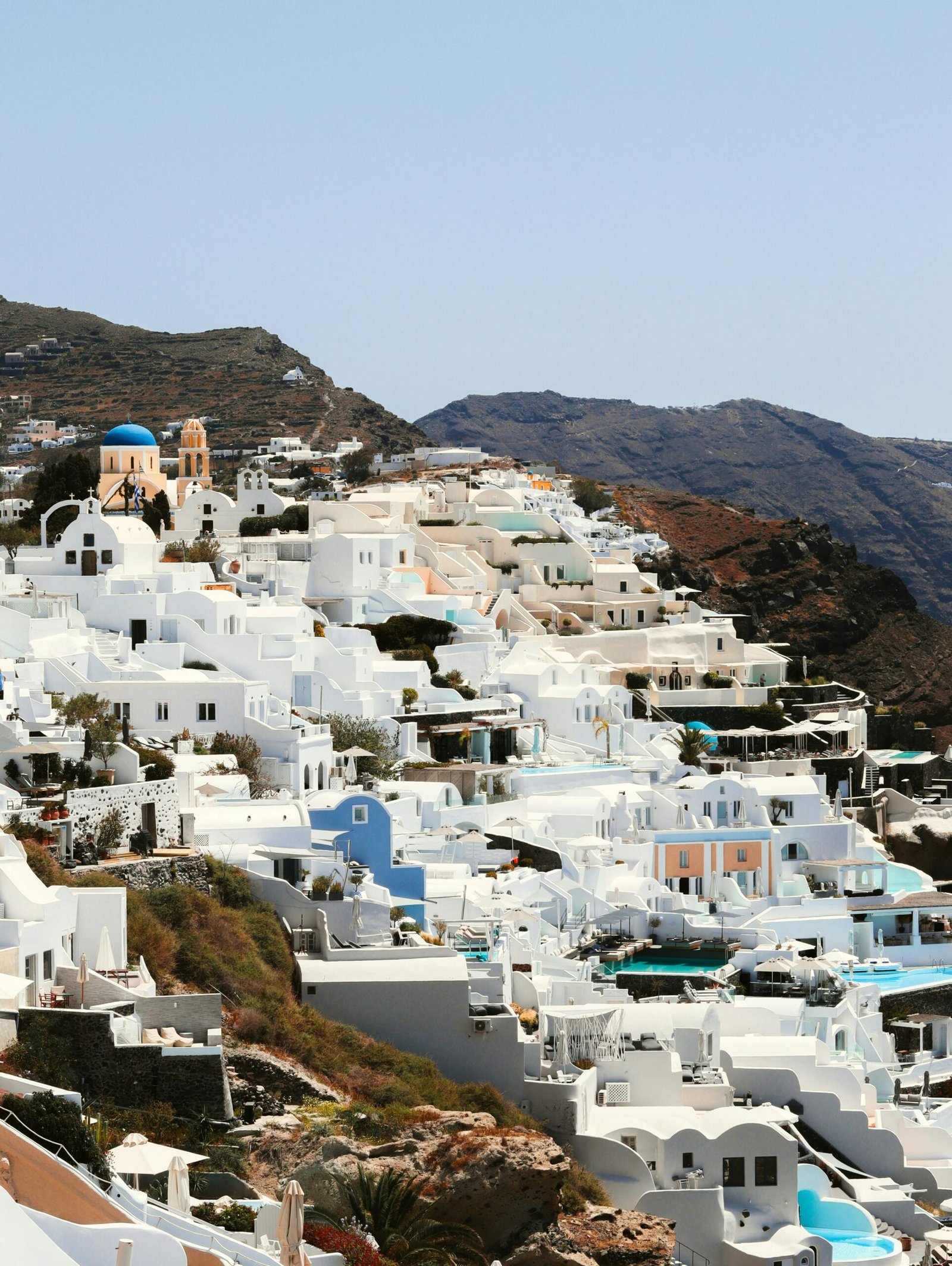
Why Santorini Is a Better 2nd Greece Trip Than a First One
I’m going to be direct: Santorini is usually a poor first Greece trip if you want a broad, balanced introduction to the country. It is too expensive, too concentrated, and too heavily shaped by day-tripper behavior to explain Greece well on its own. Why Santorini Is a Better 2nd Greece Trip Than a First One is not a marketing line; it is what I have seen play out again and again with travelers who come in expecting the island to function like a complete Greece experience.
By the second trip, people usually know what they value. They know whether they want food, views, beaches, archaeology, quiet, or a polished hotel stay, and that matters here. Santorini is not the place to learn the basics of Greece. It is the place to refine them.
Why Santorini Is a Better 2nd Greece Trip Than a First One for serious planners
The island is built around a premium experience, and that premium is real. You are paying for location, views, and brand recognition, not for space, easy movement, or generous value. Travelers who have already seen Athens, Naxos, Crete, or the Peloponnese understand that Santorini is a specialist stop, not a generalist one.
That is why Why Santorini Is a Better 2nd Greece Trip Than a First One is the right framing. Once you have another Greek island or region in your memory, Santorini stops feeling like a surprise and starts feeling like a deliberate contrast. You can actually judge what the island does well instead of asking it to do everything.
What travelers consistently get wrong
The first mistake is assuming Santorini is about beaches. It has beaches, but that is not why people go, and travelers who build their expectations around beach time usually leave underwhelmed. If sand and easy swimming are your priority, other Greek islands do that better and with less friction.
The second mistake is booking Santorini as if it were a relaxed add-on. It is one of the most recognizable islands in the country, so the premium zones are busy, the best-view areas are tightly priced, and the island’s popularity distorts the experience. People also underestimate how much the location of the stay matters; being in Oia, Fira, Imerovigli, Firostefani, Megalochori, or Pyrgos changes the whole tone of the trip.
The practical consequence is straightforward: if you choose the wrong area, you spend money for a view you barely use or a base that feels disconnected from what you thought you were buying. That is how Santorini becomes a regret story instead of a highlight.
Where Santorini actually works best
Oia is the obvious name, and it is also the easiest place to misread. It is polished, heavily photographed, and expensive for a reason, but it is not the best base for every traveler. If you want the classic caldera experience and are comfortable paying for it, Oia delivers exactly that, no more and no less.
Fira is more practical and more active, which is useful for travelers who want energy rather than seclusion. Imerovigli is the strongest choice for people who care about views but want less noise than Oia. Firostefani sits in a useful middle ground, while Pyrgos and Megalochori appeal to travelers who want a more grounded village feel and do not need to be in the center of the island’s most obvious photo zones.
If you want a deeper sense of how Greece’s cultural and regional layers fit together, it helps to compare Santorini with the broader national picture through resources like
Visit Greece. That context matters because Santorini is not meant to represent all of Greece; it represents one very specific version of it.
The counterintuitive truth most people miss
The surprising thing about Santorini is that it often feels better after a less dramatic Greek island or mainland stop. That sounds backwards, but it is true. When travelers come here first, they often measure the island against an imagined version of Greece and miss the point entirely.
When Santorini comes second, the island’s strengths become sharper. You notice the architecture, the caldera setting, the tighter hospitality standard, and the fact that the island is designed for a certain kind of stay. You also notice what you are giving up: ease, value, and the loose, unpolished feel that many first-time Greece visitors actually enjoy elsewhere.
Who this suits
This suits travelers who already know they like elevated hotels, strong views, and a destination that feels curated rather than casual. It suits couples, repeat Greece visitors, food-focused travelers who can handle premium pricing, and people who want Santorini as the dramatic final chapter of a broader trip.
It does not suit travelers who want Greece to feel spontaneous, cheap, or beach-forward. It also does not suit first-timers who only have a few nights in the country and expect one island to cover every version of Greece. If that is your brief, Santorini is a poor first choice and a better second one by a wide margin.
What you gain, and what you give up
What you gain is clarity. Santorini is one of the few Greek destinations where the product is immediately legible: views, design, service, and a very specific kind of island atmosphere. There is no need to decode it if you already know what Greece can look like elsewhere.
What you give up is value, breathing room, and the sense that you are discovering something at a slower pace. You also give up the illusion that one island can be everything. That trade-off is fine when it is chosen consciously. It is frustrating when it is not.
For travelers who want the island to fit into a larger, better-informed Greece trip, official cultural context can be useful too, especially if Athens or mainland history is part of the same journey. The Acropolis Museum is a good reminder that Greece is broader than its islands, and Santorini makes more sense when seen in that wider frame.
Why expert planning matters more here than almost anywhere else
Santorini punishes lazy assumptions. People choose the wrong side of the island, overpay for the wrong kind of room, or schedule it as if it were a casual stop after a long string of other places. Then they blame the island when the real issue was sequencing and positioning.
Why Santorini Is a Better 2nd Greece Trip Than a First One is really a planning lesson. Once you know how Greece actually works, Santorini becomes a strong, intentional choice. Before that, it often feels like a test you did not study for.
Most Greece trips follow the same tired script. The ones that don’t — the ones travelers still talk about years later — were built around a real understanding of how this country works. That kind of understanding takes time, or it takes someone who already has it.
Recommended experiences
Some experiences mentioned here are curated and managed by Elite Greece Travels.
- Greece 7 Day Itinerary Athens Delphi Meteora Santorini — Itinerary (managed by Elite Greece Travels).
- Classical Greece Mykonos Santorini 10 Day Itinerary — Itinerary (managed by Elite Greece Travels).
- Athens Mykonos Santorini 7 Day Itinerary 7 Days Greece — Itinerary (managed by Elite Greece Travels).
Frequently asked questions
Is Santorini a good first trip to Greece?
For many travelers, no. Santorini is too shaped by premium pricing, crowd pressure, and strong expectations to work as the best first introduction to Greece. It makes more sense once you already understand what other Greek destinations offer.
Why does Santorini work better as a second Greece trip?
Because you can judge it properly only after you have seen how different Greece can be. A second trip gives you context for its pricing, its crowds, and its specific appeal, so the island feels intentional rather than limiting.
What do travelers underestimate most about Santorini?
They underestimate how much the base location affects the whole stay, and how quickly the island’s premium areas add up in cost. They also underestimate how busy the most famous parts of the island can feel, especially in peak season.
Which areas are best for a Santorini stay?
Oia is the classic high-end choice, Fira is more active, Imerovigli is strong for views with less noise, Firostefani is a practical middle ground, and Pyrgos or Megalochori suit travelers who want a more village-oriented feel.
What kind of traveler is Santorini not good for?
It is not ideal for budget travelers, beach-first travelers, or first-timers who want a broad, easy Greece introduction. It is also not the best choice for people who dislike crowds or expect a loose, unstructured island feel.
How should Santorini be positioned in a wider Greece trip?
As a deliberate premium stop, not as the whole trip. It usually works best after another Greek region or island, when travelers already know what they value and can appreciate Santorini for what it actually does well.