

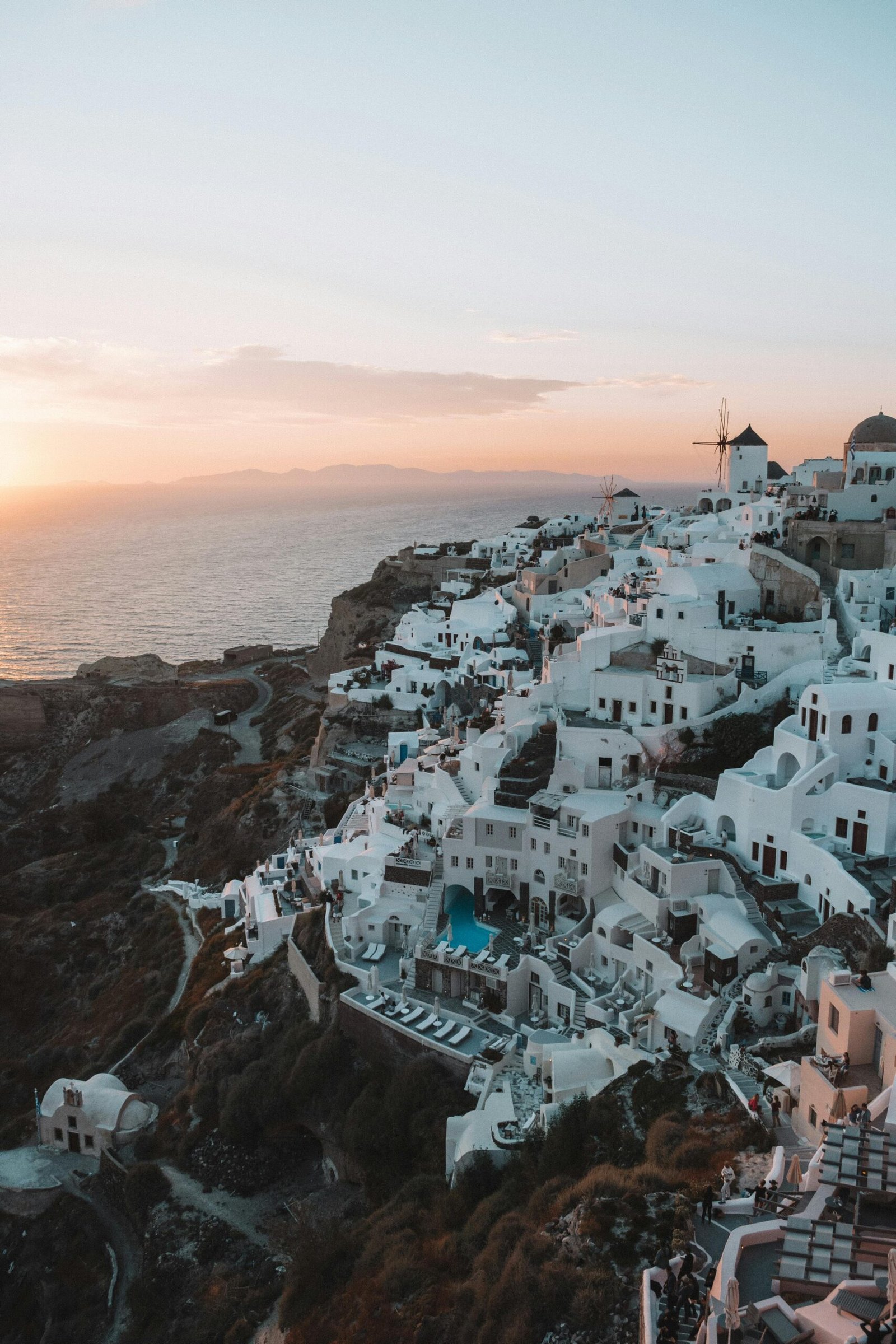
Why Most First-Timers to Santorini Leave Slightly Disappointed starts with a simple problem: people arrive with an image, not an expectation. They think they are buying a version of the island that was built by photos, short videos, and other people’s best moments.
The disappointment is usually not dramatic. It is quieter than that. It shows up when the island feels more managed, more crowded, and less private than the fantasy, especially in peak season when everyone is trying to stand in the same place at the same time.
Why Most First-Timers to Santorini Leave Slightly Disappointed
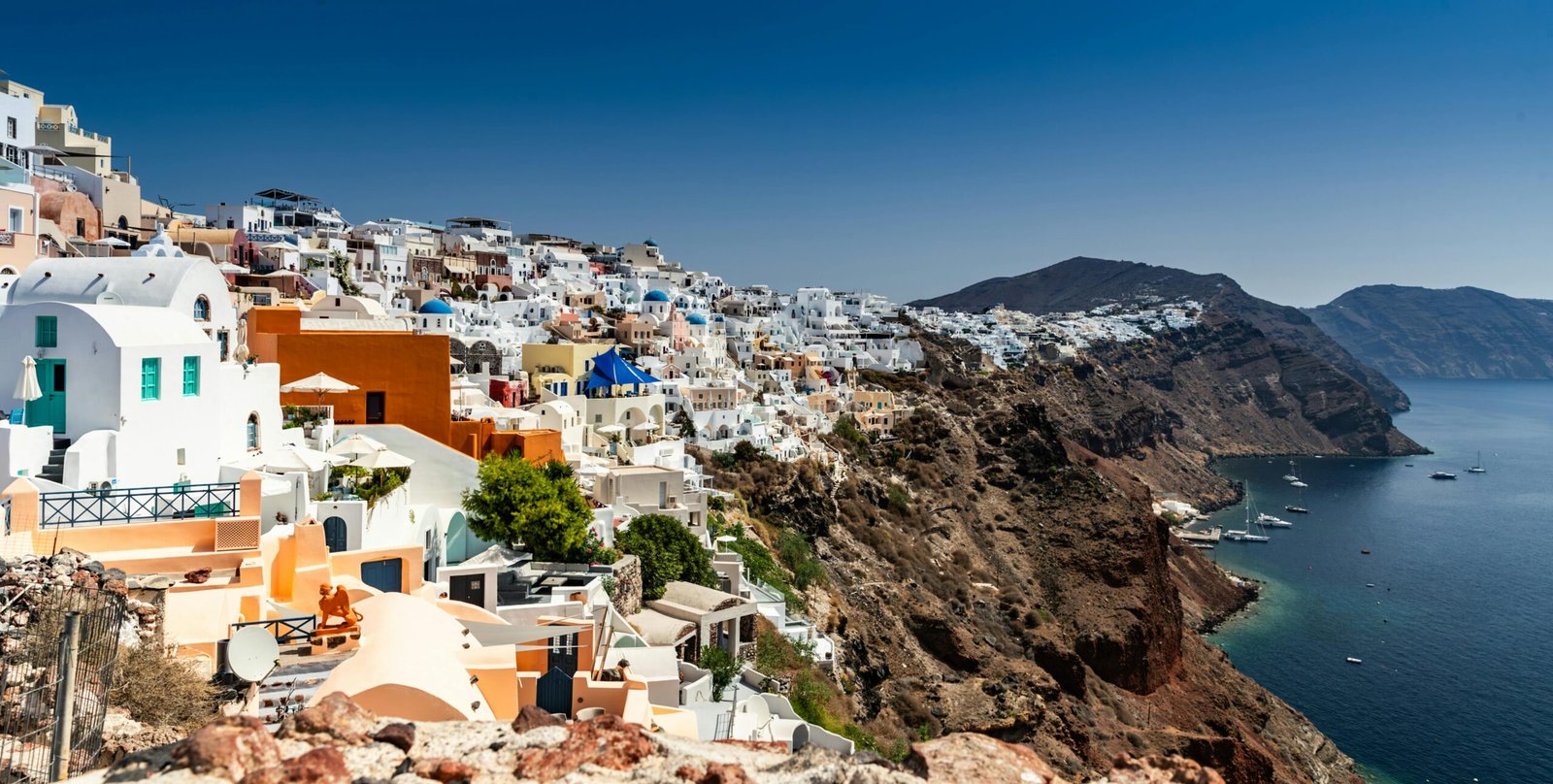
People do not choose Santorini by accident. They choose it because they want the famous version of Greece: the white buildings, the blue domes, the sunset they have seen a hundred times, and the feeling that they have picked the “right” Greek island. That is the psychological trap. The island becomes a test of whether the trip matches the image in their head, and that is a bad way to evaluate any place.
Why Most First-Timers to Santorini Leave Slightly Disappointed is not a complaint about the island. It is a complaint about the gap between fantasy and reality. In peak season, Santorini is busy, expensive, and highly exposed to the needs of mass tourism. If you arrive expecting intimacy, ease, and space, you are setting yourself up for friction.
The image people buy is not the experience they get
Most travelers are not really choosing Santorini for the island itself. They are choosing the idea of having been there. That is why the disappointment often feels personal: the trip did not just fail to impress, it failed to confirm the story they wanted to tell about themselves as travelers.
This is where Why Most First-Timers to Santorini Leave Slightly Disappointed becomes predictable. People expect a place that feels exclusive and calm, then meet a destination that is heavily optimized for high-volume demand. The result is a strange emotional mismatch: they are in one of Greece’s most famous places, yet they feel like they are moving through a product queue.
Why most first-timers to Santorini leave slightly disappointed in peak season
Peak season is the core issue, not a side note. In summer, Santorini is not a quiet island with a few busy corners. It is a destination under sustained pressure, and that pressure affects nearly everything a first-timer notices: crowd density, service pace, availability, and the feeling of personal space.
I am going to be direct: if your main goal is a relaxed, uncrowded Greek island experience, Santorini in peak season is the wrong choice. That is not a subtle opinion. It is the central planning fact people keep trying to soften, and it is why Why Most First-Timers to Santorini Leave Slightly Disappointed keeps coming up again and again.
There is also a practical consequence travelers underestimate. When an island is this famous, every small inconvenience feels larger because you have paid a premium for the privilege of dealing with it. You notice the wait, the noise, the pricing, and the crowding more sharply because the cost has already primed you to expect a better experience.
The moment disappointment usually hits
The shift is rarely immediate. It usually comes when the first romantic expectation meets the first operational reality. For many people, that moment is the sunset crowd: the realization that the famous view is shared with a lot of other people who all had the same idea and arrived at the same time.
That is when the trip changes in the mind. The traveler stops seeing a landmark and starts seeing logistics, bodies, and competition for space. Why Most First-Timers to Santorini Leave Slightly Disappointed is often really about this one emotional pivot: the island stops feeling like a reward and starts feeling like a performance.
Another common trigger is the second or third meal. People assume a famous island will deliver a smooth, elevated rhythm throughout the day. Instead, they encounter crowded venues, rushed service, and pricing that feels disconnected from the actual experience. The issue is not that Santorini lacks quality. The issue is that the experience is often not as effortless as the marketing suggests.
Who is most likely to feel this way
Some traveler types are much more vulnerable to this disappointment than others. The pattern shows up most clearly in people who value atmosphere more than activity, first-timers who are trying to “do Greece properly,” and couples who want their trip to feel naturally romantic without having to manage any friction.
- Travelers chasing the “best island” label instead of a specific experience
- Visitors who want quiet, space, and low-friction movement
- People who build the trip around photos they have already seen online
- First-time Greece visitors who assume the most famous place is the safest choice
The last group is especially common. They think choosing the iconic destination reduces risk. In practice, it often increases it, because fame brings crowding, pricing pressure, and a narrower margin for disappointment.
The surprising truth: Santorini is often best understood as a high-expectation destination, not a high-comfort one
This is the part people do not like hearing, but it is true. Santorini is not designed to make first-timers feel relaxed. It is designed to deliver a concentrated version of the island’s visual identity, and that is a different product entirely. The island can be impressive and still leave you slightly unsatisfied because the experience is so front-loaded into a few famous views and a narrow set of moments.
That is why Why Most First-Timers to Santorini Leave Slightly Disappointed is not really about quality. It is about concentration. When a destination funnels so much attention toward a few highly visible places, the rest of the trip has to work harder to feel complete.
For travelers who want a broader Greece context, it helps to compare Santorini with the country’s wider cultural and destination landscape rather than treating it as the whole story. Resources like
VisitGreece are useful for that, because they remind you that Greece is not one island type, one mood, or one travel format.
What people mistake for romance
Many first-timers think they want romance, but what they actually want is ease. They want beautiful surroundings without friction, and they assume Santorini will provide that automatically. That assumption breaks down quickly in peak season, when the island’s fame creates the opposite of ease in the places everyone wants most.
The emotional problem is subtle. Once travelers feel they have chosen a romantic destination, they are less willing to admit they are stressed, overpaying, or mildly annoyed. They keep trying to interpret the trip as special, even when the day-to-day experience is telling them something else.
That is why the most disappointed visitors are often not the ones who hated Santorini. They are the ones who kept waiting for the feeling to arrive and never fully relaxed because the island never matched the emotional script they brought with them.
How to approach Santorini differently
The better approach is not to demand less from Santorini. It is to ask a more honest question before you go: what kind of trip am I actually trying to have? If you want a famous view, a short stay, and a destination that feels undeniably recognizable, Santorini can still make sense. If you want a laid-back island experience, you are choosing the wrong place.
Greece rewards travelers who arrive with a plan, and in Santorini that means planning around your real tolerance for crowds, heat, and premium pricing. If your emotional goal is calm, you should not build the trip around the island’s most crowded season and most photographed corners. That is how people end up writing off a place that was never going to deliver what they wanted.
For travelers who care about context, culture, and the broader Greek experience, it also helps to stay grounded in the country’s actual heritage rather than only its visual branding. The Hellenic Ministry of Culture offers a useful reminder that Greece is deeper than one island’s image, and that perspective matters when you are deciding what role Santorini should play in your trip.
Conclusion
Why Most First-Timers to Santorini Leave Slightly Disappointed is really a lesson in self-awareness. The island is not failing; the expectation is. Once you understand the emotional pattern — choosing the famous version of a place because it feels like the safe, impressive, socially validated choice — the disappointment makes sense.
Recognizing the pattern is the first step. The second is building a trip around how you actually travel — not the traveler you imagine yourself to be. Most great Greece experiences start with that honesty.
Frequently asked questions
Why do first-time visitors to Santorini feel disappointed?
Because many arrive expecting a quiet, effortless, highly romantic island and instead find a crowded, premium-priced destination shaped by peak-season demand. The gap between image and reality is what creates the letdown.
Is Santorini overrated for first-time travelers?
For some travelers, yes. If you want calm, space, and low-friction island time, Santorini can feel overrated because it is famous for its visuals, not for ease.
What is the biggest mistake first-timers make in Santorini?
They confuse a famous destination with the right destination. Choosing Santorini because it is iconic often leads people to ignore whether they actually want the kind of experience it delivers in peak season.
Who is most likely to be disappointed by Santorini?
Travelers who want privacy, relaxed pacing, and a sense of discovery are most at risk. So are people who build the trip entirely around online images and expect the real place to feel the same.
Does Santorini always disappoint first-timers?
No. It disappoints travelers who expect the wrong thing. People who understand its pace, crowding, and premium feel are less likely to feel let down.
What should I ask myself before booking Santorini?
Ask whether you want a famous visual experience or a relaxed island experience. Those are not the same thing, and Santorini is much better at the first than the second.