

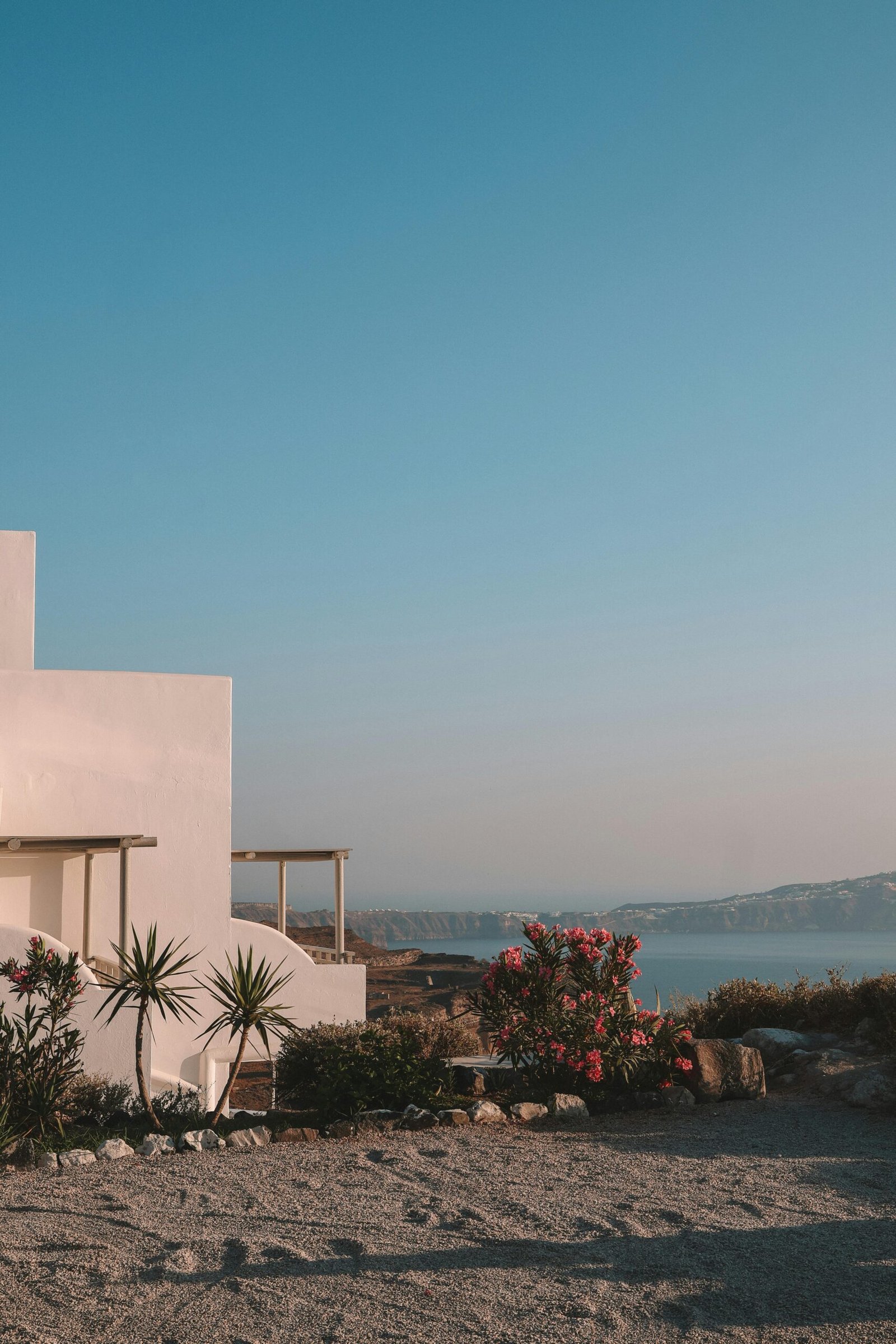
Why Most First-Timers to Santorini Leave Slightly Disappointed is usually not a problem of taste. It is a problem of expectation: people arrive with a postcard in their head and a very busy island in front of them.
The disappointment is rarely dramatic. It is more often a slow realization that the version of Santorini they were sold is not the version they are actually visiting, especially in peak season.
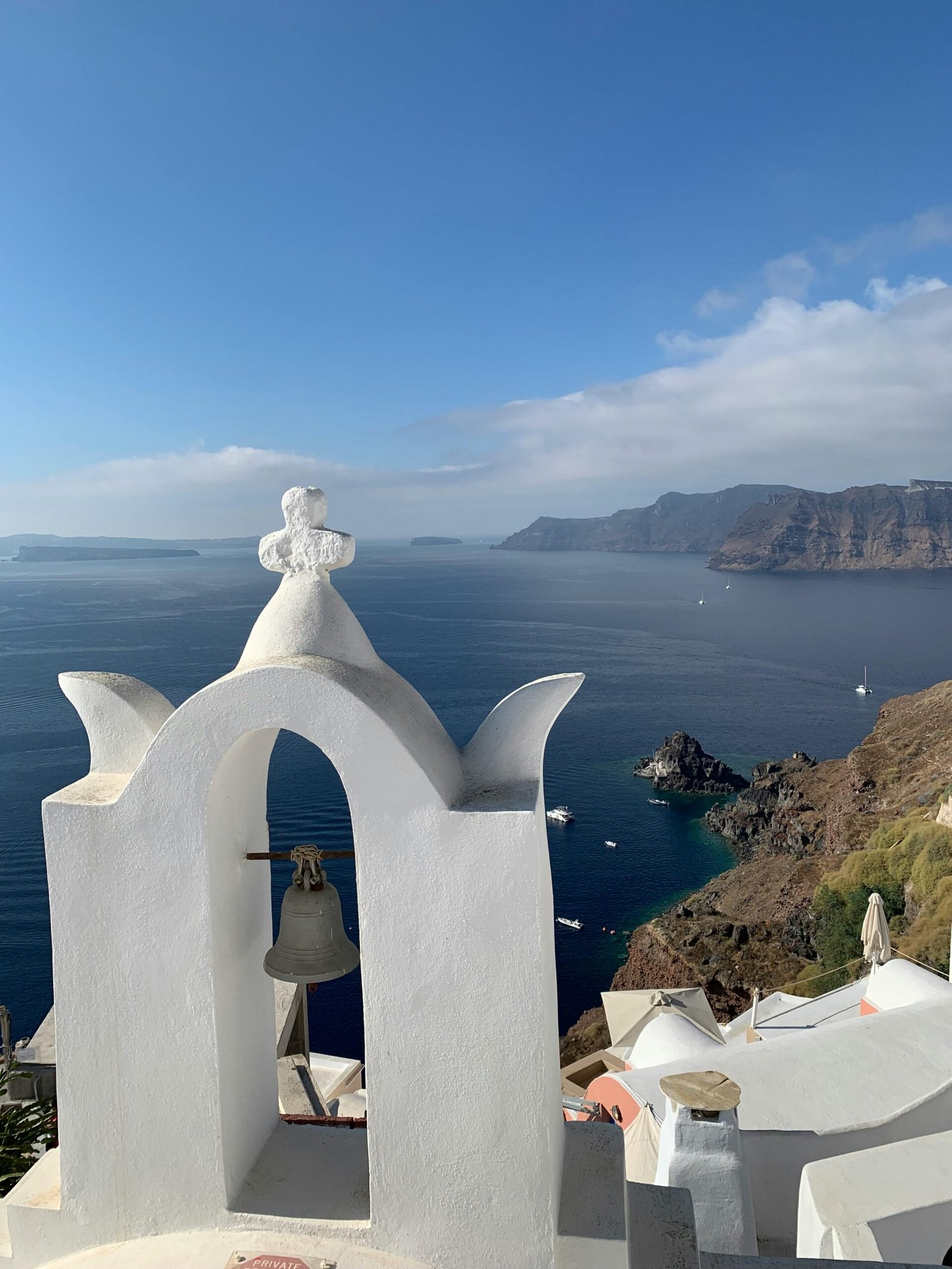
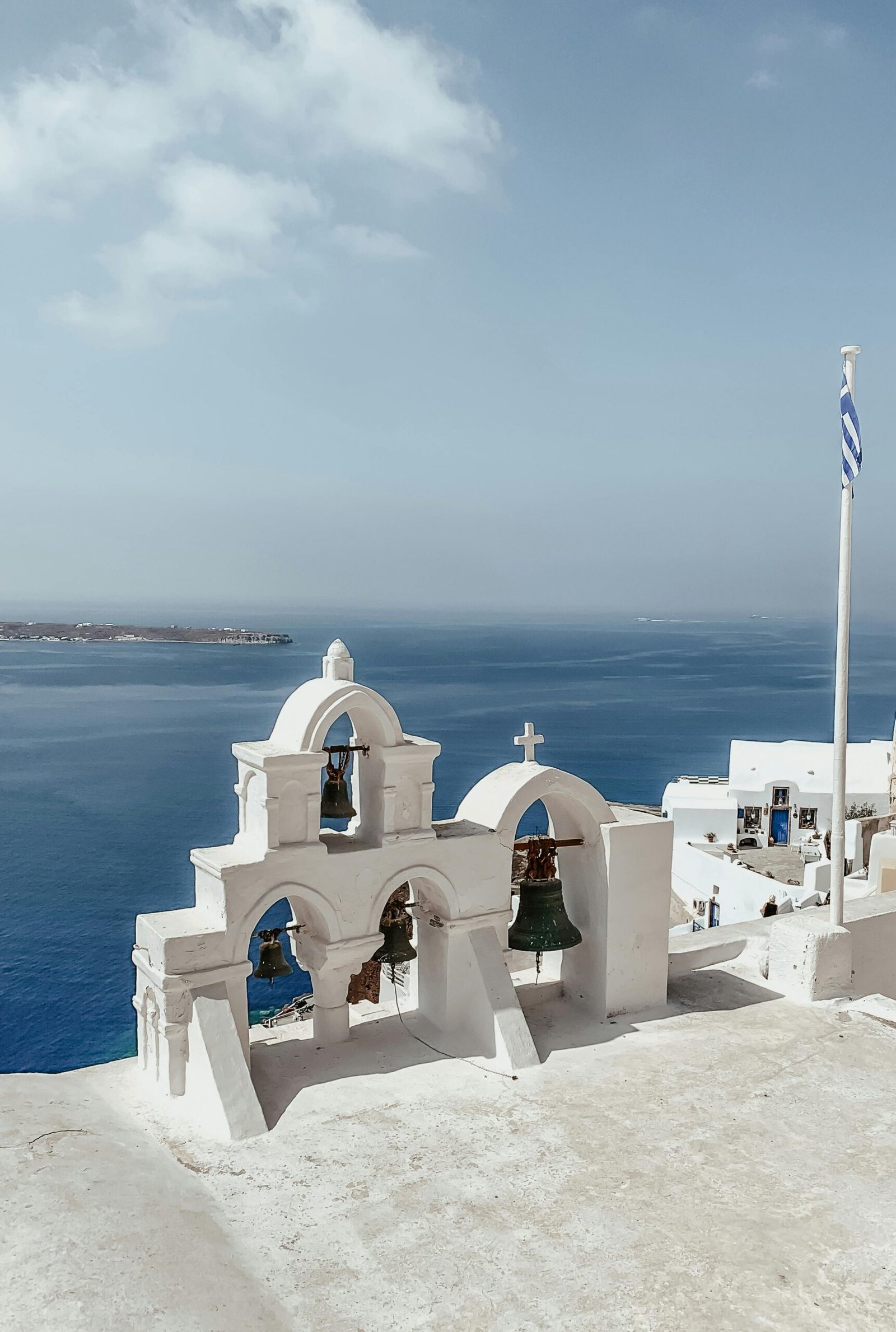
Why Most First-Timers to Santorini Leave Slightly Disappointed
The real reason Santorini disappoints first-timers
The core mistake is simple: travelers confuse a visual brand with a livable place. Santorini is one of the most photographed islands in Greece, so people assume the experience will feel polished, intimate, and effortless. In peak season, it often feels crowded, expensive, and managed around volume rather than comfort.
That is why Why Most First-Timers to Santorini Leave Slightly Disappointed is such a reliable pattern. The island is not failing to be beautiful; it is failing to match the emotional script people brought with them. They expected a private reward for making the trip, and instead they find themselves sharing the same viewpoints, terraces, and narrow lanes with everyone else who had the same idea.
Why travelers make this choice in the first place
People choose Santorini because they want certainty. It is the safe Greece decision: famous, recognizable, easy to explain to friends, and loaded with images that already feel familiar. For many first-timers, that familiarity reads as reassurance.
There is also a status element that people do not say out loud. Santorini signals that you have “done Greece properly,” even when the trip itself is rushed, expensive, and emotionally thin. That is a powerful driver, and it is exactly why Why Most First-Timers to Santorini Leave Slightly Disappointed keeps repeating itself across seasons.
Greece rewards travelers who arrive with a plan, but Santorini especially punishes travelers who arrive with a fantasy. The island is not built to absorb vague expectations. It is built to absorb demand.
The emotional gap: what people expect vs what they actually feel
Before the trip, people imagine ease. They picture slow mornings, open views, and a sense that the island will deliver a clean, elegant version of Greece without much effort. What they often feel instead is friction: queues, noise, inflated prices, and the constant sense that they are sharing every experience with a crowd.
The emotional gap is not about beauty. Santorini still has the caldera, the light, and the dramatic setting people came for. The gap is between the expectation of exclusivity and the reality of a destination that is heavily consumed, especially when everyone is trying to see the same places at the same time.
One counterintuitive truth: the more someone has seen Santorini in photos, the more likely they are to feel let down. That is not because the island is worse than advertised. It is because photos remove the context that matters most — scale, density, and the amount of competition for every good view.
The moment the disappointment usually hits
It usually hits when the traveler realizes the island is not giving them a private emotional experience. For some, that moment comes at a viewpoint packed shoulder to shoulder. For others, it comes when a dinner reservation, sunset spot, or hotel terrace feels less like a luxury and more like a timed performance.
This is the point where the trip changes in the mind. The traveler stops being a guest and starts feeling like a customer in a very expensive system. That shift is what makes Why Most First-Timers to Santorini Leave Slightly Disappointed more than a catchy phrase; it is a predictable emotional reaction to a specific kind of mismatch.
If you want the broader Greece context, the official national tourism site at
visitgreece.gr is useful for understanding how destinations are presented versus how they actually function on the ground.
Who is most likely to feel let down
Three traveler types get hit hardest. First, the romance-first couple who wants privacy, calm, and a sense of being alone together. Santorini can deliver moments of that, but not reliably in peak season, and not without paying for it.
Second, the first-time Greece visitor who assumes the most famous island must also be the best introduction to the country. That is a weak assumption. Santorini is a high-demand destination with a very specific profile, not a balanced sampler of Greek island life.
Third, the traveler who wants a luxury experience but has not thought through what luxury means in a crowded place. A high price does not automatically buy serenity. In Santorini, it often buys access, not calm.
- Romance-seekers who want privacy without paying for it
- First-timers who assume famous means representative
- Luxury travelers who expect quiet to come standard
What people consistently underestimate about peak season
They underestimate how much the island changes when demand spikes. In peak season, Santorini becomes less forgiving, less spacious, and less emotionally generous. The same places that look serene in photos can feel compressed and transactional in real life.
They also underestimate how much their own mood is shaped by friction. A traveler who spends the day navigating crowds, waiting, and overpaying is not in a neutral state by sunset. By the time the view arrives, they are already tired, and tired people do not experience beauty well.
That is why timing matters more than most first-timers admit. The island itself is not the issue; the combination of peak demand and inflated expectation is. If you visit Santorini as though it were a quiet, restorative island, you are setting yourself up for the wrong emotional outcome.
For travelers trying to understand the broader cultural context of Greece, the Ministry of Culture’s site at culture.gov.gr/en/ is a better reference point than social media, because it reminds you that Greece is not a single mood or a single kind of destination.
How to approach Santorini differently
The better framework is to treat Santorini as a high-demand, high-visibility destination with real strengths and real limits. Go for the caldera, the architecture, and the sense of place. Do not go expecting intimacy, ease, or the most authentic version of island life.
That shift in mindset changes the trip. You stop asking the island to be something it is not, and you start planning around what it actually offers. That is the difference between a good Santorini trip and a disappointing one.
Why Most First-Timers to Santorini Leave Slightly Disappointed is not a warning to avoid the island. It is a warning to stop confusing a famous image with a reliable experience. If you want Santorini to work, approach it as a place with a very specific job, not as a universal Greek island ideal.
Greece doesn’t punish inexperience. It punishes unexamined assumptions. The travelers who leave disappointed rarely lacked information — they lacked a framework for using it.
Frequently asked questions
Why do first-time visitors to Santorini often feel disappointed?
Because they arrive expecting a quiet, exclusive, effortless experience and instead find a heavily visited island with crowd pressure, high prices, and a lot of competition for the same views.
Is Santorini still worth visiting for first-timers?
Yes, if you understand what it is. Santorini is worth visiting for its caldera setting and visual impact, but not if you expect privacy, calm, or a representative sample of Greek island life.
What is the biggest mistake people make when planning Santorini?
They plan around the image of the island rather than the reality of peak-season demand. That usually leads to disappointment when the trip feels crowded and expensive instead of relaxed.
Who is most likely to be disappointed by Santorini?
Romance-focused couples, first-time Greece visitors who want Santorini to define the whole country, and luxury travelers who assume a high price guarantees quiet and ease.
Does Santorini feel better outside peak season?
Yes. The island is still busy, but the emotional pressure drops when demand is lower. The same place can feel very different when it is not overloaded.
Should Santorini be your first Greek island?
Not automatically. It is a strong choice for a specific kind of trip, but it is not the best first island for every traveler, especially if you want a calmer or more varied introduction to Greece.