

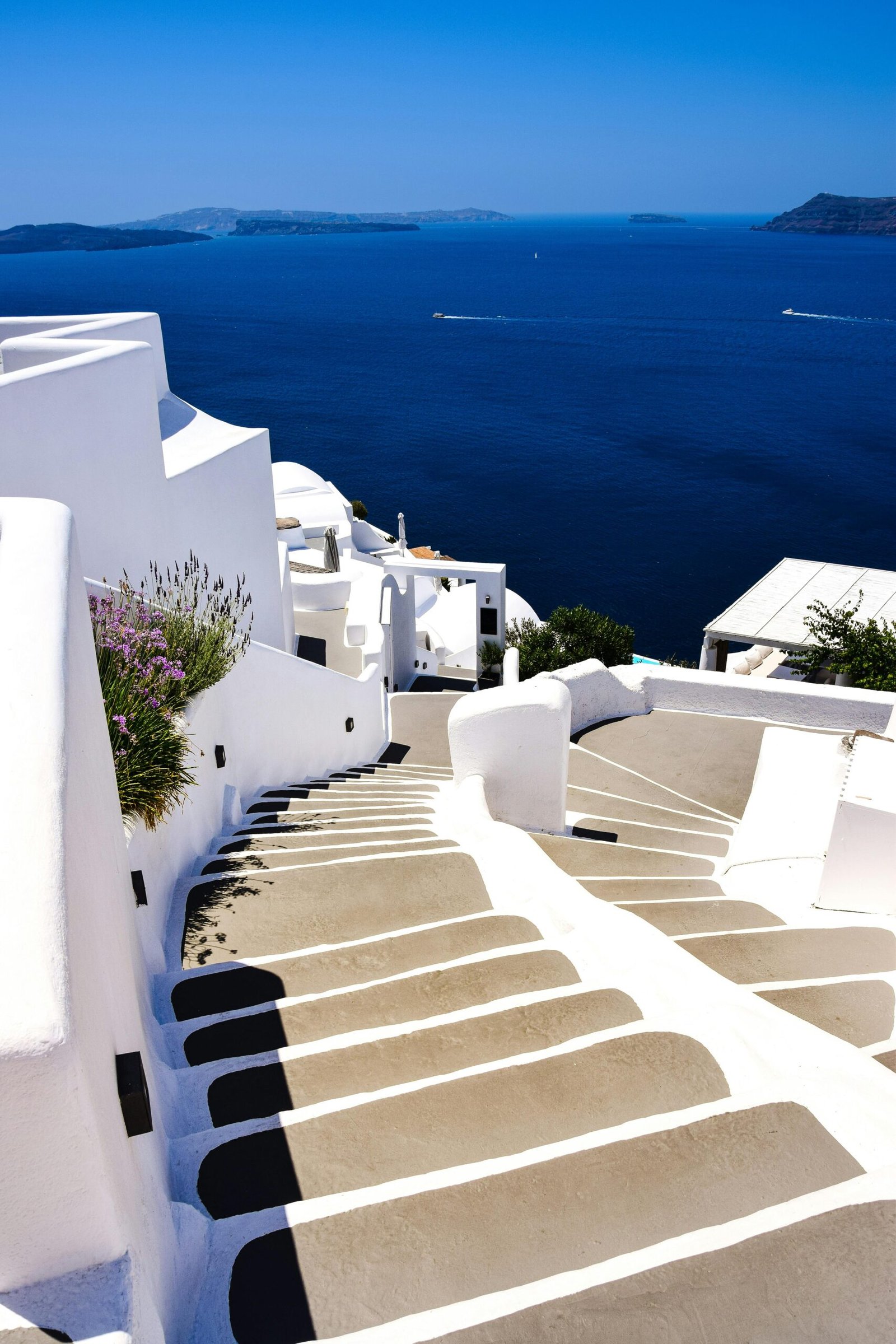
Why Most First-Timers to Santorini Leave Slightly Disappointed is usually not a problem with Santorini itself. It is a problem with the story travelers tell themselves before they arrive: that the island will feel intimate, effortless, and visually perfect at every moment.
In peak season, Santorini is a high-demand, high-friction destination with a reputation that outpaces the average visitor’s patience. The disappointment is rarely dramatic; it is a slow realization that the island you imagined and the island in front of you are not the same thing.
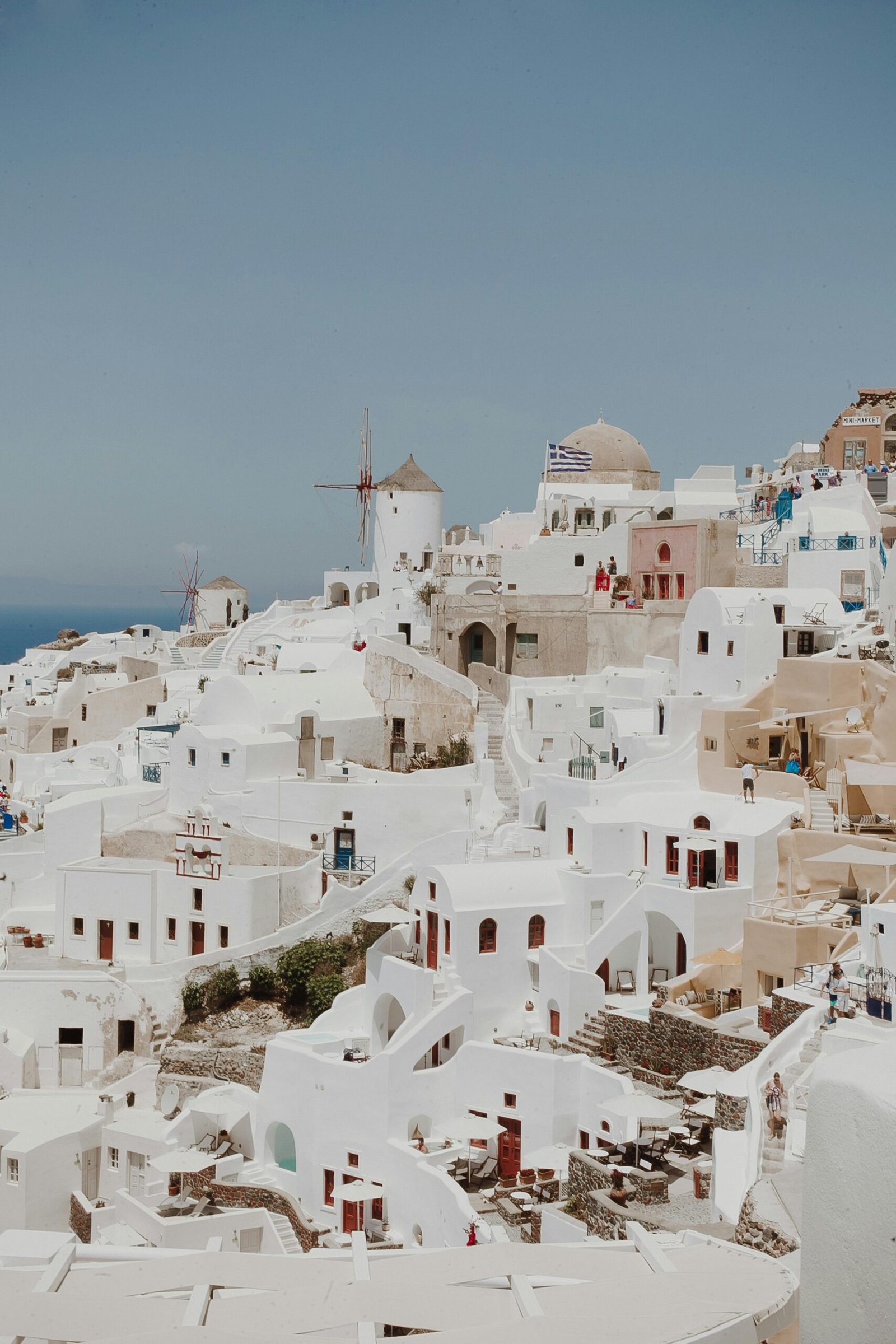
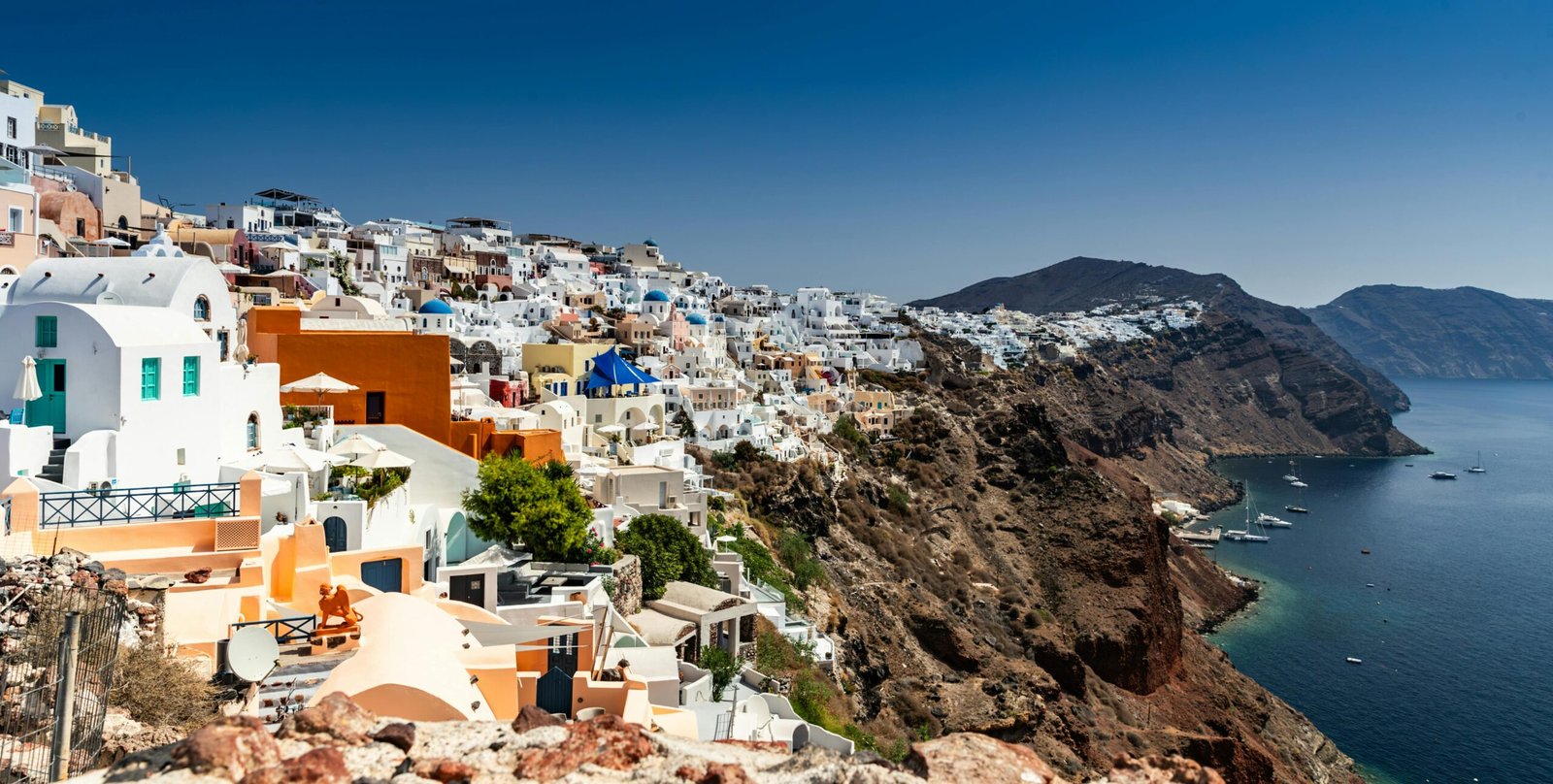
Why Most First-Timers to Santorini Leave Slightly Disappointed
There is a predictable psychological pattern behind Why Most First-Timers to Santorini Leave Slightly Disappointed: people do not book Santorini for an island experience, they book it for a feeling. They want the version they have already seen in photos, in proposal videos, in social posts, and in years of cultural shorthand that turned one Greek island into a shorthand for romance, luxury, and ease.
That is a dangerous setup, because expectations built from images are far more rigid than expectations built from travel reality. Once a place becomes a symbol, travelers stop seeing it as a destination with seasons, crowds, prices, and limits.
The image is not the product
Santorini’s image is clean, controlled, and selective. It shows the caldera at its best hour, from the right angle, with the right light and none of the operational mess that makes a place function in peak season.
What travelers actually buy is access to a very small, very popular island where everyone wants the same few views at the same time. That gap is the real engine behind Why Most First-Timers to Santorini Leave Slightly Disappointed.
The surprise for many first-timers is that the island is not “too much like Instagram.” The real issue is that Instagram trained them to expect a private emotional experience in a public, heavily visited place. That is a bad assumption, and it creates resentment fast.
Why people choose Santorini anyway
People choose Santorini because they are not only choosing a destination; they are choosing a milestone. Honeymoons, anniversaries, first big Greece trips, and once-in-a-lifetime vacations all push travelers toward places that feel socially legible and emotionally safe.
Santorini is easy to explain to other people. That matters more than most travelers admit. When a destination is famous enough, it reduces the anxiety of making the “wrong” choice, even if it increases the risk of disappointment once you are there.
There is also a status component that people do not like to name. Santorini signals that the trip was serious, special, and worth the money, which is exactly why so many travelers accept a crowded, expensive, and tightly managed experience they would reject elsewhere.
The moment disappointment usually hits
For most first-timers, the disappointment does not arrive the moment they land. It arrives when they realize that the island’s most famous areas are not a private reward for being there; they are a shared stage with a lot of competition for space, attention, and timing.
That moment can be as ordinary as waiting too long for dinner, struggling to find a view that feels unclaimed, or realizing that the “romantic” setting they pictured is being managed around constant visitor flow. The emotional shift is sharp because the traveler thought they were paying for atmosphere, but what they are actually negotiating is crowd density.
This is where Why Most First-Timers to Santorini Leave Slightly Disappointed becomes less about beauty and more about control. Travelers want the island to deliver a feeling on demand, and Santorini does not work that way in peak season.
The season is the real variable people underestimate
Peak season changes the entire psychological experience of Santorini. The island stops feeling like a place you are visiting and starts feeling like a place you are trying to fit into.
That shift matters because most first-timers arrive with a fantasy of calm and spaciousness, then encounter queues, noise, price inflation, and constant competition for the same viewpoints. Even travelers who are not especially sensitive to crowds often feel the difference immediately.
If you want a useful rule, here it is: Santorini in peak season is not a relaxed first-time Greece destination. It is a high-expectation, high-traffic destination that demands tolerance for friction. If you are already emotionally fixed on a flawless experience, that friction will register as failure.
The traveler types most prone to this pattern
Some travelers are simply more vulnerable to disappointment here. The ones most likely to leave slightly let down are the people who are chasing a single perfect memory, the travelers who value ease more than atmosphere, and the first-timers who assume a famous place must also be a comfortable one.
- Honeymooners expecting privacy and constant romance
- Luxury travelers who equate price with calm
- Photo-driven visitors who want every moment to match the image
- First-time Greece travelers who picked Santorini as the “safe” choice
- Travelers who dislike crowds but still want the famous view
These are not bad travelers. They are just bringing the wrong emotional contract to the island. Santorini is not generous to people who need their surroundings to behave exactly as advertised.
What travelers miss about the emotional reality
The emotional reality of Santorini is not disappointment alone. It is tension between anticipation and management. You spend a lot of the trip adjusting expectations, recalibrating plans, and deciding whether the experience is still “worth it” in the moment.
That is why the island can feel oddly tiring even when it is objectively impressive. The visitor is not just seeing Santorini; they are constantly measuring it against a fantasy version they have already invested in. That comparison drains the experience.
If you want a broader Greece framework before choosing where Santorini fits in your trip, start with the official national tourism resource at
Visit Greece. The mistake is not loving Santorini. The mistake is treating it like the default answer to every first-trip question.
How to approach Santorini differently
The better approach is to stop asking Santorini to be a perfect island and start asking what role you actually want it to play. If you want iconic views, a sense of occasion, and a trip that feels unmistakably Greek in the public imagination, Santorini can still make sense.
What you should not do is build the entire emotional value of your Greece trip around it. Greece rewards travelers who arrive with a plan, but that plan should be based on what the destination actually does well, not what the internet keeps implying it should do.
That means being honest about your tolerance for crowds, your need for privacy, and whether you are the kind of traveler who gets annoyed when a famous place behaves like a famous place. If that sounds like you, the problem is not Santorini. The problem is choosing it for the wrong reason.
For travelers who want context beyond the postcard version of Greece, the Greek Ministry of Culture is a useful reminder that the country is not built around one island or one image. Santorini is one chapter, not the whole book.
Conclusion
Why Most First-Timers to Santorini Leave Slightly Disappointed is really a story about emotional mismatch. People arrive expecting an effortless reward for choosing the famous island, then discover that fame comes with crowding, cost, and a lot of shared space.
The travelers who enjoy Santorini most are usually the ones who understand it as a high-demand destination with a specific purpose, not as a universal Greece answer. Approach it that way, and the island becomes easier to appreciate for what it is instead of resenting it for what it never promised to be.
Greece doesn’t punish inexperience. It punishes unexamined assumptions. The travelers who leave disappointed rarely lacked information — they lacked a framework for using it.
Frequently asked questions
Why do first-timers expect Santorini to feel more private than it is?
Because the island’s image is built from selective visuals. Most first-timers picture the caldera as a personal backdrop, not a heavily visited place where many travelers are trying to have the same experience at the same time.
Is Santorini actually disappointing, or are expectations just too high?
For many first-timers, expectations are too high and too narrow. Santorini can be excellent at what it does, but it disappoints people who expect calm, space, and privacy as the default.
What is the biggest mistake people make when choosing Santorini?
They choose it for the image rather than the function. That usually means they want a milestone feeling, but they do not account for peak-season crowding, pricing, and limited flexibility.
Which travelers are most likely to leave Santorini underwhelmed?
Travelers who dislike crowds, travelers who want quiet luxury, and people who need every part of the trip to match a polished mental picture are the most likely to feel let down.
What part of the trip usually triggers the disappointment?
The shift happens when travelers realize they are sharing the island’s most famous spaces with everyone else. That is when the fantasy of a private, effortless experience breaks down.
How should a first-timer think about Santorini more realistically?
Treat it as a specific destination with a strong visual identity, not as the default best Greece island. If you want to enjoy it, judge it by what it does well rather than by the fantasy version you brought with you.