

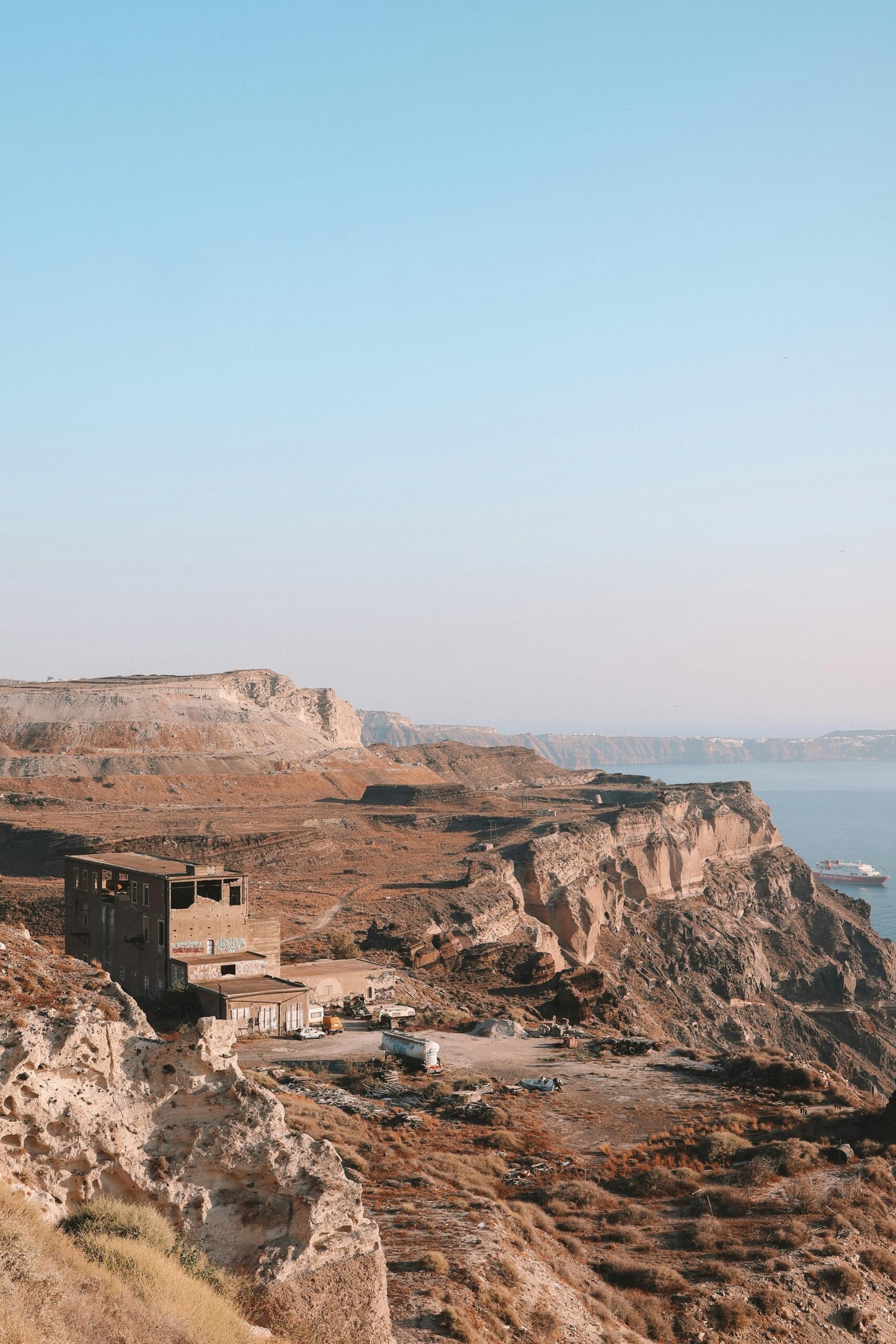
Why Most First-Timers to Santorini Leave Slightly Disappointed is usually not a problem of the island itself. It is a problem of expectation: people arrive looking for a clean, cinematic version of Greece and meet a place that is heavily managed, heavily visited, and emotionally overbuilt in their imagination.
The disappointment is often subtle, not dramatic. Travelers do not hate Santorini; they just realize, too late, that they were chasing an image more than a place, and peak season makes that gap impossible to ignore.
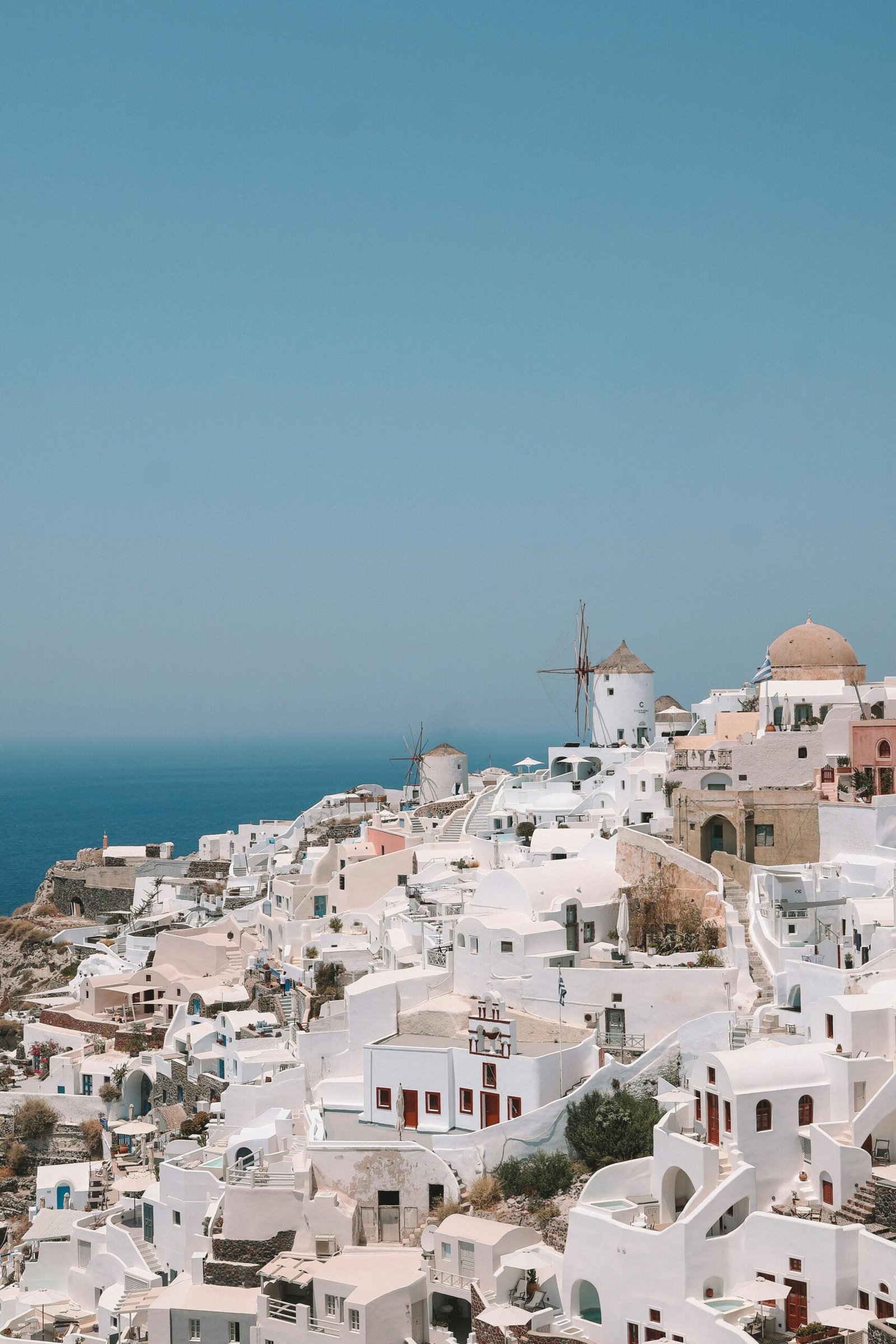
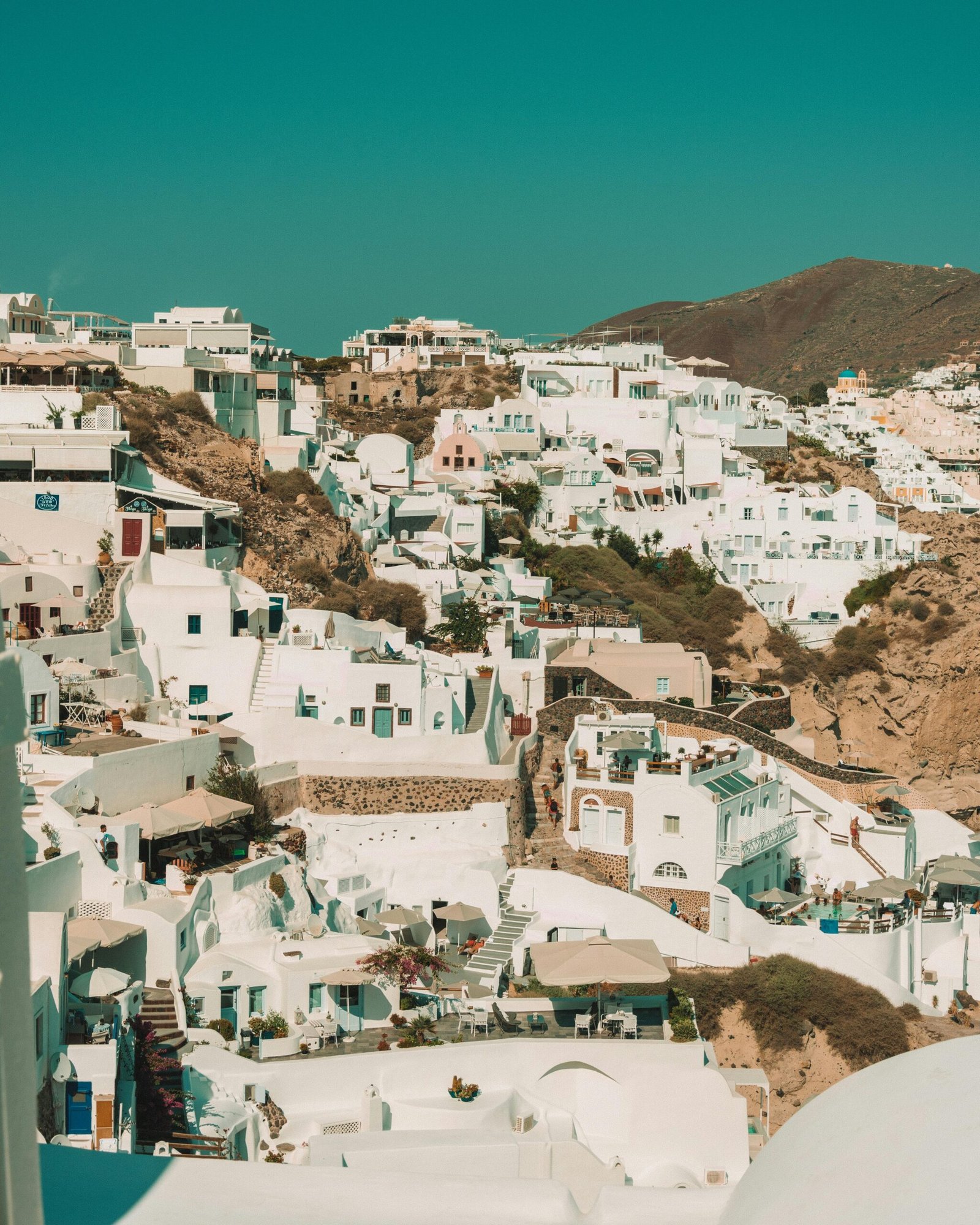
Why Most First-Timers to Santorini Leave Slightly Disappointed
The real mistake is not choosing Santorini. It is expecting it to behave like a private fantasy.
Why Most First-Timers to Santorini Leave Slightly Disappointed starts with a basic psychological error: people confuse familiarity with understanding. They have seen the view, the blue domes, the cliffside pools, the sunset crowd, and they think they already know the island. In reality, they know a narrow visual script, not the lived experience of being there in peak season.
This matters because Santorini is one of the few Greek destinations where the image is so dominant that it crowds out the place itself. Travelers arrive expecting emotional payoff on arrival, and when the island feels busy, expensive, and tightly packaged, they read that as failure. It is not failure; it is the collision between fantasy and an extremely marketable destination.
Why travelers keep making the same choice
People choose Santorini because it feels safe. It is the island everyone recognizes, the one that signals they have “done Greece” without needing to explain themselves to anyone. For many first-timers, that social reassurance matters more than they admit, even to themselves.
There is also a control issue. First-time visitors often want their Greece trip to be efficient, visually successful, and easy to justify after the fact. Santorini seems to promise all three, which is exactly why it gets overselected by travelers who are nervous about making the wrong call elsewhere.
That is why Why Most First-Timers to Santorini Leave Slightly Disappointed is such a reliable pattern. The choice is not irrational. It is emotionally defensive.
The emotional gap: what they expect versus what they actually feel
Before the trip, Santorini is often imagined as a place where every moment feels composed and intentional. People expect calm, beauty, and a sense of arrival. They expect to feel as if they have made a smart, elevated decision.
What they actually feel in peak season is closer to pressure. Prices are high, popular viewpoints are crowded, and the island can feel like it is performing for visitors rather than hosting them. For travelers who wanted ease, the constant awareness of being in a high-demand place can be draining.
The surprising part is that many people do not leave disappointed because Santorini is unattractive. They leave disappointed because it is too legible. Once you realize the island is built around repeatable visual consumption, some of the emotional charge disappears.
The moment the disappointment usually hits
For most first-timers, the letdown arrives when the expected emotional high does not show up on schedule. It is often the first sunset crowd, the first overpriced meal with average execution, or the first moment they realize they are sharing the same experience with hundreds of other people. That is the point where the fantasy stops protecting the trip.
In peak season, this hits hardest because there is no room for illusion. You can see the volume of visitors, feel the pace, and sense how much of the island is organized around turnover. If you were expecting intimacy, spontaneity, or quiet luxury as the default, the mismatch becomes obvious fast.
This is the planning consequence most people miss: once disappointment starts, everything gets judged through that lens. The room feels smaller, the dinner feels more expensive, and the famous view feels less special than it should have. That is how a good trip becomes a slightly sour one without any single disaster.
Who is most prone to this pattern
First-timers who are most vulnerable to disappointment usually fall into a few groups. They are often honeymooners chasing a visual standard, couples making a once-in-a-lifetime selection, or travelers who have limited Greece experience and want the most recognizable option. They are also the people who feel pressure to get it “right” because they may not come back soon.
- Travelers who want a dramatic visual payoff more than a textured destination
- People booking their first Greece trip around reputation rather than fit
- Couples assuming romance will come from the setting alone
- Visitors who dislike crowds but still choose the most famous place
The common thread is not taste. It is anxiety. These travelers are trying to reduce uncertainty, and Santorini looks like the safest bet until they meet the reality of peak-season demand.
Why peak season makes the gap worse
Peak season amplifies every weak assumption. If you already believe the island will feel exclusive, the number of visitors around you becomes a problem. If you already expect value, the pricing structure becomes irritating. If you already want quiet, the operational intensity of the island will feel like a betrayal.
This is where a lot of first-timers miss the real trade-off. Santorini is not simply “busy”; it is a destination where the most famous parts are also the most exposed to crowd pressure. That means the emotional experience is shaped less by the island itself than by how much friction you are willing to tolerate to access the image you came for.
For context, official Greek tourism information is useful, but it will not tell you what the island feels like at full volume. For that, you need to read the destination more carefully than the brochure version. A good starting point is
Visit Greece, then compare that picture against what you actually value in a trip.
What a better approach looks like
The answer is not to avoid Santorini automatically. The answer is to stop treating it like a universal first choice. If your priority is atmosphere, ease, and a sense of discovery, there are stronger Greek options for a first visit.
A better approach is to ask a harder question: are you choosing Santorini because it fits your trip, or because it fits your anxiety about choosing wrong? That question changes everything. Once you answer it honestly, the island becomes a deliberate decision instead of a symbolic one.
Greece rewards travelers who arrive with a plan, but more importantly, it rewards travelers who know what they are actually looking for. If you want the cultural context behind the places you visit, that same habit of looking beyond the surface matters everywhere, not just in Santorini. For deeper background on Greece’s heritage framework, the Ministry of Culture is a useful reference point.
Reframe: choose the version of Santorini you can actually enjoy
If you are going to Santorini, go for the specific experience it can realistically provide: strong views, a polished setting, and a destination that is built for high demand. Do not go expecting privacy, authenticity in the vague travel-blog sense, or a quiet emotional reset. That is how Why Most First-Timers to Santorini Leave Slightly Disappointed gets repeated year after year.
The smarter mindset is simple. Pick Santorini because you want Santorini, not because you want a generic Greek island with a famous backdrop. Once you make that distinction, the island stops being a test of your expectations and becomes a clear, usable choice.
Greece doesn’t punish inexperience. It punishes unexamined assumptions. The travelers who leave disappointed rarely lacked information — they lacked a framework for using it.
Frequently asked questions
Why do so many first-timers feel underwhelmed by Santorini?
Because they arrive expecting a private, effortless version of the island and meet a high-demand destination shaped by crowds, pricing, and heavy tourism pressure. The gap between image and reality is the issue, not the island’s basic appeal.
Is Santorini a bad choice for a first trip to Greece?
Not automatically. It is a poor choice if your main goal is ease, value, or a more varied introduction to Greece. It works better for travelers who know exactly what they are paying for and are fine with the trade-offs.
What is the biggest expectation mistake people make about Santorini?
They assume the famous view equals the full experience. In reality, the view is only one part of a destination that can feel crowded, expensive, and highly managed in peak season.
Who is most likely to be disappointed in Santorini?
Honeymooners, first-time Greece visitors, and travelers who want romance or quiet by default are the most vulnerable. Anyone choosing Santorini mainly because it is famous is also at higher risk of disappointment.
Does visiting Santorini in shoulder season change the experience?
Yes, significantly. The island still has the same basic structure, but the pressure from crowds is lower and the experience feels less compressed. That alone can change how much people enjoy it.
How should I think about Santorini if I still want to go?
Think of it as a specific, high-demand destination with a clear visual payoff, not as a universal symbol of Greek island travel. If you choose it with that frame, you are much less likely to feel let down.