

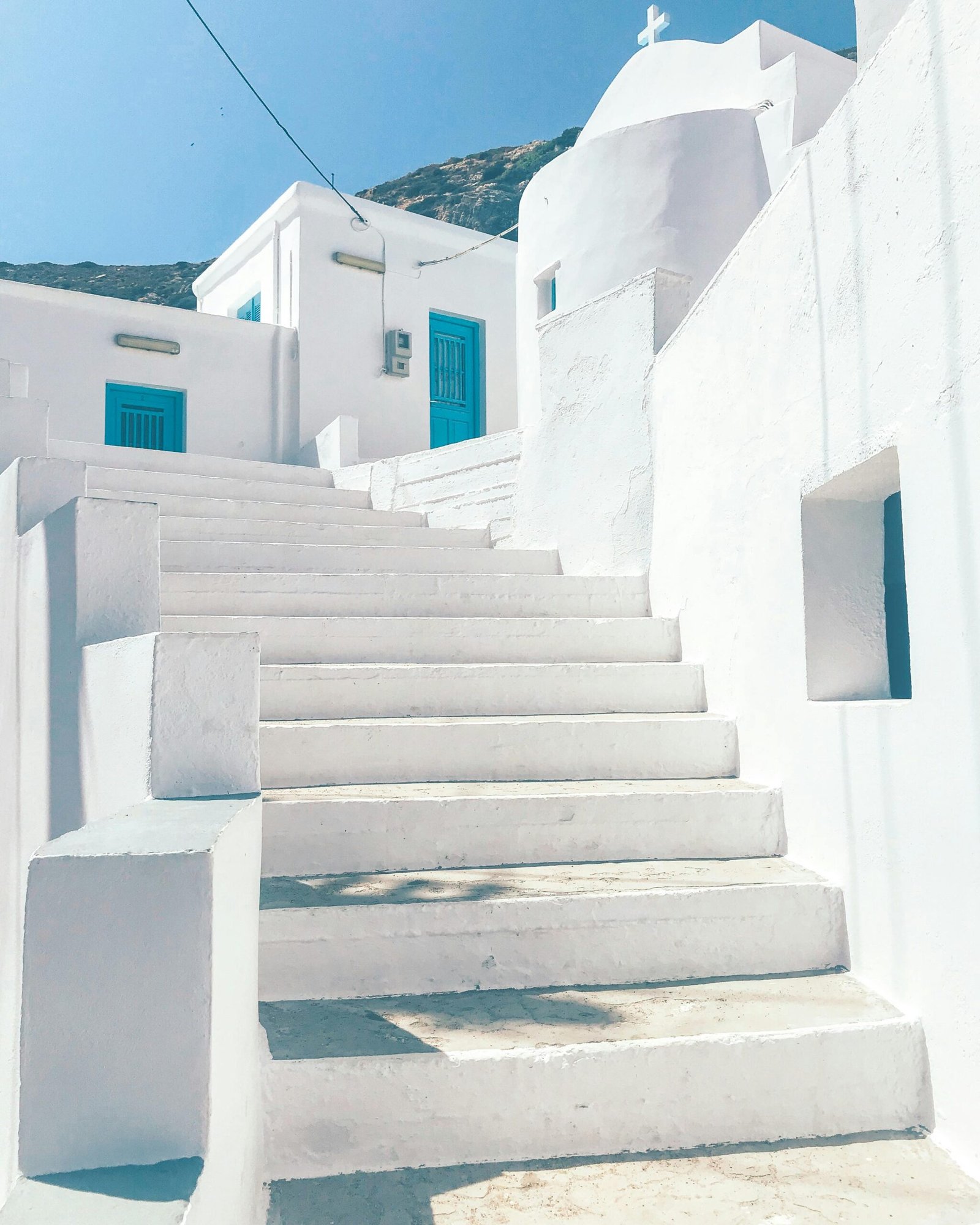
Why Most First-Timers to Santorini Leave Slightly Disappointed usually comes down to one thing: people arrive with an image, not an expectation. They picture a clean, effortless version of the island and then meet crowds, heat, queues, and a lot more friction than they planned for.
The disappointment is rarely about Santorini being bad. It is usually about the gap between what travelers think they are buying and what peak-season Santorini actually delivers. That gap is where the frustration starts.
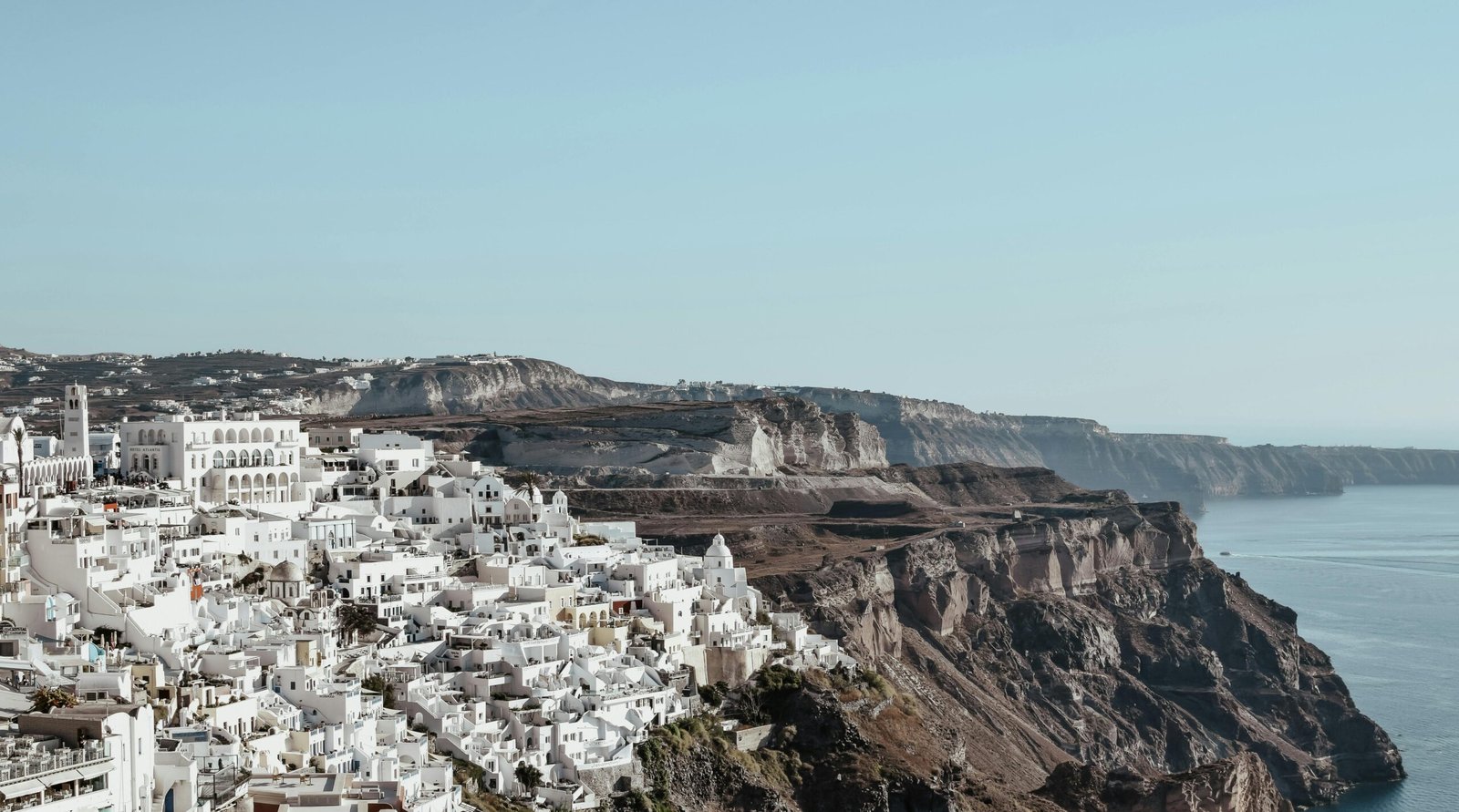
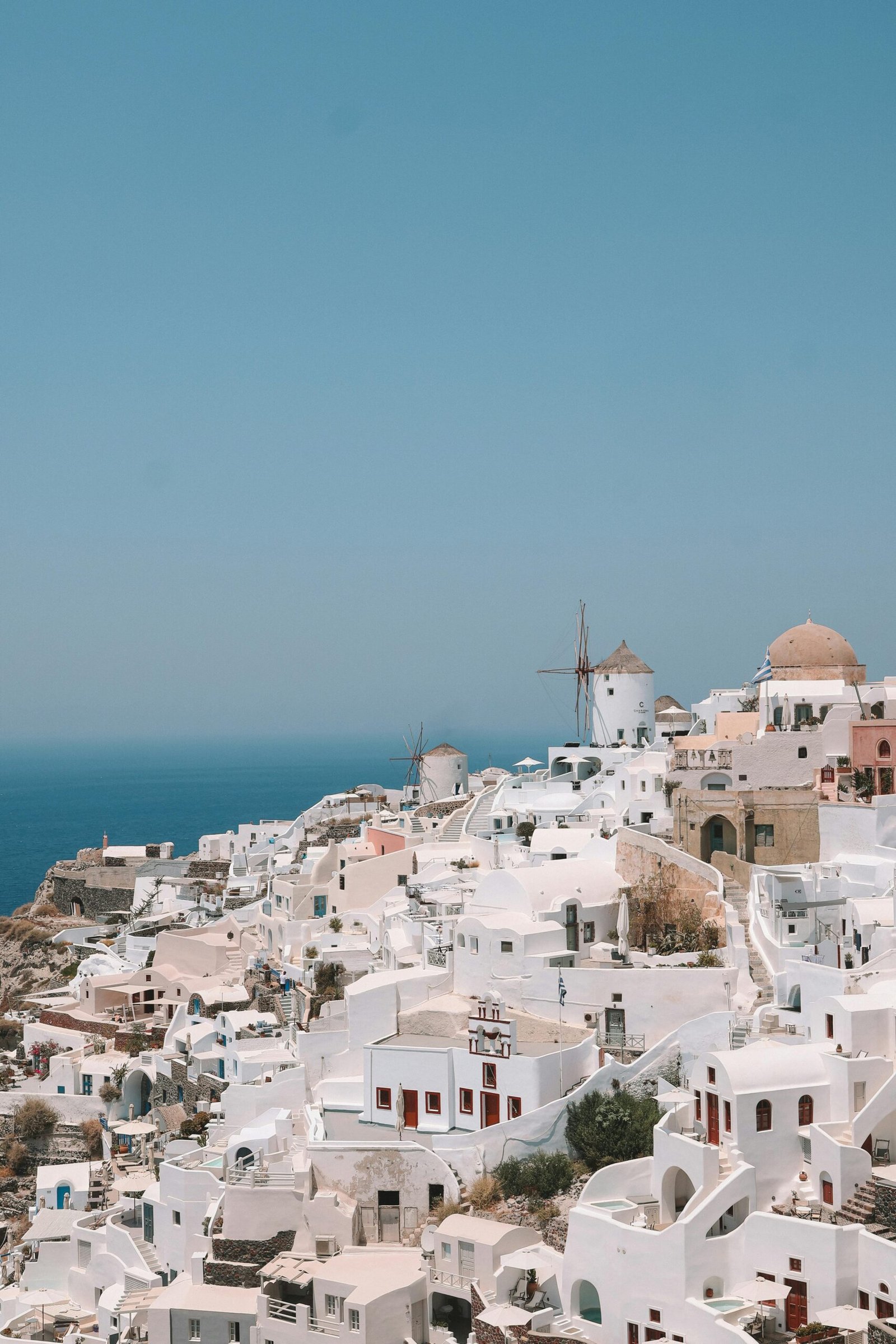
Why Most First-Timers to Santorini Leave Slightly Disappointed
Santorini is one of the few places where the marketing is so strong that it becomes part of the problem. People do not just want to visit it; they want to verify an image they have already absorbed from years of photos, proposals, and social media clips. That creates a very specific emotional setup, and it is the main reason Why Most First-Timers to Santorini Leave Slightly Disappointed.
The island is not failing to be beautiful. The issue is that first-timers often expect emotional ease, visual privacy, and a sense of control that peak season does not provide. Santorini in July or August is not a private fantasy setting; it is a heavily visited, high-demand destination with real constraints.
The assumption underneath Why Most First-Timers to Santorini Leave Slightly Disappointed
The core assumption is simple: if a place looks polished in photos, it will feel polished in person. Travelers often assume Santorini will be calm, spacious, and naturally romantic because that is how it is sold. In reality, the island is highly concentrated, heavily booked, and shaped by constant visitor pressure.
That assumption matters because it changes how people plan. They choose Santorini expecting the destination itself to carry the experience, so they underinvest in timing, pacing, and realism. Then they arrive and discover that a famous view does not cancel out heat, crowds, or waiting around.
There is also a deeper psychological piece here: many first-timers want Santorini to validate the trip as a “special occasion” choice. When the island feels busy or commercial, they take that personally. The problem is not that the island lacks value; it is that travelers confuse a premium destination with a frictionless one.
What travelers imagine versus what they actually get
Most first-timers imagine a slow, intimate island with dramatic scenery and easy movement between viewpoints, dinners, and quiet corners. They expect the famous caldera setting to create a feeling of exclusivity all day long. That is not what peak season usually offers.
What they actually get is a place with high demand stacked onto limited space. Popular areas can feel congested, the best-known viewpoints are rarely private, and the overall mood can shift from relaxed to transactional fast. If you came for calm, the island can feel more performative than restorative.
The emotional letdown often begins when the traveler realizes they are participating in the same crowd they thought they were escaping. That moment is uncomfortable because it punctures the fantasy of being above the tourist flow. This is exactly where Why Most First-Timers to Santorini Leave Slightly Disappointed becomes more than a phrase; it becomes a lived reaction.
The moment disappointment usually hits
For many visitors, the first real disappointment comes not at arrival, but at the first attempt to enjoy the famous views without interruption. The scene is still impressive, but the experience is less private, less serene, and more managed than expected. Suddenly the trip feels like a series of shared moments rather than a continuous escape.
Another common breaking point is dinner. Travelers imagine a long, elegant evening with a view and a sense of occasion, then discover that the setting is crowded, expensive, and tightly scheduled. The bill is not the issue by itself; it is the feeling that they paid premium prices for an atmosphere they had already been promised, not one they discovered.
That is the practical consequence of the wrong assumption. When a traveler expects Santorini to deliver emotional payoff automatically, every small inconvenience feels larger than it should. A little crowding becomes a sign that the whole trip was overhyped.
Why peak season makes the psychology worse
Peak season does not just add people. It changes the emotional texture of the island. The more crowded Santorini gets, the more first-timers feel they have to compete for the experience they pictured, and competition is not a relaxing feeling.
This is where a lot of disappointment becomes self-inflicted. Travelers arrive with a polished mental image, then spend the trip comparing reality to that image instead of judging the island on its own terms. That comparison is exhausting, and it is one reason Why Most First-Timers to Santorini Leave Slightly Disappointed keeps repeating itself year after year.
A surprising truth: some travelers are less disappointed by less famous Greek islands because they expect less from them. Santorini gets punished by its own reputation. The more famous the place, the less room it has to simply be itself.
Who is most prone to this pattern
Couples on a milestone trip are especially vulnerable. They often want Santorini to carry the emotional weight of the occasion, which is a lot to ask from any destination. When the trip feels crowded or overly managed, they read that as a failure of the romance itself.
First-time Greece visitors are another high-risk group. They often pick Santorini because it is the name they already know, not because it fits their travel style. That is a mistake when the real issue is not whether the island is good, but whether they actually want a high-density, high-expectation destination.
- Travelers chasing a once-in-a-lifetime photo set
- Couples expecting privacy to come automatically
- Visitors who dislike crowds but choose famous places anyway
- People who want a soft, easy trip with no friction
These travelers are not wrong to want comfort or beauty. They are wrong to assume Santorini will provide both in the same way the photos suggest. That mismatch is what turns excitement into irritation.
What strong expectations cost you in planning
When travelers overbuild Santorini in their minds, they often underbuild the rest of the trip. They put too much emotional weight on one island and not enough on the sequence around it. That leads to a common planning failure: Santorini becomes the whole trip instead of one part of a balanced Greece itinerary.
This is where a clear position matters: Santorini should not be your only emotional anchor in Greece if you are sensitive to crowds or disappointment. If you make it the centerpiece, every inconvenience gets magnified. If you place it in a broader trip, it has a better chance of being appreciated for what it is rather than judged for what it is not.
For travelers trying to understand the bigger Greece picture, official context matters more than social media does. Start with a broader view of the country through
Visit Greece, then decide whether Santorini is actually the right fit for your style. That simple shift can save a lot of regret.
How to approach Santorini differently
The better approach is not to lower your standards. It is to stop expecting Santorini to deliver a private emotional script. Go in understanding that the island is famous, busy, and heavily interpreted by other people before you ever arrive.
That mindset changes the planning consequence immediately. You stop choosing it because it is the obvious choice and start choosing it because you genuinely want what it is: a high-profile, high-demand island with strong visual appeal and real trade-offs. That is a much more stable way to travel.
If you want to anchor your expectations in actual cultural context rather than internet mythology, look at Greece through institutions that put the country in a wider frame, such as the Hellenic Ministry of Culture. Santorini makes more sense when it is treated as one part of Greece, not the definition of Greece.
Conclusion
Why Most First-Timers to Santorini Leave Slightly Disappointed is not a warning to avoid the island. It is a reminder to stop expecting a famous place to behave like a private fantasy. Santorini is at its best when you accept its scale, its crowds, and its limits before you book, not after you arrive.
Recognizing the pattern is the first step. The second is building a trip around how you actually travel — not the traveler you imagine yourself to be. Most great Greece experiences start with that honesty.
Frequently asked questions
Why do first-time visitors feel underwhelmed by Santorini?
Because many arrive expecting privacy, calm, and effortless romance, while peak-season Santorini is crowded, expensive, and highly managed. The island is still impressive, but the emotional experience is less smooth than the image suggests.
Is Santorini only disappointing in peak season?
Peak season makes the mismatch much worse. Crowds, heat, and pressure on the most famous spots intensify the feeling that you are sharing the island rather than experiencing it privately.
Who is most likely to be disappointed by Santorini?
Couples expecting a very intimate trip, first-time Greece visitors choosing the island because of its fame, and travelers who dislike crowds but still want a famous destination.
What is the biggest mistake first-timers make with Santorini?
They treat Santorini as if its reputation guarantees the mood they want. In reality, the island’s fame is exactly what creates many of the friction points people do not plan for.
How should I think about Santorini if I still want to visit?
Treat it as a high-demand destination with real trade-offs, not as a guaranteed emotional highlight. If you want to enjoy it more, build your expectations around the actual pace and pressure of the island.
Can Santorini still be worth it for first-timers?
Yes, if you want a famous, visually strong destination and you accept that it comes with crowds and costs. It is worth it for the right traveler, not for everyone.