

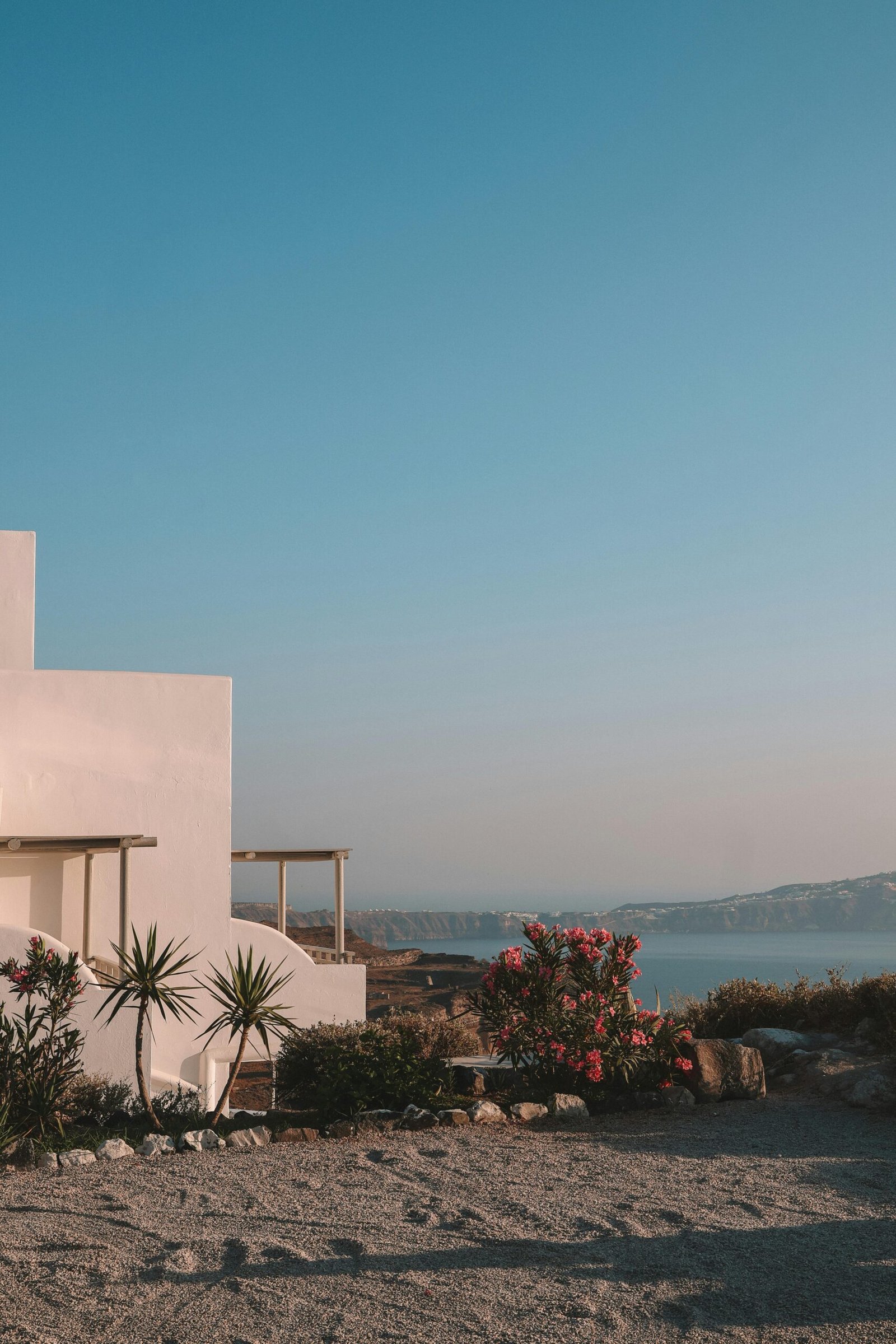
Why Most First-Timers to Santorini Leave Slightly Disappointed usually comes down to one thing: people arrive chasing an image, not a place. They have already decided what Santorini should feel like, and peak season makes that gap impossible to ignore.
The disappointment is rarely about one bad meal or one crowded viewpoint. It is the cumulative effect of expecting privacy, ease, and romance in a destination that is heavily visited, highly compressed, and often misunderstood before the trip even begins.
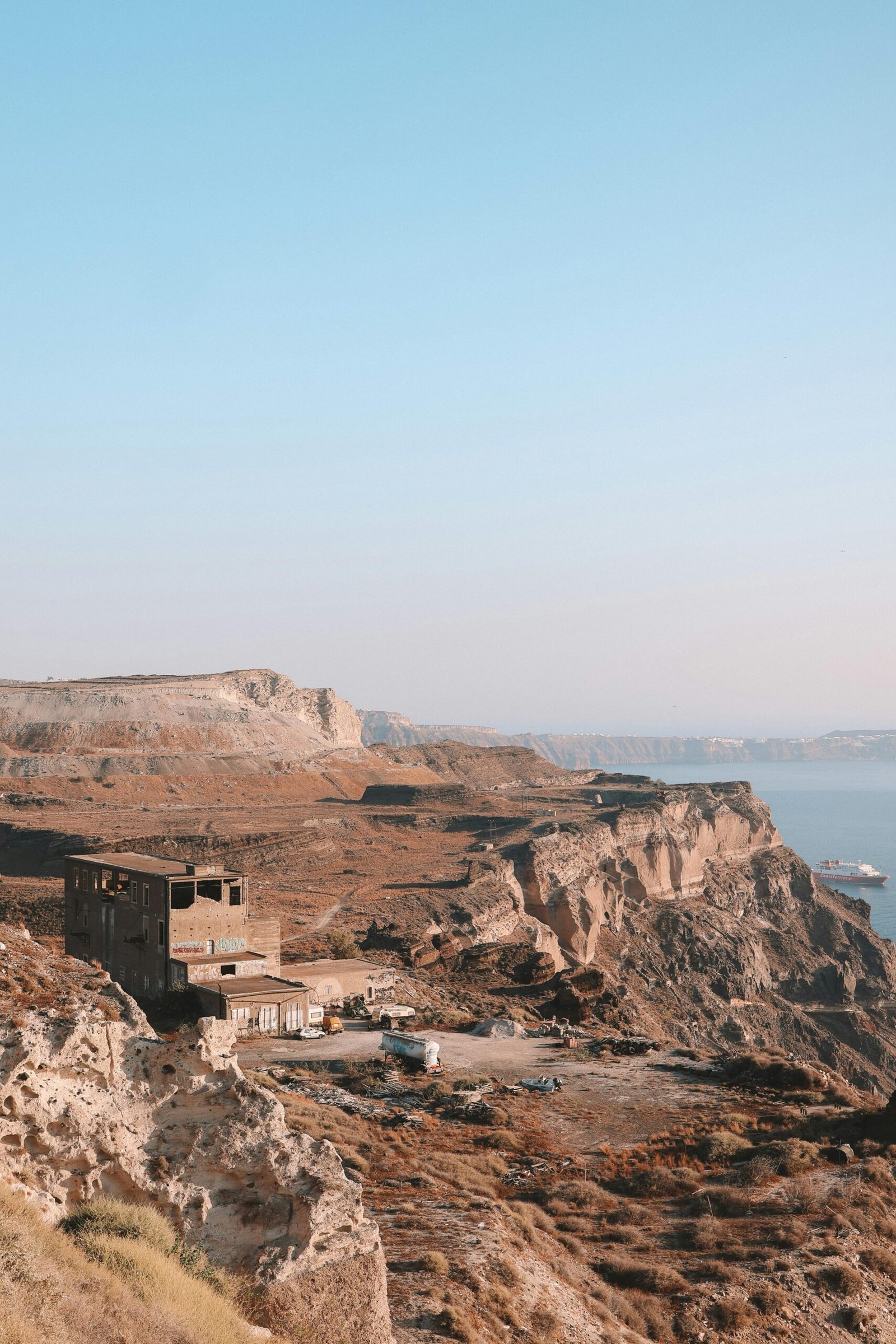
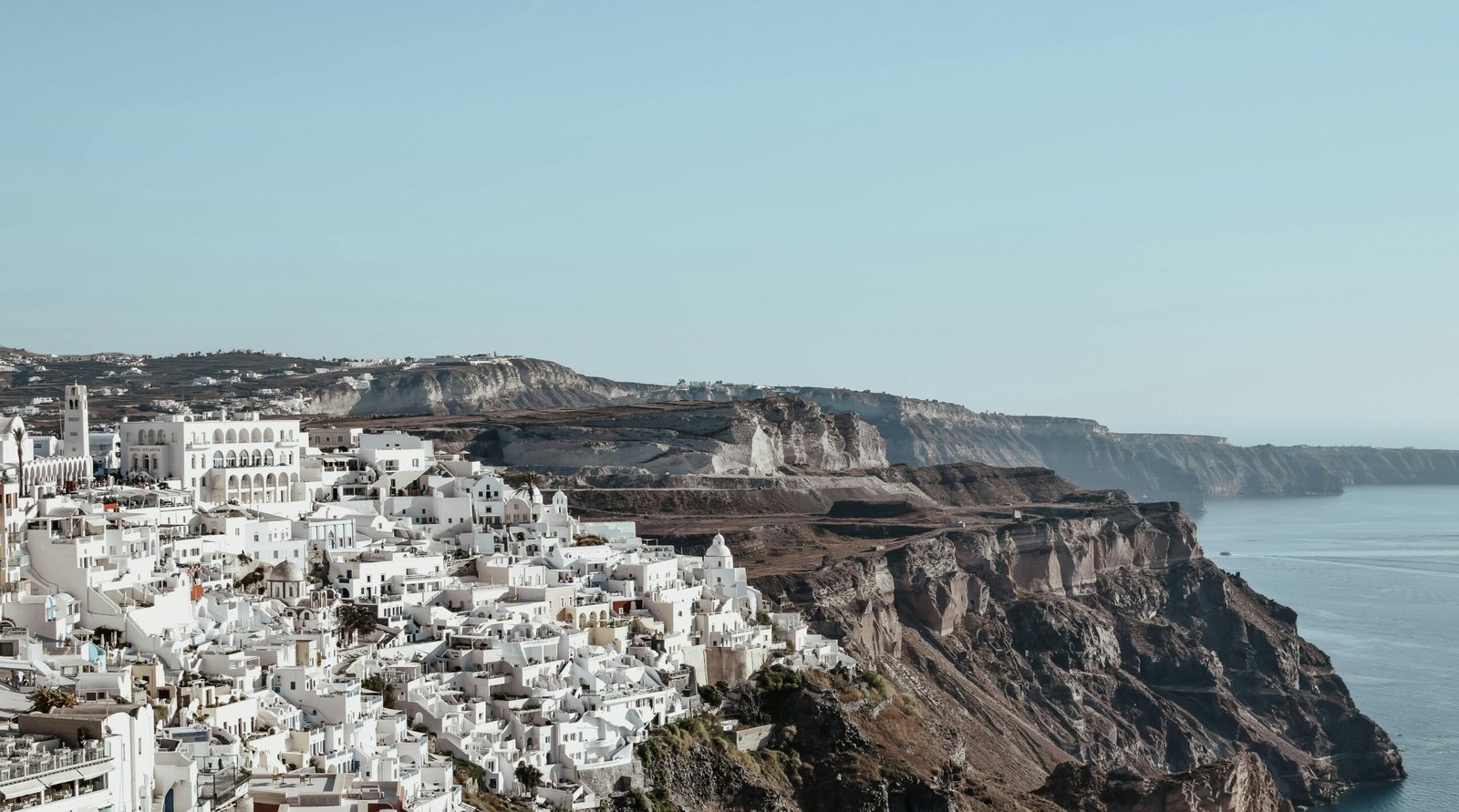
Why Most First-Timers to Santorini Leave Slightly Disappointed
There is a predictable psychological script behind Why Most First-Timers to Santorini Leave Slightly Disappointed. People do not choose Santorini by accident; they choose it because they have seen the same visual language for years and want to stand inside it. That is not a bad instinct, but it creates a dangerous assumption: that a place built for looking at will feel the same as a place built for living in.
In peak season, Santorini is not subtle about its limits. The island is small, the pressure is high, and the experience gets filtered through crowds, heat, and constant movement. Travelers who expected a smooth, intimate escape often discover they are sharing every viewpoint, every dinner, and every sunset with thousands of other people making the same emotional purchase.
The image is the product, not the full experience
Santorini is one of the clearest examples in Greece of a destination being sold as a visual promise. Many first-timers are not really booking a trip to an island; they are booking a feeling they have already assembled from photos, proposals, and social media clips. That is why Why Most First-Timers to Santorini Leave Slightly Disappointed is such a common outcome: the island is judged against a fantasy it never agreed to provide.
The problem is not that Santorini is overrated. The problem is that people confuse a famous view with a complete travel experience. Once that confusion sets in, every practical inconvenience feels like a betrayal rather than what it is: the normal cost of visiting one of Greece’s most heavily desired places.
Why travelers make this choice in the first place
Most first-timers are not being naive. They are making an emotional choice that feels efficient: if a place is iconic, it must be the safest first bet. Santorini also carries social proof in a way few destinations do; people want to say they went, and they want the trip to confirm that they chose well.
That is why the decision is often less about Greece and more about self-validation. The traveler wants the memory, the image, and the sense of having done the “right” Greek island. When a destination is carrying that much symbolic weight, ordinary friction becomes emotionally expensive.
For context, Greece’s official tourism resources at
Visit Greece are useful for broad planning, but they will not tell you what the island feels like when every popular hour is overloaded. That gap matters more than most first-timers admit.
The emotional gap: what people expect versus what they actually feel
Before the trip, many travelers imagine calm, privacy, and a kind of effortless romance. They picture long pauses, quiet meals, and the sense that Santorini will slow them down. In peak season, the reality is often sharper: queues, noise, expensive mistakes, and the feeling that every good moment has to be negotiated.
This is where Why Most First-Timers to Santorini Leave Slightly Disappointed becomes visible in real time. The island still looks like the version people wanted, but the emotional texture is different. They are present, yet not relaxed. They are getting the photo, but not the feeling they thought the photo represented.
That mismatch creates a strange kind of disappointment because nothing is objectively wrong. The island is functioning as designed. The traveler is simply discovering that a famous destination can be visually satisfying and emotionally thin at the same time.
The moment disappointment usually hits
The break point is rarely dramatic. It usually arrives when the traveler realizes the island’s most famous experience is also its most crowded one. The sunset that was supposed to feel personal starts to feel managed, performative, and heavily shared.
That is the moment the emotional contract changes. Up to then, the traveler can still believe they are in control of the experience. Once the crowd density becomes impossible to ignore, they understand that Santorini in peak season is not private by default. It is a place where you have to work for calm, and most first-timers did not expect to have to work for it.
Another common trigger is the first night of dining. Not because the food is poor, but because the bill and the setting do not match the fantasy of relaxed luxury that people carried in with them. Santorini is not cheap, and pretending otherwise only sets people up for resentment.
Who is most likely to feel let down
Some travelers are simply more vulnerable to this pattern than others.
- Couples on a once-in-a-lifetime trip who want the island to carry emotional weight for them.
- First-time Greece visitors who want one destination to represent the entire country.
- Travelers who equate luxury with privacy and are not prepared for shared public space.
- People who plan around social media images rather than lived conditions.
These travelers are not wrong to want beauty or ease. They are wrong to assume those things will arrive automatically because the destination is expensive or famous. In Greece, fame often means pressure, not comfort.
The peak-season problem nobody wants to say out loud
Here is the clear position: Santorini in peak season is a poor choice for travelers who want quiet, room to breathe, and a sense of discovery. That is not a moral judgment. It is a practical one.
The island can still be worth visiting, but only if you accept that it is operating under heavy demand. If you arrive expecting a serene version of the photos, you will likely leave feeling that the island was beautiful but not especially satisfying. That is exactly the pattern behind Why Most First-Timers to Santorini Leave Slightly Disappointed.
This is also why Greece rewards travelers who arrive with a plan only once in this article: not a rigid schedule, but a realistic frame for what a place is and is not. Santorini is strongest when you understand its role in the trip instead of asking it to do everything.
For broader cultural context and to avoid treating Greece as a backdrop only, the Hellenic Ministry of Culture is a better reminder that the country is not just scenery. The more you understand that, the less likely you are to measure Santorini against a fantasy.
How to approach Santorini differently
The better question is not whether Santorini is worth it. The better question is what role you want it to play in your Greece trip. If you treat it as one part of a broader itinerary, the pressure drops immediately.
That shift changes the emotional outcome. You stop expecting the island to deliver constant intimacy and start seeing it for what it is: a highly managed, heavily desired place with real beauty and real friction. That is a more honest frame, and honesty is what prevents disappointment.
Travelers who do best in Santorini are not the ones who chase the most iconic version of the island. They are the ones who understand that the island’s appeal is real, but limited. Once you accept that, the trip becomes less about proving you were there and more about actually being there.
Conclusion
Why Most First-Timers to Santorini Leave Slightly Disappointed is not a warning to avoid the island. It is a warning to stop asking one destination to satisfy a fantasy, a status signal, and a romantic ideal all at once. Santorini is easier to appreciate when you stop treating it as a test of whether Greece lived up to the brochure.
Greece doesn’t punish inexperience. It punishes unexamined assumptions. The travelers who leave disappointed rarely lacked information — they lacked a framework for using it.
Frequently asked questions
Why do first-time visitors to Santorini often feel disappointed?
Because they arrive expecting the island to match a polished image of privacy, calm, and romance. In peak season, the reality is more crowded, more expensive, and more managed than most first-timers expect.
Is Santorini still worth visiting for a first trip to Greece?
Yes, but not if you expect it to represent all of Greece. It works better as one part of a broader trip than as the single defining experience.
What is the biggest mistake first-timers make in Santorini?
They confuse a famous visual identity with a complete travel experience. That usually leads to disappointment when the island feels crowded or less intimate than expected.
Who is most likely to be let down by Santorini?
Couples on special-occasion trips, travelers chasing social media images, and first-time Greece visitors who want one island to do everything are the most vulnerable to disappointment.
Does peak season change the experience that much?
Yes. Peak season amplifies crowding, noise, and cost, which makes the gap between expectation and reality much wider.
How should I think about Santorini if I want to avoid disappointment?
Treat it as a highly desired, highly visited island with real beauty and real limits. Do not expect privacy or ease to come automatically just because the destination is famous.