

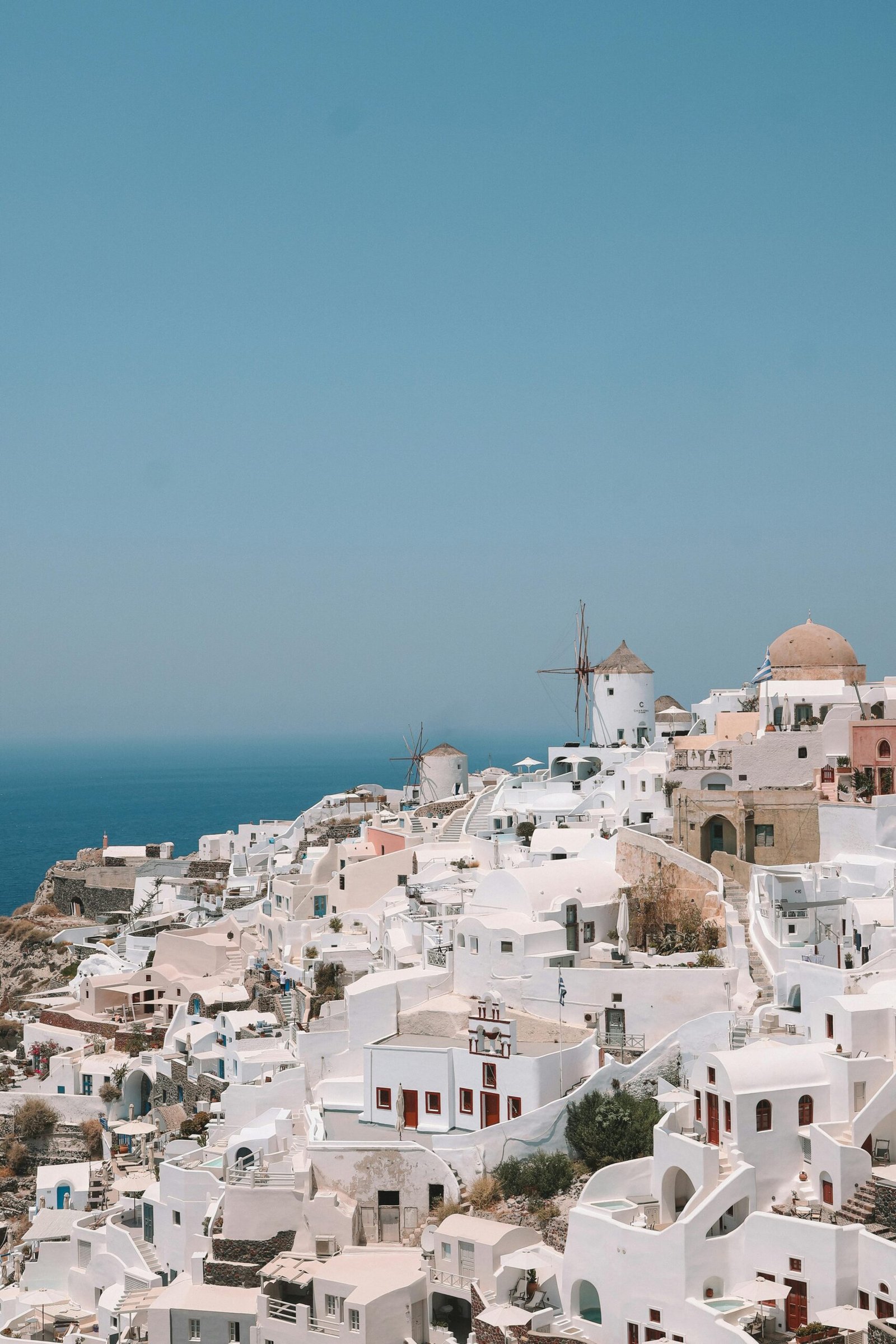
Why Most First-Timers to Santorini Leave Slightly Disappointed usually starts with a simple mental trap: people confuse a destination image with a usable travel experience. Santorini is one of the most photographed places in Greece, so many first-timers arrive expecting the island to deliver the same feeling they have seen online, in ads, and in other people’s highlight reels.
The problem is not that Santorini is overrated in a blanket sense. The problem is that peak-season Santorini asks for a level of patience, tolerance for crowds, and emotional flexibility that many first-timers do not realize they need until they are already there.
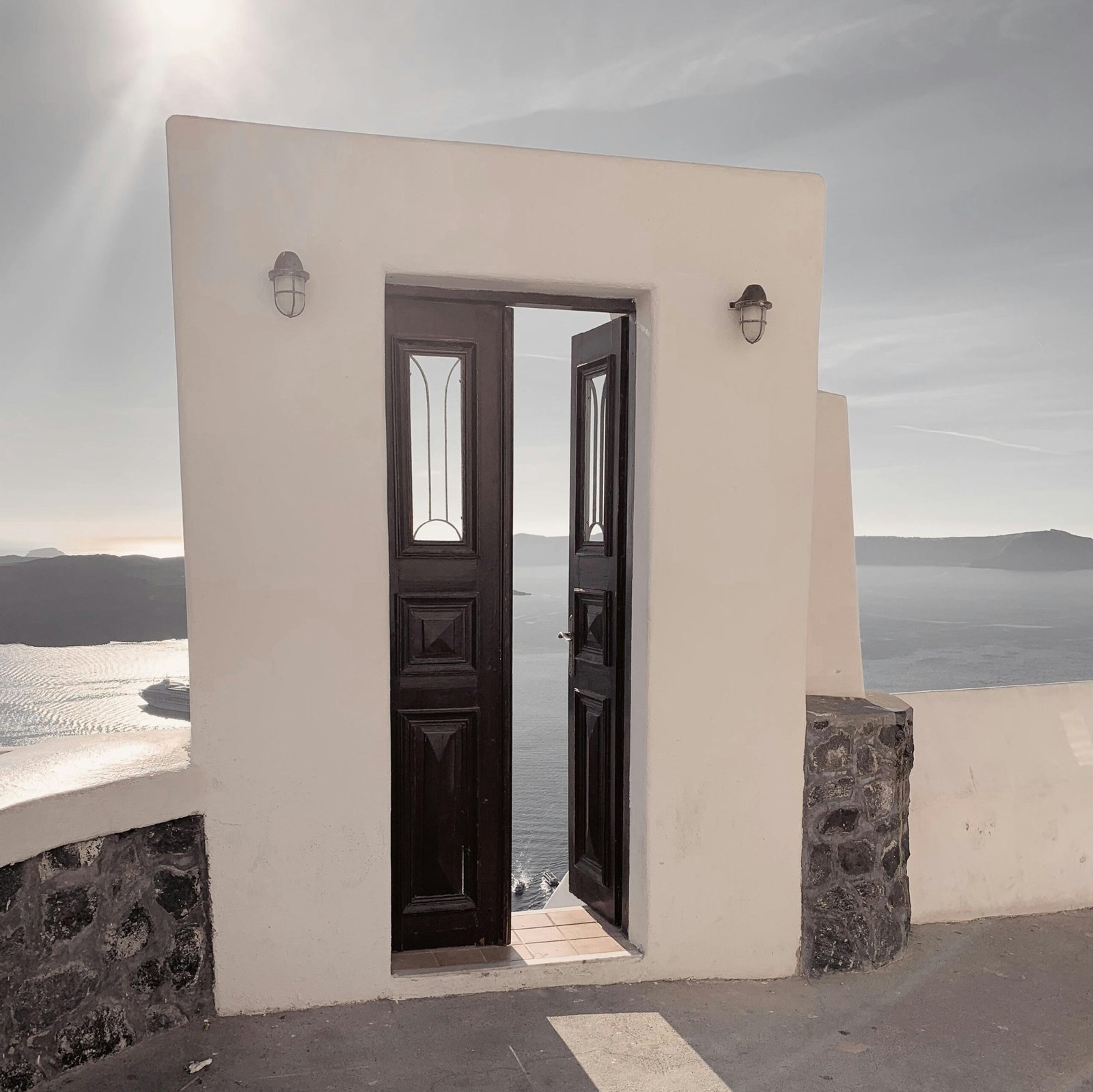
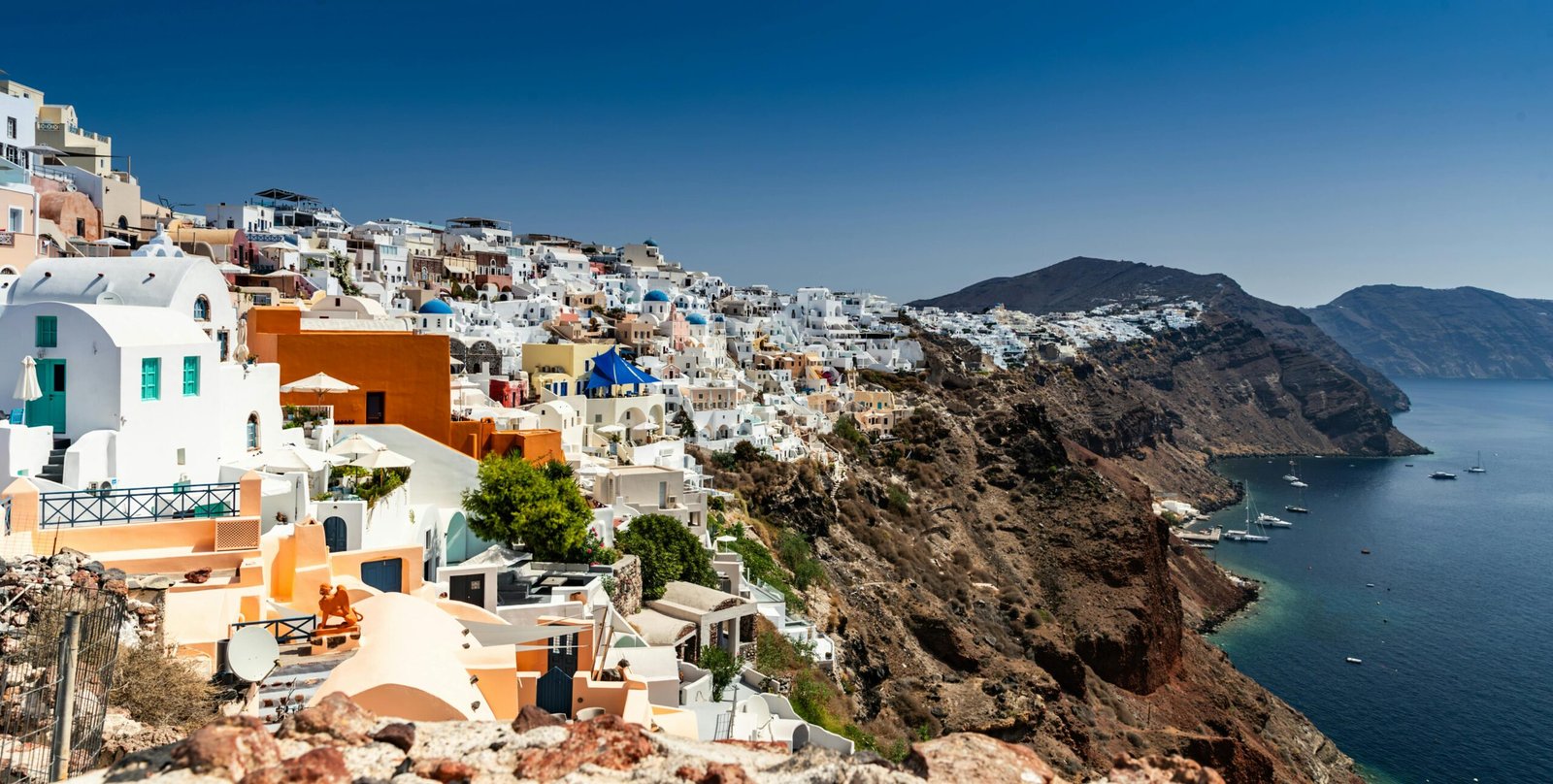
Why Most First-Timers to Santorini Leave Slightly Disappointed
The main psychological pattern is projection. Travelers project an ideal version of themselves onto Santorini: relaxed, stylish, spontaneous, and somehow untouched by the practical messiness that comes with a very famous place in peak season. That is why Why Most First-Timers to Santorini Leave Slightly Disappointed is such a consistent outcome. They are not just booking a destination; they are booking a feeling.
This is where the gap opens. Santorini in the imagination is quiet, clean, and perfectly framed. Santorini in peak season is often crowded, expensive, tightly scheduled, and more performative than people expect. The disappointment usually has less to do with the island itself than with the collision between fantasy and friction.
The image people buy is not the experience they actually need
Most first-timers are not choosing Santorini because they studied the island carefully. They choose it because Santorini signals something: romance, status, a once-in-a-lifetime trip, proof that they picked the right Greek island. That emotional charge matters, because once a place becomes symbolic, travelers stop evaluating it like a destination and start treating it like a milestone.
That is a bad way to choose an island. Santorini can be excellent for travelers who understand what they are buying, but it is a poor fit for people who want a loose, easy, low-friction Greek island holiday. Why Most First-Timers to Santorini Leave Slightly Disappointed is often a story about expectation management, not destination quality.
Peak season turns small annoyances into the whole trip
In a less crowded place, a bit of friction gets absorbed. In Santorini during peak season, the same friction becomes the dominant memory. Crowds, heat, queues, premium pricing, and constant visual competition for space all create a background stress that first-timers rarely factor in.
The surprising part is that many travelers do not feel disappointed at the start. They feel excited, even validated. The drop comes later, when the island starts asking for more patience than they budgeted for emotionally. That is the moment Why Most First-Timers to Santorini Leave Slightly Disappointed becomes real: not at arrival, but when the trip starts feeling managed instead of lived.
If you want the broader context for how Greek travel expectations get shaped before people even land, the official national tourism site
Visit Greece is useful as a baseline, but it will not tell you what peak-season pressure feels like on the ground.
The specific moment disappointment usually hits
It usually hits when the traveler realizes the island is not working on their terms. That might be the first time they cannot get the relaxed, unhurried version of the evening they pictured. It might be when every viewpoint feels crowded, every popular place feels over-managed, and the day starts revolving around avoiding bottlenecks rather than enjoying the island.
For many first-timers, the disappointment is not dramatic. It is subtle and cumulative. They keep waiting for the feeling they expected to arrive, and it never quite does. That quiet mismatch is exactly why Why Most First-Timers to Santorini Leave Slightly Disappointed is such a durable pattern.
There is also a practical consequence people underestimate: once the island feels crowded and expensive, travelers start making defensive choices. They overpay to reduce friction, or they skip parts of the island they would otherwise enjoy, simply because they are tired of negotiating every small decision.
The traveler types most prone to this pattern
Some travelers are much more likely to leave with that slightly deflated feeling. The first group is the “one big splurge” traveler, who wants Santorini to justify the budget emotionally as well as financially. If the island feels crowded or overly curated, they interpret that as failure rather than as the cost of going to one of the most in-demand places in Greece.
The second group is the social-media-led planner. These travelers are not shallow; they are simply making decisions based on a visual script. They often arrive expecting the island to reproduce the same mood in every corner, which is unrealistic and, in peak season, guaranteed to disappoint.
The third group is the first-time Greece visitor who has not yet learned that Greek islands are not interchangeable. That traveler often assumes Santorini is the safest first choice because it is the most famous choice. In practice, fame is not the same as fit.
- Travelers chasing a “perfect” honeymoon moment
- First-timers who equate fame with ease
- Visitors who want quiet but book the busiest version of the island
What people expect versus what they actually feel
What people expect is ease, romance, and a sense of arrival. What they often feel is pressure, comparison, and a constant awareness that they are in a place designed to be looked at. That difference matters because it changes the emotional tone of the entire trip.
Here is the counterintuitive truth: Santorini can be more disappointing for travelers who care about aesthetics than for travelers who care about experience. The more someone wants the island to look and feel a certain way, the more likely they are to notice every mismatch. Travelers who are less image-driven often have a better time because they are not trying to force the island into a script.
For travelers who want a better sense of how Greek culture and travel context fit together beyond the island itself, the Greek Ministry of Culture gives useful background, though it will not solve the core issue: Santorini is still Santorini, and peak season is still peak season.
A clear position: Santorini is not the right first Greek island for everyone
My view is simple: if you want your first Greek island to feel easy, Santorini is usually the wrong first choice. It can be memorable, elegant, and worth seeing, but it is not forgiving. It asks you to understand the island before you ask it to deliver a fantasy.
That is why Why Most First-Timers to Santorini Leave Slightly Disappointed is not a warning against going. It is a warning against going for the wrong reason. If your real goal is calm, room to breathe, and a sense of discovery, Santorini in peak season is a poor match.
If your goal is to see a famous place with your eyes open, then Santorini can still make sense. The key is to stop expecting it to behave like a private version of itself.
What a better approach actually looks like
A better approach starts with asking what you want the trip to feel like, not what you want the photos to say. If you want romance, ask whether you want spectacle or ease. If you want your first Greek island to feel restorative, ask whether a globally famous, heavily visited place is the right fit.
This is where Greece rewards travelers who arrive with a plan, but only once they are honest about what kind of traveler they are. Some people genuinely enjoy the energy of a famous place. Others spend the whole trip trying to recover from it.
Approach Santorini as a place with a strong identity, not as a blank canvas for your ideal Greece fantasy. That shift alone prevents most of the disappointment. It also explains why Why Most First-Timers to Santorini Leave Slightly Disappointed is so predictable: the island is not failing them, but their assumptions are.
Recognizing the pattern is the first step. The second is building a trip around how you actually travel — not the traveler you imagine yourself to be. Most great Greece experiences start with that honesty.
Frequently asked questions
Why do so many first-time visitors feel let down by Santorini?
Because they arrive with a highly polished image of the island and meet a crowded, expensive, highly managed reality instead. The gap between fantasy and friction is what creates the letdown.
Is Santorini actually overrated?
Not exactly. It is better understood as a high-demand, high-expectation destination. People who choose it for the right reasons often enjoy it; people who want ease and spontaneity usually do not.
What is the biggest mistake first-timers make?
They treat Santorini like the default Greek island choice instead of asking whether it fits their travel style. Fame is not the same as fit.
When do travelers usually realize they are disappointed?
Usually after the initial excitement fades and the practical friction becomes constant. The feeling often shows up when crowds, prices, and scheduling pressure start shaping the whole day.
Who is Santorini best suited for?
Travelers who want a famous, visually dramatic destination and are comfortable with crowds, premium pricing, and a more curated atmosphere. It is less suitable for people seeking an easy, low-pressure island experience.
Can first-timers enjoy Santorini if they know what to expect?
Yes. In fact, realistic expectations change everything. Santorini works much better when travelers stop expecting a private fantasy and accept it as a very popular place with real constraints.