

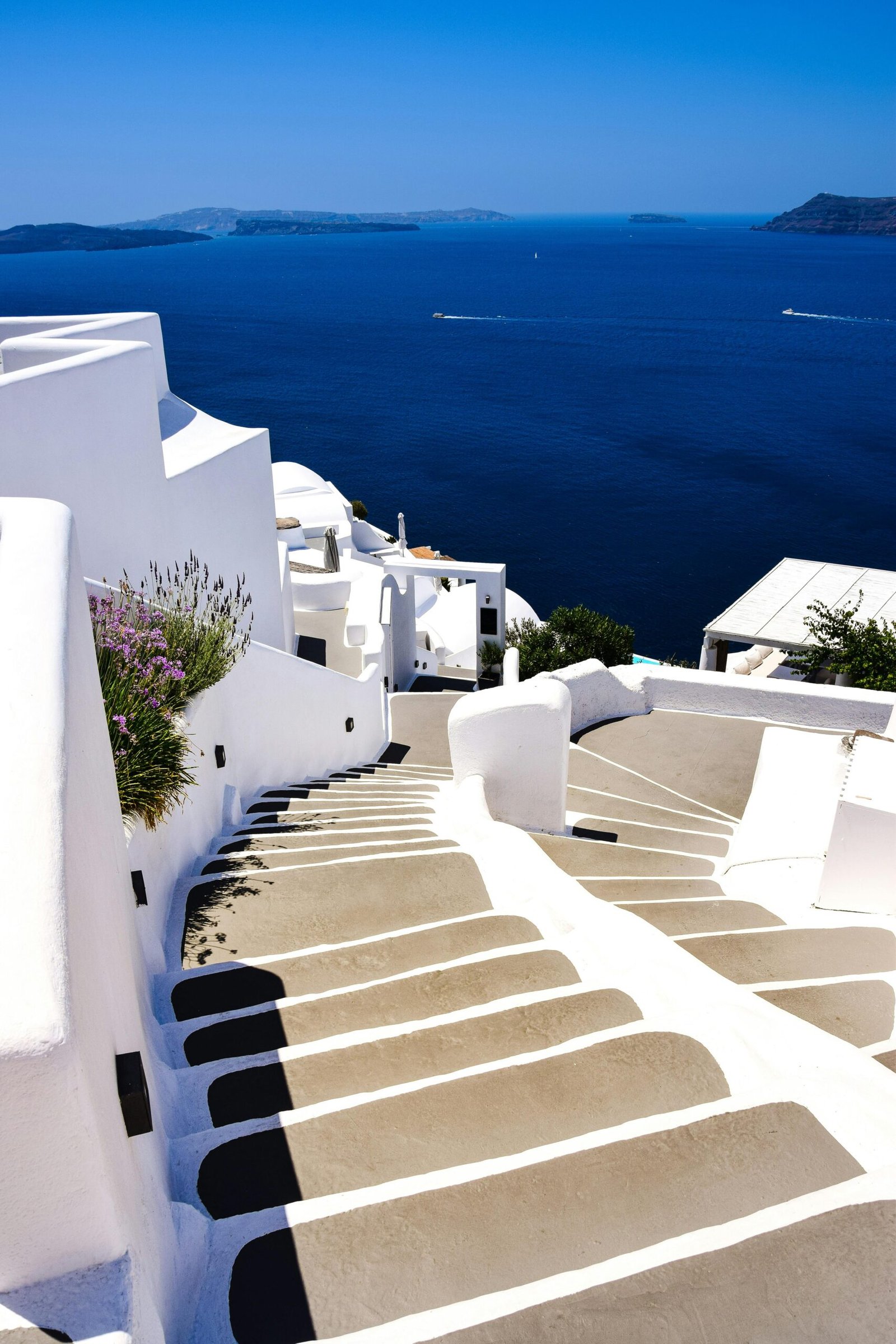
Why Most First-Timers to Santorini Leave Slightly Disappointed starts with a simple psychological trap: people confuse an image with a travel experience. They arrive expecting the version they have seen online, then react badly when the island behaves like a real, crowded, expensive place in peak season.
The disappointment is usually not about Santorini being bad. It is about the mismatch between what people think they are buying and what they actually get: a high-demand destination with limited space, heavy pressure, and a lot of time spent managing expectations. That gap is where the frustration begins.
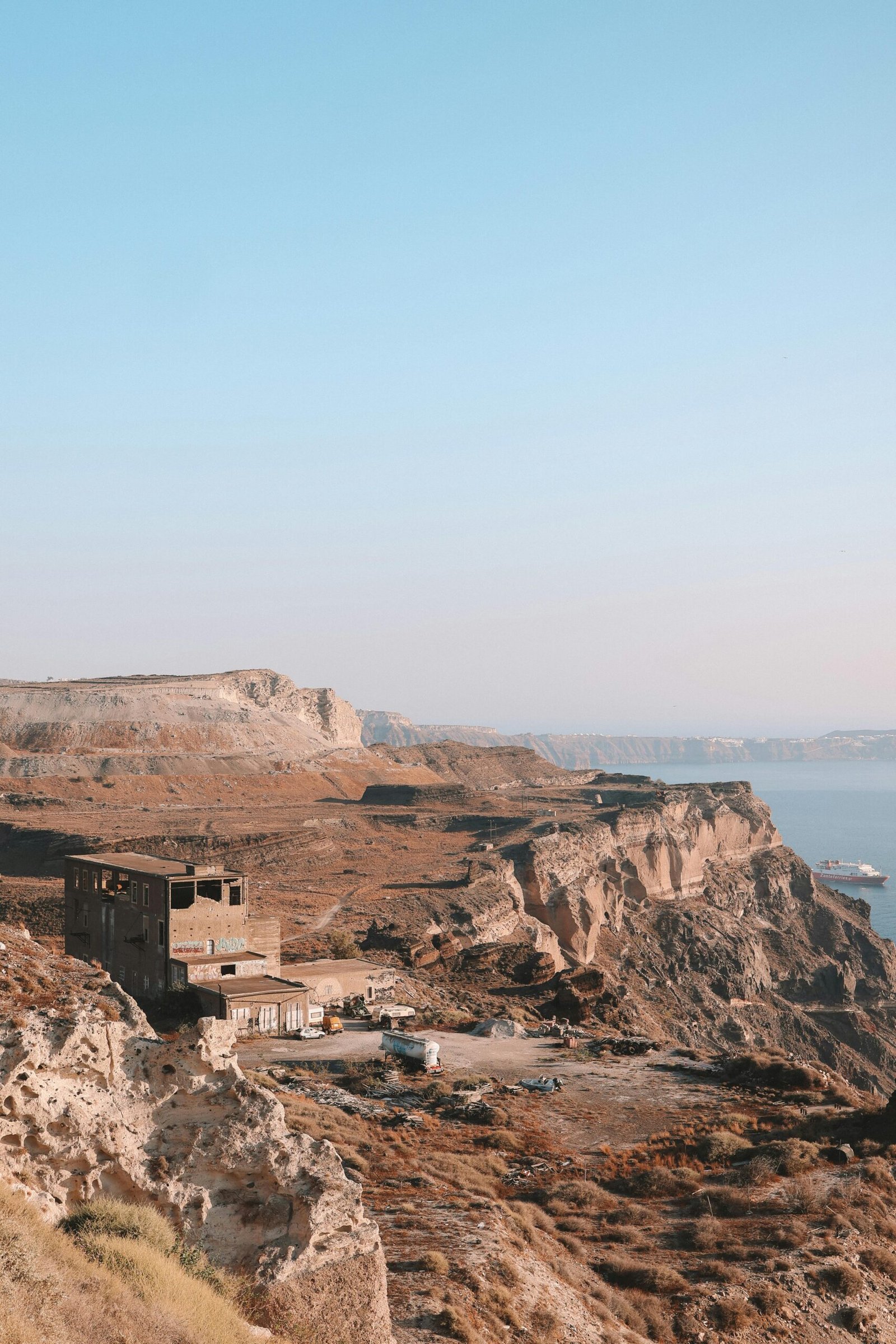
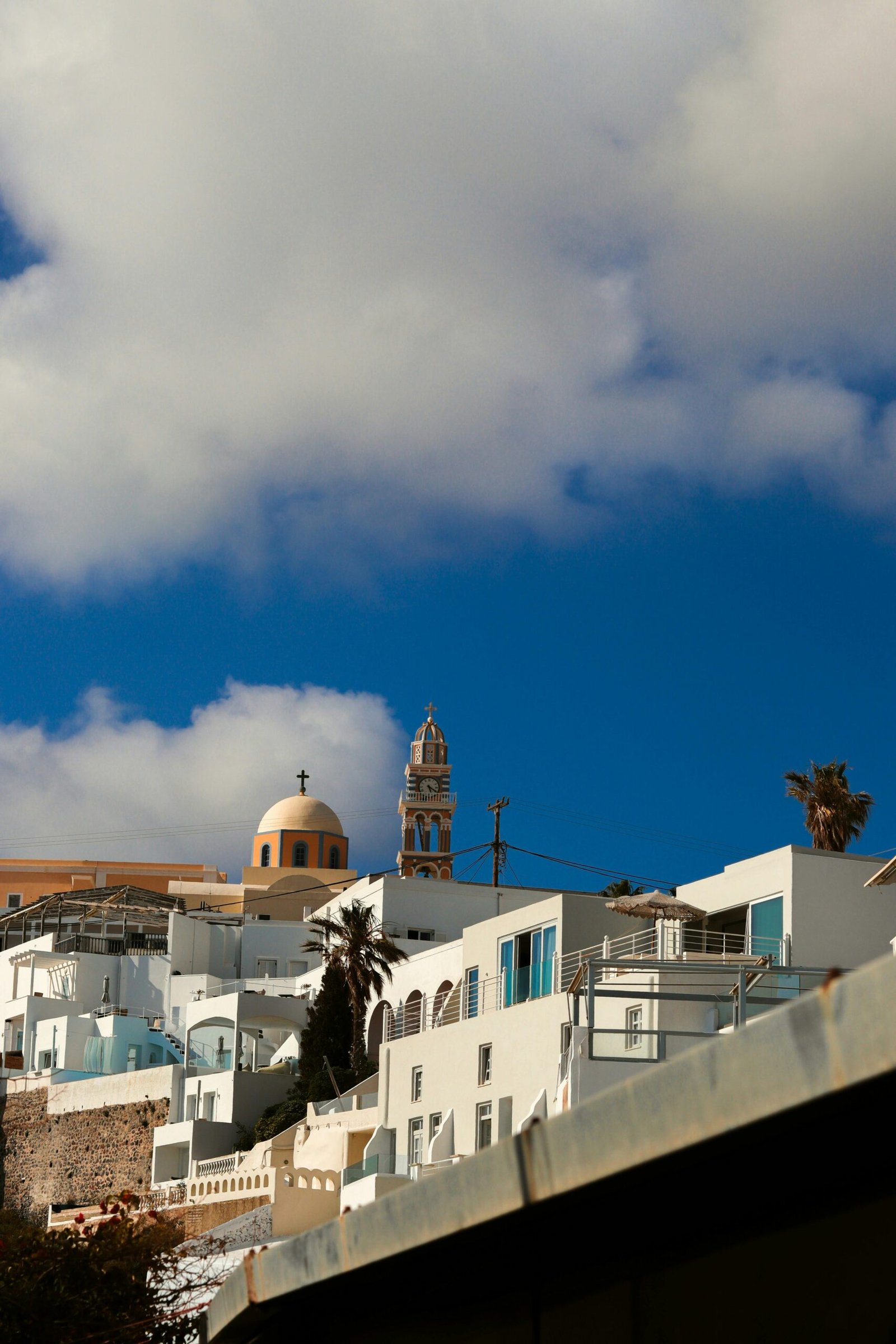
Why Most First-Timers to Santorini Leave Slightly Disappointed
The first mistake is emotional, not logistical. People choose Santorini because they want a clean, legible Greece: white buildings, blue domes, sunset views, easy romance, and the comfort of knowing they picked the “right” island. That is a very human decision, and it is exactly why the letdown happens.
Why Most First-Timers to Santorini Leave Slightly Disappointed is not a mystery if you work this market long enough. Travelers are not just buying scenery; they are buying reassurance. They want to feel they made a sophisticated choice, and Santorini has become the default answer for that feeling.
Why travelers make this choice in the first place
Most first-timers are not choosing Santorini because they have studied the island. They are choosing it because it has been flattened into a symbol. It stands in for romance, celebration, and “the Greece trip” people think they should do once in their life.
That creates a dangerous assumption: if the destination is famous enough, it must deliver a universally satisfying experience. It does not. Fame changes the island’s behavior. In peak season, Santorini becomes a place where the visitor experience is shaped by demand, not by fantasy.
There is also a status element that people underplay. Santorini is often chosen because it feels like the safe, socially validated choice, and many travelers would rather be mildly disappointed than risk choosing somewhere less recognizable. That is a psychological trade-off, not a travel strategy.
The expectation gap is the real problem
Travelers expect intimacy, calm, and a kind of effortless beauty that feels personal. What they often get in peak season is congestion, queues, inflated prices, and the sense that every good angle has been claimed already. The island is still attractive, but the emotional experience is different from the one people imagined.
The gap is not that Santorini fails to look like Santorini. It is that the visitor is not prepared for how much of the day becomes about navigating other people. That matters more than most first-timers admit. A place can be visually impressive and still leave you feeling oddly detached.
Here is the counterintuitive part: some travelers are more disappointed because the island is so recognizable. When a place is already over-explained online, there is less room for surprise and less tolerance for friction. People do not forgive inconvenience as easily when they arrived expecting a near-perfect version of themselves on holiday.
The moment disappointment usually hits
For many first-timers, the emotional drop happens at sunset, not at arrival. They have spent the day dealing with heat, crowds, and constant movement, then they reach the moment they have been told is the payoff. If that moment feels compressed, crowded, or strangely performative, the whole trip can suddenly feel less special.
That is the exact point where Why Most First-Timers to Santorini Leave Slightly Disappointed becomes obvious in real time. The traveler realizes they were not just visiting an island; they were participating in a very popular ritual. Once that lands, some people feel cheated, even if nothing went wrong in a technical sense.
This is also where people misread their own reaction. They think they are disappointed with the destination, when they are really disappointed with the gap between private fantasy and public reality. Santorini is one of the clearest examples of that problem in Greece.
Who is most prone to this pattern
First-time visitors who are most vulnerable usually fall into a few groups: honeymooners who want the trip to feel singular, couples chasing a romantic benchmark, and travelers who have only seen Santorini through social media. They tend to arrive with a very fixed emotional script.
Another common group is the “once-in-a-lifetime” planner. These travelers put too much pressure on one destination to justify the entire trip, which is a bad setup anywhere, and especially here. When the island cannot carry that weight, the disappointment feels bigger than it should.
- Travelers who want quiet, space, and a slower rhythm
- First-timers who are highly image-driven
- People who dislike crowds but still choose peak season
- Couples expecting a private, cinematic experience by default
There is a blunt truth here: if you are already sensitive to crowds, queues, and inflated pricing, Santorini in peak season is a poor emotional fit. You can still enjoy parts of it, but you should not expect the island to soften those irritations for you.
What people underestimate about peak season
People underestimate how much peak season changes the psychology of a place. The issue is not only volume; it is decision fatigue. When every viewpoint, meal, and movement feels contested, even a beautiful destination starts to feel like work.
They also underestimate how much time gets absorbed by simple things that should feel easy. Once that happens, the trip stops feeling restorative. That is often the real source of disappointment, not any single bad moment.
If you want a broader sense of how Greece presents itself versus how it functions on the ground, the official tourism material at
Visit Greece is useful as a baseline, but it will never tell you what the pressure feels like in high season. That part you learn from experience, or from people who have watched travelers repeat the same mistake for years.
How to approach Santorini differently
The better way to visit Santorini is to stop asking it to be the entire trip. Treat it as one part of a larger Greece itinerary, not the emotional climax of your whole holiday. That single shift lowers the pressure and makes the island easier to enjoy on its own terms.
You also need to decide what you actually want from the visit. If you want architecture, views, and a polished high-end setting, Santorini can still work well. If you want privacy, value, and a sense of discovery, you are probably forcing the wrong island into the wrong role.
Greece rewards travelers who arrive with a plan, but only if the plan is honest. Santorini is not the problem; the story people attach to it is. If you strip away the fantasy and look at what you are really seeking, the choice becomes much clearer.
For travelers who want to understand the island in a wider cultural context, the Hellenic Ministry of Culture is a better reference point than influencer content. It will not tell you how to feel, but it will remind you that Greece is not built around a single postcard image.
What a more realistic Santorini trip looks like
A better Santorini trip starts with lower emotional expectations and higher practical ones. Not “Will this be perfect?” but “What kind of experience is this island actually built to deliver?” That question leads to better choices and fewer regrets.
It also means accepting that some disappointment is built into first-time Santorini visits in peak season. That is not failure. It is the result of choosing a destination whose reputation has outgrown the conditions that made it appealing in the first place.
Why Most First-Timers to Santorini Leave Slightly Disappointed is really a warning about projection. The more you use the island to satisfy a fantasy, the more likely you are to feel let down by reality. The travelers who do best are the ones who stop trying to make Santorini into something it is not.
Recognizing the pattern is the first step. The second is building a trip around how you actually travel — not the traveler you imagine yourself to be. Most great Greece experiences start with that honesty.
Frequently asked questions
Why do first-time visitors expect so much from Santorini?
Because Santorini is marketed as a symbol, not just a place. Many travelers arrive expecting romance, ease, and perfect conditions because that is the version they have seen repeated everywhere.
What is the most common reason people feel disappointed in Santorini?
The biggest reason is the gap between image and reality, especially in peak season. Crowds, pressure, and high prices change the emotional tone of the trip.
Is Santorini still worth visiting for a first trip to Greece?
Yes, if you know what you are choosing. It works well for travelers who want a polished, highly recognizable island experience and are comfortable with heavy demand.
When do travelers usually realize Santorini is not matching expectations?
Often at sunset, when the day’s friction meets the one moment they expected to feel effortless. That is when the mismatch becomes emotionally obvious.
Who should be cautious about choosing Santorini first?
Travelers who dislike crowds, want quiet, or are highly sensitive to inflated pricing should be careful. Honeymooners and social-media-driven planners are also prone to disappointment if expectations are too fixed.
How can I avoid feeling let down by Santorini?
Stop treating it like the whole trip and stop expecting it to behave like a private escape in peak season. Go in with a clear sense of what the island does well and what it does not.