

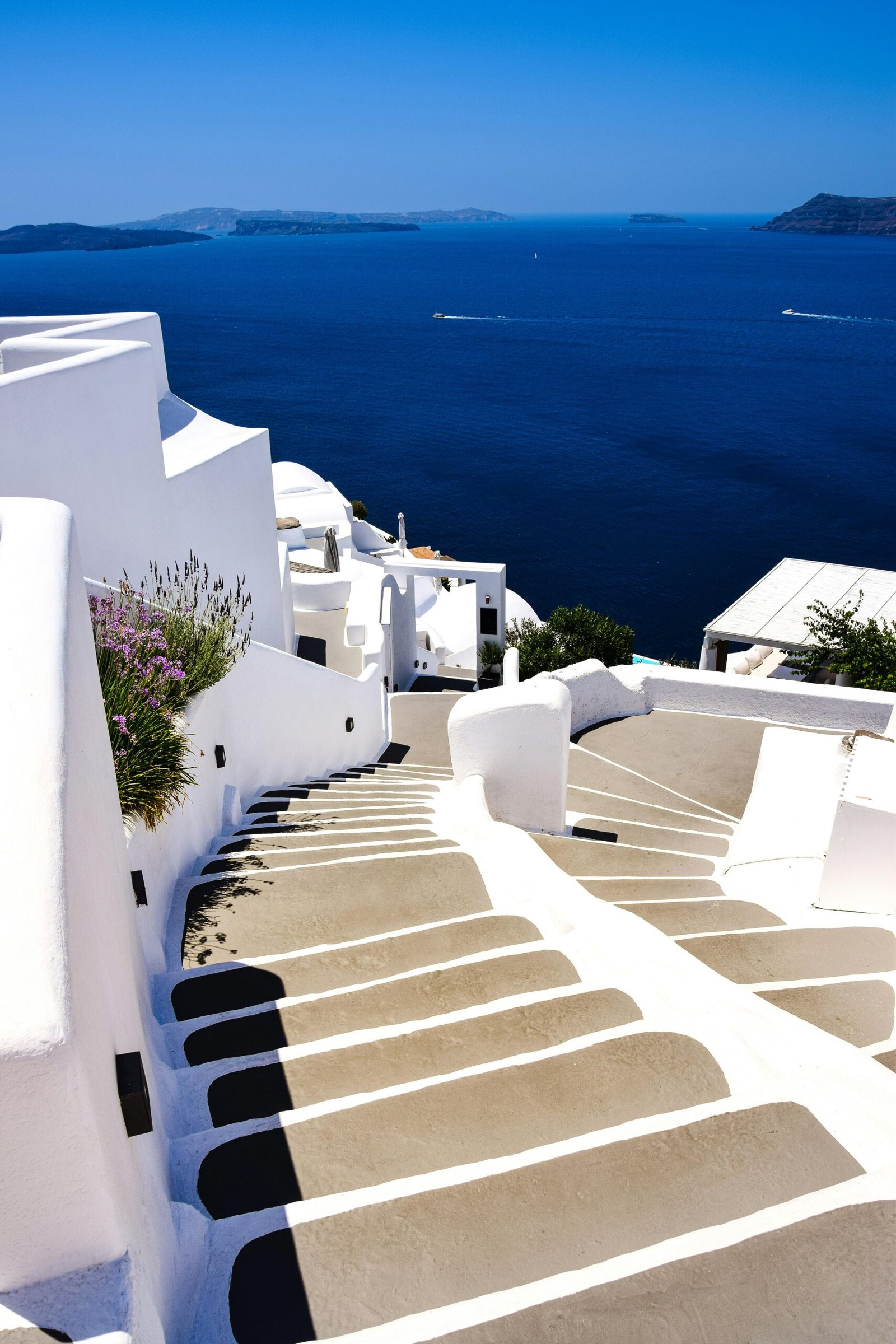
Why Santorini Is Better for a Short Stay Than a Dream Vacation is simple: the island delivers fast, but it also wears people down fast. For most travelers, it works best as a concentrated stop where you pay for the key experience, take it in, and move on before the crowds, prices, and repetition start to dominate the trip.
The mistake is treating Santorini like a place to relax for a week. That is where expectations break down. The island is expensive, busy, and highly compressed in how it reveals itself, so the value is in intensity, not duration.
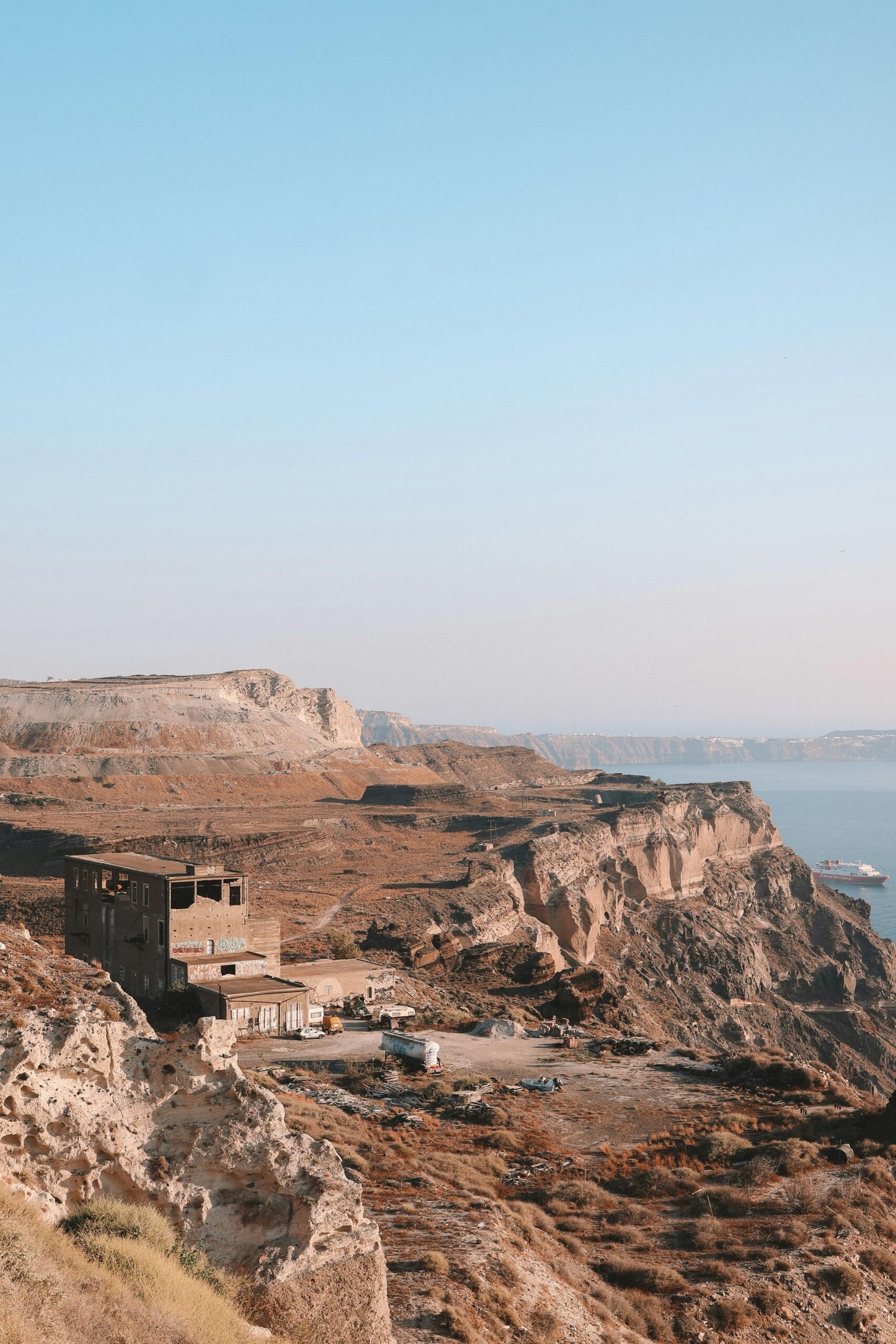
Why Santorini Is Better for a Short Stay Than a Dream Vacation
Why Santorini Is Better for a Short Stay Than a Dream Vacation is not a contrarian take. It is the practical one. Santorini gives you a very strong first impression, but it is not built for slow, spacious, low-friction travel in the way many people imagine before they arrive.
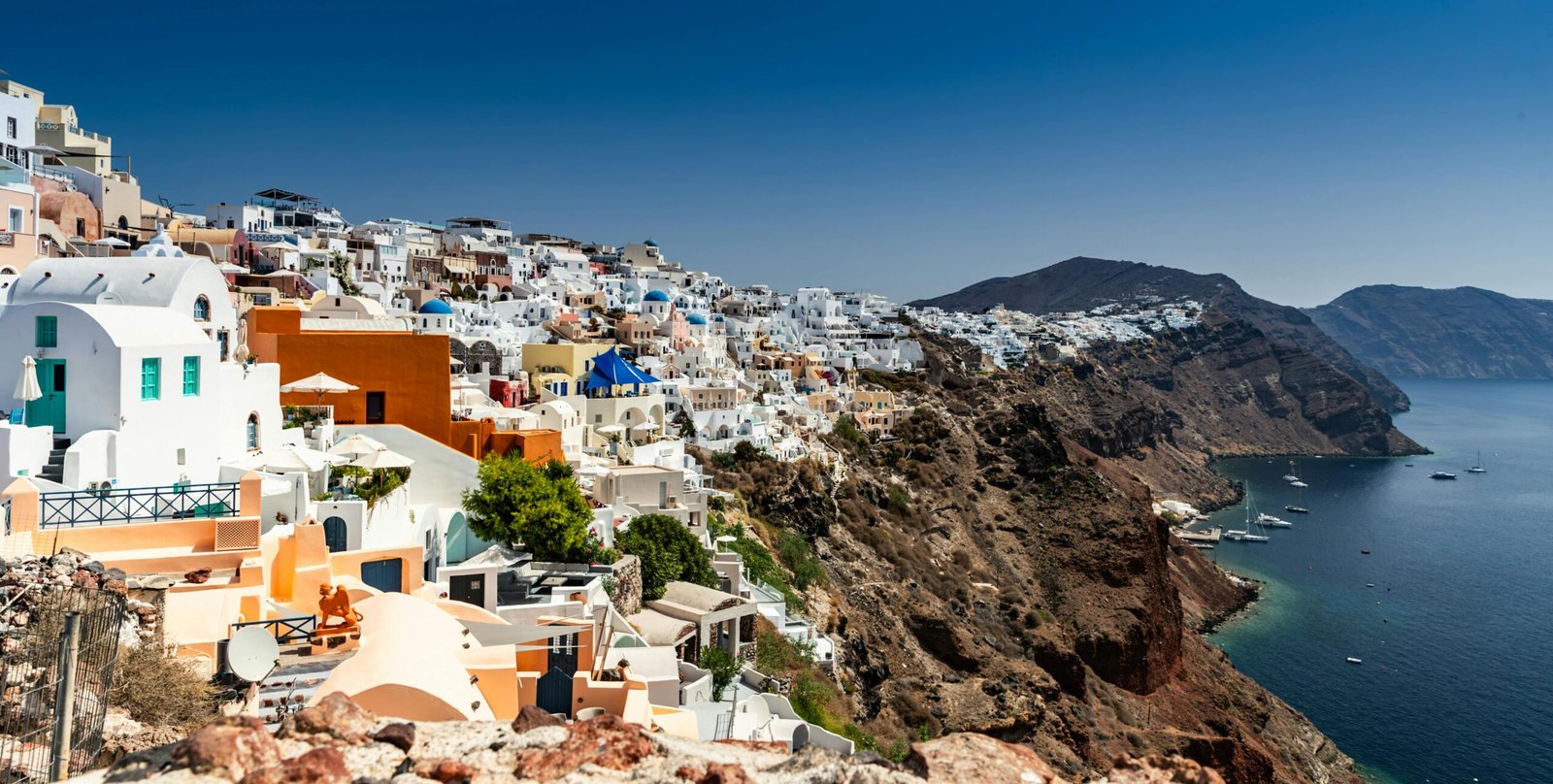
The island’s best qualities are concentrated: the caldera views, the villages on the rim, the sunset energy, the sense of place at first glance. The problem is that the same concentration creates pressure. Prices climb, crowds cluster in the same places, and the daily rhythm becomes more about navigating demand than enjoying ease.
Why Santorini Is Better for a Short Stay Than a Dream Vacation: the real reason
Santorini works because it gives you a high-impact experience quickly. In a short stay, the island feels focused and intentional. You see the part of Santorini that justifies the cost, and you leave before the repetition sets in.
In a longer stay, many travelers start asking the wrong question: “What else is there to do?” That is where disappointment begins. Santorini is not a broad, all-day, all-week destination; it is a place with a narrow set of strengths that are best consumed in a compact window.
Most travelers assume a longer stay gives them more value, but actually it often gives them more exposure to the island’s friction. The same views become less novel, the same premium pricing becomes harder to ignore, and the same crowded choke points start to define the trip.
When Santorini makes sense
Choose Santorini when your priority is a polished, memorable stop rather than a full vacation base. It fits travelers who want a few standout moments, who are comfortable paying for location, and who do not need constant variety to feel satisfied.
It also makes sense if Santorini is one part of a broader Greece trip. In that context, the island plays its strongest role: a concentrated, high-value experience that does not need to carry the entire holiday. That is the use case where it feels worth the money.
For travelers who care about Greek culture in a broader sense, pairing Santorini with other destinations usually makes more sense than stretching it into a long standalone stay. If you want a wider sense of the country’s historical depth, the official resources at
Visit Greece are a better starting point than treating Santorini as a complete Greece experience.
When Santorini is the wrong choice
Do not choose Santorini as your main destination if you want a relaxed, low-cost, flexible vacation. It is not the island for travelers who like to wander without paying attention to timing, pricing, or crowds. It is also not the best fit for people who want long beach days as the centerpiece of the trip.
The biggest mismatch is for travelers who want a “dream vacation” in the classic sense: easy pace, room to breathe, and a feeling that the place unfolds gradually. Santorini does not work that way. It reveals itself quickly, and then the operational realities take over.
If you want a trip that feels more layered and less compressed, Santorini should be a stop, not the headline. That is the clear position. Making it the center of a long stay is how many travelers end up overpaying for a destination that was never designed to carry that much expectation.
Trade-off matrix: traveler type, season, and style
The same island behaves very differently depending on who is visiting and when. A couple on a focused luxury break will usually be satisfied with a short stay because the island’s premium side is what they came for. A family, a budget traveler, or anyone who wants more space and more flexibility will feel the pressure much sooner.
Season matters in a blunt way. In peak months, Santorini becomes more expensive, more crowded, and less forgiving of poor planning. In shoulder season, the island is easier to handle, but the core issue remains: the experience is still strongest when it is concentrated, not stretched out.
- Luxury couple: short stay works well; longer stay can feel repetitive and expensive.
- First-time Greece visitor: better as one stop in a larger itinerary, not the whole trip.
- Family with children: often a poor value for a long stay; the friction shows up quickly.
- Beach-first traveler: usually better elsewhere in Greece.
- Shoulder-season traveler: more manageable, but still best in a compact visit.
If you care about culture as much as scenery, use Santorini as the visual highlight and then balance it with a more historically grounded stop. For context on Greece’s broader cultural landscape, the Hellenic Ministry of Culture is a useful reference point, because Santorini alone will not give you the full picture of the country.
What most travelers underestimate
The biggest surprise is not that Santorini is crowded. Most people expect that. The real issue is how quickly the island’s premium feel can start to feel transactional. You are paying for access, positioning, and convenience, and once you stay too long, that pricing becomes impossible to ignore.
Another thing travelers underestimate is how little room there is for improvisation. Santorini is compact, but that does not mean it is easy. Small mistakes in timing or expectations have outsized consequences because everyone is aiming for the same limited set of experiences.
Why Santorini Is Better for a Short Stay Than a Dream Vacation becomes obvious once you see how fast the island’s best moments arrive and how quickly the pressure follows. The island is strongest when it is still fresh. After that, the cost-to-comfort ratio starts working against you.
What a short stay actually gets you
A short stay gives you the part of Santorini that people remember: the caldera setting, the concentrated views, the sense that the island is doing exactly what it is famous for. You get the headline version without having to live inside the island’s limitations for too long.
That is why a short stay often feels more satisfying than a longer one. You leave while the experience is still sharp. You do not spend extra days trying to force more value out of a place whose main appeal was already delivered early.
Why Santorini Is Better for a Short Stay Than a Dream Vacation is ultimately about protecting the experience from overexposure. The island is not weak; it is intense. Intensity is easier to appreciate in small doses.
Clear guidance for the most common traveler scenarios
If you are planning a honeymoon or a celebratory escape, Santorini is worth it as a focused stop if you are willing to pay for the premium side of the island. If you want a full, slow, restorative holiday, choose a different base or shorten Santorini dramatically.
If this is your first trip to Greece, do not let Santorini consume the itinerary. It is a strong introduction to one side of the country, but not the whole story. If you are returning to Greece and already know what you like, then Santorini can be used more strategically.
If your style is practical, value-conscious, and low-drama, you will probably prefer Santorini in small doses. That is the honest answer. The island is excellent at being memorable, but it is not excellent at being easy for long stretches.
Conclusion
Why Santorini Is Better for a Short Stay Than a Dream Vacation is the right framing for most travelers because it matches how the island actually performs. Use it for impact, not for duration. That is the difference between leaving satisfied and leaving overextended.
Greece has a way of rewarding travelers who ask the right questions before they arrive. The travelers who leave disappointed usually asked the wrong ones — or didn’t ask at all.
Recommended experiences
Some experiences mentioned here are curated and managed by Elite Greece Travels.
- Athens Milos Santorini Itinerary 9 Days — Itinerary (managed by Elite Greece Travels).
- Greece 7 Day Itinerary Athens Delphi Meteora Santorini — Itinerary (managed by Elite Greece Travels).
- Santorini Sunset Cruise With Dinner In The Caldera — Cruise (managed by Elite Greece Travels).
Frequently asked questions
Is Santorini worth it for a short stay?
Yes. Santorini is usually at its best when you visit for a short, focused stay. You get the main experience without giving the island enough time to become expensive, repetitive, and tiring.
How many days are enough in Santorini?
For most travelers, a short stay is enough. The island’s core appeal is concentrated, so extra days often add cost and crowd fatigue more than value.
Why do people get disappointed with Santorini?
They expect a long, easy, all-purpose vacation destination. Santorini is better understood as a high-impact stop with a narrow set of strengths, not a place to stretch out for a week and expect variety.
Is Santorini good for a honeymoon?
Yes, if you want a polished, premium, high-impact part of the trip. It is less convincing as the only destination if you want a relaxed, spacious honeymoon with more variety and less pressure.
Should Santorini be the main destination in Greece?
Usually no. It is stronger as one part of a larger Greece trip than as the entire focus. Making it the main destination often leads to inflated expectations and poor value.
Is Santorini better in peak season or shoulder season?
Shoulder season is easier to handle, with less crowd pressure and a better overall experience. Peak season intensifies everything, including the costs and the friction.