

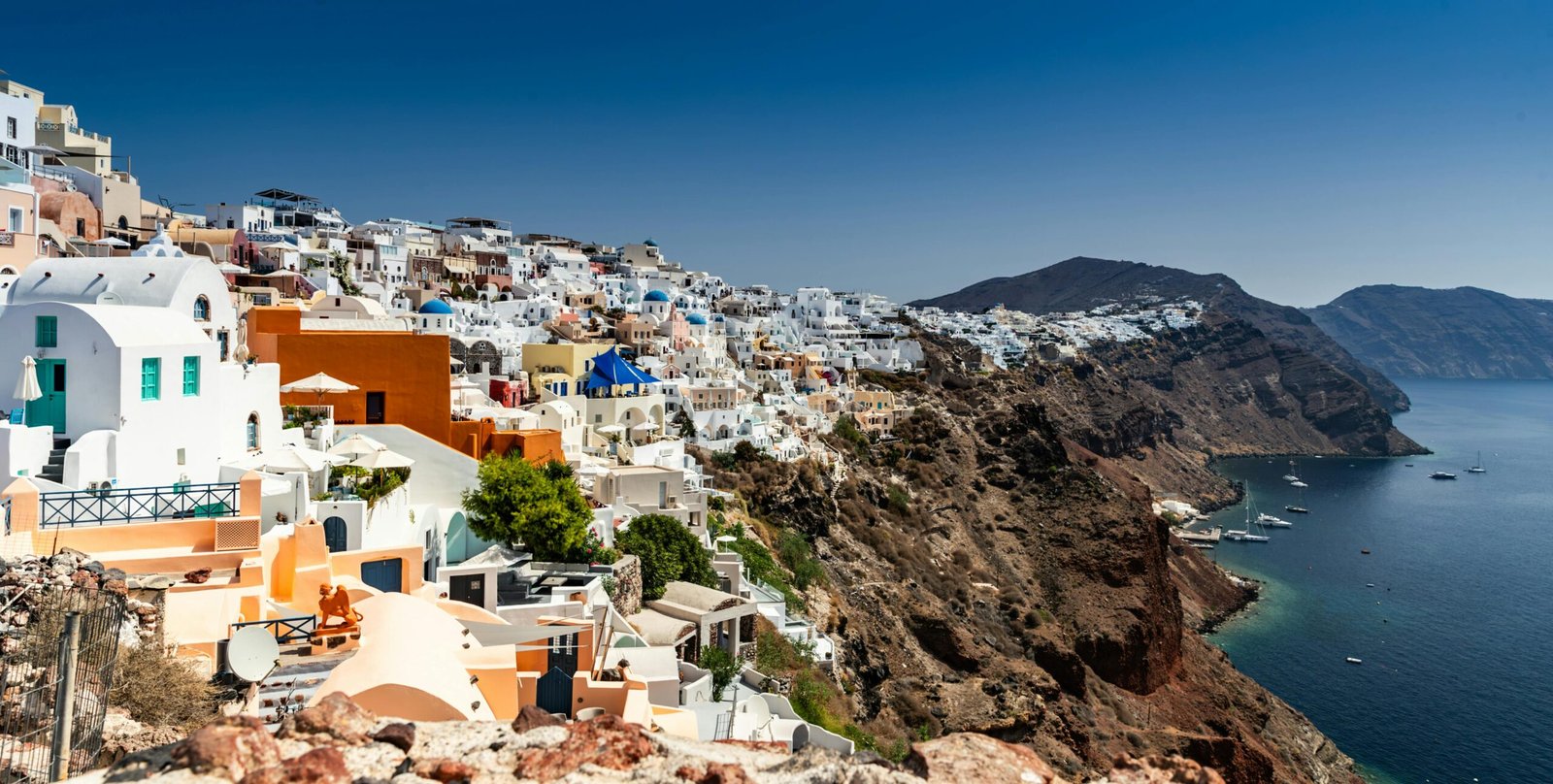
Why Most First-Timers to Santorini Leave Slightly Disappointed usually starts with a simple psychological trap: people arrive expecting the island to behave like its photos. They are not really choosing Santorini for what it is; they are choosing it for what it represents in their head.
That gap matters more in peak season, when crowds, prices, heat, and noise make the island feel less like a private fantasy and more like a very popular place under pressure. The disappointment is rarely dramatic. It is usually a slow recognition that the version they pictured was never the version they were going to get.
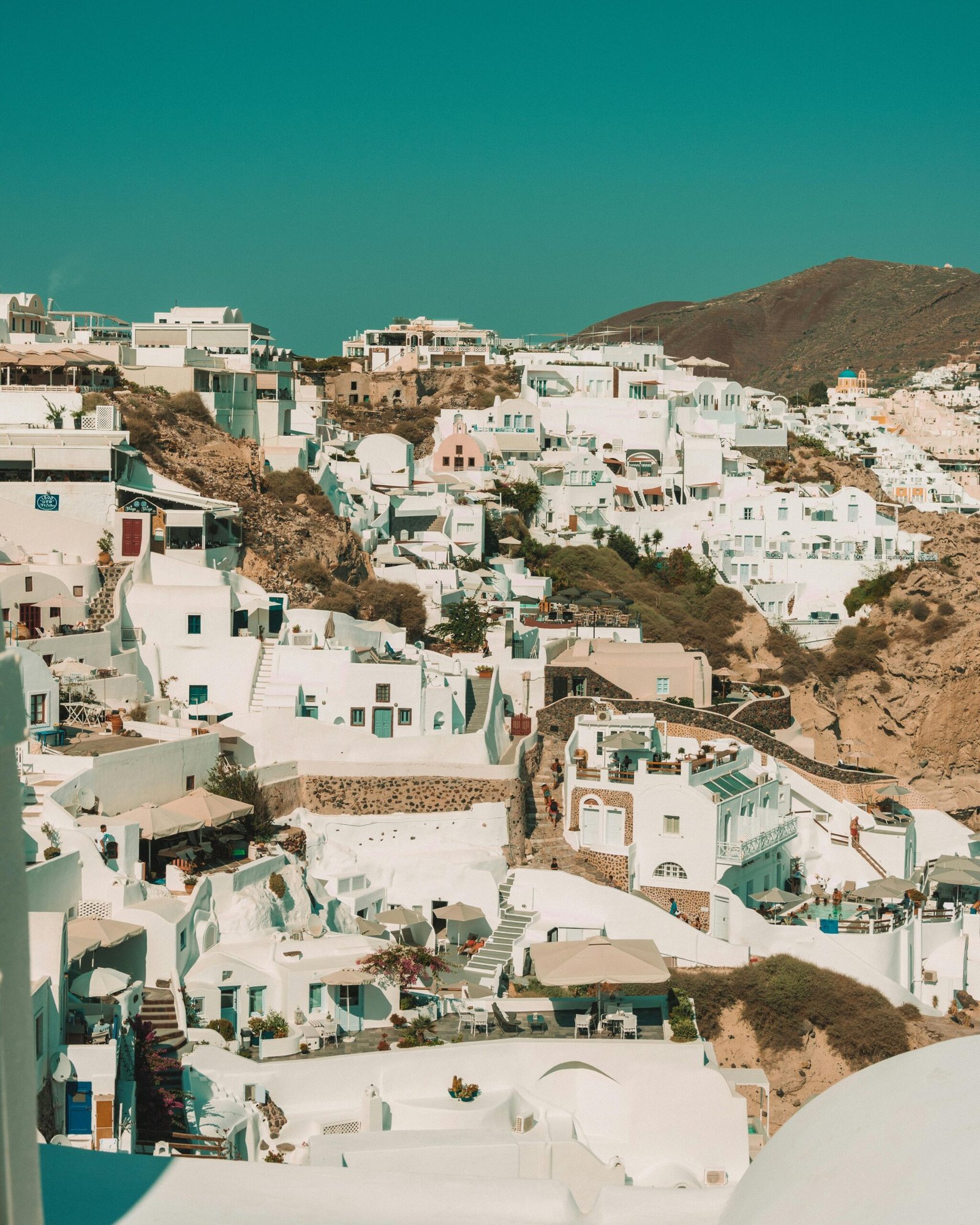
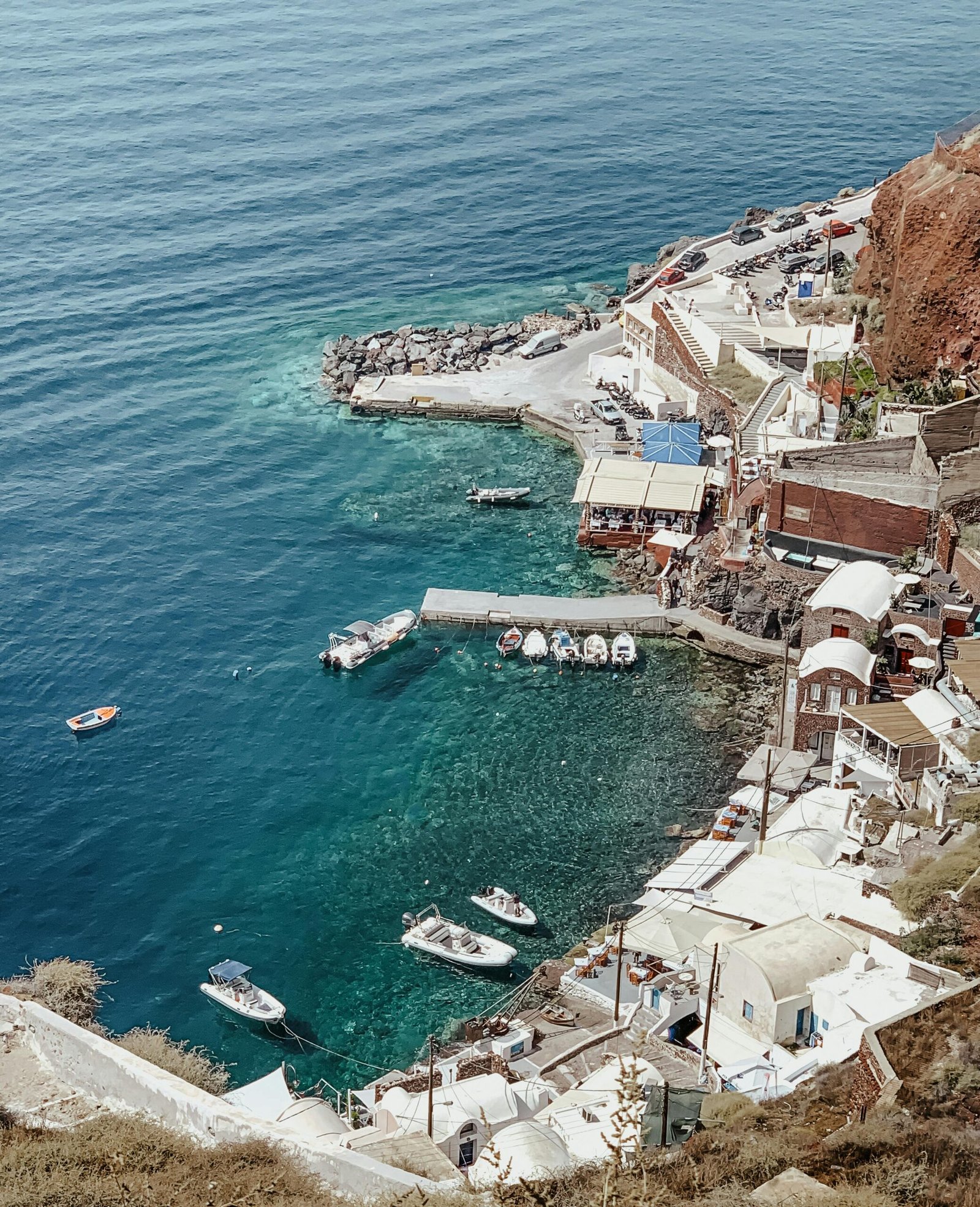
Why Most First-Timers to Santorini Leave Slightly Disappointed
Why Most First-Timers to Santorini Leave Slightly Disappointed is not a mystery to anyone who has spent years watching arrivals, check-ins, and the same expressions of surprise repeat themselves. The issue is not that Santorini is overrated in any simple sense. The issue is that many first-time visitors confuse a visual brand with a lived destination.
People come to Santorini carrying a very specific emotional script. They expect ease, romance, and a kind of private access to the island’s famous views. What they meet in peak season is a place with real demand, real bottlenecks, and a constant tension between beauty and volume.
The assumption behind Why Most First-Timers to Santorini Leave Slightly Disappointed
The core assumption is that a famous place should still feel exclusive once you arrive. That is the real fantasy. Travelers are not just buying a trip; they are buying the feeling that they were smart enough to choose the right island before everyone else did.
That is why Santorini can feel emotionally off even when nothing is objectively wrong. The island delivers what it promises in images, but not always what people privately hoped for: quiet, intimacy, and the sense that they discovered something before the crowds did. In peak season, that hope gets crushed early.
Visit Greece will show you the broad appeal, but it will not tell you the part that matters most: once a destination becomes a global symbol, you are no longer visiting a place that feels unshared. You are visiting a place that has to absorb the expectations of everyone else who saw the same pictures.
Why the emotional gap is so wide
The emotional gap is not about beauty. Santorini is still visually impressive, and pretending otherwise is foolish. The gap is between the calm, controlled version of the island people imagine and the more complicated reality of moving through a destination that is heavily visited, heavily photographed, and heavily priced.
Many first-timers want the island to validate their decision. They want to feel they made a sophisticated choice, not a predictable one. When a place is crowded or overexposed, that validation does not arrive, and the traveler starts looking for flaws to explain the feeling.
Here is the surprising part: some visitors are not disappointed by too little beauty, but by too little privacy. The more they have invested emotionally in Santorini as a once-in-a-lifetime experience, the more they resent having to share it with everyone else. That resentment often shows up as criticism of the island, when the real issue is the expectation of ownership.
The moment disappointment usually hits
The disappointment rarely arrives at the airport or even on arrival day. It usually hits at the first moment when the island stops performing as a photograph and starts behaving like a place with pressure points. That might be a crowded viewpoint, a long wait for a table, or the realization that the most famous areas are shared by hundreds of other people trying to have the same moment.
For many travelers, the real letdown comes when they understand that peak season changes the emotional texture of the island. The pace feels more managed, the atmosphere less spontaneous, and the famous view feels less like a revelation and more like a queue. That is the moment the fantasy breaks.
If you want to understand why this matters, look at the way people react after the first evening. They are not usually saying Santorini is bad. They are saying it did not feel as effortless as they expected. That is a different complaint, and it is the one that drives most of the disappointment.
Who is most likely to feel this way
The travelers most prone to this pattern are first-timers who have built the island into a symbol before they have built a realistic plan around it. Honeymooners are especially vulnerable because they are not just planning a trip; they are trying to protect a mood. When the island feels busy or transactional, they take it personally.
Another common group is the traveler who equates popularity with proof of quality. They assume that if a place is famous, it must still feel special in a way that is easy to access. That assumption breaks fast in Santorini, where fame itself is part of the strain.
Then there are the social-media-led visitors, who often arrive with the least tolerance for friction. They are not necessarily shallow; they are just emotionally primed for a very narrow version of the island. When reality includes noise, crowding, and higher costs, they feel misled rather than informed.
- Travelers seeking privacy and quiet romance
- First-time visitors who want the “classic” Greece image without compromise
- People planning around peak-season dates because of school or work constraints
- Couples expecting a seamless honeymoon mood from the destination itself
What peak season changes in practice
Peak season does not ruin Santorini. It changes its character. That distinction matters because disappointment often comes from expecting the island to behave the same way in August as it does in a shoulder-season photo set.
In busy months, the island becomes more performative. Everyone is trying to access the same viewpoints, the same sunset moments, and the same narrow idea of what a Santorini trip should look like. That creates pressure not just on the island, but on the traveler’s mood.
It also changes the way people make decisions. They rush, they overpay, they accept compromises they would normally reject, and then they blame the destination for the consequences of that urgency. This is where planning mistakes become emotional mistakes.
The Ministry of Culture is worth consulting when you care about context, but the larger point is simpler: once demand spikes, your experience is shaped less by the island’s image and more by your tolerance for friction. That is the part many first-timers never think through.
A clear position: Santorini is not the right first Greek island for everyone
I am going to be direct: Santorini is not the best first Greek island for travelers who want ease, variety, and a broad sense of Greek life. It is a destination with a strong visual identity and a narrow emotional payoff. If you want the island to do more than that, you are setting yourself up for disappointment.
This is not a criticism of Santorini. It is a criticism of the way people use it as a default answer to a much broader question. Many first-timers choose it because they want the safest famous option, then feel surprised when famous does not mean flexible.
Greece rewards travelers who arrive with a plan, and Santorini punishes vague assumptions especially fast. That is not a moral lesson. It is just how a high-demand destination works.
How to approach Santorini differently
The better way to approach Santorini is to stop treating it like a test of whether the island lives up to its image. It will not. No destination survives that kind of pressure intact. The better question is whether you understand what kind of trip you are actually buying.
If your real goal is romance, then the practical challenge is protecting that mood from crowd pressure and inflated expectations. If your goal is first-time Greece exposure, Santorini can feel oddly narrow. If your goal is the classic view, then you need to accept that many other people had the same idea and planned around it.
The travelers who do best are the ones who replace fantasy with precision. They ask what kind of pace they can tolerate, how much crowding they can ignore, and whether they want spectacle or comfort. That shift in thinking changes everything.
Why Most First-Timers to Santorini Leave Slightly Disappointed becomes easier to understand once you see it as an expectation problem, not a destination problem. The island is not failing to be beautiful. It is failing to match an inflated emotional script.
Conclusion
What first-timers usually underestimate is not the island itself, but the psychological weight they bring to it. Santorini gets turned into a symbol long before travelers arrive, and symbols are hard to satisfy in real life. The result is a mild but persistent disappointment that feels personal, even when it is really structural.
The right frame is simple: do not ask Santorini to deliver innocence, privacy, and perfection at peak season. Ask whether you are prepared for a famous place under pressure, and whether that is actually the kind of trip you want. If you can answer that honestly, the island becomes easier to read and much harder to misjudge.
Greece doesn’t punish inexperience. It punishes unexamined assumptions. The travelers who leave disappointed rarely lacked information — they lacked a framework for using it.
Frequently asked questions
Why do so many first-time visitors feel let down by Santorini?
Because they arrive expecting the island to match its image exactly. In peak season, the reality is more crowded, more expensive, and less private than the fantasy they built before arrival.
Is Santorini actually overrated?
Not in a simple sense. It is a highly specific destination with a strong visual payoff, but many travelers expect it to do more than that. The disappointment usually comes from using the wrong standard.
What is the biggest mistake first-timers make with Santorini?
They treat it like a universal first-choice Greece destination. Santorini is not wrong, but it is not the best fit for travelers who want ease, space, and a broader sense of Greek life.
When does disappointment usually set in?
Usually after the first crowd-heavy moment, when the island stops feeling like a private fantasy and starts feeling like a very popular place with pressure points. That is when the emotional gap becomes obvious.
Who is most likely to be disappointed?
Honeymooners, social-media-led travelers, and anyone who expects a famous place to still feel exclusive. First-timers who want quiet, flexibility, and low friction are also more vulnerable.
Can Santorini still be worth it for a first trip to Greece?
Yes, but only if you know exactly what you are choosing. It works best for travelers who want a concentrated, highly visual experience and are comfortable with the trade-offs that come with popularity.
How should I think about Santorini differently before booking?
Think in terms of emotional fit, not just destination fame. Ask what kind of pace, crowd level, and atmosphere you can actually enjoy, then decide whether Santorini matches that reality.