

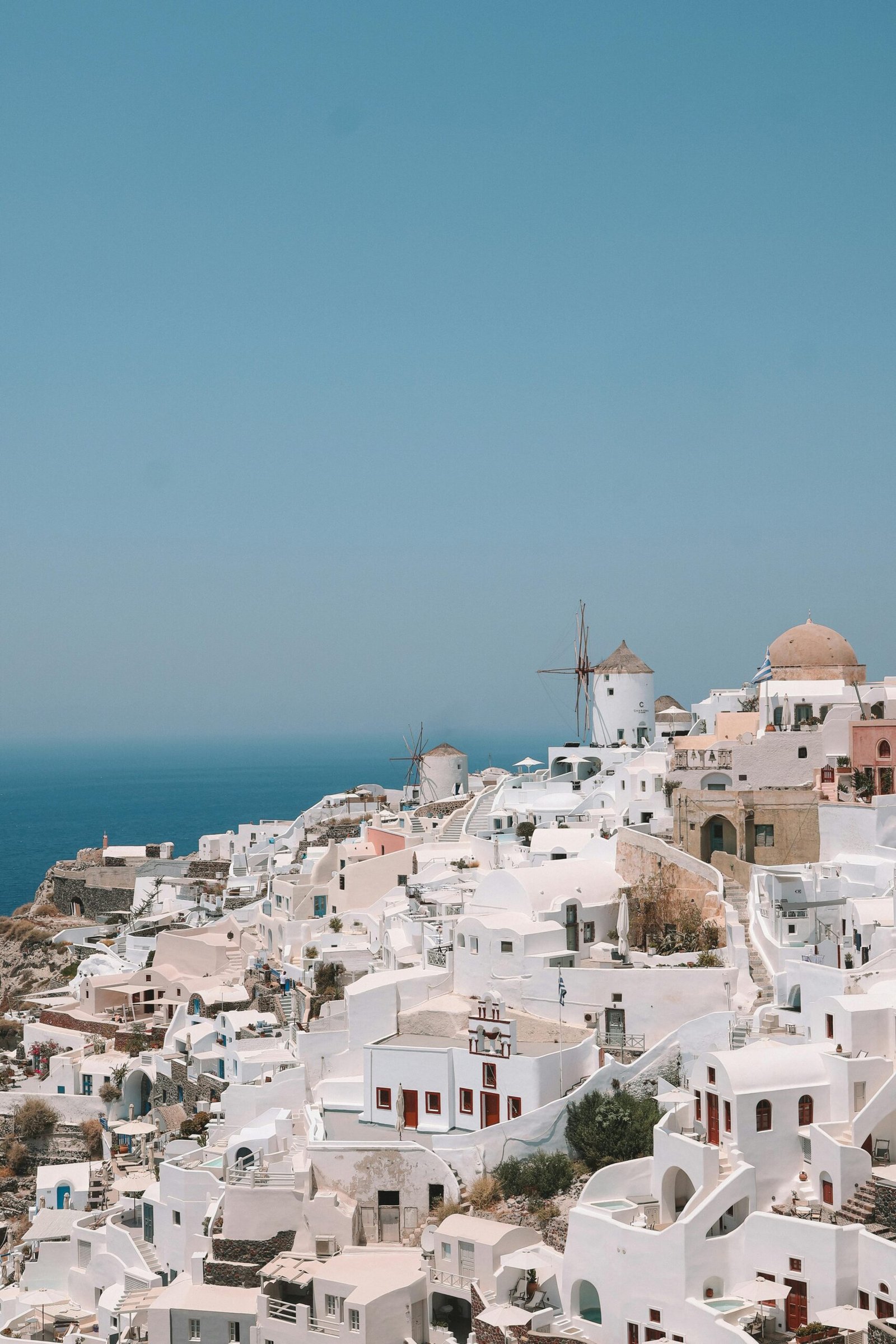
Why Most First-Timers to Santorini Leave Slightly Disappointed starts with a simple mistake: people book the island they have already seen in their head, then arrive expecting the real place to match the image. That image is usually built from polished photos, honeymoon marketing, and a very selective version of the island.
The disappointment is rarely about Santorini being bad. It is about a mismatch between expectation and scale, especially in peak season, when the island feels more managed, crowded, and expensive than most first-timers have prepared for.
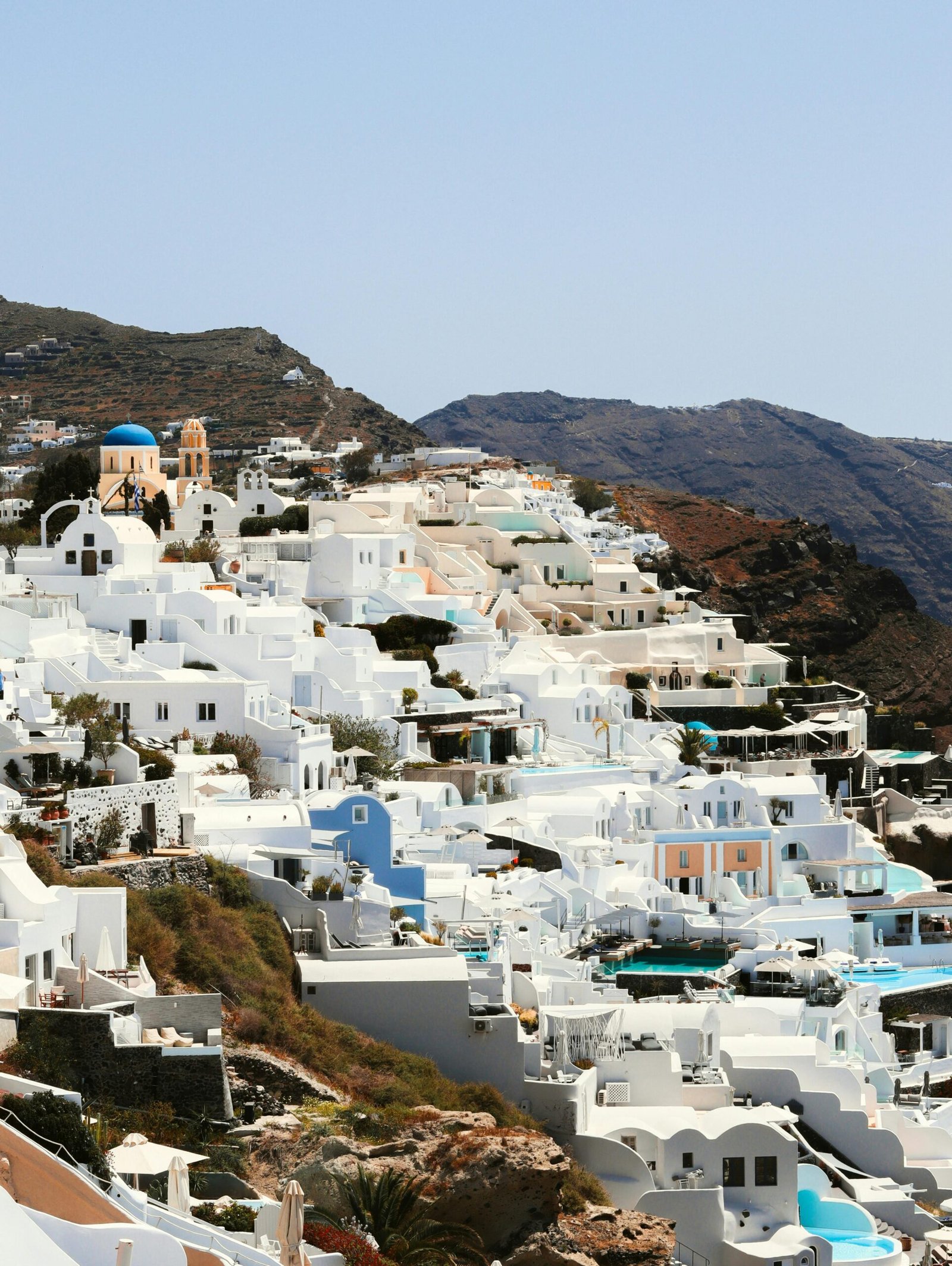
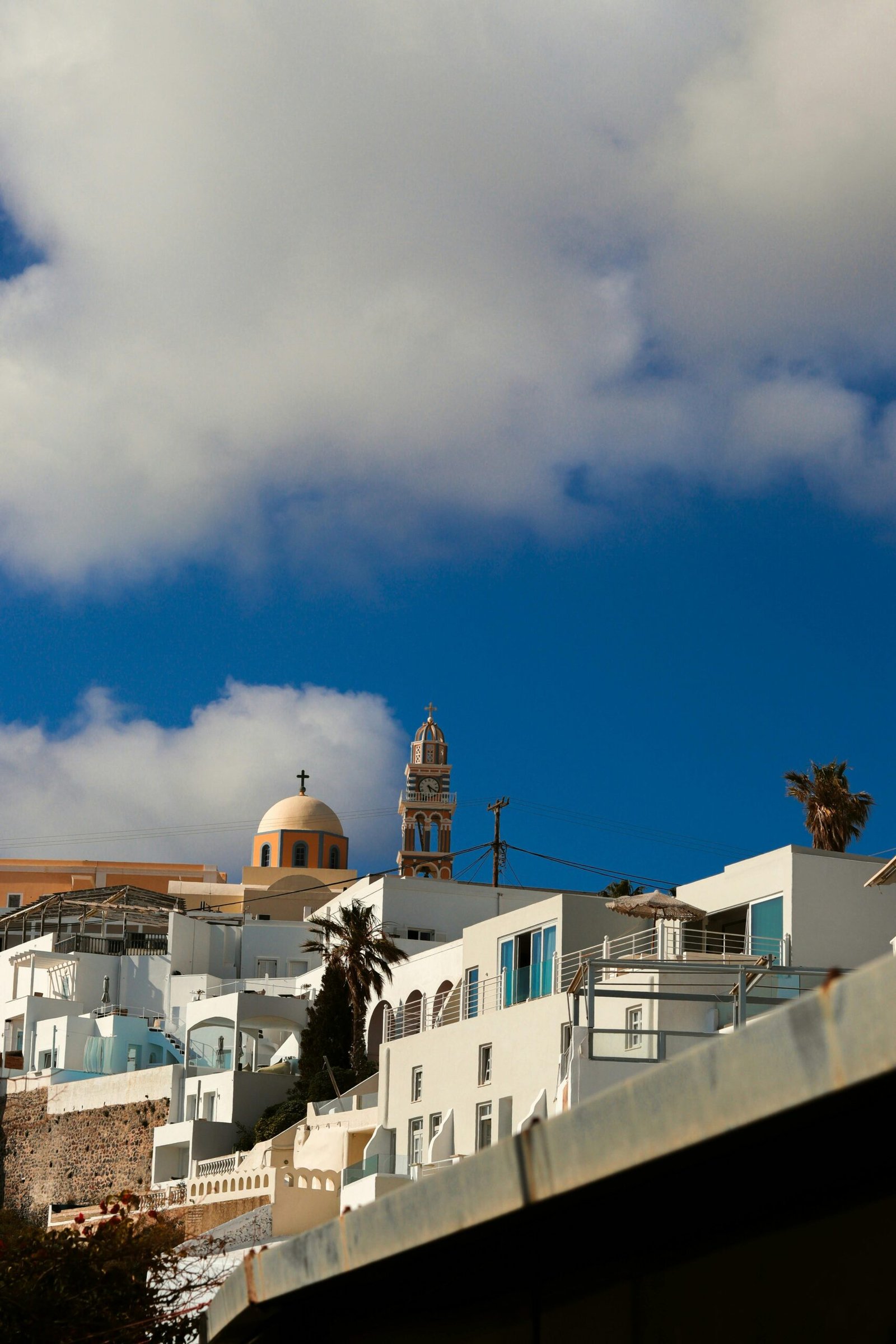
Why Most First-Timers to Santorini Leave Slightly Disappointed
The core problem is not that Santorini fails to deliver views. It does. The problem is that many travelers arrive expecting the island to feel intimate, effortless, and emotionally generous from the first minute, and that is not what peak-season Santorini is built to do.
Why Most First-Timers to Santorini Leave Slightly Disappointed is really a story about projection. People do not just choose a destination; they choose the version of themselves they hope to become there. In Santorini, that usually means imagining calm mornings, elegant dinners, and a sense of arrival that the island does not consistently provide in July and August.
The psychology behind Why Most First-Timers to Santorini Leave Slightly Disappointed
Most first-timers are not looking for an island. They are looking for confirmation that they made a good choice. Santorini is one of the easiest places in Greece to overvalue before you arrive because it has been photographed, filtered, and repeated so often that people start confusing familiarity with suitability.
There is also a status component that people rarely admit. Santorini signals a certain kind of trip: romantic, polished, expensive, and worth talking about later. That pressure makes travelers less likely to ask the useful question, which is not “Is Santorini beautiful?” but “Will this island actually suit the way I like to travel?”
That is where Why Most First-Timers to Santorini Leave Slightly Disappointed becomes predictable. The emotional decision happens first, then the practical evaluation comes too late. By the time travelers notice the crowds, the pricing, or the constant friction, they have already committed to a place that was never designed to feel quiet in high season.
What travelers expect versus what they actually get
Expectation: a refined, relaxed island with a dramatic setting and enough space to enjoy it. Reality: a very small island with a huge amount of demand concentrated in a few areas, which changes the entire mood of the place. The top layer of Santorini can feel polished, but the pressure underneath is real and visible.
Expectation: a romantic escape that feels exclusive. Reality: a destination where exclusivity is often sold more than it is experienced. Travelers who arrive wanting privacy are often surprised by how many other people are trying to have the same exact moment in the same exact place.
Expectation: a place that feels effortless because it is famous. Reality: a place where fame creates friction. The island is not difficult to understand, but it is easy to misread, and that misunderstanding is the engine behind Why Most First-Timers to Santorini Leave Slightly Disappointed.
The moment the disappointment usually hits
The disappointment usually does not arrive in one dramatic scene. It tends to show up when the traveler realizes the island is not giving them the emotional ease they expected. That moment often comes when the crowds, prices, and constant activity make it hard to feel like they are having a personal experience at all.
For many people, the first real letdown is not the view. It is the feeling that they are sharing a highly scripted version of Santorini with everyone else. That is the moment the fantasy cracks, because the traveler wanted a place that felt special to them, not a place where every good angle is already well known.
Here is the counterintuitive part: some travelers are more disappointed because Santorini is objectively good at what it does. The island delivers the image so effectively that people assume the feeling will follow automatically. It often does not, and that gap is exactly why Why Most First-Timers to Santorini Leave Slightly Disappointed keeps repeating itself year after year.
The traveler types most prone to this pattern
Some travelers are much more likely to struggle here than others. The biggest mismatch comes from people who want serenity, value, and a sense of discovery, but book Santorini because they feel they are “supposed” to go. That is a bad reason to choose any destination, and Santorini exposes it fast.
- First-time Greece visitors who want one trip to do everything
- Couples chasing a honeymoon image more than a travel experience
- Travelers who dislike crowds but book peak season anyway
- People who equate famous with best
- Visitors who want a soft, easy island pace without paying attention to seasonality
These travelers are not wrong to want beauty or romance. They are wrong to assume those things will feel automatic in a place with this much demand. Why Most First-Timers to Santorini Leave Slightly Disappointed is often less about the island and more about the traveler’s unspoken expectation that a famous place should also be easy.
What people consistently underestimate
The first underestimation is scale. Santorini looks expansive in photos, but the parts most visitors actually use are limited and heavily concentrated. That creates a compressed experience, especially when everyone is trying to be in the same places at the same time.
The second underestimation is emotional fatigue. Peak-season travel in Santorini is not just expensive; it can be draining. The constant decision-making, the pressure to get the “right” view, and the sense that every moment should be memorable can make the trip feel more performative than restorative.
The third underestimation is how quickly the island’s image becomes a burden. When travelers have spent months imagining the trip, the real place has almost no chance of matching the internal version they built. That is a major reason Why Most First-Timers to Santorini Leave Slightly Disappointed is such a durable pattern.
How to approach Santorini differently
The fix is not to lower your standards. It is to stop expecting Santorini to behave like a private fantasy. If you want the island to work for you, choose it for what it actually is: a high-demand, high-visibility destination with a dramatic setting and a very specific rhythm.
That means being honest about your travel style before you book. If you want quiet, spontaneity, and the feeling that you are discovering something as you go, Santorini is a poor match in peak season. If you want iconic views and you can tolerate crowds, queues, and premium pricing, then you are much closer to the right mindset.
It also means planning around reality, not image. Greece rewards travelers who arrive with a plan, but only when that plan reflects how the destination actually functions. For broader context on Greek destinations and seasonal travel patterns, the official
Visit Greece site is a better starting point than social media feeds that flatten every place into the same glossy story.
What a better Santorini decision looks like
A better decision starts with a cleaner question: do you want Santorini, or do you want the idea of Santorini? Those are not the same thing. Once travelers separate the two, they usually make a better call on timing, expectations, and whether the island should be the centerpiece of the trip at all.
For some, the right move is to treat Santorini as one part of a larger Greece trip, not the emotional climax of the whole journey. For others, the right move is to skip it entirely and choose a place that fits their temperament better. That is not a downgrade. It is a more accurate trip.
If you are still deciding, use the same honesty you would use with any major purchase. Ask what you are actually trying to feel, not just what you want to say you visited. If you want to understand the cultural side of Greece beyond the island image, the Hellenic Ministry of Culture is a useful reminder that Greece is much larger than its most photographed destinations.
Recognizing the pattern is the first step. The second is building a trip around how you actually travel — not the traveler you imagine yourself to be. Most great Greece experiences start with that honesty.
Frequently asked questions
Why do so many first-time visitors feel underwhelmed by Santorini?
Because they arrive with a pre-built image of the island, then discover a real place shaped by crowds, seasonality, and high demand. The gap between expectation and reality is usually the problem, not the destination itself.
Is Santorini a bad choice for first-time Greece travelers?
Not automatically. It is a strong choice for travelers who want iconic views and can accept premium pricing and crowds. It is a poor choice for people who want quiet, flexibility, or a low-pressure island experience.
What is the biggest mistake people make when planning Santorini?
They choose it for the image rather than the fit. That usually leads to disappointment when the island does not feel as private, relaxed, or effortless as they imagined.
Why does peak season make Santorini feel more disappointing?
Peak season concentrates too many visitors into too little space. The island becomes more crowded, more expensive, and more performative, which makes it harder to feel personal or calm.
Who is most likely to enjoy Santorini?
Travelers who are comfortable with crowds, willing to pay for the setting, and focused on the visual and romantic side of the experience usually do well there. People who value quiet and discovery often do better elsewhere.
Should I skip Santorini entirely if I am worried about disappointment?
Not necessarily. If Santorini is important to you, the better move is to be honest about what you want from it and whether the timing fits. If your real priority is ease and space, another Greek destination may serve you better.