

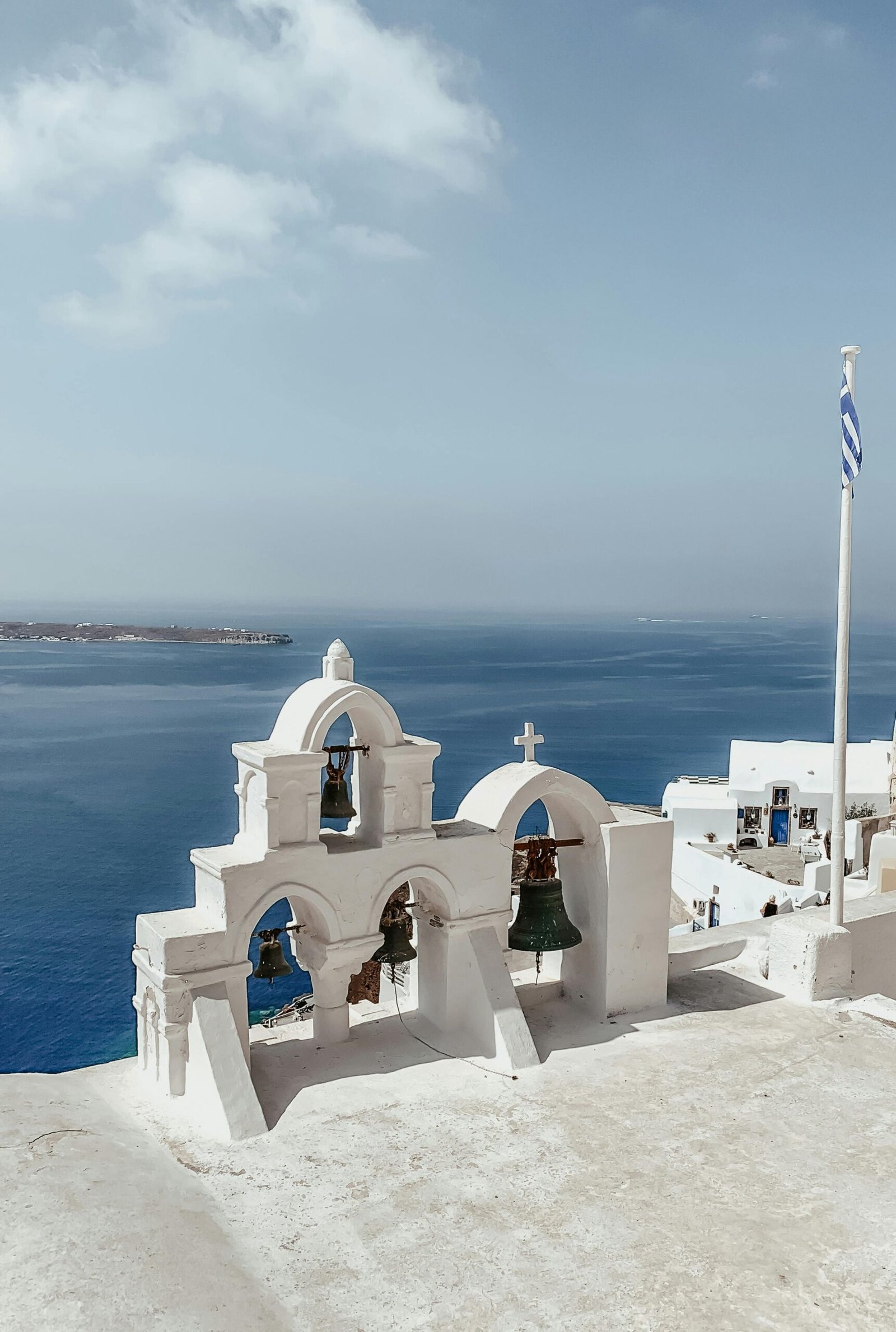
Why Most First-Timers to Santorini Leave Slightly Disappointed starts with a simple mistake: people arrive expecting the island to behave like its photographs. They are not wrong to be drawn in by the image, but they are usually unprepared for the pressure, pricing, and crowd dynamics that come with visiting one of Greece’s most heavily mythologized places.
The disappointment is rarely about Santorini being bad. It is usually about the gap between the emotional promise people buy into and the actual experience of being there in peak season, when the island is busy, expensive, and less forgiving than most first-timers expect.
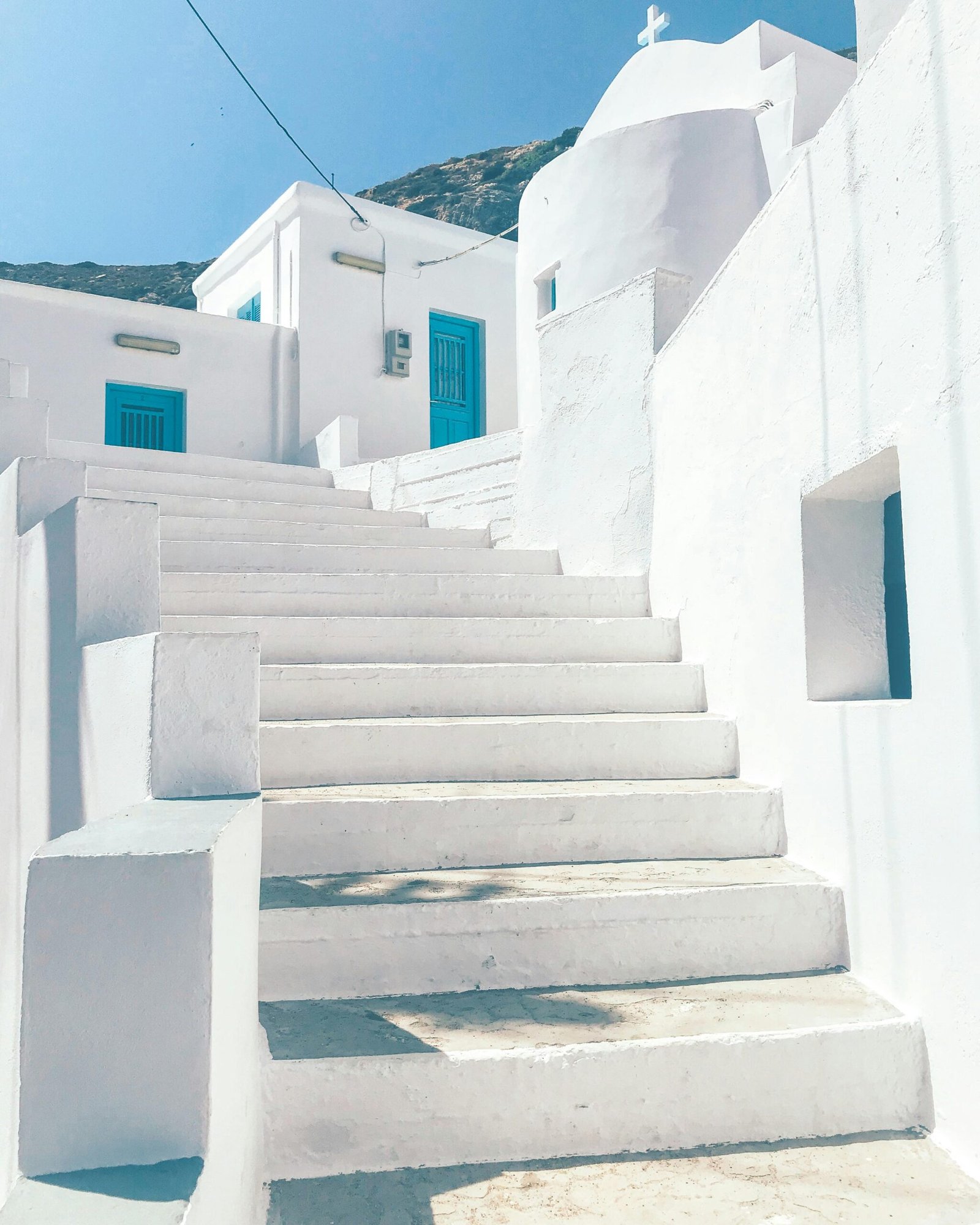
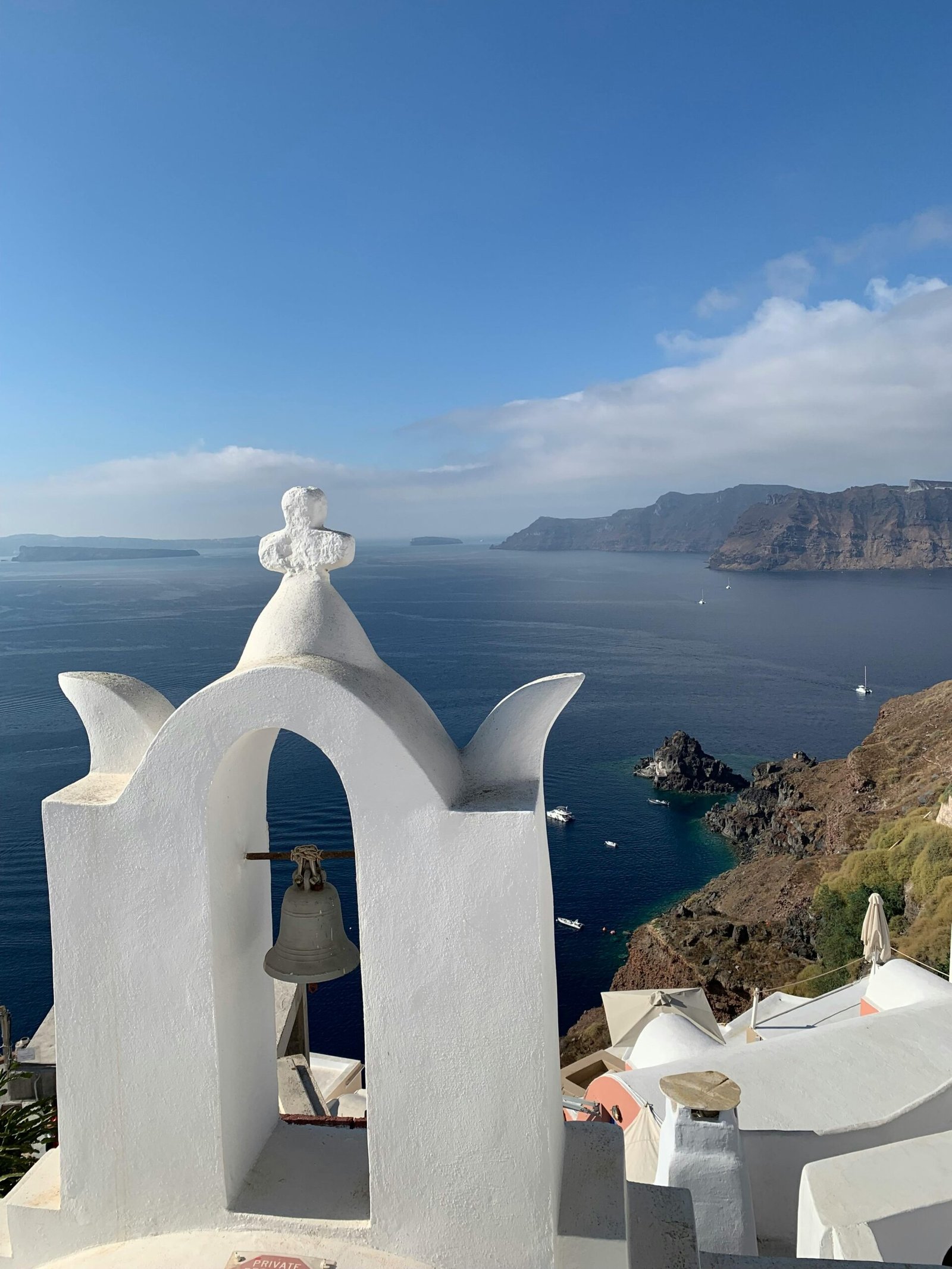
Why Most First-Timers to Santorini Leave Slightly Disappointed
Why Most First-Timers to Santorini Leave Slightly Disappointed is not a mystery to anyone who has watched the island absorb peak-season demand year after year. The pattern is consistent: travelers build a mental version of Santorini from photos, proposals, and social media, then arrive and discover an island that is managing volume, not curating their mood. That mismatch is where the letdown begins.
The image is the product, and most first-timers buy the image
Santorini is one of the few Greek destinations where the marketing is stronger than the first-hand experience for many visitors. People are not choosing a place so much as choosing a feeling: romance, exclusivity, and a sense that this trip will be the one that finally looks the way travel is supposed to look. That is a powerful emotional purchase, and it explains a lot of the bad planning that follows.
The problem is that the island’s reputation flattens reality. First-timers often assume the entire experience will feel refined and effortless, when in fact peak season can feel crowded, overheated, and oddly transactional. Why Most First-Timers to Santorini Leave Slightly Disappointed is often because they expected a fantasy to stay intact under real-world pressure.
Why Most First-Timers to Santorini Leave Slightly Disappointed in peak season
Peak season changes the emotional texture of the island. The same view that looks serene in a photograph can feel competitive in person, with people jockeying for the same angles, the same tables, and the same sunset moment. That does not ruin Santorini, but it does strip away the illusion that you have discovered something private.
Here is the counterintuitive part: many visitors are not disappointed by too little beauty. They are disappointed by too much expectation. When a place is treated like a once-in-a-lifetime event before the traveler even arrives, ordinary inconveniences start feeling like betrayal. A crowded terrace, a long wait for a simple meal, or a room that is merely good instead of exceptional suddenly feels like failure.
People also underestimate how much peak-season Santorini asks of the traveler emotionally. You are paying premium rates while sharing the island with everyone else who had the same idea, and that creates a low-grade irritation that most people do not admit in advance. If you want a broader sense of how Greece presents itself versus how it actually functions on the ground, the official national tourism site at
Visit Greece is useful as a baseline, but it will not tell you where first-timers tend to misread the experience.
The specific moment disappointment usually hits
It usually hits when the traveler realizes the island is not going to deliver a private, cinematic version of itself on demand. For some people, that moment comes at sunset, when the famous view is shared with a crowd and the atmosphere feels more managed than romantic. For others, it arrives when they notice how much of the stay is being shaped by logistics, queues, and the cost of simply existing in a high-demand destination.
That is the emotional break point: the traveler stops feeling like a guest and starts feeling like a consumer who is overpaying for access. Once that shift happens, every small friction point gets magnified. Why Most First-Timers to Santorini Leave Slightly Disappointed is really about that exact psychological snap from anticipation to accounting.
The assumptions that create the problem before the trip even starts
First-timers usually make three assumptions that cause the trouble. They assume Santorini will be calm because it is beautiful. They assume expensive means elevated in every respect. And they assume the most photographed parts of the island are the parts that will feel best to spend time in.
Those assumptions are understandable, but they are bad planning inputs. A beautiful place can still be congested. A high price point can reflect demand rather than quality. And the most iconic parts of Santorini are often the least comfortable if you value space, ease, or a sense of local rhythm. This is where Greece rewards travelers who arrive with a plan, but only if that plan starts with honest expectations rather than wishful thinking.
Who is most likely to feel let down
Some traveler types are simply more vulnerable to this disappointment pattern. They are not wrong to want what they want, but Santorini is a poor match for certain emotional expectations. The issue is not taste; it is fit.
- Couples chasing a proposal-style fantasy and expecting the whole island to feel intimate.
- First-time Greece visitors who want one destination to represent the entire country.
- Luxury travelers who equate high prices with quiet, seamless service.
- Social-media-led travelers who care more about the image than the day-to-day experience.
- People who dislike crowds but choose Santorini because they think prestige will override congestion.
The common thread is not snobbery or naivety. It is emotional overinvestment. These travelers are often trying to make Santorini do too much: symbolize romance, validate the budget, and deliver a flawless story all at once. That is a heavy job for any island.
What first-timers actually experience once they are there
The real Santorini experience in peak season is more mixed than the image suggests. You still get the caldera views, the strong sense of place, and the drama of the landscape, but you also get compression: crowded viewpoints, expensive meals that do not always justify the bill, and a general feeling that the island is working hard to process its own popularity. That combination can be exciting, but it is rarely effortless.
Many first-timers also underestimate how quickly novelty gives way to routine. After the first day or two, the island stops feeling like a special event and starts feeling like a place where you need to manage your expectations constantly. That is not a flaw in the destination. It is the reality of visiting a globally famous place at the exact time everyone else wants to be there.
If you want a sense of the broader cultural context behind Greek destinations, not just the resort layer, the Ministry of Culture’s official site at culture.gov.gr/en/ is a useful reminder that Greece is not a backdrop. Santorini is one piece of a much larger country with deeper history, stronger regional differences, and far less uniformity than first-timers expect.
The better way to think about Santorini before you book
Start by dropping the idea that Santorini should be the emotional climax of a Greece trip. It is a famous island with real strengths, but it is not the best choice for every first-time visitor, and it is definitely not the best place to go if your main goal is calm, value, or a sense of discovery. That is the clear position: Santorini is often overselected by people who have not asked what kind of experience they actually want.
A better approach is to treat the island as one experience among many, not the standard by which Greece should be judged. If you want beauty with less pressure, choose a different frame. If you still want Santorini, go in with the understanding that the island’s appeal is partly visual, partly symbolic, and partly dependent on accepting the crowds as part of the deal. That mindset changes the trip from a test of the island into an accurate reading of it.
Conclusion
Why Most First-Timers to Santorini Leave Slightly Disappointed is ultimately a lesson in expectation management, not destination failure. The travelers who enjoy it most are usually the ones who stop asking the island to match a fantasy and start judging it on its real terms: crowded, expensive, visually powerful, and still worth visiting for the right kind of trip. If you are honest about what you want, you are much less likely to be let down.
Greece doesn’t punish inexperience. It punishes unexamined assumptions. The travelers who leave disappointed rarely lacked information — they lacked a framework for using it.
Frequently asked questions
Why do so many first-time visitors feel underwhelmed by Santorini?
Because they arrive expecting a private, effortless version of the island that does not exist in peak season. The disappointment is usually a mismatch between the image they bought and the crowded, expensive reality they meet.
Is Santorini actually overrated?
For some travelers, yes. If your priorities are quiet, value, or authenticity over spectacle, Santorini can feel overhyped. If you want iconic views and can tolerate crowds, it still delivers on its core promise.
What is the biggest mistake first-timers make with Santorini?
They treat it like the default first choice for Greece. That usually leads to overexpectation, overspending, and disappointment when the island behaves like a high-demand destination instead of a private retreat.
Why does peak season make such a difference?
Peak season amplifies every friction point: crowds, prices, noise, and competition for the same experiences. The island does not change identity, but the visitor experience becomes much less relaxed.
Who is Santorini best suited for?
Travelers who are comfortable paying for scenery, can tolerate crowds, and do not need every part of the trip to feel intimate or low-key. It works best for people who understand that the island is as much about atmosphere and symbolism as comfort.
How should first-timers think about Santorini differently?
As one specific kind of Greek island experience, not the benchmark for all of Greece. That shift in thinking prevents the most common disappointment: expecting the island to deliver a fantasy rather than a real place.