

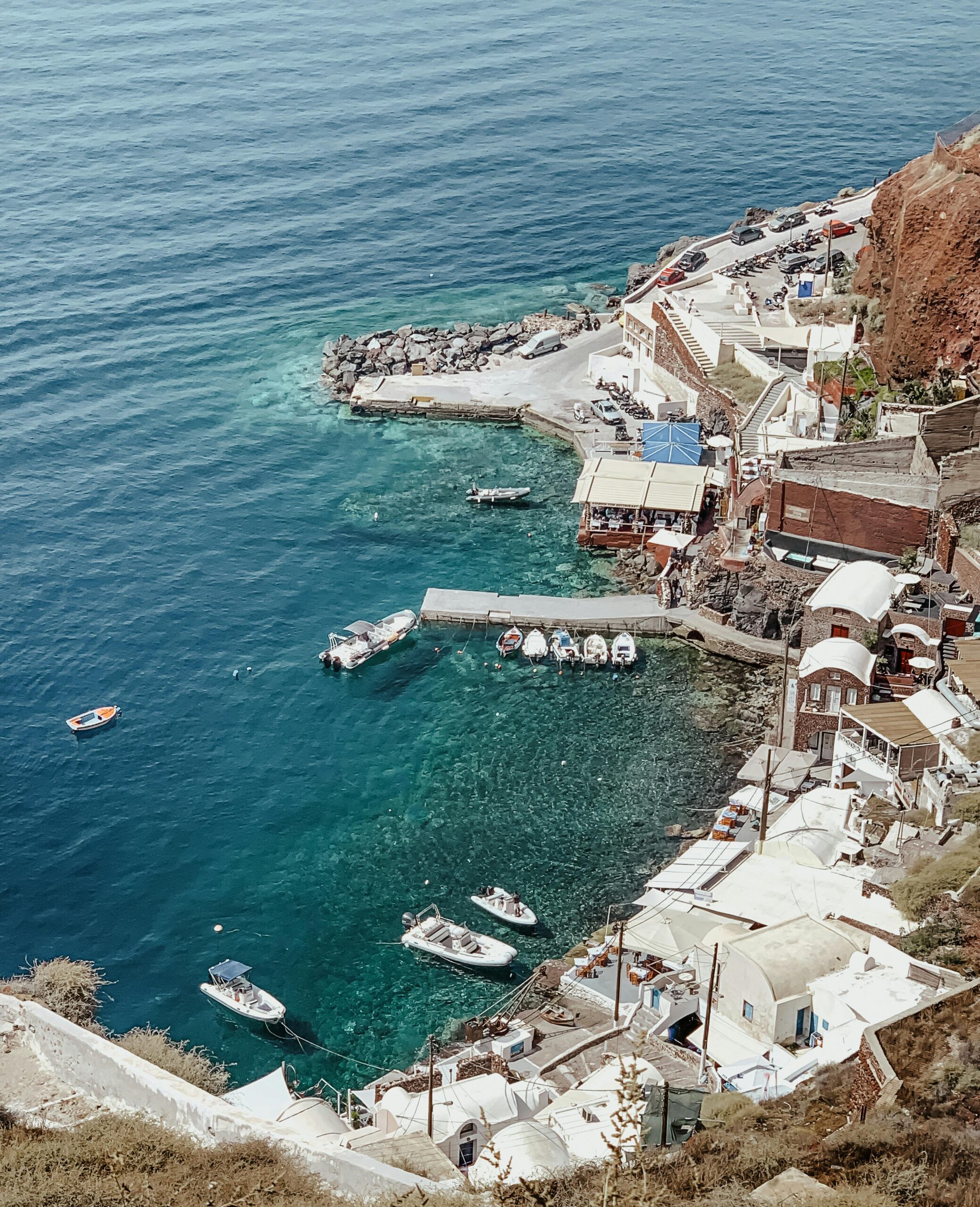
Why Most First-Timers to Santorini Leave Slightly Disappointed usually comes down to one simple psychological mistake: people arrive expecting an image, not a place with limits. They have already seen the caldera view a hundred times online, so their mind fills in the rest with silence, space, and ease. Santorini is none of those things in peak season.
The disappointment is rarely about the island being bad. It is about the gap between the fantasy that got built during months of planning and the reality of sharing a very small, very famous place with too many other people who had the same idea. That gap is where the letdown starts.
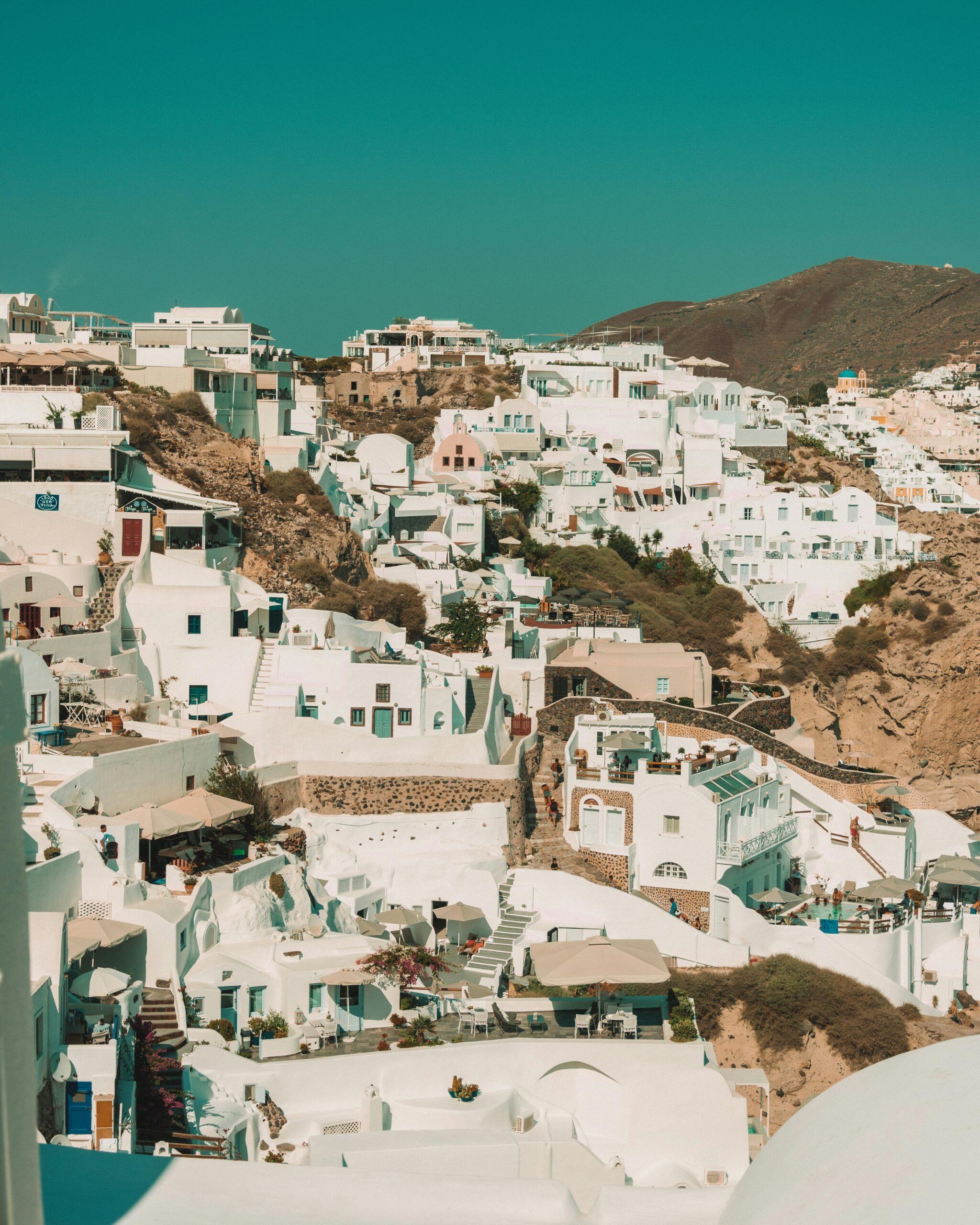
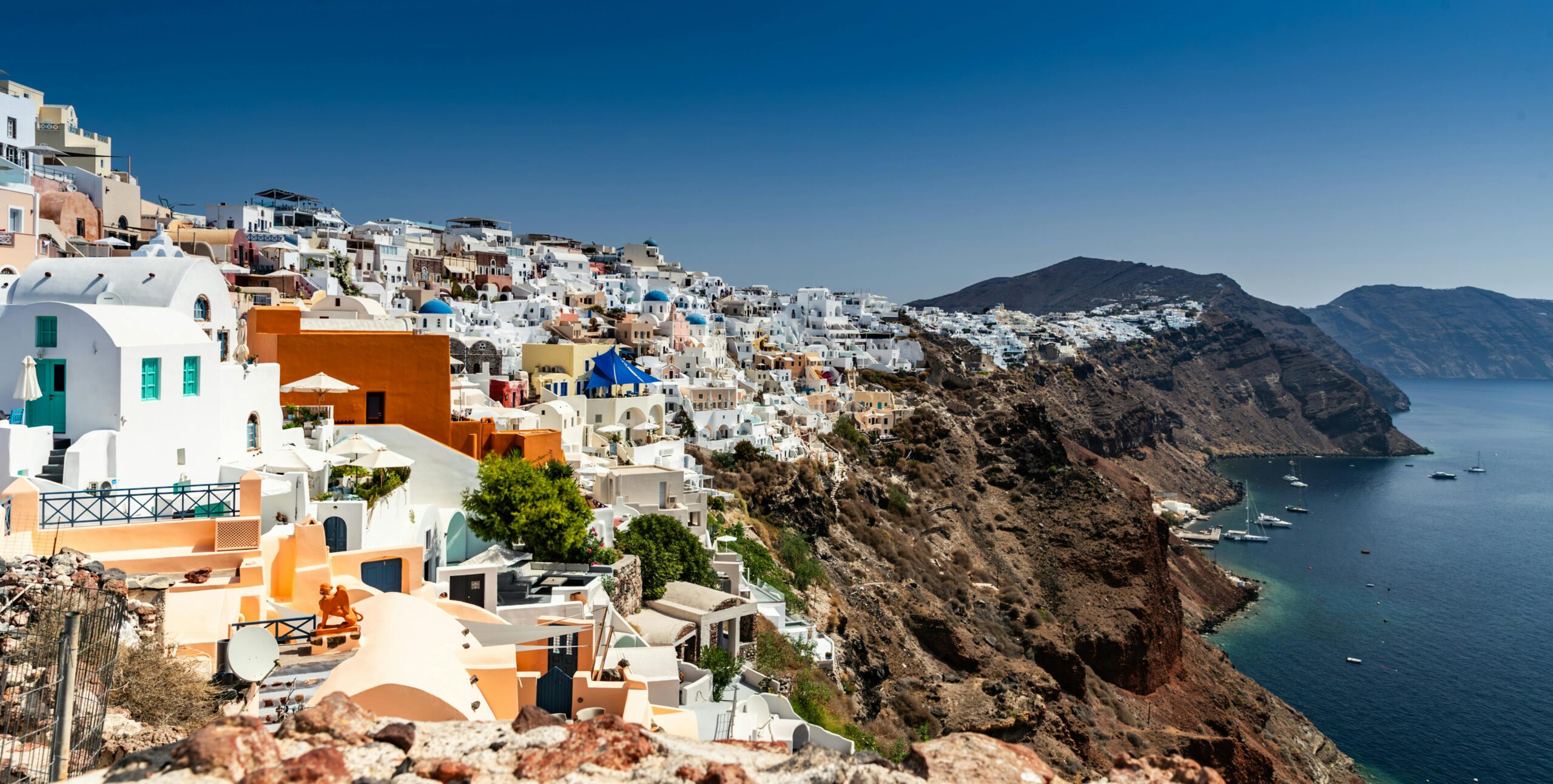
Why Most First-Timers to Santorini Leave Slightly Disappointed
The first mistake is not choosing Santorini. The first mistake is treating Santorini like a universal Greece experience, when it is really a highly specific one: expensive, compressed, and heavily performance-driven in peak season. Why Most First-Timers to Santorini Leave Slightly Disappointed is not a mystery to anyone who has watched the same pattern repeat for years.
People do this because Santorini is sold as a shortcut to certainty. You do not have to know much about Greece to recognize the caldera, the blue domes, or the sunset shots. That familiarity feels safe, especially for a first trip, and safety is a powerful driver when travelers feel overwhelmed by choice.
The emotional promise behind Why Most First-Timers to Santorini Leave Slightly Disappointed
Most first-timers are not just buying a destination. They are buying reassurance that they chose correctly. Santorini looks like proof that you made a sophisticated decision, which matters more to many travelers than they admit.
That is why the disappointment lands so personally. When the island feels crowded, overpriced, or slightly artificial, travelers do not just feel inconvenienced. They feel as if the trip failed to validate the story they were telling themselves about what a “good” Greece trip should look like.
There is also a status element here that people rarely name. Santorini is one of the few places where travelers can feel they have “done Greece” without having to understand much about Greece at all. That makes it attractive, but it also makes the letdown sharper when the experience does not match the image.
What travelers expect versus what they actually get
Expectations are usually clean and cinematic: open views, easy romance, long meals, and a sense that every corner is designed for their comfort. In reality, peak-season Santorini often feels managed, crowded, and expensive in ways that make people more aware of other visitors than of the place itself.
That is the emotional gap. Travelers expect absorption; they get self-consciousness. They expect a relaxed Greek island rhythm; they get a destination that has been optimized for demand, and not always for comfort.
One counterintuitive truth: the more famous the view, the less likely people are to feel present in it. They spend so much energy trying to confirm that the moment is worth it that they do not actually enjoy the moment. This is why Why Most First-Timers to Santorini Leave Slightly Disappointed is often less about the island and more about the pressure to have a perfect reaction.
The moment the disappointment usually hits
It usually hits when the traveler realizes the island is not giving them privacy. That can happen at a viewpoint, at dinner, or simply while trying to move around the caldera edge and discovering that everyone else is also trying to have the same experience at the same time.
The second common trigger is the first bill. Santorini is not subtle about its pricing, and first-timers often underestimate how much that changes the emotional tone of the trip. Once people start calculating value constantly, the romance of the setting starts to erode.
This is where the wrong assumption becomes a real problem: travelers expected ease, but the destination asks for patience, flexibility, and a tolerance for friction. If you are already tired, crowded conditions feel twice as bad. If you are already overspent, every small inconvenience feels amplified.
The travelers most prone to this pattern
There are certain types who are especially vulnerable to the Santorini mismatch. They are not naive; they are simply more likely to project meaning onto a place that has been heavily photographed and heavily marketed.
- Couples planning a milestone trip and expecting the island itself to create the mood.
- First-time Greece visitors who want one destination to “cover” the country.
- Travelers who make decisions from social media saves rather than from actual travel conditions.
- People who dislike crowds but still choose the most famous place in peak season because they assume it will be worth it.
These travelers are often disappointed not because they made a bad choice in absolute terms, but because they chose Santorini for emotional reasons and then judged it with practical standards. That mismatch is exactly where frustration grows.
Why peak season makes the problem worse
Peak season does not just add more people. It changes the entire emotional texture of the island. The same view that feels expansive in a quieter month can feel boxed in when every terrace, pathway, and dining room is full.
People underestimate how quickly crowd density changes their own behavior. They rush. They compare. They start optimizing every decision for the “best” photo or the “best” table, and that turns a leisure trip into a series of micro-decisions under pressure.
For first-timers, this is especially damaging because they do not yet have a reference point for Greek islands beyond the postcard version. If you want a broader sense of the country beyond Santorini’s brand, start with the official national context at
Visit Greece and then decide what kind of trip you actually want to have.
A clear position: Santorini is a difficult first island if you want ease
I am going to be direct: Santorini is not the best first Greek island for travelers who want calm, value, and a sense of discovery. It is one of the easiest islands to recognize and one of the hardest to experience without preloaded expectations.
That does not make it a mistake. It makes it a destination that demands a very specific mindset. If you go expecting a polished, high-demand, visually famous place, you will be fine. If you go expecting a relaxed island escape, you are setting yourself up for irritation.
First-time visitors also tend to underestimate how much their own mood shapes the trip. Santorini is not generous to indecision. If you are already anxious about crowds, costs, or missing out, the island tends to magnify those feelings rather than absorb them.
What a better approach looks like
The better question is not whether Santorini is “worth it.” The better question is what role you want it to play in the trip. If it is the one place you most want to see, then plan around its constraints instead of pretending they do not exist.
That means accepting that the island is strongest when you value atmosphere, views, and a certain level of polish over spontaneity and space. It also means understanding that Greece is broader than one famous island, and that a first trip often works better when Santorini is not forced to carry the whole emotional load. For a more complete sense of the country’s cultural depth, the Acropolis Museum is a useful reminder that Greece is not just a resort product.
Why Most First-Timers to Santorini Leave Slightly Disappointed becomes less true when travelers stop asking the island to be something it is not. The right frame is simple: go for the specific experience Santorini can actually deliver, not the fantasy version you have been carrying around for months.
Conclusion
Greece doesn’t punish inexperience. It punishes unexamined assumptions. The travelers who leave disappointed rarely lacked information — they lacked a framework for using it.
Frequently asked questions
Why do first-time visitors feel let down by Santorini?
Because they arrive expecting a calm, spacious, romantic island experience and find a famous, compact destination under heavy seasonal pressure. The island is often judged against the image people built before they arrived, not against what it actually is.
Is Santorini overrated for first-time travelers?
For travelers who want ease, value, or a classic island rhythm, yes, it often is. For travelers who understand they are paying for a highly recognizable, high-demand experience, it can still make sense.
What is the biggest mistake people make when planning Santorini?
They assume the island will feel intimate and effortless because the photos look calm. In peak season, that assumption leads to frustration with crowds, pricing, and limited space.
Who is most likely to be disappointed in Santorini?
Couples expecting the island to create romance automatically, first-time Greece visitors trying to use one island as a shorthand for the whole country, and travelers who dislike crowds but still choose the most famous place in the busiest months.
Does Santorini work better outside peak season?
Yes, because the island’s biggest problem in summer is crowd pressure. When demand eases, the same views and settings are easier to appreciate without the constant feeling of being packed in.
Should I skip Santorini on my first trip to Greece?
Not necessarily. But if your main goal is relaxation, value, or a more varied first impression of Greece, Santorini should not be the only island you build the trip around.