

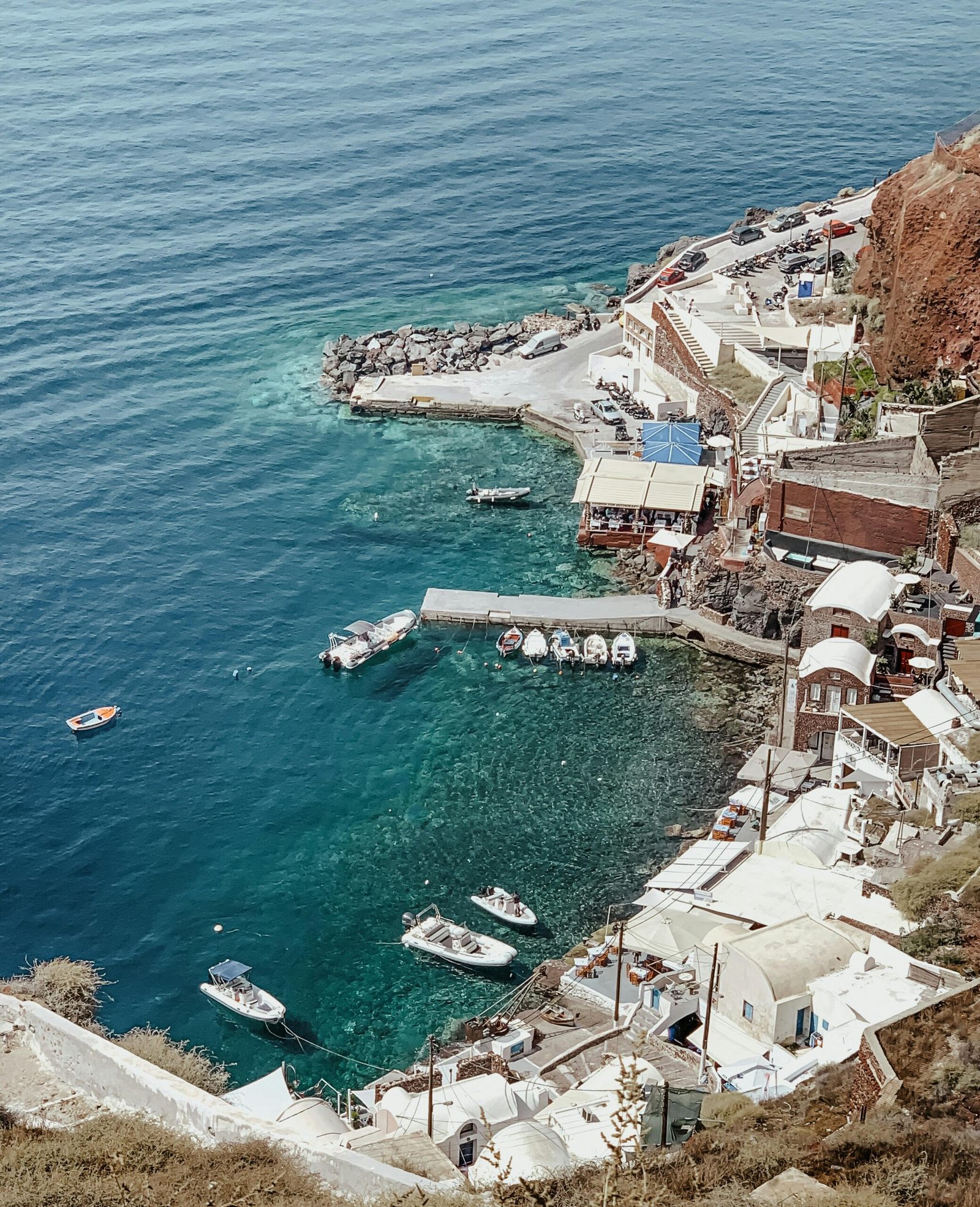
Why Most First-Timers to Santorini Leave Slightly Disappointed usually comes down to one thing: people arrive with a film version of the island in their head, then meet a very busy, very expensive place in peak season. The disappointment is not random. It usually starts with the assumption that Santorini will feel intimate, effortless, and visually perfect from the moment you arrive.
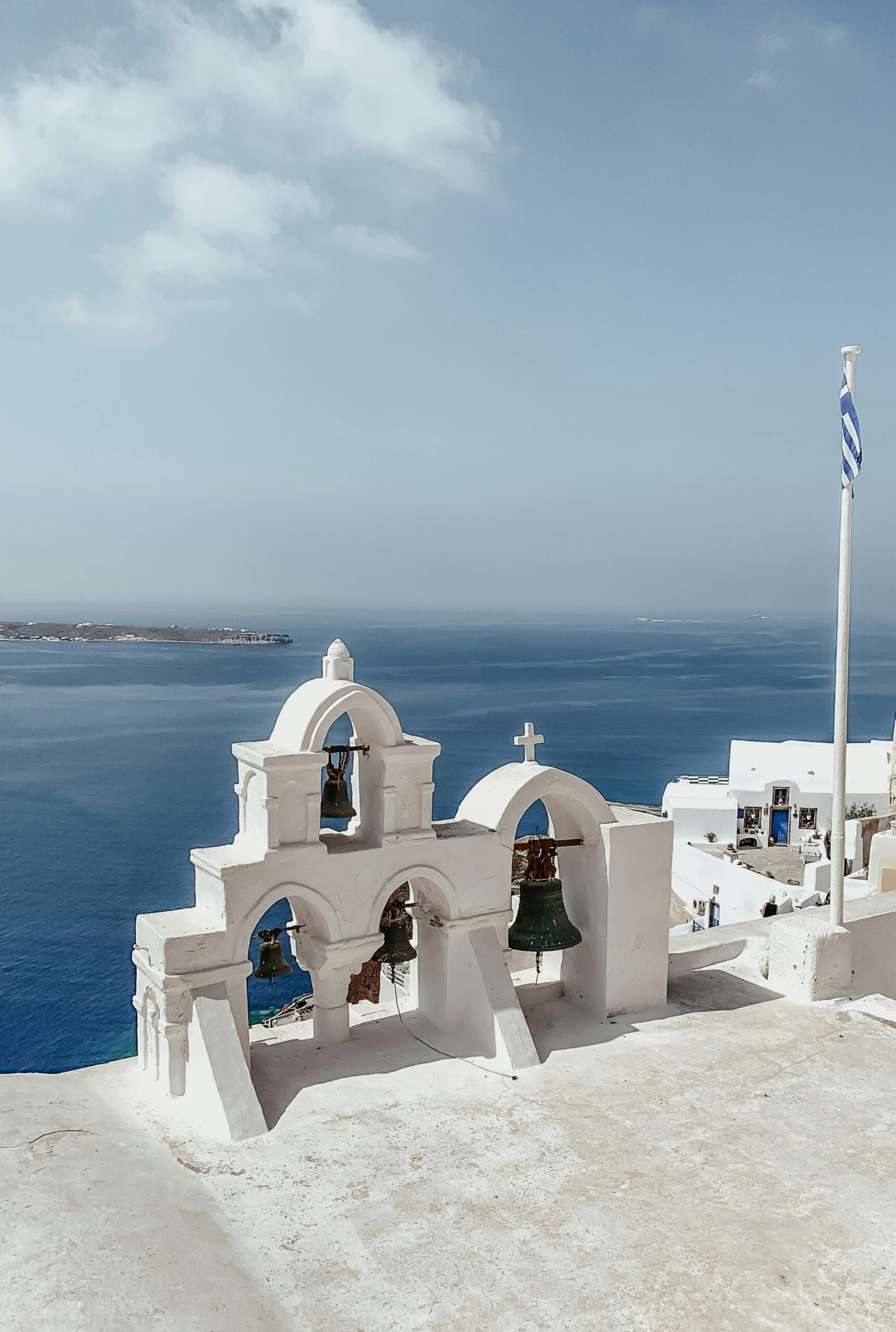
That assumption is understandable. Santorini is one of the most overexposed destinations in Greece, and most first-timers have seen the same angles, the same whitewashed terraces, the same blue domes, the same sunset shots. The problem is that a place built for photographs is not automatically a place that feels easy to visit.
Why Most First-Timers to Santorini Leave Slightly Disappointed
The pattern is simple: travelers confuse recognition with understanding. They have seen Santorini so many times online that they assume they already know what it feels like to be there, and that creates a very specific kind of letdown. Why Most First-Timers to Santorini Leave Slightly Disappointed is not really about the island failing them; it is about the image arriving before the experience.
People do this because Santorini is marketed as a certainty. It is the Greek island people book when they want a guaranteed “special” trip, and that makes them less flexible than they realize. They are not just choosing a destination; they are buying an expectation of ease, beauty, and emotional payoff. That is a dangerous combination in peak season.
The psychology behind Why Most First-Timers to Santorini Leave Slightly Disappointed
First-timers usually want Santorini to validate the effort they made to get there. They are often spending more than they planned, compressing their trip around a famous island, and expecting the payoff to feel immediate. When a destination carries that much symbolic weight, ordinary friction feels like a personal failure.
That is why the disappointment is often emotional before it is practical. A crowded viewpoint, a slow meal, or a hotel that looks smaller than expected can trigger the feeling that the island is “not worth it.” In reality, the traveler is reacting to the gap between the story they bought and the conditions they actually found.
Why Most First-Timers to Santorini Leave Slightly Disappointed also has a lot to do with control. Many travelers want a place that will deliver beauty on command, with minimal effort and no uncertainty. Santorini does not work that way in high season, and the people who struggle most are usually the ones who expected a polished, frictionless experience.
What travelers expect vs what they actually get
Most first-timers expect Santorini to feel exclusive, calm, and visually coherent from end to end. They picture a clean sequence of postcard views, relaxed dinners, and a sense that everything on the island is tuned to their arrival. That is not the reality in July, August, or even much of September.
What they actually get is a destination with intense demand, narrow margins for comfort, and a strong split between what is photographed and what is lived. The famous caldera views are real, but so are the crowds, the premium pricing, and the sense that many parts of the island are operating at full capacity. The island is not fake; the fantasy is just incomplete.
The surprising part is that many travelers do not mind the crowds as much as they mind the loss of emotional ownership. They expected Santorini to feel like “their” special trip, and instead it can feel like they are one of many people consuming the same experience at the same time. That is the real source of the flat feeling.
The exact moment disappointment usually hits
For most people, the disappointment does not arrive all at once. It usually hits in a small, ordinary moment: the first time a “simple” dinner becomes a long wait, the first time a viewpoint feels packed rather than peaceful, or the first time they realize the island’s famous look is harder to access than they imagined. That is when the fantasy loses its grip.
There is also a second moment that matters: when travelers realize they are spending a lot of money to manage basic comfort. Once a destination starts feeling like a series of small negotiations, the emotional tone changes fast. Santorini can still be worth it after that point, but it no longer feels effortless, and many first-timers were counting on effortless.
Why Most First-Timers to Santorini Leave Slightly Disappointed is often written in that first encounter with friction. The issue is not one dramatic failure. It is the accumulation of tiny mismatches between expectation and reality.
Who is most prone to this pattern
Couples on a once-in-a-lifetime trip are especially vulnerable. They often put a lot of emotional pressure on Santorini to deliver romance, and that pressure makes every inconvenience feel louder. If the trip is framed as a milestone, disappointment lands harder.
Travelers who are used to independent, low-friction Greece trips also struggle. They know other Greek islands can feel more relaxed, more local, and less staged, so Santorini’s intensity can feel like a downgrade rather than an upgrade. They are not wrong; they are just comparing it to a different kind of island experience.
- First-timers who book Santorini because “everyone says you have to go”
- Couples expecting privacy and calm in peak season
- Travelers who want one iconic stop and assume the island will do the rest
- People who make decisions from photos rather than from how they actually like to travel
There is also a group that rarely admits this out loud: travelers who want the social proof of having been there. They are less interested in the island itself than in being able to say they did Santorini correctly. That mindset is almost guaranteed to produce disappointment, because social proof is a weak substitute for a good fit.
Why peak season makes the gap worse
Peak season does not create Santorini’s image problem, but it amplifies it. The island becomes more expensive, more crowded, and less forgiving exactly when first-timers are most likely to be there. If you already expect a smooth experience, high season punishes that expectation quickly.
This is where many travelers misread the island. They assume the famous views mean the whole experience will feel polished. In reality, peak season often means you are paying more for less breathing room, and that changes how people interpret every part of the trip.
Why Most First-Timers to Santorini Leave Slightly Disappointed is really a peak-season story more than a Santorini story. The island can be impressive, but the timing determines whether that impression feels worth the cost. Travelers rarely underestimate the crowds themselves; they underestimate how much the crowds affect mood.
For a broader sense of how Greece presents itself versus how it actually travels,
Visit Greece is useful as a starting point, but it is still a promotional lens. That matters because Santorini is one of the places where promotional language and lived experience diverge the most.
The reframe that leads to a better trip
The better approach is not to ask whether Santorini is “worth it” in some abstract sense. The better question is whether you want a high-demand, high-cost, visually iconic island that asks you to accept crowding as part of the package. If that answer is yes, you can enjoy it more honestly.
That reframe changes the planning consequence immediately. You stop expecting the island to behave like a private reward and start treating it as a famous place with trade-offs. That mindset is calmer, and it produces fewer bad decisions about timing, budget, and emotional expectations.
Why Most First-Timers to Santorini Leave Slightly Disappointed becomes less true when travelers stop chasing the version they saw online. Santorini is not a mistake, but it is a poor choice for anyone who wants a relaxed, low-friction Greek island experience. If you want the island to work for you, you need to choose it for what it is, not for what it has been sold as.
For travelers who want to understand the broader cultural context of Greece before locking in a high-profile stop, the Hellenic Ministry of Culture is a more grounded reference point than most glossy travel content. The point is not to romanticize Santorini; it is to stop expecting a place built for demand to feel private.
Recognizing the pattern is the first step. The second is building a trip around how you actually travel — not the traveler you imagine yourself to be. Most great Greece experiences start with that honesty.
Frequently asked questions
Why do first-time visitors expect so much from Santorini?
Because Santorini is one of the most heavily photographed places in Greece, so people arrive with a finished image in their head. They expect the island to match the version they have already seen, which is a setup for disappointment in peak season.
Is Santorini actually disappointing, or are expectations just too high?
Usually the expectations are too high. Santorini is real, expensive, crowded, and beautiful in parts, but first-timers often expect it to feel easier and more private than it is.
What is the most common mistake first-timers make in Santorini?
They assume the famous views mean the whole experience will feel seamless. In reality, the island’s popularity creates friction in pricing, crowds, and overall atmosphere.
Who is most likely to feel let down by Santorini?
Travelers booking a once-in-a-lifetime romantic trip, people who want quiet and privacy in peak season, and anyone choosing Santorini mainly because it is famous.
Why does peak season make Santorini feel worse?
Because the island is already high-demand, and peak season pushes it into a much tighter, less forgiving version of itself. More people, higher prices, and less breathing room change the emotional tone of the trip.
Can Santorini still be worth visiting for a first-timer?
Yes, but only if you accept that it is a high-demand destination with clear trade-offs. The trip works better when you stop expecting it to feel effortless and start planning around what the island actually is.