

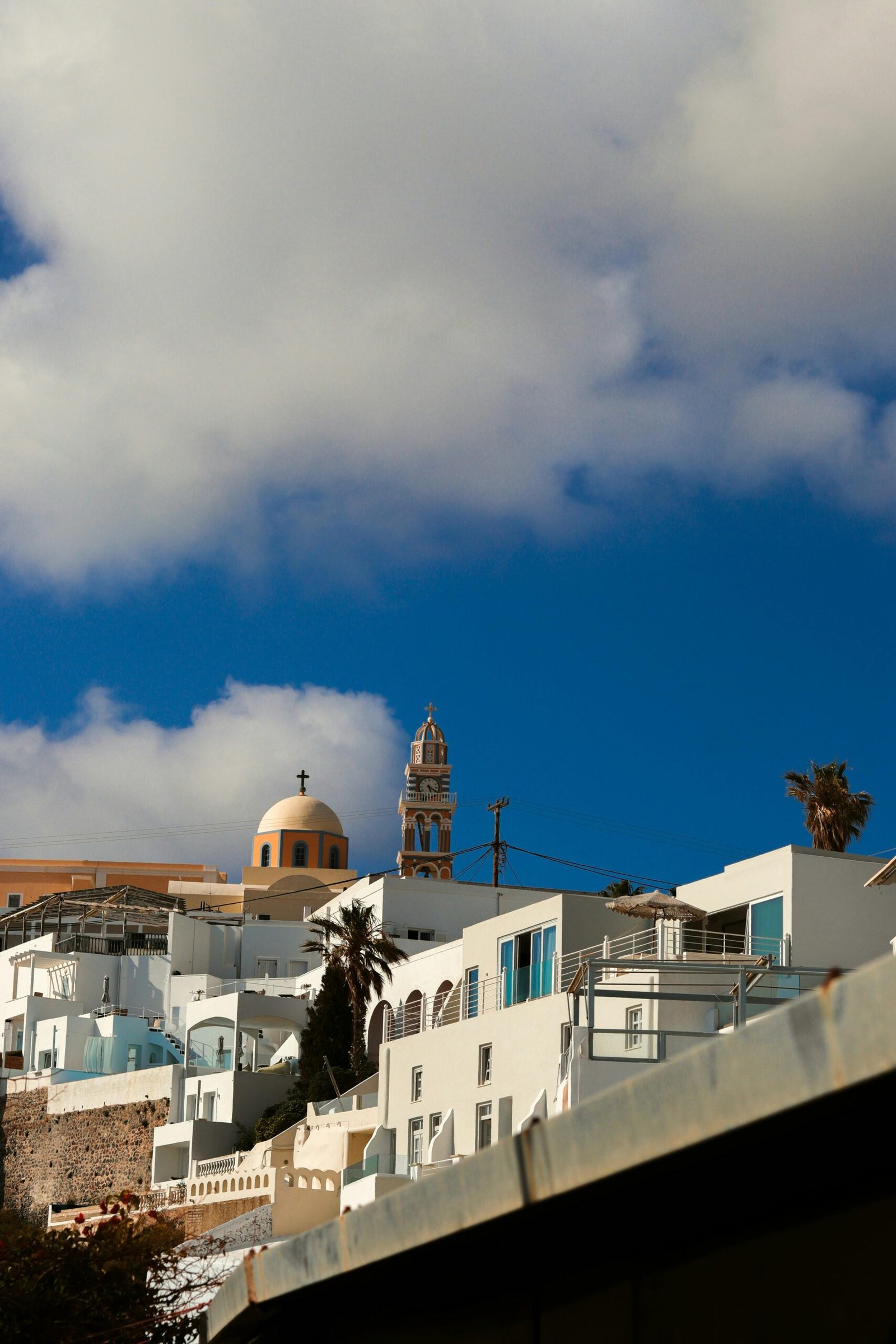
Why Most First-Timers to Santorini Leave Slightly Disappointed usually comes down to one simple psychological mistake: people visit the island to confirm an image they already have in their heads. They are not really asking what Santorini is like in peak season; they are asking whether the reality matches the postcard.
That gap matters. Santorini is not disappointing because it is bad, but because so many travelers arrive with a very specific emotional script already written, and the island rarely performs it on cue.
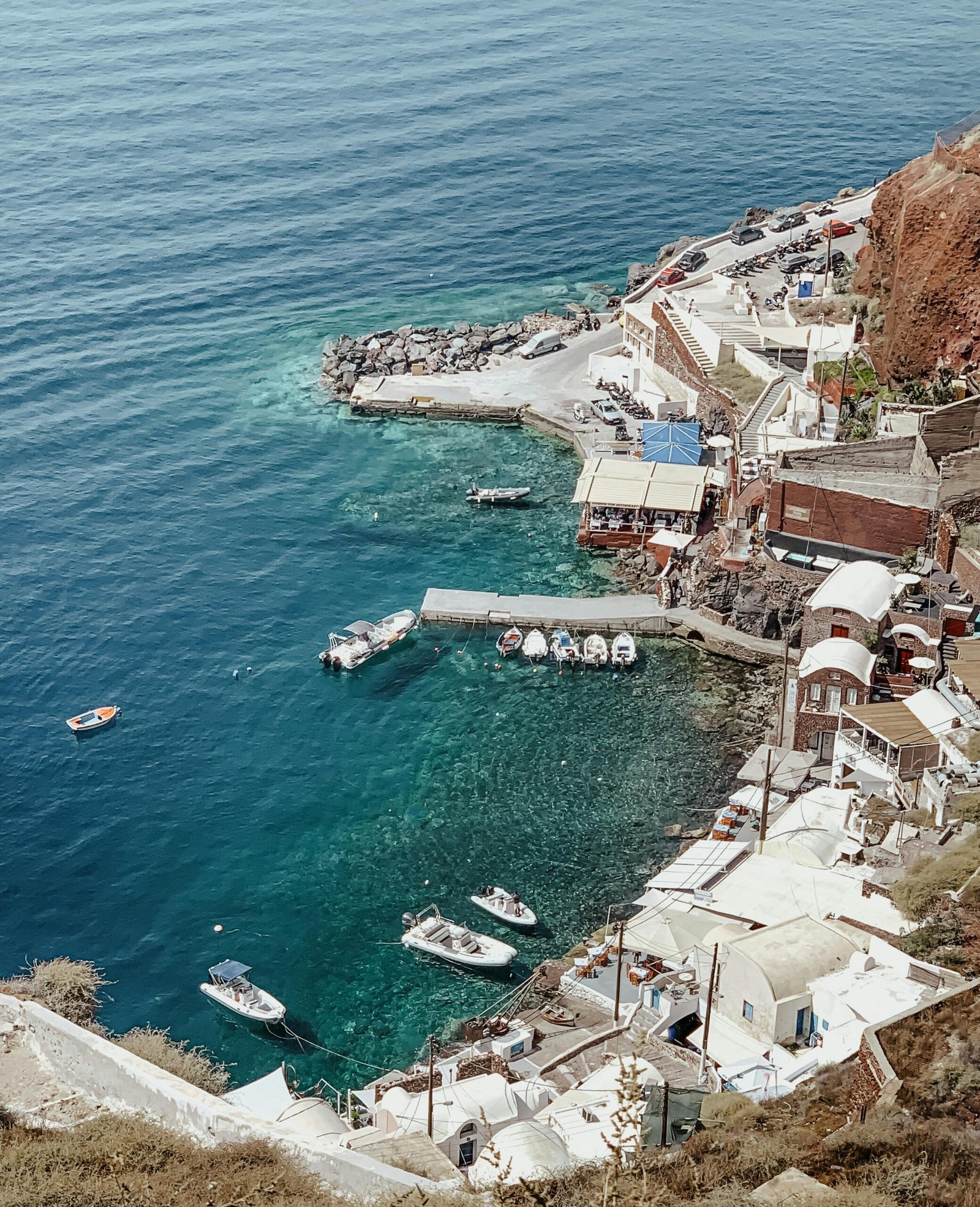
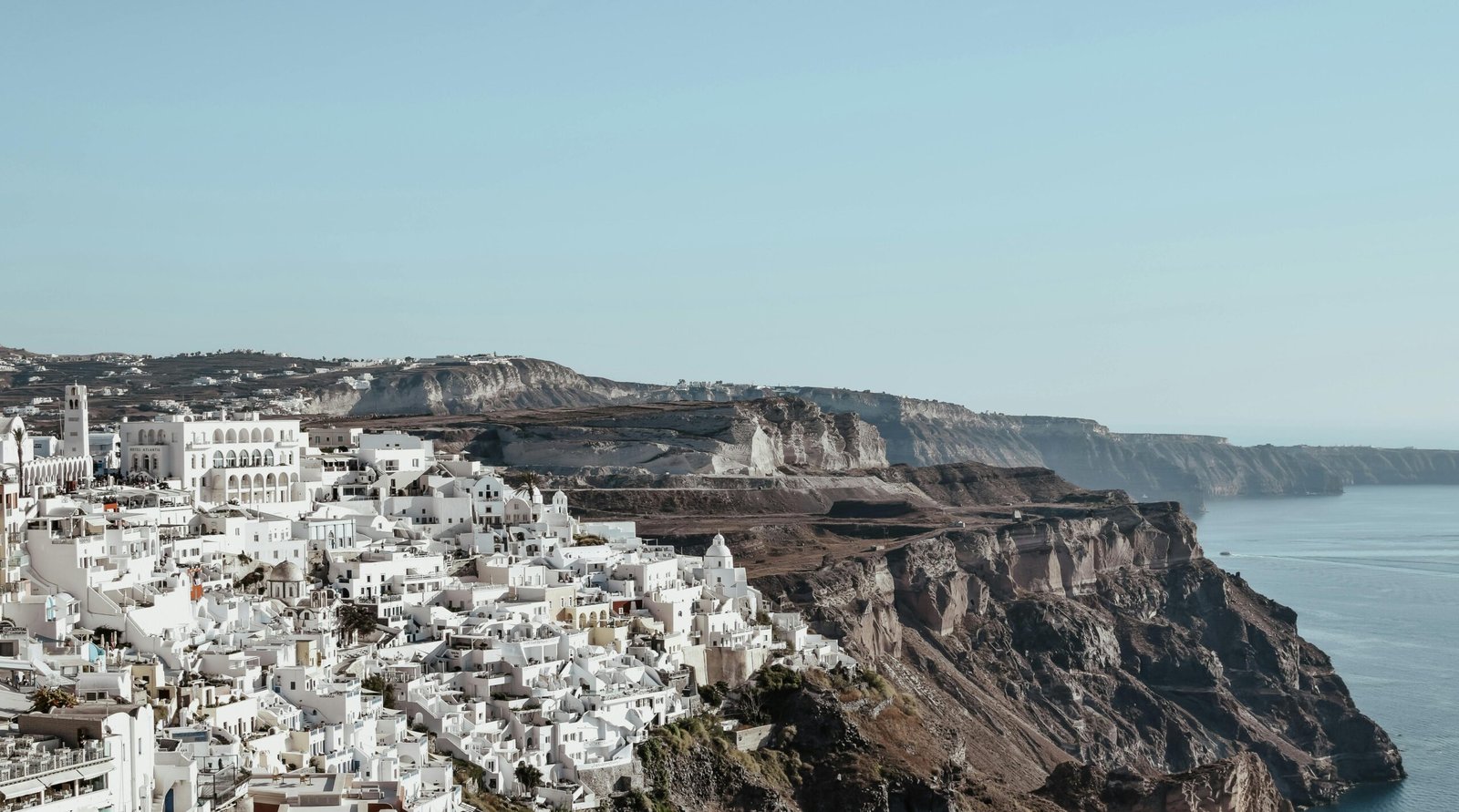
Why Most First-Timers to Santorini Leave Slightly Disappointed
The core problem is expectation management, but that phrase is too polite for what actually happens. Most first-timers arrive wanting Santorini to validate a fantasy of effortless romance, quiet views, and a sense of exclusivity that no longer exists in peak season. When the island feels crowded, expensive, and heavily managed, the emotional drop is immediate.
This is why Why Most First-Timers to Santorini Leave Slightly Disappointed is not really a question about the island. It is a question about why people trust imagery more than conditions. Santorini has become one of the clearest examples in Greece of a destination where the brand is stronger than the lived experience.
The image people buy is not the island they arrive on
Travelers do not choose Santorini only because it is famous. They choose it because fame feels safe. If millions of people want the same place, the logic goes, it must be worth the price, the crowds, and the compromise.
That is a rational-sounding decision that is actually emotional. People want to feel they made the “right” Greece choice, especially on a first trip, and Santorini offers instant social proof. The problem is that social proof does not reduce congestion, heat, queues, or the sense that every good viewpoint is already occupied.
Greece rewards travelers who arrive with a plan, but Santorini exposes the difference between a plan and a fantasy. A fantasy assumes the island will deliver atmosphere automatically. A real plan accepts that peak season changes the entire feel of the place.
Why Most First-Timers to Santorini Leave Slightly Disappointed in peak season
Peak season magnifies everything that already makes Santorini difficult for some travelers. The island is small, the demand is intense, and the most famous areas are not built for the volume of people who want to be there at the same time. That creates a daily emotional contradiction: you are in a place you have wanted for years, and yet you keep feeling like you are waiting your turn.
The disappointment usually starts when the traveler realizes that the island’s most recognizable views are shared experiences, not private moments. That is the moment the fantasy cracks. The issue is not that Santorini lacks beauty or quality; it is that many first-timers confuse visual impact with personal ease.
This is the part most people miss: the island can be objectively impressive and still feel emotionally thin. If you came expecting calm, intimacy, and a sense of discovery, peak-season Santorini can feel more like a performance venue than a destination.
The specific moment when disappointment usually hits
It rarely happens on arrival. The first few hours usually feel exciting because the island matches the picture in broad strokes. The real shift comes later, when the traveler realizes they are spending more energy navigating crowds and timing than actually enjoying the place.
That moment is often small and unglamorous: a viewpoint that is already packed, a dinner that feels overbooked and rushed, or a sunset that is less a private experience than a managed event. Once that happens, the traveler starts recalculating value. They begin asking whether they are paying premium prices for a premium experience, or just for access to the same view everyone else wants.
That is the emotional trap. The trip stops feeling restorative and starts feeling performative. For many first-timers, that is when Why Most First-Timers to Santorini Leave Slightly Disappointed becomes personal rather than theoretical.
The traveler types most prone to this pattern
Some travelers are simply more vulnerable to Santorini disappointment than others. The biggest risk group is the first-time Greece visitor who wants one trip to do everything: romance, iconic scenery, easy logistics, and a feeling of having “done” the country properly. Santorini is a poor choice for that kind of emotional compression.
Another high-risk group is the couple planning a milestone trip and expecting the island to carry the emotional weight for them. Santorini can be a strong backdrop, but it does not manufacture chemistry or fix a badly paced itinerary. If the relationship is already tired, the island will not save it.
- Travelers chasing a once-in-a-lifetime image rather than a lived experience
- Visitors who equate expensive with exclusive
- People who dislike crowds but still choose the most famous place in Greece
- First-timers who want one destination to feel “complete”
There is also a quieter type: the traveler who secretly wants to be pleasantly surprised, but chooses Santorini because they are afraid of making the “wrong” Greece decision. That insecurity is understandable, but it often leads to the most predictable disappointment of all.
The counterintuitive truth: Santorini is often better after the fantasy is gone
Here is the part people do not like hearing: Santorini is often more enjoyable for travelers who stop trying to make it exceptional. Once you drop the pressure to have a perfect, cinematic stay, the island becomes easier to read. You start noticing what it actually offers instead of what it is supposed to represent.
That change in mindset matters because the island is not built for passive admiration. It is built for people who accept that the premium is partly for access, not just atmosphere. If you want your Greece trip to feel spacious, relaxed, and low-friction, Santorini is rarely the best first choice in peak season.
For travelers who want broader context before choosing an island, official destination material can help reset assumptions before they harden into bad decisions. Start with
Visit Greece if you want a more grounded view of how different parts of the country actually fit different travel styles.
What travelers consistently underestimate before booking
The biggest underestimate is emotional fatigue. People think they are booking a beautiful island; in reality, they are often booking a high-demand environment with constant visual competition. That creates a subtle but real pressure to be impressed at all times.
They also underestimate how much the island’s reputation drives pricing and crowding. Once that happens, every small inconvenience feels amplified because the traveler has already paid a premium in money and expectation. A simple delay or a crowded terrace can feel like proof that the whole trip was overhyped.
If you want a more balanced Greece trip, use official cultural context to widen the frame before you lock in the most obvious choice. The Hellenic Ministry of Culture is useful for remembering that Greece is not one-note, and Santorini is not the standard by which every Greek experience should be judged.
What a better approach looks like
A better approach starts with a blunt question: are you choosing Santorini because it fits your travel style, or because you want the image attached to it? Those are not the same thing. If you want iconic views and can tolerate intensity, Santorini can still make sense. If you want ease, space, and a feeling of discovery, it is usually the wrong first stop.
The smarter move is to treat Santorini as one possible expression of Greece, not the definition of it. That shift removes a lot of pressure. It also makes it easier to enjoy the island for what it is instead of resenting it for what it never promised.
That is the real reframe behind Why Most First-Timers to Santorini Leave Slightly Disappointed: the island is not failing to live up to fantasy; the fantasy is doing the damage. Once you see that clearly, you can choose the right season, the right expectations, or a different destination entirely.
Recognizing the pattern is the first step. The second is building a trip around how you actually travel — not the traveler you imagine yourself to be. Most great Greece experiences start with that honesty.
Frequently asked questions
Why do so many first-time visitors feel underwhelmed by Santorini?
Because they arrive expecting a private, effortless version of the island that does not exist in peak season. The reality is more crowded, more expensive, and more managed than the image suggests.
Is Santorini actually disappointing, or just overhyped?
For some travelers, it is overhyped. Santorini can still be impressive, but if you value calm, space, and authenticity over status and views, it often feels less satisfying than expected.
What is the biggest mistake first-timers make when choosing Santorini?
They choose it to validate an image rather than match it to their travel style. That usually leads to frustration once crowds, pricing, and pace become impossible to ignore.
Who is most likely to enjoy Santorini?
Travelers who are comfortable with high demand, premium pricing, and a destination that is as much about the visual experience as the broader stay. It works best for people who know what they are buying.
Does peak season make Santorini worse?
Yes, for most first-timers it does. Peak season intensifies crowds, booking pressure, and the feeling that every famous spot has already been claimed.
How can I avoid being disappointed by Santorini?
Stop expecting it to feel secluded or effortless. Go in knowing that you are paying for access to a famous place, not a quiet one, and decide whether that trade-off is actually worth it for you.