

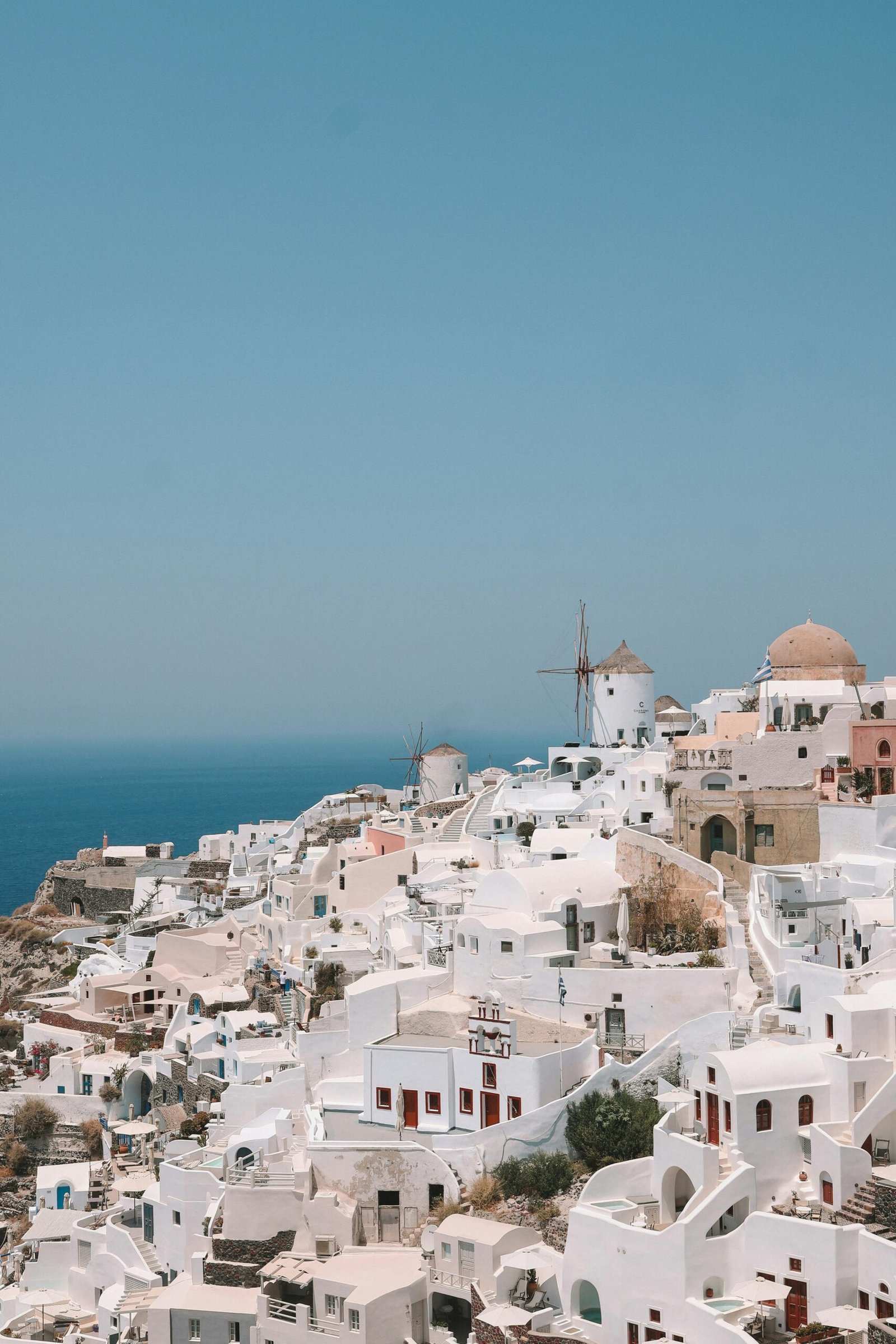
Why Most First-Timers to Santorini Leave Slightly Disappointed usually starts with a very specific assumption: that the island will feel intimate, effortless, and visually perfect at all times. That assumption is understandable, but in peak season it collides with crowds, price pressure, and a travel rhythm that feels more managed than spontaneous.
The disappointment is rarely about Santorini being bad. It is about people arriving with a mental picture built from photos, then reacting badly when the real island is busier, tighter, and more operationally demanding than they expected.
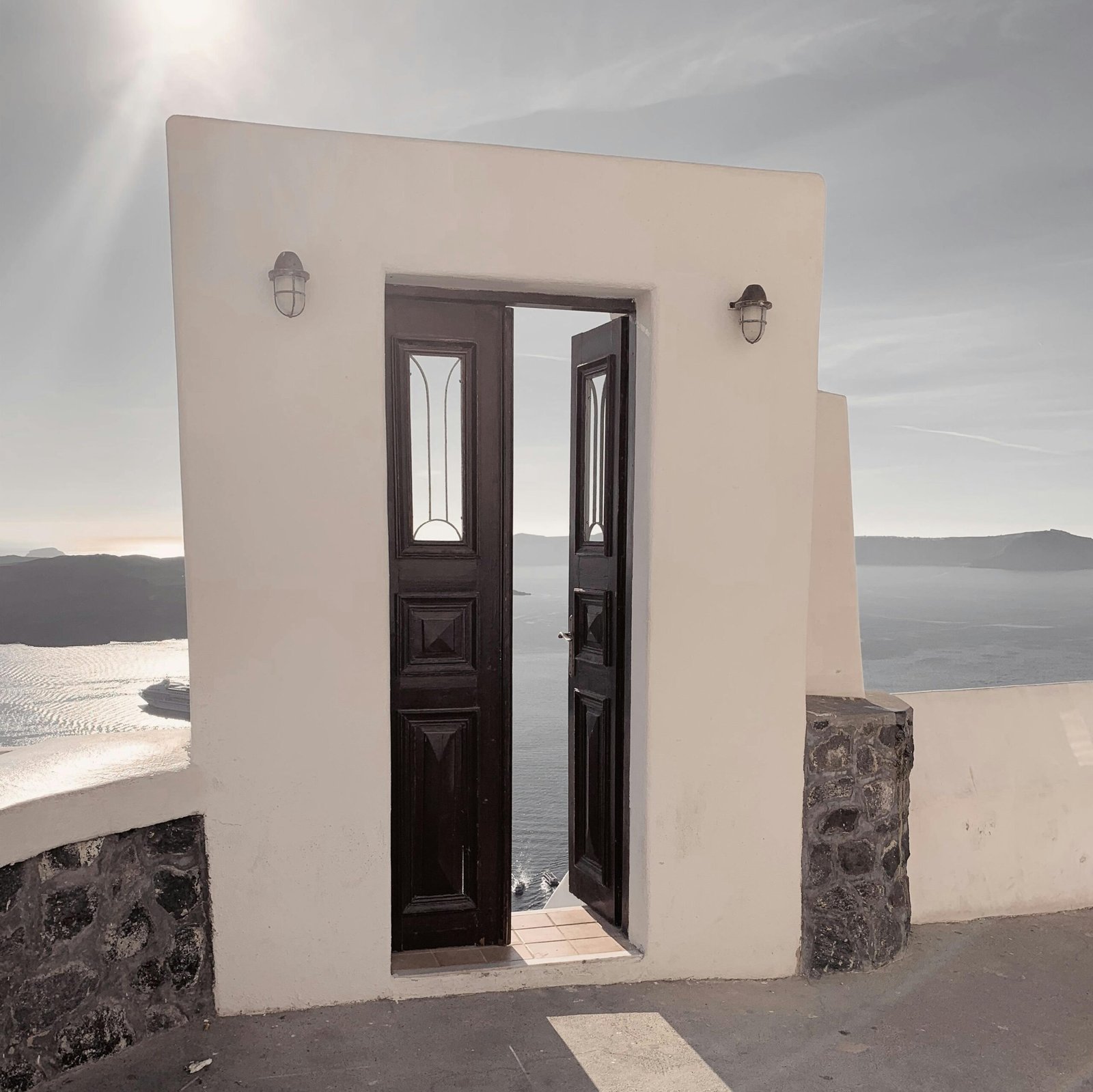
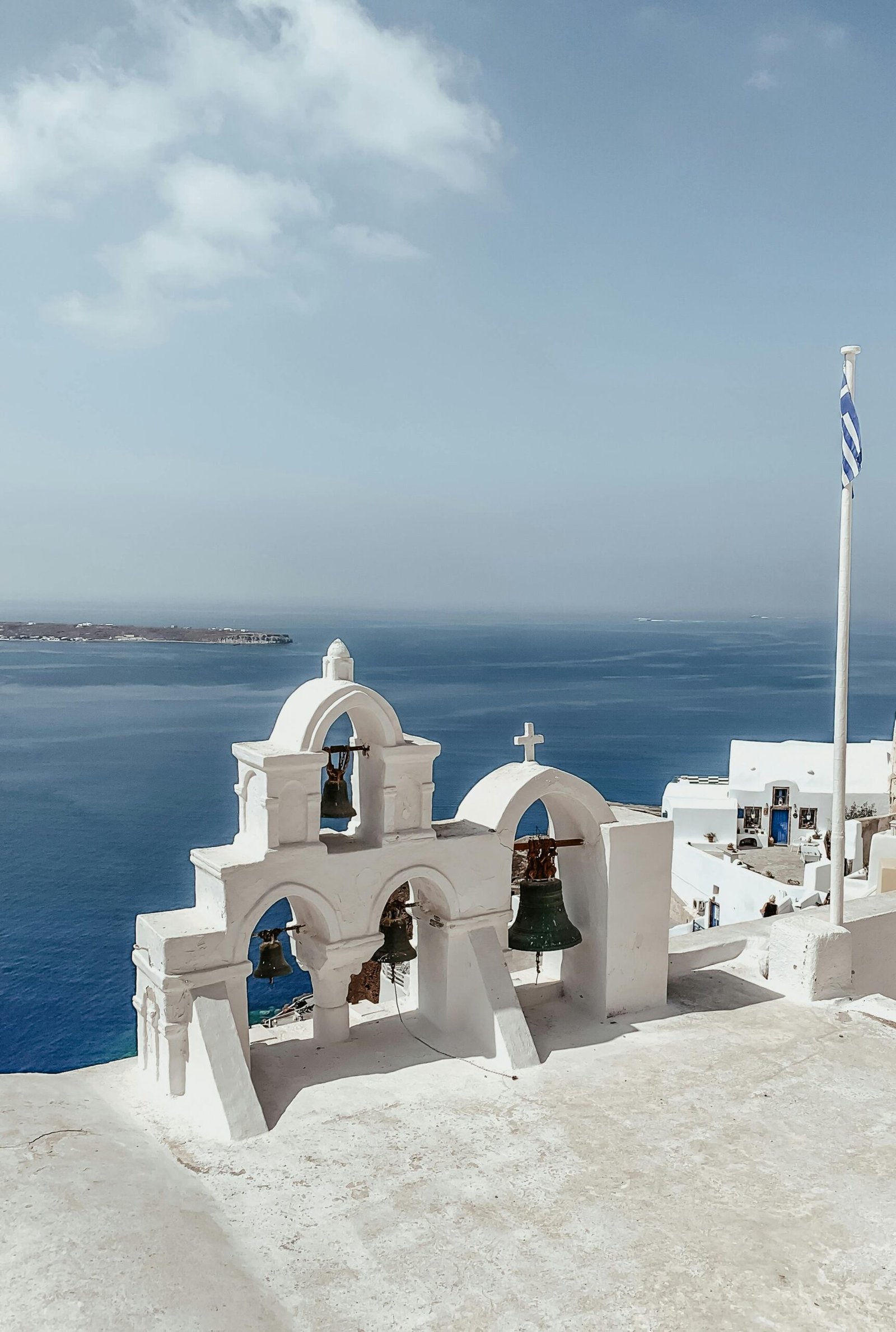
Why Most First-Timers to Santorini Leave Slightly Disappointed
The first mistake is emotional, not logistical. Travelers do not choose Santorini only because it is famous; they choose it because it feels like a safe bet, a place where the money and effort will translate directly into a perfect trip. That is exactly why Why Most First-Timers to Santorini Leave Slightly Disappointed is such a consistent pattern: the island is chosen to avoid regret, then people feel regret when reality is less polished than the image in their head.
The assumption behind Why Most First-Timers to Santorini Leave Slightly Disappointed
Most first-timers are not chasing a destination; they are chasing a feeling. They want the reassurance that they picked the right Greek island, that the photos were not exaggerated, and that the trip will justify the spend. Santorini is one of the few places in Greece where travelers often arrive already trying to confirm a decision they made months earlier.
That creates a fragile mindset. Once the island is crowded, expensive, or harder to navigate than expected, the traveler does not just notice inconvenience — they feel their judgment has been exposed. This is why disappointment in Santorini is often emotional before it is practical.
What travelers expect versus what they actually get
People expect calm, exclusivity, and a sense that every view is reserved for them. What they usually get in peak season is a highly compressed destination where the same famous viewpoints, dining rooms, and sunset spots are under constant pressure. The island is still impressive, but it is rarely spacious in the way first-timers imagine.
The gap is not only about crowds. It is also about pacing. Santorini asks you to accept friction — waiting, paying more, planning around demand, and making compromises that do not show up in the marketing images. Travelers who expect a smooth luxury experience often feel oddly busy here, even when they have paid well for it.
The exact moment disappointment usually hits
The disappointment usually lands when the traveler realizes that the island’s most famous moments are shared moments. The sunset is still worth seeing, but it is not a private reward for making the trip. The caldera view is real, but so is the line of people trying to get the same photo, the same table, the same angle.
That is the moment the fantasy breaks. Not because Santorini fails, but because the traveler discovers that the island’s signature experience has been turned into a public event. For many first-timers, that is the first time they understand that popularity changes the emotional texture of a place.
Why this mistake happens so often
The deeper issue is that Santorini is often treated like a status purchase. People do not just want a holiday; they want the certainty that they chose the “right” Greek island for a first visit. That pressure makes them less tolerant of anything that feels ordinary, busy, or overpriced.
There is also a social-media effect that is easy to underestimate. The island is presented in fragments: a terrace, a pool, a sunset, a blue dome. Real travel is not a sequence of fragments. It is movement between moments, and Santorini can feel less impressive when the in-between parts are expensive and crowded.
For travelers who want a broader Greece context, the official tourism materials at
visitgreece.gr are useful, but they will not solve the core problem. The issue is not lack of information. It is the habit of reading the island as an image rather than as a functioning place with capacity limits and seasonal strain.
Who is most prone to this disappointment
First-time honeymooners are especially vulnerable because they are not just planning a trip; they are trying to protect a memory before it exists. They often expect Santorini to deliver romance automatically, and when the island feels crowded or transactional, they take that personally. That is a hard expectation to satisfy anywhere, and Santorini is a poor place to test it in peak season.
Luxury-first travelers can also be disappointed, but for a different reason. They are used to paying for ease, and Santorini can make them feel as if they are paying premium prices for access to a very public experience. Families and milestone travelers are often more forgiving because they are already expecting trade-offs, while image-driven first-timers tend to be the least prepared for friction.
- Honeymooners expecting privacy
- Luxury travelers expecting seamless service
- First-time Greece visitors using Santorini as their benchmark
- Travelers who chose the island mainly for photos
A counterintuitive truth most first-timers miss
The surprising thing is that Santorini often disappoints the people who care about it the most before they arrive. Travelers who are trying hardest to “do it right” are the ones most likely to feel let down, because they arrive with a fixed script for how the island should feel. When the script fails, they interpret that as a failure of the destination rather than a mismatch in expectations.
By contrast, travelers who arrive with lower emotional stakes often enjoy the island more. They are not trying to extract a perfect emotional payoff from every view or meal. They understand that a famous place in peak season is going to be a managed experience, not a private one.
What a better approach looks like
A better approach starts with admitting what Santorini is for you. If your goal is a once-in-a-lifetime visual trip, say that clearly and accept the trade-offs that come with it. If your goal is ease, privacy, and a relaxed Greek island atmosphere, Santorini in peak season is usually the wrong match.
This is where Greece rewards travelers who arrive with a plan, but only if the plan is realistic. The right framework is not “How do I make Santorini feel like the photos?” It is “What kind of experience does this island reliably deliver, and am I actually looking for that?” Once you ask that honestly, the decision gets much cleaner.
If you want the cultural context behind why some places in Greece feel more crowded and managed than others, the Ministry of Culture’s site at culture.gov.gr/en/ is a useful reference point. It will not change the seasonality, but it will remind you that these are living places with real pressure, not backdrops built for your convenience.
Conclusion
Santorini is not a bad choice. It is a high-expectation destination that punishes vague thinking. The travelers most likely to leave with mixed feelings are usually the ones who wanted the island to validate a fantasy instead of meet a concrete need.
When you understand that pattern, the disappointment becomes easier to avoid. You stop asking whether Santorini is “worth it” in the abstract and start asking whether the trip you want is actually the trip this island delivers best.
Greece doesn’t punish inexperience. It punishes unexamined assumptions. The travelers who leave disappointed rarely lacked information — they lacked a framework for using it.
Frequently asked questions
Why do so many first-time visitors feel underwhelmed by Santorini?
Because they arrive expecting a private, effortless version of the island that rarely exists in peak season. The famous views are real, but the experience around them is often crowded and expensive.
Is Santorini still worth visiting for a first trip to Greece?
Yes, if you want a highly visual, high-demand destination and you understand the trade-offs. It is a weaker choice if you want space, ease, and a relaxed island rhythm.
What is the biggest expectation mistake people make about Santorini?
They assume the island will feel like the photos all day, every day. In reality, the most famous areas are shared, busy, and shaped by heavy seasonal demand.
Why does peak season make Santorini feel more disappointing?
Peak season compresses the island’s most popular experiences into a smaller, busier, more expensive version of itself. That makes the gap between image and reality much more obvious.
Who is most likely to be disappointed by Santorini?
Honeymooners, luxury travelers expecting seamless service, and first-timers who chose the island mainly because it looks good online. They tend to bring the highest emotional expectations.
How should I think about Santorini differently before booking?
Treat it as a destination with clear strengths and clear limits. Decide whether you want visual impact more than calm, privacy, or flexibility, and choose accordingly.