

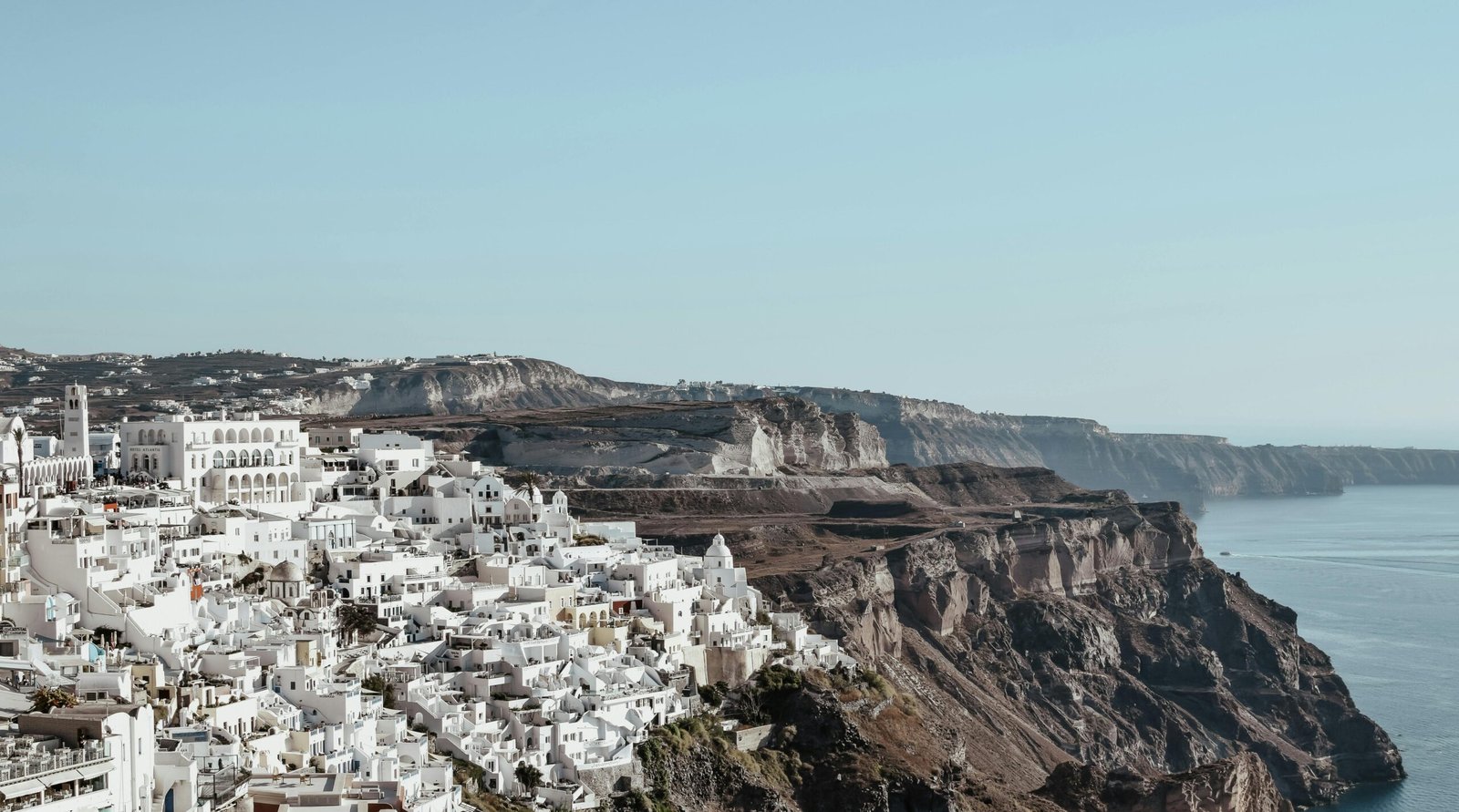
Why Most First-Timers to Santorini Leave Slightly Disappointed starts with a simple psychological mistake: people arrive expecting a private version of the island they have seen online, then meet the real one, which is crowded, expensive, and highly managed. The disappointment is rarely about Santorini being bad; it is about the gap between the fantasy of control and the reality of peak-season Greece.
That gap matters because it shapes every decision before you even land: when you go, where you stay, what you think you are paying for, and how much friction you are willing to tolerate. If you understand the pattern, Santorini becomes easier to read and much harder to misjudge.
Why Most First-Timers to Santorini Leave Slightly Disappointed
The real reason people choose Santorini in the first place
Most first-timers do not choose Santorini because they have studied the island. They choose it because Santorini has already been sold to them as a finished idea: dramatic views, whitewashed lanes, easy romance, and a sense that the island will do the work for them. That is a powerful emotional shortcut, especially for travelers who want their Greece trip to feel special without requiring too much planning.
This is why Why Most First-Timers to Santorini Leave Slightly Disappointed is such a consistent pattern. The island is often chosen as a symbol, not as a place with trade-offs. People are not just booking a destination; they are trying to buy a feeling, and that is where the trouble starts.
Why Most First-Timers to Santorini Leave Slightly Disappointed in peak season
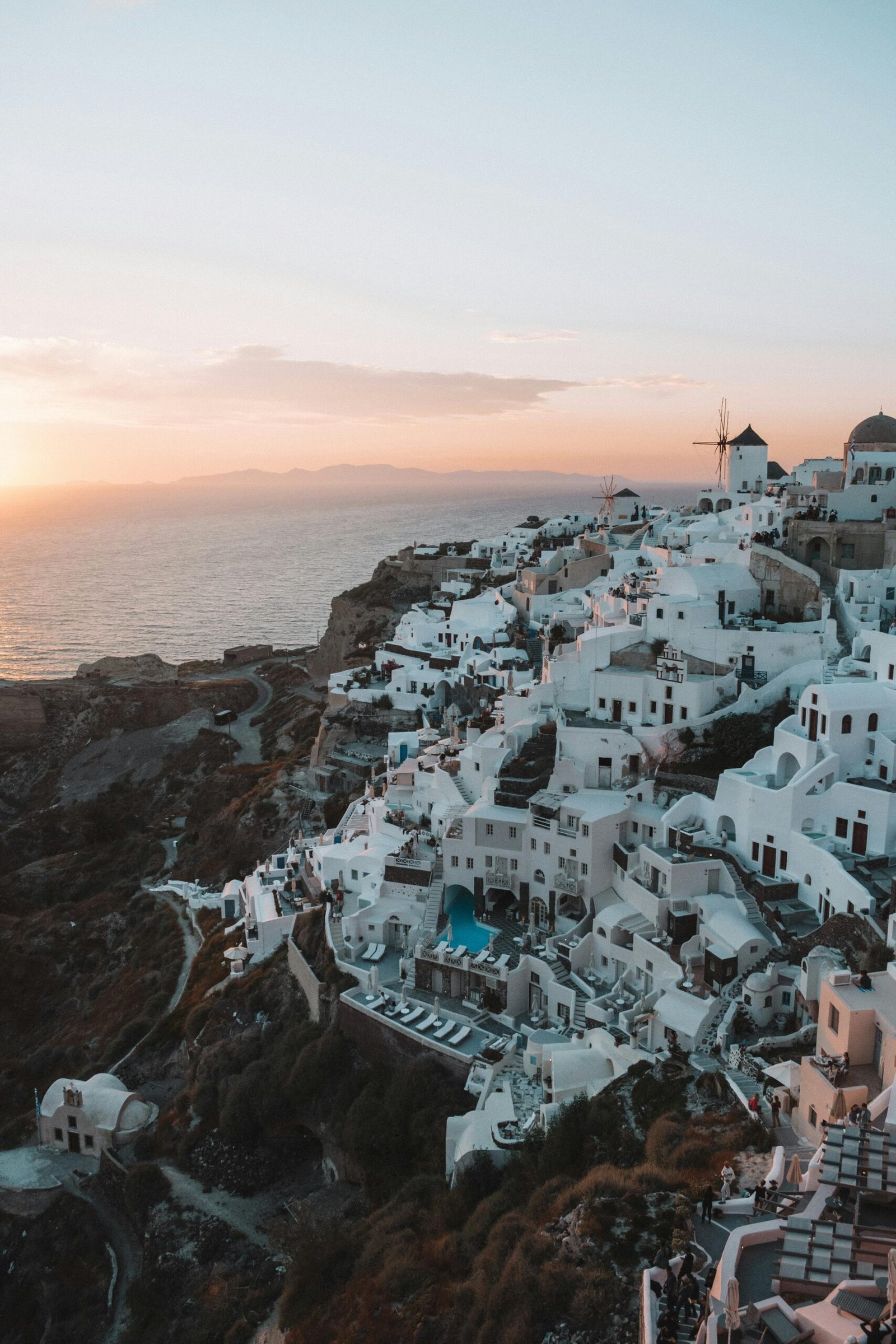
Peak season exposes the mismatch immediately. The image in most travelers’ heads is quiet, spacious, and curated; the reality is a place under pressure, where the most famous viewpoints, villages, and dining rooms are working at full capacity. Santorini does not become less beautiful in summer, but it becomes less forgiving.
The emotional problem is that many visitors interpret crowding as a failure of the destination, when it is really a failure of expectation. They wanted the island to feel exclusive because the price suggested exclusivity. In Greece, price and ease are not the same thing, and Santorini is one of the clearest examples of that.
The moment disappointment usually hits
The disappointment usually does not arrive in a dramatic way. It shows up in a small, irritating moment: the view is blocked, the terrace is shared, the sunset spot is packed, or the room that looked serene online feels exposed and noisy in real life. That is when the traveler realizes they were not buying privacy or calm; they were buying proximity to a famous view.
That moment matters because it changes the emotional tone of the whole trip. Once a traveler feels they have overpaid for access rather than comfort, every small inconvenience gets magnified. This is the point where Why Most First-Timers to Santorini Leave Slightly Disappointed stops being a theory and becomes a lived experience.
The assumption that causes the most damage
The biggest mistake is assuming Santorini is a luxury island in the way people use that word in marketing. It is not automatically luxurious just because it is expensive. Some parts of the island are polished and efficient, but the overall experience can still feel crowded, exposed, and highly seasonal.
I will be direct: if you want Santorini to feel relaxed in peak season, you are setting yourself up for frustration. The island can be excellent, but not if you expect it to behave like a private resort. That is the wrong mental model, and it leads to the wrong booking decisions.
Who is most likely to feel let down
Certain traveler types are especially vulnerable to this disappointment. The first is the first-time Greece visitor who wants one island to represent the whole country. The second is the couple planning a milestone trip who expects the destination itself to create the mood. The third is the traveler who has seen too many polished images and now confuses visual consistency with actual comfort.
- Travelers chasing a once-in-a-lifetime romance without accepting crowd pressure
- Visitors who want quiet but choose the most famous part of the island in high season
- People who equate expensive with effortless
- First-timers who have not yet learned how seasonal Greece really is
These travelers are not wrong to want beauty or ease. They are wrong to assume Santorini will deliver both automatically. That is a planning error, not a taste problem.
What travelers expect versus what they actually get
Before the trip, many people imagine a clean emotional package: romance, views, good food, and a sense of escape. What they often get is a more fragmented experience, with moments of real pleasure interrupted by queues, heat, noise, and the constant awareness that they are sharing the island with a lot of other people doing the exact same thing. The island is still impressive, but it is not emotionally seamless.
That gap is why some travelers leave saying Santorini was “fine” when what they really mean is that it did not match the story they had built around it. The island did not fail them; their expectations were too tidy. If you want a broader sense of how Greece is presented versus how it actually works,
Visit Greece is useful as a baseline, but it will not tell you where the emotional friction usually starts.
What a better approach looks like
A better approach starts with accepting that Santorini is strongest when you value the island for what it is, not for what you hope it will prove. That means treating the famous view as one part of the experience, not the entire reason for going. It also means being honest about your tolerance for crowds, heat, and premium pricing.
Greece rewards travelers who arrive with a plan, but Santorini especially rewards travelers who arrive with a realistic emotional frame. If you want calm, choose your season and expectations accordingly. If you want the classic image, accept that many other people want it too.
For travelers who want to understand the cultural context behind the island rather than just the postcard version, the Hellenic Ministry of Culture is a better reference point than social media. It will not make Santorini less busy, but it will remind you that Greece is not built to serve one narrow fantasy of travel.
Conclusion
The real issue is not that Santorini disappoints everyone. It is that many first-timers arrive with an emotional script already written, then feel let down when the island refuses to perform it perfectly. Once you see that pattern, the trip becomes easier to judge honestly and much harder to misread.
Greece doesn’t punish inexperience. It punishes unexamined assumptions. The travelers who leave disappointed rarely lacked information — they lacked a framework for using it.
Frequently asked questions
Why do first-time visitors often feel underwhelmed by Santorini?
Because they expect a private, effortless version of the island and instead meet peak-season crowds, premium prices, and a more managed experience than they imagined.
Is Santorini still worth visiting for first-timers?
Yes, if you understand what you are going for. Santorini is worth it for the views, the atmosphere, and the name recognition, but not if you expect quiet or value for money in high season.
What is the biggest mistake people make when planning Santorini?
They treat the island like a guaranteed luxury experience. Santorini can be excellent, but expensive does not automatically mean easy, calm, or exclusive.
Which travelers are most likely to be disappointed?
Travelers chasing romance without accepting crowds, first-time Greece visitors expecting one island to define the country, and anyone who assumes the island will feel private in summer.
When does disappointment usually set in?
Usually when the traveler realizes the famous view is shared, the atmosphere is busier than expected, or the room feels less serene than the photos suggested.
How should first-timers think about Santorini differently?
As a high-demand island with real trade-offs, not as a guaranteed fantasy. That shift in mindset leads to better timing, better expectations, and fewer regrets.