

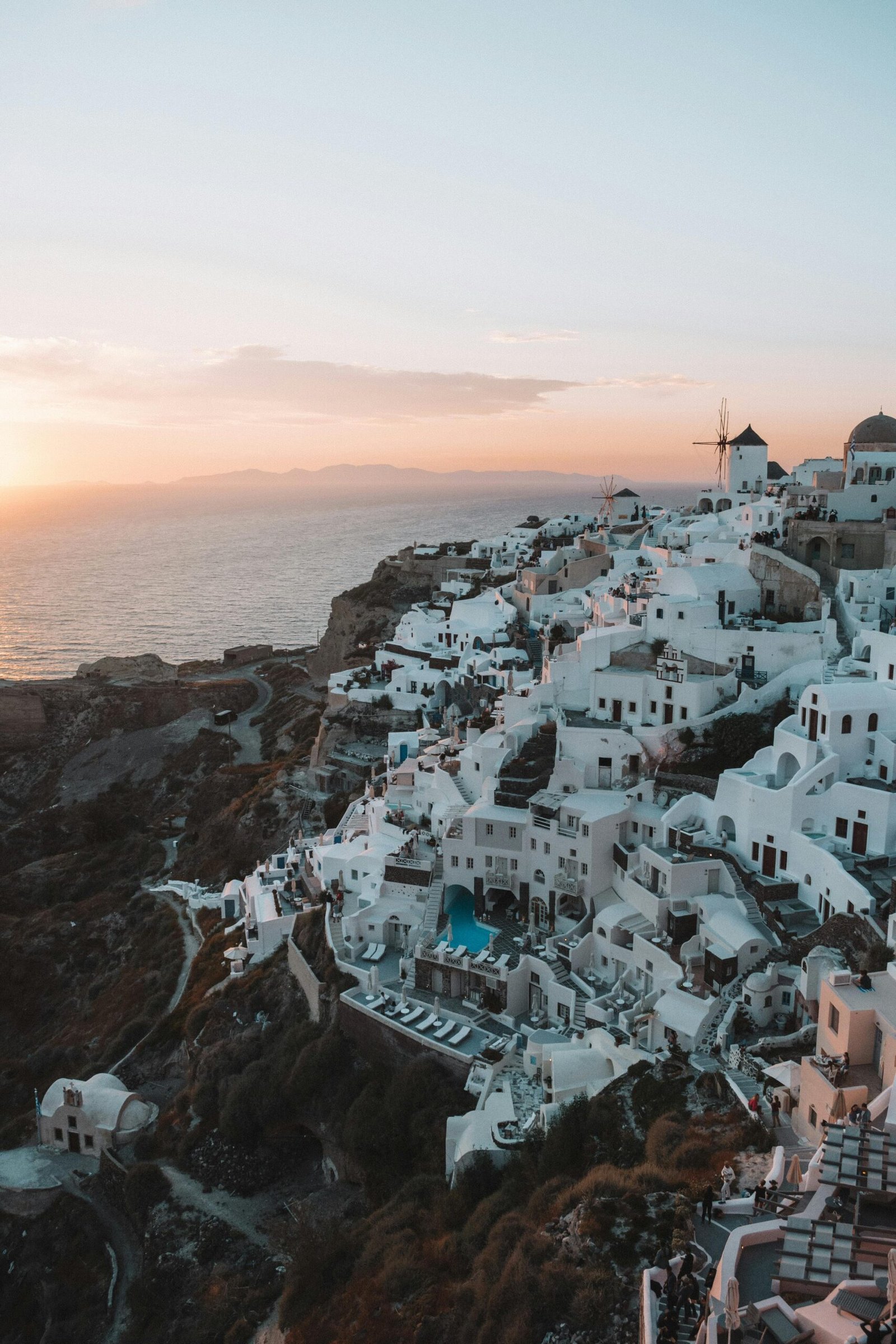
Why Most First-Timers to Santorini Leave Slightly Disappointed usually comes down to one thing: people arrive chasing an image, not a place. They have seen the same cliffside photos, the same blue domes, the same sunset frame, and they assume the island will deliver that feeling on demand.
It does not work that way in peak season. Santorini is a real island with pressure, crowds, heat, price inflation, and a lot of visitors trying to experience the same small set of views at the same time.

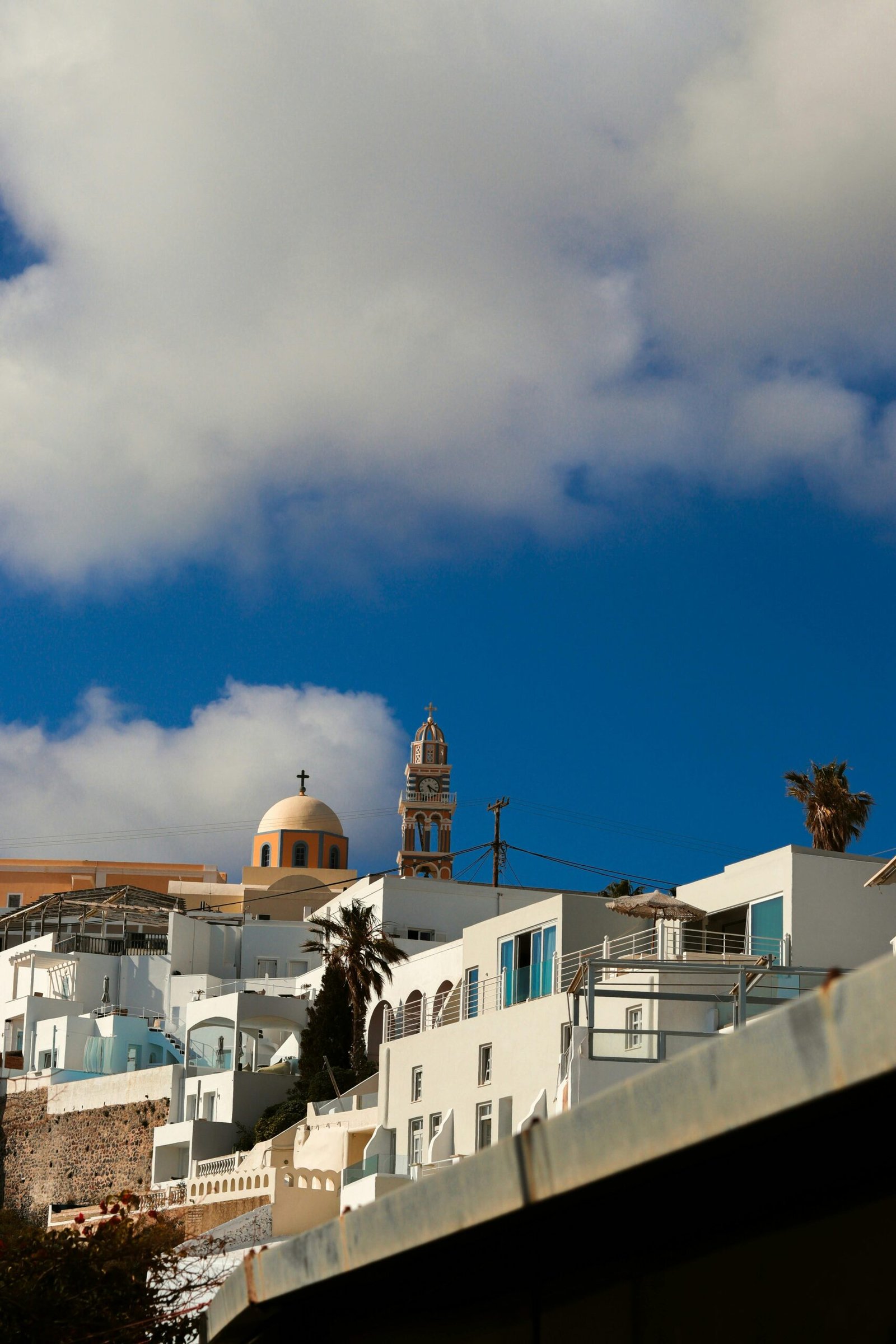
Why Most First-Timers to Santorini Leave Slightly Disappointed
The disappointment is rarely dramatic. It is usually quieter than that: a sense that the island looks familiar before you have even properly met it. That feeling is not a failure of Santorini; it is a failure of expectation management, and it is exactly why Why Most First-Timers to Santorini Leave Slightly Disappointed is such a persistent pattern.
The real reason this expectation gap shows up in Santorini
People do not choose Santorini only because it is beautiful. They choose it because it represents a version of Greece that already exists in their mind: clean, iconic, easy to recognize, and worth the money because it is instantly legible. That is an emotional purchase as much as a travel decision.
The problem is that iconic places carry a burden standard destinations do not. Once a place becomes a symbol, travelers stop asking whether they actually want that place and start asking whether they want the feeling attached to it. Santorini gets chosen as a proof of arrival, a celebration trip, a honeymoon trip, a once-in-a-lifetime trip. That is a lot of pressure for a small island in peak season.
Why Most First-Timers to Santorini Leave Slightly Disappointed in peak season
Peak season changes the emotional math. Travelers expect the island to feel exclusive because the photos look exclusive, but the reality is often dense, busy, and highly managed. You are not alone in wanting the same view, the same table, the same sunset, the same photograph.
That is where the irritation starts. The first-time visitor expects a sense of escape and gets a queue, a crowd, or a premium price tag attached to something that feels oddly ordinary once everyone else is there too. Why Most First-Timers to Santorini Leave Slightly Disappointed is often less about the island itself and more about the shock of discovering that a famous place can feel overused.
My position is simple: if you want Santorini at its best, you need to respect that peak season is not neutral. In July and August, the island is not just busy; it is performing under strain, and visitors feel that strain even when nobody says it out loud.
The moment the disappointment usually hits
It usually happens at the first major sunset experience. Not because the sunset is bad, but because the emotional setup is too heavy. Travelers have spent months imagining that one moment, and when they finally stand there, they are surrounded by the same expectation from hundreds of other people.
The letdown is not just visual. It is the realization that the thing they thought would feel private, elevated, or transformative is actually a shared ritual. That is the moment Why Most First-Timers to Santorini Leave Slightly Disappointed becomes personal. The island did not fail; the fantasy did.
What travelers expect versus what they actually experience
Expecting Santorini to feel like a luxury cocoon is the biggest mistake. The reality is more layered: some parts are polished, some are crowded, some are expensive in a way that feels justified, and some are expensive in a way that simply feels opportunistic. Travelers often confuse visual polish with ease.
They also expect every part of the island to deliver the same emotional payoff. It does not. Santorini can be sharply beautiful in one area and strangely transactional in another, especially when the day is built around limited viewpoints and high-demand venues. That contrast is what unsettles first-timers who assumed the island would be consistently special.
For broader trip framing, many travelers do better when they treat official destination material as a starting point rather than a promise. The public-facing image matters, but so do seasonality, crowd pressure, and the practical realities that shape the experience. A useful place to cross-check the basics is
Visit Greece, especially if you are trying to separate marketing language from actual trip conditions.
Who is most prone to this pattern
The most disappointment-prone travelers are not the uninformed ones. They are the highly motivated ones: honeymooners, milestone travelers, and people who have been saving Santorini for years. The more emotionally loaded the trip, the less room there is for the island to be imperfect.
- First-time Greece visitors who assume the most famous island must be the best first stop
- Couples treating the trip as a major relationship milestone
- Travelers who value privacy but book the island everyone else is trying to see
- People who prefer calm, space, and flexibility but travel in peak season
There is also a specific type of traveler who struggles here: the one who wants a cinematic experience but dislikes friction. Santorini is not difficult in a dangerous sense, but it does ask you to tolerate congestion, repetition, and a certain amount of performance from the destination itself. If that bothers you, you will notice it quickly.
The psychological trap: choosing the symbol over the fit
This is where the mistake becomes predictable. Travelers choose Santorini because it is the island they already know, not because it is the island that fits their temperament, budget, or travel style. That is a classic symbol-first decision, and it is one of the main reasons Why Most First-Timers to Santorini Leave Slightly Disappointed.
People often underestimate how much their own expectations shape the trip. If you want quiet, spontaneity, and a sense of discovery, Santorini in peak season will work against you. If you want certainty, recognizability, and a polished visual identity, it may still work for you, but only if you understand what you are buying.
For travelers who are still comparing islands and trying to understand the broader Greek context, official cultural institutions can also be useful for grounding expectations in reality rather than social media shorthand. The Greek Ministry of Culture is not a travel-planning tool in the usual sense, but it is a reminder that Greece is larger, older, and more varied than the handful of images most people start with.
What a better approach looks like
The better approach is not to lower your standards. It is to stop asking Santorini to be something it is not. Treat it as a high-demand, high-visibility island with specific strengths, not as a universal answer to every Greece trip fantasy.
That means being honest about why you want it. If you want the iconic views and are willing to accept the trade-offs, fine. If you want atmosphere, ease, and a sense of being away from the crowd, you are probably choosing the wrong place for the wrong reason. Greece rewards travelers who arrive with a plan, but more importantly, it rewards travelers who know what emotional need they are actually trying to meet.
Once that is clear, the trip becomes less about chasing a postcard and more about making a deliberate choice. That is the difference between a visit that feels slightly off and one that feels coherent.
Conclusion
Why Most First-Timers to Santorini Leave Slightly Disappointed is not a mystery if you look at the psychology honestly. The island is famous enough to carry other people’s fantasies, and peak season makes those fantasies harder to sustain. If you understand that before you book, you are already ahead of most first-time visitors.
Greece doesn’t punish inexperience. It punishes unexamined assumptions. The travelers who leave disappointed rarely lacked information — they lacked a framework for using it.
Frequently asked questions
Why do first-time visitors to Santorini feel underwhelmed?
Because they arrive expecting the island to match a polished image they already carry in their head. The reality of peak season — crowds, high prices, and shared viewpoints — often clashes with that expectation.
Is Santorini still worth visiting for a first trip to Greece?
Yes, if you want the iconic visual experience and accept the trade-offs. No, if you want quiet, flexibility, or a destination that feels less managed and more relaxed.
What is the biggest mistake first-timers make in Santorini?
They choose the symbol instead of the fit. In other words, they book Santorini because it is famous, not because it matches how they actually like to travel.
When does disappointment usually set in?
For most people, it happens at the first major sunset or viewpoint moment. That is when the gap between the fantasy and the shared reality becomes hard to ignore.
Who is most likely to leave Santorini disappointed?
Travelers who value privacy, calm, and spontaneity are the most vulnerable to disappointment, especially if they visit in peak season. Honeymooners and milestone travelers can also feel let down if they expect the island to feel more intimate than it does.
How should I think about Santorini differently before booking?
Treat it as a high-demand island with a very specific appeal, not as the default answer to a Greece trip. If you know exactly what you want from it, the experience is much less likely to feel mismatched.