


Why Most First-Timers to Santorini Leave Slightly Disappointed is usually not about the island failing people; it is about people arriving with a very specific picture in their heads and then treating the real place like a mismatch. The assumption is simple: if a destination looks extraordinary online, the experience should feel extraordinary every minute you are there.
That is where the trouble starts. Santorini is not a fake version of itself, but it is often visited in the most compressed, crowded, and expectation-heavy way possible, which changes how people feel about it before they even realize what is happening.

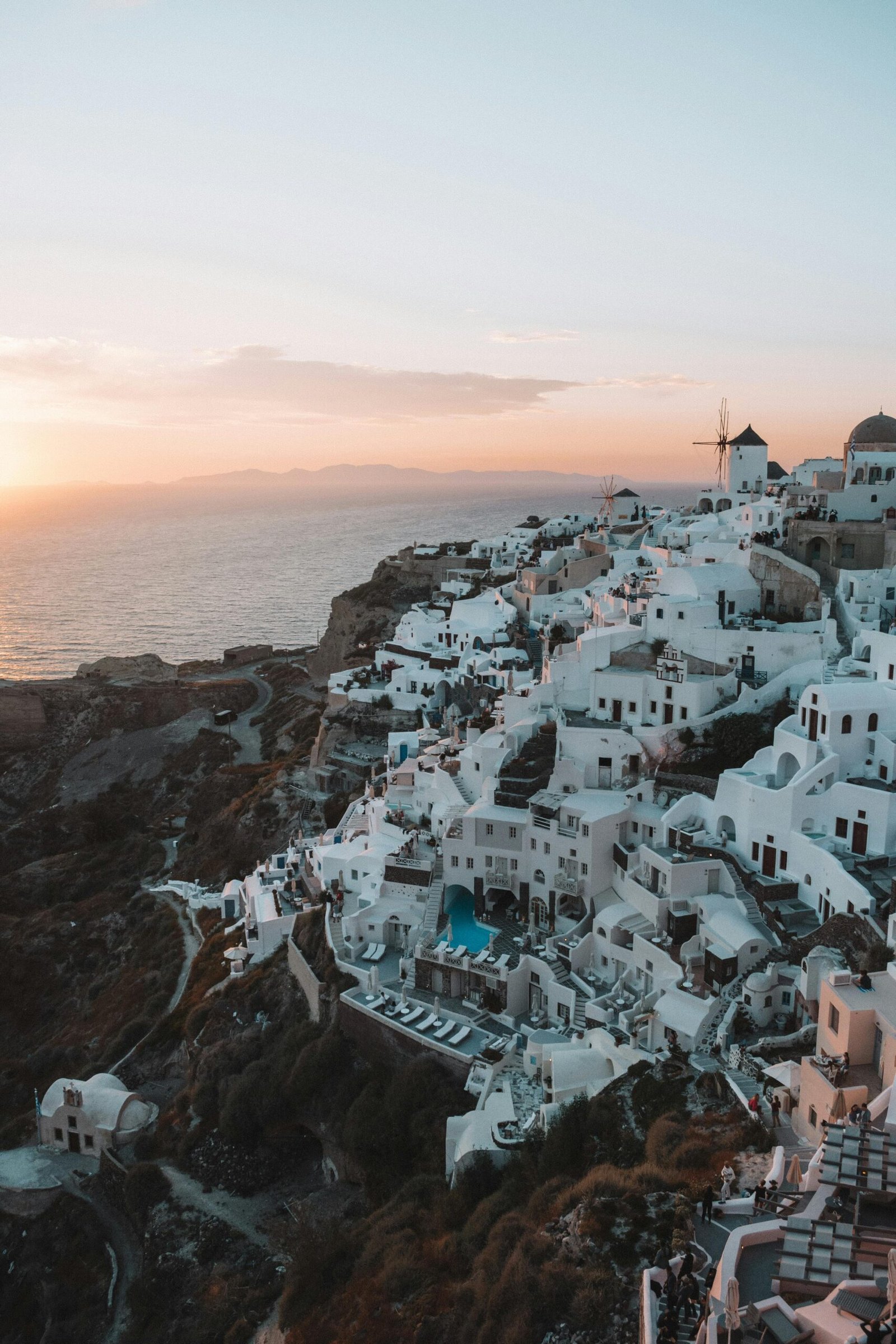
Why Most First-Timers to Santorini Leave Slightly Disappointed
The real reason Why Most First-Timers to Santorini Leave Slightly Disappointed
The core mistake is not ignorance; it is image lock. Travelers see Santorini as a single, polished experience and assume the island will deliver that same feeling from the moment they arrive until the moment they leave. In reality, Santorini is a place where beauty, crowd pressure, pricing, and timing all sit on top of each other, and the emotional result is often less awe than friction.
People do not choose Santorini only because they want a Greek island. They choose it because they want a reliable emotional outcome: romance, prestige, and proof that they picked the “right” place. That is a dangerous way to travel anywhere, but especially here, because Santorini is one of the few destinations where the image is so dominant that the trip starts before the traveler arrives.
What travelers expect versus what they actually feel
Expectation says: calm, elegant, intimate, and visually coherent. Reality in peak season is more complicated: heavy foot traffic, constant competition for the best viewpoints, a lot of time spent navigating crowds, and a feeling that the island is performing for everyone at once. The disappointment is rarely dramatic. It is usually a slow erosion of the mood people thought they were buying.
The surprising part is that many first-timers are not upset because Santorini is crowded. They are upset because the crowd changes the emotional temperature of every decision. A simple sunset becomes a timed event, a dinner becomes a logistics problem, and a scenic walk becomes a test of patience. That shift is what people feel, even if they do not say it that way.
Why Most First-Timers to Santorini Leave Slightly Disappointed is, at bottom, a story about emotional overinvestment. When a place has been sold as a once-in-a-lifetime experience, any inconvenience feels larger than it should. The traveler is not just annoyed by the line, the price, or the noise; they feel cheated out of the version of Santorini they were promised by their own imagination.
The moment the disappointment usually hits
It usually hits when the traveler realizes they are sharing the island’s most famous moments with far more people than they expected. That can happen at sunset, at a viewpoint, at dinner, or even during the simple act of moving through the busiest parts of town. The exact location matters less than the recognition: this is not a private emotional experience, and it never was going to be.
That is the point where the fantasy cracks. Not because Santorini is not beautiful, but because beauty alone does not protect you from crowd stress, inflated expectations, or the feeling that you are spending a lot of money to participate in something highly managed. Once that realization lands, the trip often shifts from pleasure to evaluation.
Why people make this choice in the first place
First-timers often choose Santorini because they want certainty. They want a destination that feels recognizable, easy to justify, and socially validated. Santorini gives them that, which is exactly why it attracts travelers who are less comfortable with ambiguity and more sensitive to the fear of choosing “wrong.”
There is also a status element people do not say out loud. Santorini is one of those places that signals taste, success, and having done the Greece trip “properly.” That pressure can create a strange emotional setup: the traveler is not just visiting for pleasure, but also to confirm a self-image. When a destination is carrying that much psychological weight, disappointment becomes more likely.
If you want the broader context for how Greece travel gets overcomplicated by assumptions, the official tourism materials at
Visit Greece are useful as a baseline, but they will not tell you where travelers tend to misread the emotional reality of a place. That is the part most people miss when they plan from images instead of from conditions.
Who is most prone to this pattern
Three traveler types get caught here most often. The first is the first-timer who wants the “best” version of Greece and assumes the most famous island is automatically the safest choice. The second is the couple planning a milestone trip who wants the destination to carry the emotional burden for them. The third is the traveler who is highly visual and makes decisions based on how a place photographs rather than how it functions.
- First-timers chasing the most recognizable Greek island
- Couples expecting the destination to manufacture romance
- Travelers who plan from social media images instead of seasonal reality
These travelers are not foolish. They are normal. They are also the ones most likely to feel let down when the island does not behave like a private stage set. The disappointment is not a character flaw; it is a planning flaw.
The peak-season trap nobody wants to admit
Peak season does not just make Santorini busier. It changes the entire psychological experience of being there. People become more territorial about views, more impatient with queues, and more protective of the moments they paid for. That is why the same island can feel elegant in memory and exhausting in real time.
This is where Why Most First-Timers to Santorini Leave Slightly Disappointed becomes less of a headline and more of a predictable outcome. The traveler thinks the island will absorb the crowd pressure and still feel effortless. It does not. The pressure is part of the experience, and if you are not prepared for that, the island starts feeling smaller, more expensive, and more commercial than expected.
For travelers trying to understand how Greek culture and place are presented versus how they are actually experienced, the Ministry of Culture’s official site at Hellenic Ministry of Culture gives a better sense of the country’s institutional frame than the average social feed ever will. That matters because Santorini is often consumed as a brand, not as a place with real seasonal limits.
What a better mindset looks like
The better approach is not to lower your standards. It is to stop asking Santorini to be something it is not. If you want atmosphere, beauty, and a strong sense of place, Santorini can absolutely deliver. If you want privacy, ease, and a carefree feeling in peak season, you are setting yourself up for frustration.
Greece rewards travelers who arrive with a plan, but more importantly, it rewards travelers who understand the emotional cost of their choices. Santorini should be chosen deliberately, not automatically. Once you accept that the island is an intense, highly visible experience rather than a universally relaxing one, the disappointment drops fast.
The reframe is simple: choose Santorini for what it does well, not for what the internet implied it should do. If you want the island to feel special, stop expecting it to feel effortless. That one shift changes the trip more than any packing list ever will.
Conclusion
Greece doesn’t punish inexperience. It punishes unexamined assumptions. The travelers who leave disappointed rarely lacked information — they lacked a framework for using it.
Frequently asked questions
Why do so many first-time visitors feel underwhelmed by Santorini?
Because they arrive with a polished image of the island and then meet the reality of peak-season crowds, higher prices, and constant competition for the same views. The gap between expectation and experience is what creates the disappointment.
Is Santorini actually overrated?
For some travelers, yes. If you want privacy, low-friction travel, or a relaxed island atmosphere in high season, Santorini can feel overrated fast. If you want a highly recognizable, high-impact destination and you accept the trade-offs, it can still be worth it.
What is the biggest mistake first-timers make with Santorini?
They treat it like a guaranteed emotional experience instead of a destination with real seasonal pressure. That leads to disappointment when the island feels crowded, expensive, or more managed than expected.
Who is most likely to be disappointed by Santorini?
Travelers who want romance to happen automatically, people choosing the island for social validation, and visitors who plan mainly from photos are the most vulnerable to disappointment. They often expect the island to deliver a mood, not just a place.
Does visiting Santorini in peak season change the experience that much?
Yes. Peak season changes the pace, the mood, and the amount of patience the island demands. The same views can feel very different when they are shared with large crowds and heavy tourist pressure.
How should I think about Santorini if I still want to go?
Choose it for its strengths and accept its limits. Go in with the understanding that it is visually powerful but not always easy, and you are much less likely to feel let down.