

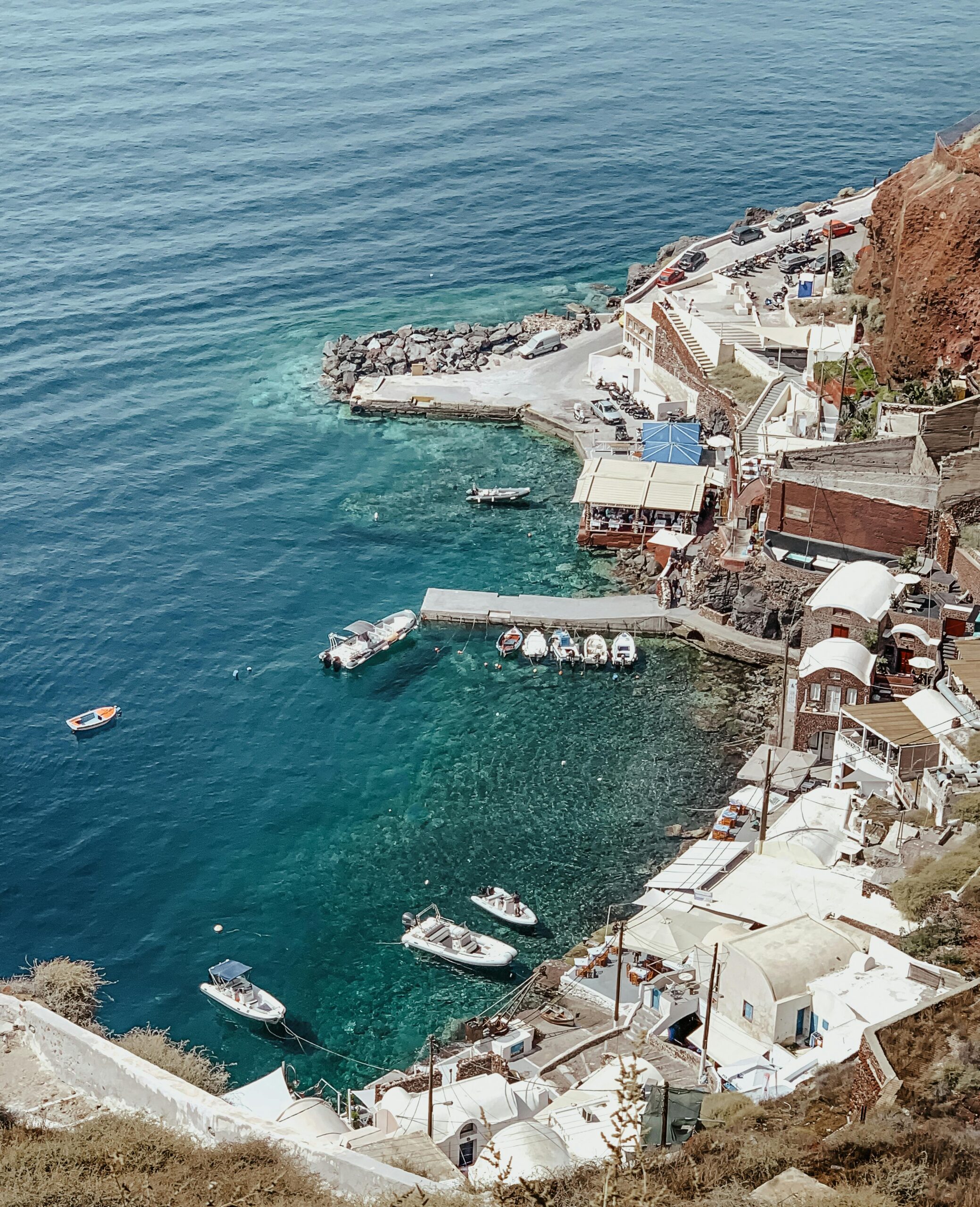
Why Most First-Timers to Santorini Leave Slightly Disappointed is usually not a problem of taste; it is a problem of expectation. People arrive carrying a very specific mental picture: quiet terraces, clean white lanes, easy romance, and a sense that the island will perform exactly as advertised. Santorini is more complicated than that, especially in peak season, when the island’s capacity and the visitor’s fantasy stop matching.
The disappointment is predictable because the decision is emotional before it is practical. Travelers do not choose Santorini only because it is famous; they choose it because it represents a version of Greece that feels safe, iconic, and socially validated. That is where the mismatch starts, and it is why Why Most First-Timers to Santorini Leave Slightly Disappointed keeps showing up in real conversations after the trip.
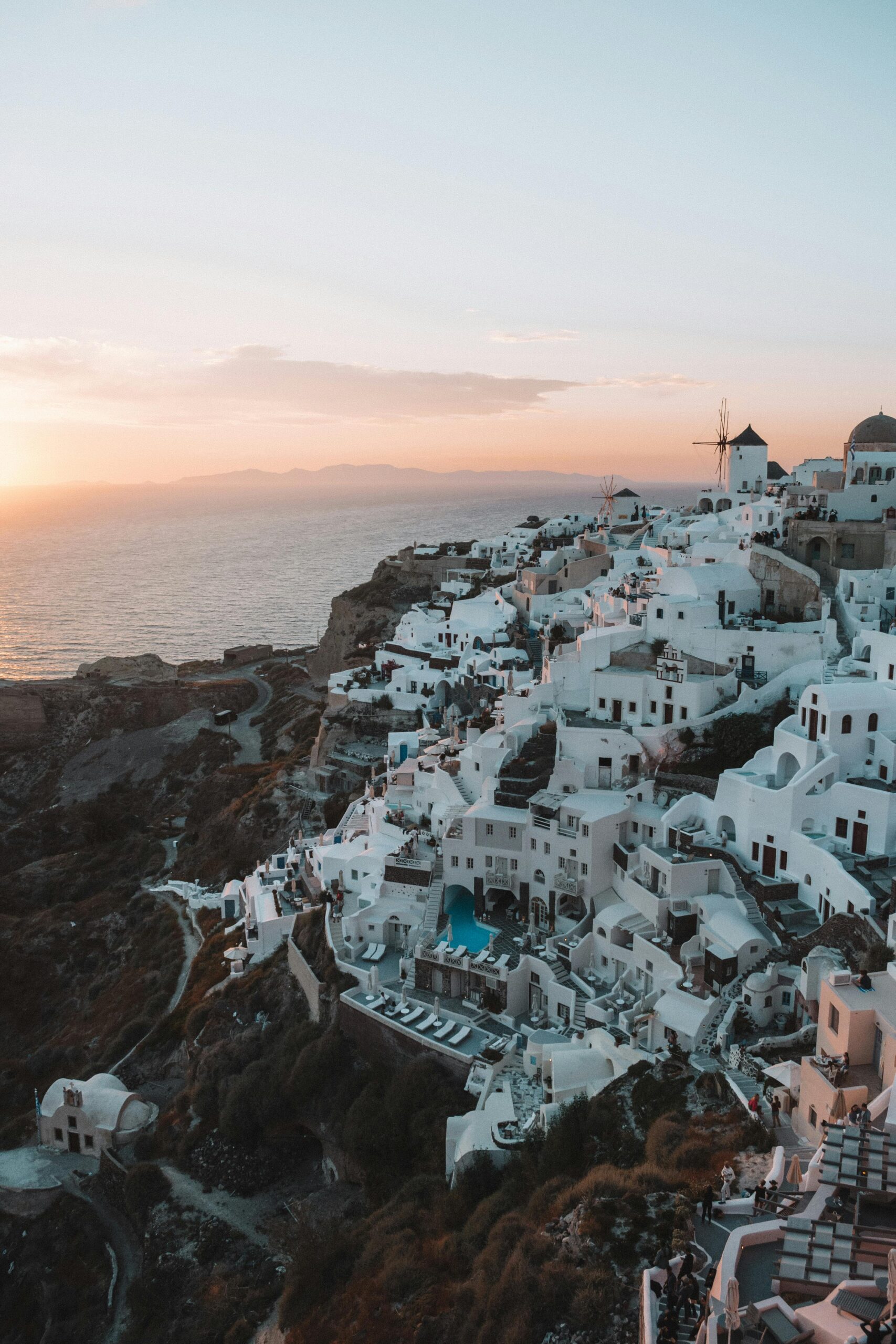
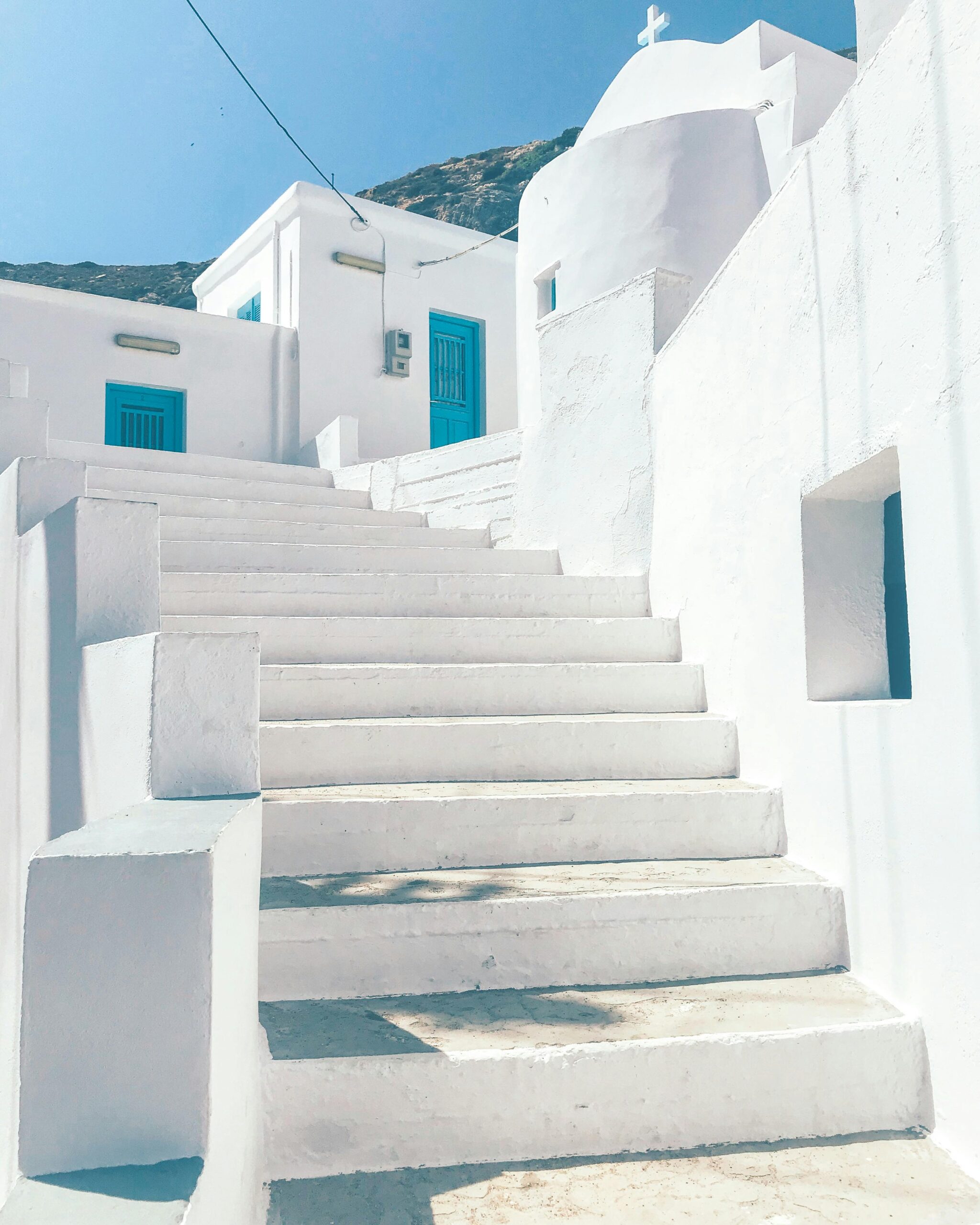
Why Most First-Timers to Santorini Leave Slightly Disappointed
The first mistake is treating Santorini like a mood instead of a place with hard limits. People buy the image first, then try to fit the trip around it. In peak season, that usually means paying a premium for a version of the island that is already crowded, overscheduled, and far less private than the photos suggest.
The emotional script behind Why Most First-Timers to Santorini Leave Slightly Disappointed
Most first-timers are not chasing geography. They are chasing a confirmation: that they picked the right Greek island, that the trip will feel special, and that the money was worth it. Santorini is often chosen as a status-safe decision because nearly everyone recognizes it, which lowers the anxiety of choosing “wrong.”
That is the emotional trap. The more famous the destination, the more travelers assume the experience will be uniformly excellent. In reality, fame concentrates demand, and demand changes the feel of the place in ways that first-timers rarely factor in.
What people expect versus what they actually get
Travelers expect atmosphere to be consistent. They imagine a calm, elegant island where the view does most of the work and everything else falls neatly into place. What they often get in peak season is a place that feels managed around crowds, not around comfort.
The gap is not that Santorini is bad. It is that many first-timers confuse iconic with easy. Those are not the same thing, and Santorini makes that distinction very obvious once you are there.
Here is the counterintuitive part: some of the biggest disappointment comes from people who booked the most expensive version of the trip. Higher spend does not automatically buy a better emotional experience. In Santorini, it often buys a better view of the same congestion, the same pressure, and the same sense that everyone else had the same idea at the same time.
Where the disappointment usually hits
The moment is rarely dramatic. It tends to happen when travelers realize that the island they pictured as restful is actually demanding constant adjustment. A simple dinner becomes a negotiation with timing and crowd levels. A view that looked private online turns out to be shared with a steady stream of other people doing the same thing.
That is when the trip changes shape. The visitor stops feeling like they are enjoying Santorini and starts feeling like they are managing Santorini. For first-timers, that shift is often the real source of disappointment.
Why peak season makes the problem worse
Peak season amplifies every assumption. The island is not just busy; it is operating at the edge of what many travelers find comfortable. Noise, queues, heat, and the constant presence of other visitors all compress the sense of space that people thought they were buying.
Travelers also underestimate how much peak season affects their mood. When you are crowded, rushed, and paying a lot, you become less forgiving. Small frictions feel bigger, and the island gets blamed for problems that really started in the planning stage.
For official context on Greece’s broader tourism framework and seasonal patterns,
Visit Greece is a useful starting point. It will not tell you whether Santorini will feel crowded to you personally, but it will remind you that the island sits inside a national tourism system, not outside it.
Who is most prone to this pattern
Travelers who are most likely to leave slightly disappointed:
- First-time Greece visitors who want one island to “cover” the whole country.
- Couples on a milestone trip who need the destination to feel emotionally significant on arrival.
- Travelers who book late and then expect premium results in peak season.
- People who want calm, but also want to be in the most famous place everyone else wants.
- Visitors who judge a destination mainly by its online image.
The common thread is not inexperience alone. It is the need for the trip to validate a decision already made. That need makes travelers less flexible, and flexibility is what Santorini asks for once the season is in full swing.
Why Most First-Timers to Santorini Leave Slightly Disappointed is really a planning problem
This is where I take a clear position: Santorini is often the wrong first island for travelers who want their Greece trip to feel relaxed, varied, and easy. It is a strong choice for people who understand exactly what they are buying. It is a weak choice for people who need the island to surprise them in a good way after they arrive.
That does not mean Santorini should be avoided. It means it should be chosen for the right reason. If the reason is “everyone says I should go,” the emotional payoff is usually thin. If the reason is “I know what this island is and I accept its trade-offs,” the experience is far more stable.
For travelers who want a broader sense of Greek culture before narrowing into island decisions, the Hellenic Ministry of Culture offers a useful reminder that Greece is not one aesthetic. Santorini is one very specific expression of it, and treating it as the default can create avoidable disappointment.
What a better approach looks like
The better approach is not lower standards. It is better framing. Ask what you actually want from the island: romance, status, convenience, views, or a sense of having seen the famous place. Those are different goals, and Santorini serves some of them better than others.
If you want the trip to feel lighter, stop expecting the island to deliver a perfect emotional script. Choose it with your eyes open, especially in peak season, and accept that the best version of Santorini is not the one that matches the brochure. It is the one that matches your tolerance for crowds, cost, and compromise.
Conclusion
Greece doesn’t punish inexperience. It punishes unexamined assumptions. The travelers who leave disappointed rarely lacked information — they lacked a framework for using it.
Frequently asked questions
Why do so many first-time visitors feel let down by Santorini?
Because they expect the island to match its image: quiet, polished, and effortless. In peak season, Santorini is often crowded, expensive, and more managed than relaxed, so the emotional payoff is weaker than expected.
Is Santorini overrated for first-time Greece travelers?
For some travelers, yes. If you want an easy introduction to Greece, Santorini can be a poor first choice because it concentrates demand and raises expectations at the same time.
What is the biggest mistake people make when planning Santorini?
They choose it for the image, not for the actual experience they want. That usually leads to disappointment when the island feels busy, expensive, or less private than expected.
Why does peak season make Santorini feel worse?
Peak season compresses space, patience, and comfort. The island is still beautiful in the obvious sense, but the visitor experience becomes more crowded and less forgiving.
Who tends to enjoy Santorini the most?
Travelers who know exactly what they are buying: iconic views, strong visual identity, and a high-demand destination that comes with trade-offs. They are usually less shocked by the crowds and the cost.
Should first-timers avoid Santorini entirely?
No. They should avoid choosing it blindly. Santorini works best when it is selected with clear expectations, not as a default answer to the question of where to go in Greece.