

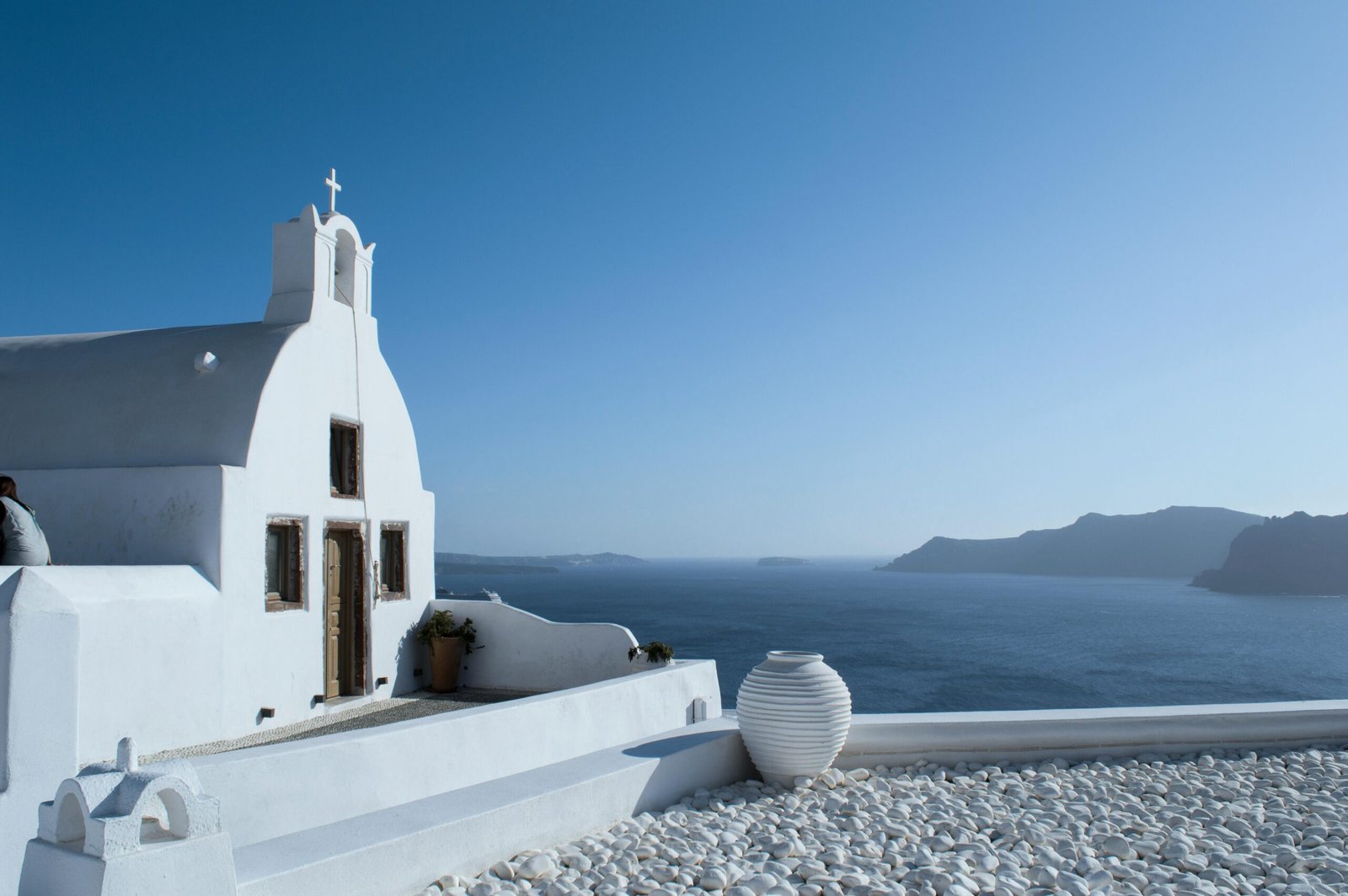
Why Most First-Timers to Santorini Leave Slightly Disappointed usually comes down to one thing: people arrive with a postcard in their head and a crowded island in front of them. That gap is not a small detail; it shapes almost every reaction a first-time visitor has.
Most disappointment starts before the trip even begins. Travelers do not just choose Santorini for the scenery — they choose it for what it says about their trip, their taste, and sometimes their status. That is a dangerous way to pick a Greek island.
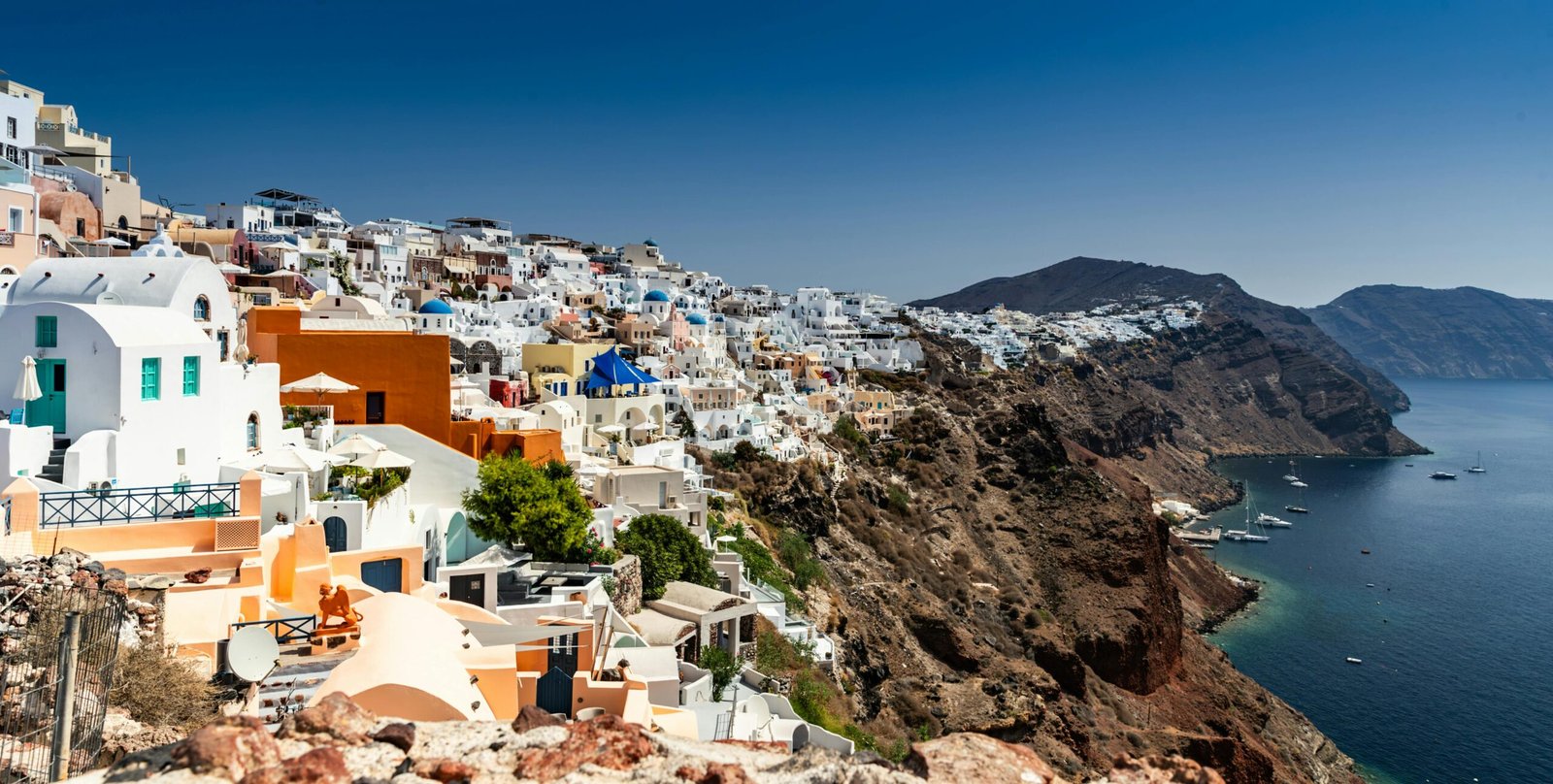
Why Most First-Timers to Santorini Leave Slightly Disappointed
The main psychological mistake is simple: people expect Santorini to behave like an image, not a place. They want the version they have seen online, then feel irritated when the island insists on being a real destination with crowd pressure, heat, queues, and cost.
That is why Why Most First-Timers to Santorini Leave Slightly Disappointed is not really a question about Santorini. It is a question about expectation management, and first-timers are usually bad at it because they have been sold the wrong emotional product.
The image is doing more work than the destination
Santorini is one of the few places where people book the feeling before they book the trip. They are not asking, “What is this island like in July?” They are asking, “Will this look and feel like the version I have seen everywhere?”
That matters because image-based decisions create a specific kind of letdown. The traveler is not disappointed by one bad meal or one busy street; they are disappointed because the island did not confirm the story they were already telling themselves.
Why Most First-Timers to Santorini Leave Slightly Disappointed is often less about the island failing and more about the traveler arriving with a script. Santorini is strong enough to survive that mismatch, but the visitor often is not.
Why travelers make this choice in the first place
People choose Santorini because it feels safe. It is famous, easy to explain, and socially validated, which matters more than most travelers admit. Picking Santorini can feel like avoiding regret.
There is also a quiet fear of getting Greece “wrong.” First-timers worry that if they choose a less obvious island, they will miss something essential, so they default to the place everyone recognizes. That is a psychological shortcut, not a travel strategy.
In peak season, that shortcut becomes expensive. The island’s reputation attracts the exact crowd that makes the experience feel compressed: more visitors, higher prices, less patience, and a stronger sense that everything is being consumed at once.
The emotional gap between expectation and reality
Expectation says: calm, elegant, effortless. Reality in peak season says: crowded viewpoints, booked-out restaurants, heat that changes your mood, and a constant awareness that you are sharing every good angle with a lot of other people.
The emotional problem is not that Santorini is bad. The problem is that it is rarely intimate when most first-timers imagine it will be. That mismatch creates a strange reaction: people feel guilty for not loving something they know is objectively impressive.
That guilt is part of Why Most First-Timers to Santorini Leave Slightly Disappointed. They do not want to sound ungrateful, so they understate their own frustration, which makes the disappointment last longer than it should.
The exact moment disappointment usually hits
It usually hits in a very ordinary moment, not some dramatic collapse of the trip. A traveler is standing in a crowded viewpoint, waiting for a clean photo, or sitting down for a meal that costs far more than expected and feels rushed before it even starts.
That is the moment the fantasy breaks. The visitor realizes they are working harder than they expected to enjoy a place they assumed would be easy.
Here is the counterintuitive part: many first-timers are not disappointed by the famous sunset itself. They are disappointed by the amount of effort required to experience it. Santorini in peak season often turns passive sightseeing into active management, and that surprises people more than the crowds do.
The traveler types most prone to this pattern
Not every first-timer reacts the same way. The most prone to disappointment are the travelers who want their Greece trip to feel polished, romantic, and low-friction, especially if they have limited time and are trying to maximize the “big-name” experience.
- Couples treating Santorini as the emotional centerpiece of the trip
- First-time Greece visitors using Instagram as a planning tool
- Travelers with only one island stop who want the trip to feel complete
- People who dislike crowds but choose the most crowded island anyway
These travelers are not foolish. They are just highly vulnerable to image-led planning. They want a clean payoff, and Santorini in peak season rarely gives one without compromise.
What first-timers consistently underestimate
They underestimate how much season changes the island’s personality. Santorini in a quieter month and Santorini in peak season are not the same emotional experience, even if the scenery is identical.
They also underestimate how quickly “special” can start to feel commercial when the same view, the same timing, and the same crowd pattern repeat all day. That is the part most glossy travel content leaves out.
For travelers trying to understand the broader Greek context, the official tourism site
Visit Greece is useful for baseline destination awareness, but it will not tell you where your own expectations are too rigid. That part is on you.
How to approach Santorini differently
The better approach is not to ask whether Santorini is worth it in some abstract sense. Ask what role you want it to play in the trip. If you want atmosphere, spectacle, and a famous Greek island experience, Santorini can do that. If you want ease, value, and emotional breathing room, it is a poor first pick in peak season.
Greece rewards travelers who arrive with a plan. In Santorini, that means planning around your own tolerance for crowding, cost, and performance pressure, not just around the island’s reputation.
The reframe is simple: stop treating Santorini as the definition of a Greek island and start treating it as one specific kind of experience with real trade-offs. That is how you avoid the flat, slightly embarrassed feeling that shows up when the trip is good but not as good as the image.
For travelers who want a more grounded sense of Greek culture before making these choices, the Hellenic Ministry of Culture is a more serious reference point than social media, because it reminds you that Greece is larger than one island’s brand.
Conclusion
Why Most First-Timers to Santorini Leave Slightly Disappointed is not a warning to avoid the island. It is a warning to stop confusing fame with fit. If you understand the emotional mechanics behind the choice, Santorini becomes easier to place in the trip — and much harder to over-romanticize.
Greece doesn’t punish inexperience. It punishes unexamined assumptions. The travelers who leave disappointed rarely lacked information — they lacked a framework for using it.
Frequently asked questions
Why do first-time visitors to Santorini often feel disappointed?
Because they arrive expecting a smooth, romantic version of the island and then meet peak-season crowds, higher prices, and more effort than they anticipated.
Is Santorini overrated for first-time Greece travelers?
Not overrated in absolute terms, but often over-assigned. Many travelers make it the emotional center of the trip, which sets them up for disappointment when reality is busier and less private than expected.
What is the biggest mistake people make when planning Santorini?
They choose it for the image rather than the fit. That usually means they ignore season, crowd tolerance, and what kind of experience they actually want from Greece.
Which travelers are most likely to be disappointed in Santorini?
Couples chasing a romantic benchmark, Instagram-led planners, travelers with very limited time, and people who dislike crowds but still choose the most famous island.
Does peak season make Santorini worse?
It makes the mismatch stronger. The island does not change identity, but the pressure from crowds, heat, and pricing makes the experience feel less relaxed and more managed.
How should a first-timer think about Santorini differently?
As one specific type of Greek island experience, not the default one. If you know what you are trading off, the trip is easier to enjoy and much harder to misread.