

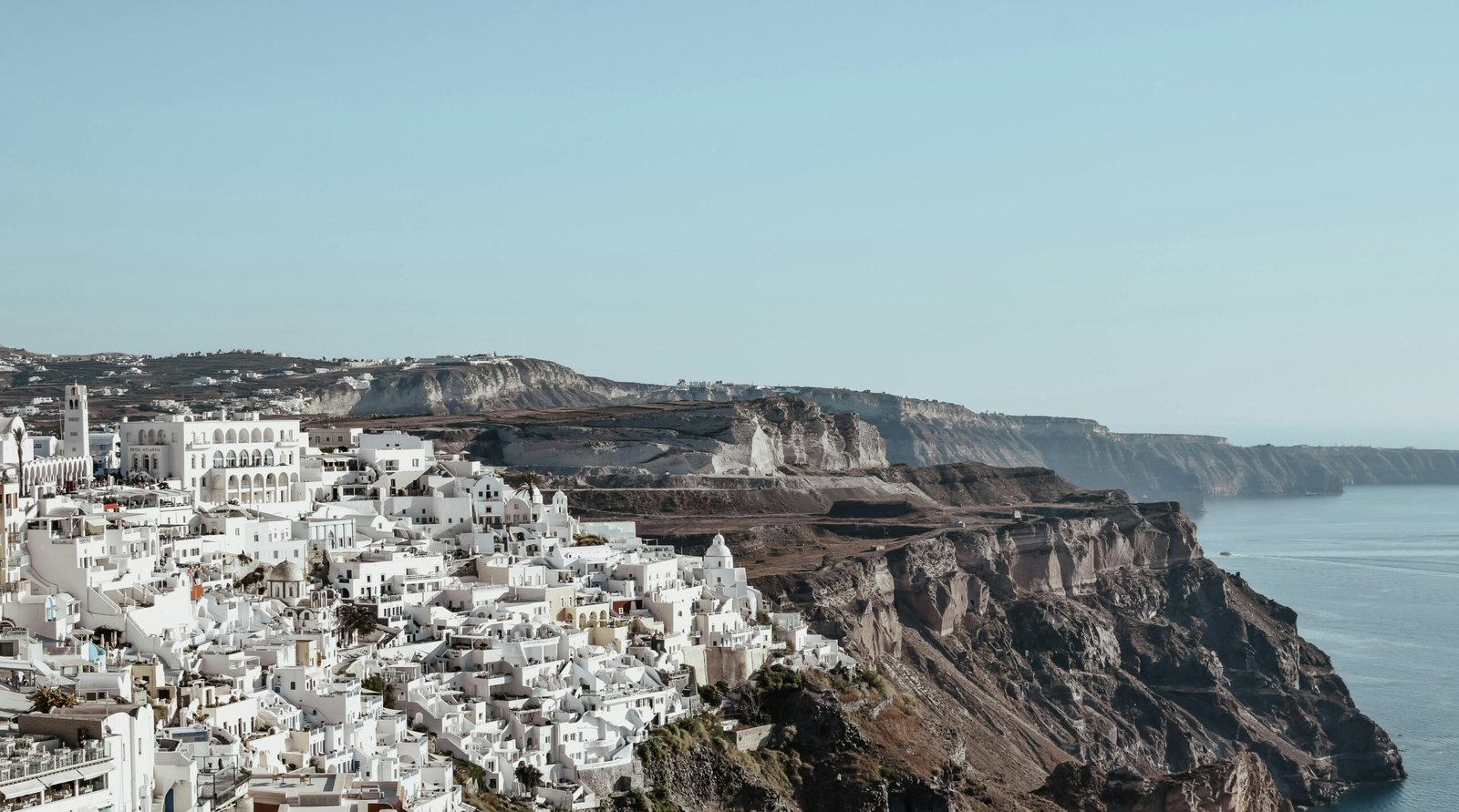
Why Most First-Timers to Santorini Leave Slightly Disappointed starts with a simple psychological trap: people arrive expecting an experience that matches the postcard, then feel let down when the island behaves like a real, heavily visited place. That mismatch is not a small detail. It is the whole problem.
The disappointment is usually not about Santorini being bad. It is about travelers bringing the wrong emotional model to the trip, especially in peak season, when the island is at its most crowded, most expensive, and least forgiving.
Why Most First-Timers to Santorini Leave Slightly Disappointed
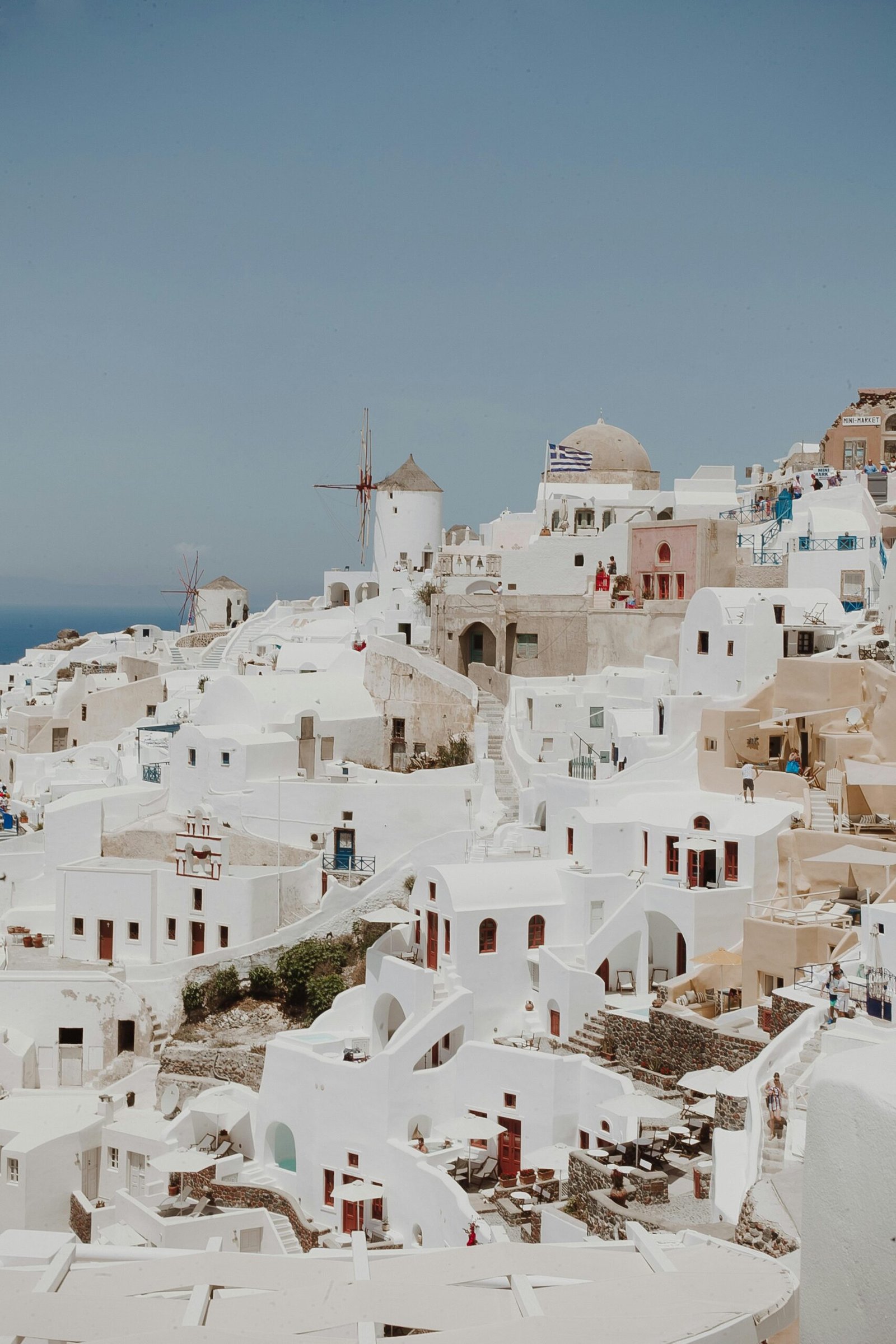
The core mistake is not choosing Santorini. It is assuming Santorini will deliver the same feeling that its photos suggest. That assumption is powerful because the island is marketed through a very specific lens: white walls, blue domes, sunset terraces, and a sense of exclusivity. First-timers do not just want a place to stay. They want to feel they have arrived somewhere exceptional, and that emotional expectation shapes every decision before they even land.
Why Most First-Timers to Santorini Leave Slightly Disappointed is not a mystery to people who work the island in high season. The problem is that many visitors are chasing an image, not a rhythm. They are not prepared for queues, crowds, inflated pricing, and the constant sense that they are sharing every viewpoint with hundreds of other people doing the exact same thing.
The image problem behind Why Most First-Timers to Santorini Leave Slightly Disappointed
Santorini is one of the clearest examples in Greece of a destination being consumed before it is understood. Travelers see the island first through social media, then through wedding photos, then through luxury marketing, and only after that do they start asking practical questions. By then, the emotional script is already set. They are not asking, “What is Santorini like?” They are asking, “How do I get the version I saw online?”
That is why disappointment feels personal. People do not think they are making a fantasy-based decision. They think they are making an informed one. In reality, they are often selecting the most visible version of Greece, not the most suitable one for the kind of trip they actually want.
Why travelers keep making the same choice
There is social pressure in this decision, and it is stronger than most travelers admit. Santorini signals that you have “done Greece properly,” especially for a first trip. Couples feel it. Honeymooners feel it. Travelers with limited vacation days feel it even more, because they want the safest possible name recognition.
There is also a fear of regret. Many first-timers worry that if they do not choose Santorini, they will miss the classic Greece experience everyone talks about. That fear pushes people toward the island even when their actual priorities are better food, easier beaches, less crowding, or a more relaxed atmosphere. The choice is often emotional before it is practical.
For travelers who want a broader view of the country beyond one famous island,
Visit Greece is a better starting point than relying on algorithm-driven inspiration. The official material will not solve every planning mistake, but it will at least pull you out of the narrow Santorini-only mindset.
The emotional gap: what people expect vs what they actually feel
Most first-timers expect a clean emotional payoff: awe, romance, and the sense that the island is worth the cost and effort the moment they arrive. What they actually get is a series of smaller impressions that are less tidy. Some are positive, some are irritating, and many are diluted by crowd pressure. That is where the letdown begins.
The island can still be impressive, but peak season strips away the feeling of discovery. Instead of feeling special, many travelers feel managed. Instead of feeling relaxed, they feel like they are competing for views, tables, and quiet. The gap is not between beauty and ugliness. It is between expectation of exclusivity and the reality of mass demand.
Here is the counterintuitive part: the more someone has built Santorini up in their head, the less likely they are to enjoy the actual experience. That is because the island is often consumed as a proof point, not a place. People want the emotional confirmation that they made the right choice. When the island cannot deliver that on demand, they interpret normal friction as failure.
The moment the disappointment usually hits
For many people, the letdown arrives at sunset. Not because the sunset is bad, but because the expectation around it is absurdly high. Travelers imagine a private, almost cinematic moment. What they get in peak season is a crowded public ritual with people standing shoulder to shoulder, phones raised, all waiting for the same thirty-minute payoff.
That is the moment the island stops feeling like a dream and starts feeling like an event. Some travelers are fine with that. Others realize, a little too late, that they wanted a calmer, more intimate trip than Santorini can realistically provide in high season. This is the exact point where Why Most First-Timers to Santorini Leave Slightly Disappointed becomes a lived experience, not just a search query.
If you want context for how Greece is often presented versus how it is actually experienced, even its cultural institutions are a useful reminder that the country is layered and specific, not one-dimensional. The Hellenic Ministry of Culture gives you a sense of that broader context, which is exactly what first-time planners usually skip when they focus only on the island image.
Who is most likely to feel let down
Some traveler types are much more prone to disappointment than others. They are not wrong to want what they want. They are simply more likely to misread Santorini’s strengths and weaknesses.
- First-time Greece visitors who want one destination to represent the whole country.
- Couples on a honeymoon who expect privacy from a globally famous island.
- Travelers who care more about atmosphere than crowds, but still choose the most photographed place.
- People with very limited time who want every moment to feel efficient and high-value.
- Visitors who are strongly influenced by social media and assume the visuals reflect the lived experience.
The common thread is not inexperience alone. It is the expectation that a famous place will still feel personal. That is a bad assumption in a destination as exposed as Santorini, especially in peak months when the island’s capacity and its reputation are in direct conflict.
What travelers consistently underestimate
They underestimate the cost of friction. A crowded island does not just mean more people. It means slower decisions, less flexibility, more waiting, and a lower tolerance for small inconveniences. Once those add up, the trip starts to feel expensive in a way that is not just financial.
They also underestimate how much peak season changes the emotional tone of the place. Santorini in a quieter period can feel composed and satisfying. Santorini under full summer pressure can feel performative. That difference matters more than most first-timers realize, because it changes whether the island feels like a destination or a stage.
And yes, Greece rewards travelers who arrive with a plan, but that phrase matters less than people think if the plan is built on fantasy. The real issue is matching your expectations to the actual conditions you are likely to face.
What a better approach looks like
A better approach starts with honesty about what Santorini is for. It is not the best Greek island for every first-timer. It is the best-known. Those are not the same thing. If your priority is romance, visual drama, and a once-in-a-lifetime atmosphere, Santorini can still work. If your priority is ease, variety, and value, you should be more selective.
The right question is not “Should I go to Santorini?” It is “What am I expecting this trip to do for me emotionally?” If you want validation, the island can deliver a version of that. If you want calm, spontaneity, and the feeling that you are not sharing every experience with a crowd, you need to plan differently.
That reframe changes everything. Instead of treating Santorini as the default first choice, treat it as one possible choice with clear trade-offs. That is the difference between a trip that feels expensive and one that feels intentional.
Greece doesn’t punish inexperience. It punishes unexamined assumptions. The travelers who leave disappointed rarely lacked information — they lacked a framework for using it.
Frequently asked questions
Why do so many first-time visitors feel disappointed in Santorini?
Because they expect the island to match its image, especially in peak season. The real experience is more crowded, more expensive, and less private than most first-timers imagine.
Is Santorini overrated for first-time Greece travelers?
Not overrated for everyone, but often overselected. It is famous for a reason, yet many travelers choose it for status or recognition rather than fit.
What part of Santorini usually causes the biggest letdown?
The sunset experience is the most common disappointment point. People expect intimacy and calm, then find a crowded public scene with very little privacy.
Who is most likely to be disappointed by Santorini?
Travelers who want quiet, flexibility, value, or a more local-feeling trip are the most likely to feel let down, especially if they visit in high season.
Is peak season the main reason Santorini feels disappointing?
Peak season is a major factor because it amplifies crowds, prices, and friction. The island’s famous image becomes harder to experience when everyone is there at once.
How should a first-timer think about Santorini differently?
Treat it as a high-demand destination with clear trade-offs, not as the default Greek island experience. Decide whether you want the island’s visual impact enough to accept the crowd pressure that comes with it.